Gardening Tips: Start Seeds Indoors, Avoid Leggy Seedlings
Start seeds under a bright LED, keep a small fan moving air, water from below, and shift seedlings on as soon as the first true leaves open. Skip those steps, and stems stretch, plants topple, and transplant shock gets worse. The quickest fix is a tighter indoor setup: stronger light, moving air, and less water sitting around the roots.
What you’ll need
- Seed-starting mix, not garden soil
- Seed trays or small pots with drainage holes
- Labels and a marker
- LED grow light with an adjustable hanger or stand
- Timer for the light
- Optional heat mat
- Small oscillating fan
- Watering tray or shallow basin for bottom watering
- Plastic dome or cover for germination, if the crop benefits from retained moisture
- Seeds and their packet instructions
Why seedlings get leggy indoors
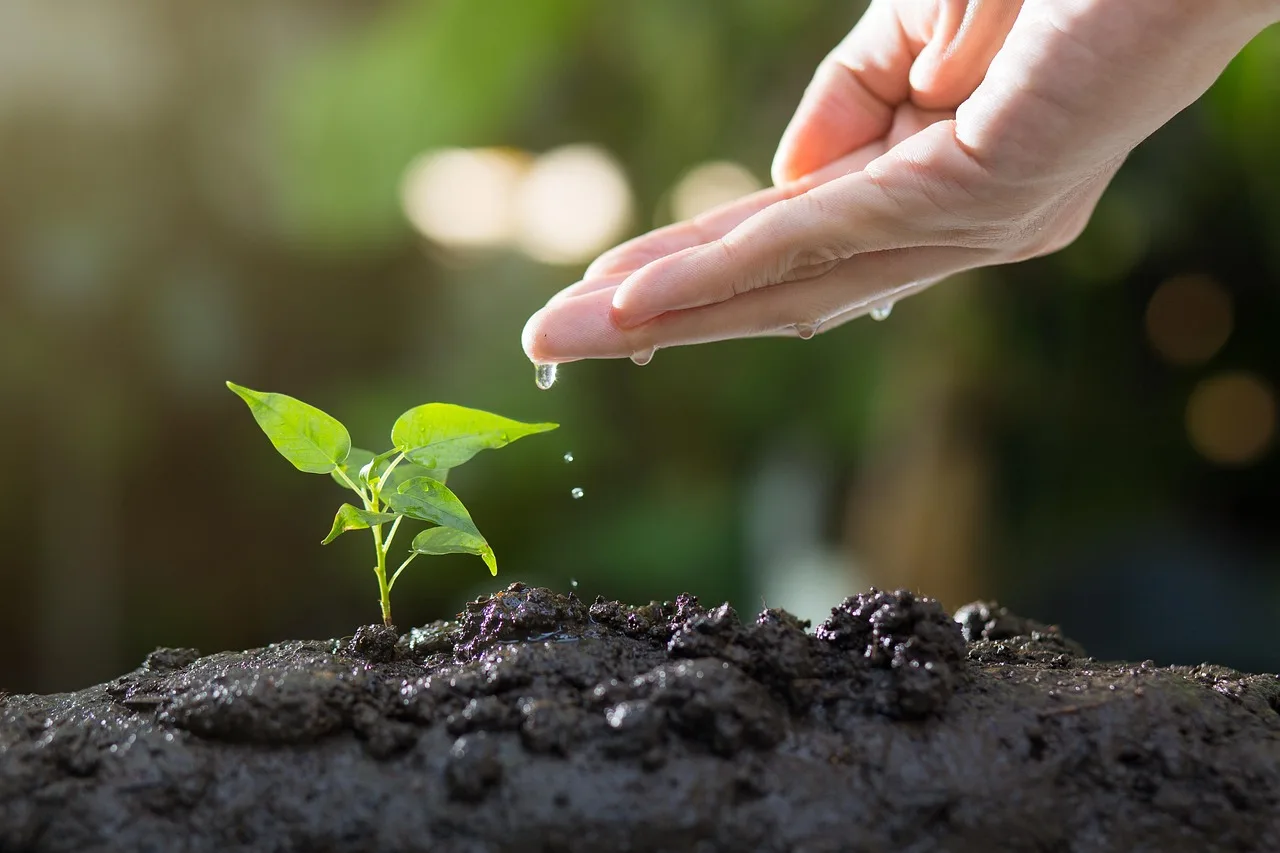
Leggy seedlings are usually reaching for weak light. Long stems, pale color, and leaning growth are the result. A south-facing window gives about 6–8 hours of usable light, which often is not enough on its own for compact vegetable and herb starts.
Warm soil, crowded cells, and still air make the problem worse. Seedlings grown too early also stretch because they sit indoors longer than needed. The fix is not one change. It is a small system: close light, long light hours, airflow, and timing tied to the last frost date.
What to do first
- Move seedlings under an LED grow light.
- Set the lamp 2–4 inches above the tops.
- Run the light 14–16 hours each day.
- Set a small fan on low near the tray.
- Keep the mix evenly damp, never soggy.
What you’ll need for compact indoor seed starting
A tight setup works better than a wide, crowded windowsill. Use a seed-starting mix in trays or small pots, since it stays light and sterile, holds moisture without packing down, and gives roots easier access to air. Garden soil is too dense for indoor sowing.
Use recycled containers only if they have drainage holes and are labeled. A cover can help during germination, but remove it once sprouts appear so the surface can dry a bit between waterings.
| Item | What it does | Target |
|---|---|---|
| LED grow light | Provides steady light when window light is weak | 14–16 hours daily, 2–4 inches above seedlings |
| Heat mat | Speeds germination for warm-season crops | Soil around 70–75°F |
| Fan | Strengthens stems and reduces damping off risk | Low oscillating setting |
| Bottom-watering tray | Wets mix without pounding seedlings over | Remove excess water after 20 minutes |
When should I start seeds indoors before my last frost date?
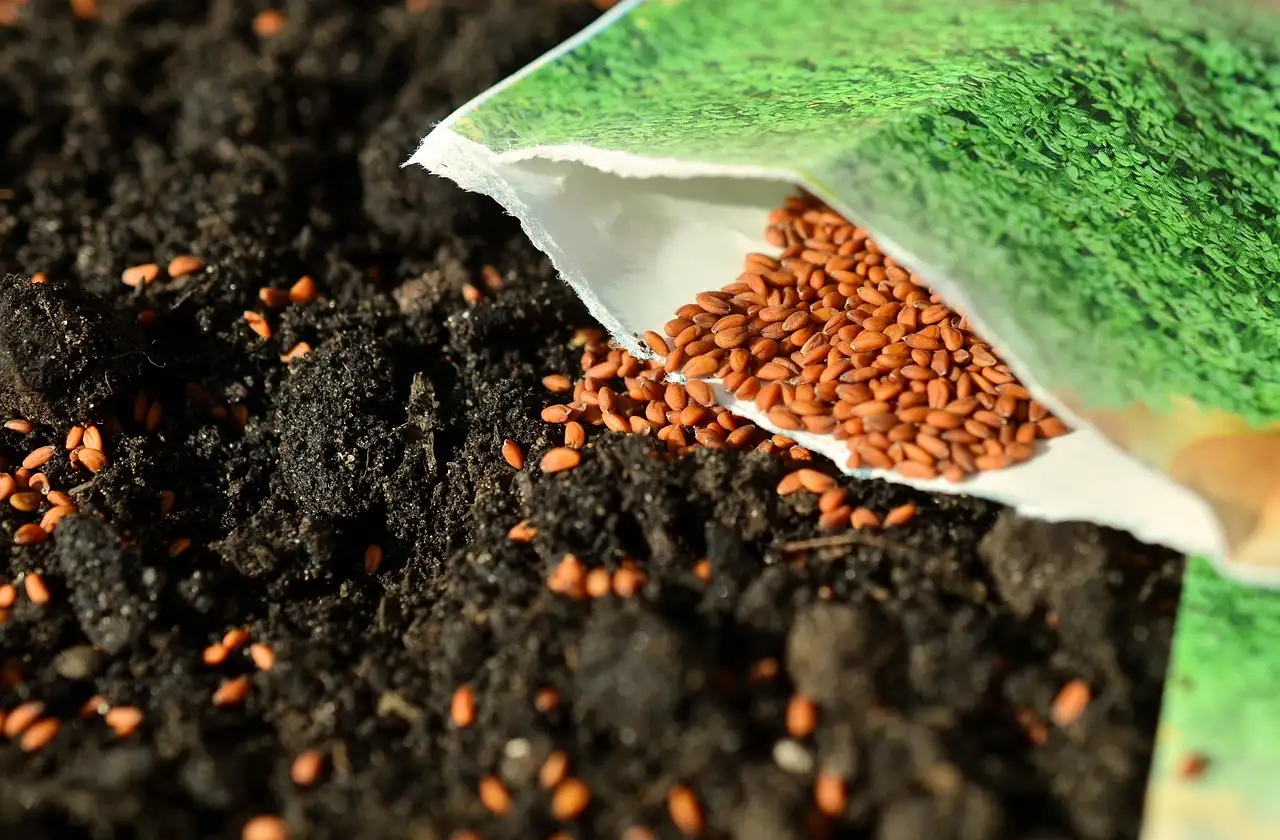
Most indoor sowing happens 4–8 weeks before the projected outdoor transplant date, and that timing should be anchored to the last frost date and the crop’s maturity time. Fast crops need less time inside. Slow crops need more. Starting at the wrong time can contribute to leggy seedlings, since plants may outgrow the space before they can be moved outside.
Check the seed packet for sowing guidance, then count backward from the last frost date. Warm-season crops such as peppers and eggplants usually need the longest indoor run. Quick herbs and many greens often need less. If indoor space is tight, choose fewer slow crops instead of starting everything at once.
Timing rule for small homes
- Find the last frost date for the location.
- Read the packet for crop maturity and sowing notes.
- Count backward to set the sowing date.
- Skip crops that will outgrow the setup before transplant time.
How do I sow seeds so they stay sturdy?
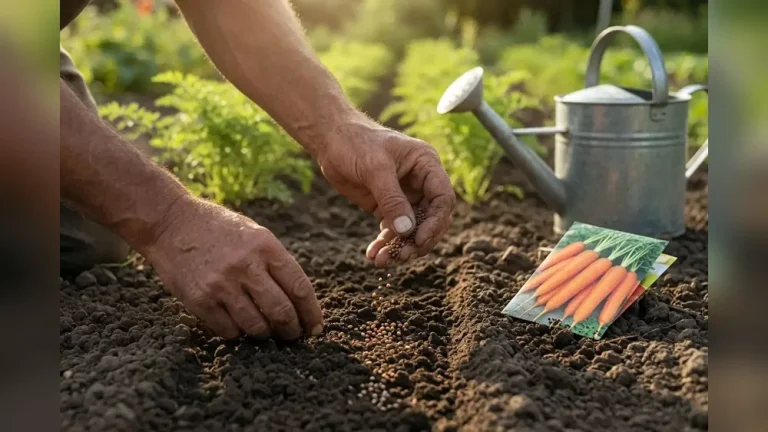
Sow into moist seed-starting mix at the depth listed on the packet, then label every tray. Deep or shallow planting matters because the packet often includes special notes for soaking, scarifying, spacing, or darkness. Those details affect sprouting speed and evenness.
Cover the tray only when the crop benefits from retained moisture. Many seeds need a humid start, but sprouts need air and light right away. Once germination starts, remove the cover and move the tray to the light source fast.
Compact sowing steps
- Fill trays with seed-starting mix and moisten it first.
- Press seeds in at packet depth.
- Cover lightly if the packet calls for it.
- Label each tray with crop and sowing date.
- Set the tray under the lamp as soon as sprouts appear.
How much light do indoor seedlings need each day?
Most vegetable and herb seedlings need 14–16 hours of bright light per day. A windowsill is often enough only for a few hours of usable light, and that usually falls short for compact growth. An LED grow light is the practical choice for serious seed starting.
Keep the lamp 2–4 inches above seedlings and raise it as they grow. If the light sits too high, the stems stretch. If it is too far from the leaves, the seedlings lean and chase brightness. Close spacing is the single most useful fix for legginess in a small setup.
When a windowsill is enough
If the window gets strong south-facing sun and the seedlings stay short, one crop may finish there. For most indoor starts, though, a windowsill is a supplement, not the whole plan. Use the window as extra light, then add the lamp to hold growth compact.
How do I water seedlings without making them weak?
Bottom watering keeps the mix evenly damp without washing stems flat or compacting the surface. Add water to the tray beneath the pots, let the mix wick it upward, and drain the excess after 20 minutes. The surface should feel cool and slightly damp rather than wet.
Overwatering is a common reason seedlings stay soft. Constantly wet mix reduces air around the roots and can encourage damping off. Let the top begin to dry before watering again, then repeat from below.
Bottom-watering sequence
- Set the pots in a tray with water.
- Wait until the surface darkens evenly.
- Lift the pots out after about 20 minutes.
- Empty standing water from the tray.
When do I pot up, harden off, and move seedlings outside?
Move seedlings into individual pots when they have 2–3 true leaves, before roots crowd the cell. That stage gives enough leaf growth to handle the move without wasting space. Hardening off then takes 7–10 days and should begin with 1 hour in shade.
Hardening off too fast is where many seedlings fail. Direct sun, wind, and cooler nights can scorch leaves and collapse soft stems. If plants wilt hard, bleach out, or stop growing after a sudden move, they were pushed outside too soon.
7–10 day hardening-off sequence
- Day 1: 1 hour in shade.
- Day 2–3: add a little more shade time.
- Day 4–6: introduce brief morning sun.
- Day 7–10: increase sun and light wind exposure.
- Bring plants back inside if leaves curl or droop sharply.
Common mistakes that lead to leggy seedlings
The biggest mistake is hanging the light too far away. The second is skipping the fan. Still air lets stems stay weak, and a low oscillating fan helps them thicken while also reducing damping off risk. Crowding seedlings in one tray can also shade the smaller ones, so thin early.
Starting too early causes another round of stretching. If the plants sit indoors for weeks longer than they should, they outgrow the light and space. Cold window glass can also chill roots and slow compact growth, even when the top leaves look fine.
If that didn’t work, try this next
- Lower the lamp until it sits 2–4 inches above the tallest leaves.
- Set the light timer to 14–16 hours daily.
- Turn on a small fan at low speed for gentle movement.
- Move crowded seedlings to larger pots at 2–3 true leaves.
- Trim back future sowings so they match the last frost date.
Which plants are better started indoors versus direct sown?
Start indoors when the crop is slow to mature, sensitive to cold, or worth the tray space. Tomatoes, peppers, eggplants, basil, and many tender herbs are often a good fit for that approach. Direct sow when the plant grows quickly, dislikes root disturbance, or can catch up fast once soil warms.
If indoor space is tight, use a simple rule: choose indoor starts for crops that need a long warm head start, and direct sow fast crops that germinate and mature quickly. That keeps trays reserved for the plants that truly need them.
Leggy-seedling prevention checklist
- Run light 14–16 hours each day.
- Keep the lamp 2–4 inches above seedlings.
- Hold germination soil around 70–75°F.
- Bottom-water and drain excess after 20 minutes.
- Use a low fan to move air gently.
- Move seedlings to larger pots at 2–3 true leaves.
- Harden off over 7–10 days, starting in shade.
Frequently asked questions
How do I keep seedlings from getting leggy indoors?
Put them under an LED grow light, keep the lamp 2–4 inches above the leaves, and run it 14–16 hours a day. Add a low fan and water from below. Those three changes usually do more than any other indoor fix.
How much light do indoor seedlings need each day?
Most vegetable and herb seedlings need 14–16 hours of bright light per day. A south-facing window gives about 6–8 hours of usable light, which is usually not enough without supplemental lighting.
What seed-starting mix should I use for indoor sowing?
Use a light, sterile seed-starting mix that holds moisture without compaction. Fill trays or small pots with it, not garden soil. That keeps roots airy and makes watering easier to control.
How warm should seed-starting soil be for germination?
Keep the soil around 70–75°F for best germination, especially for peppers and eggplants. A heat mat is optional, but it helps warm the root zone when the room runs cool.
When should I transplant seedlings into larger pots?
Pot seedlings up when they have 2–3 true leaves. Move them before they crowd each other or their roots fill the cell. That timing keeps growth steady and reduces stress.
How do I harden off indoor seedlings before planting outside?
Use a 7–10 day transition. Start with 1 hour in shade, then add more outdoor time each day. Increase sun and wind exposure gradually, and bring plants in if they wilt hard.