Gardening Tips for Growing Peppers in Pots Successfully
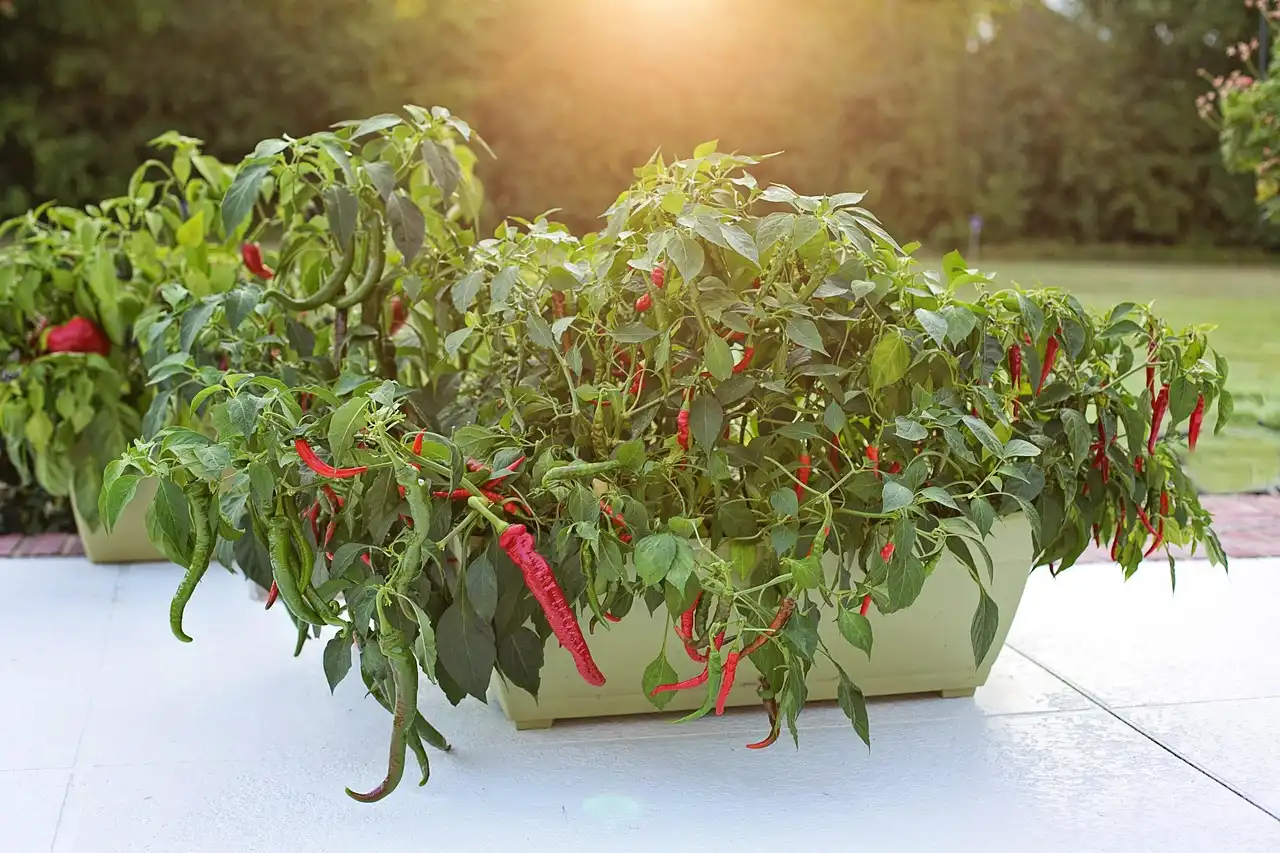
Grow peppers in a pot of about 5 to 10 gallons with about 6 hours or more of sun, a fast-draining mix, and water whenever the top inch dries. Compact peppers can tolerate smaller containers, but large-fruited types often do better in containers of about 10 gallons or more. Cramped roots, uneven watering, and poor bloom set lead to small harvests, blossom drop, and plants that stall in heat. This guide covers pot selection, planting mix, watering rhythm, flowering fixes, and the simple troubleshooting steps that improve fruit set.
Why peppers do well in pots


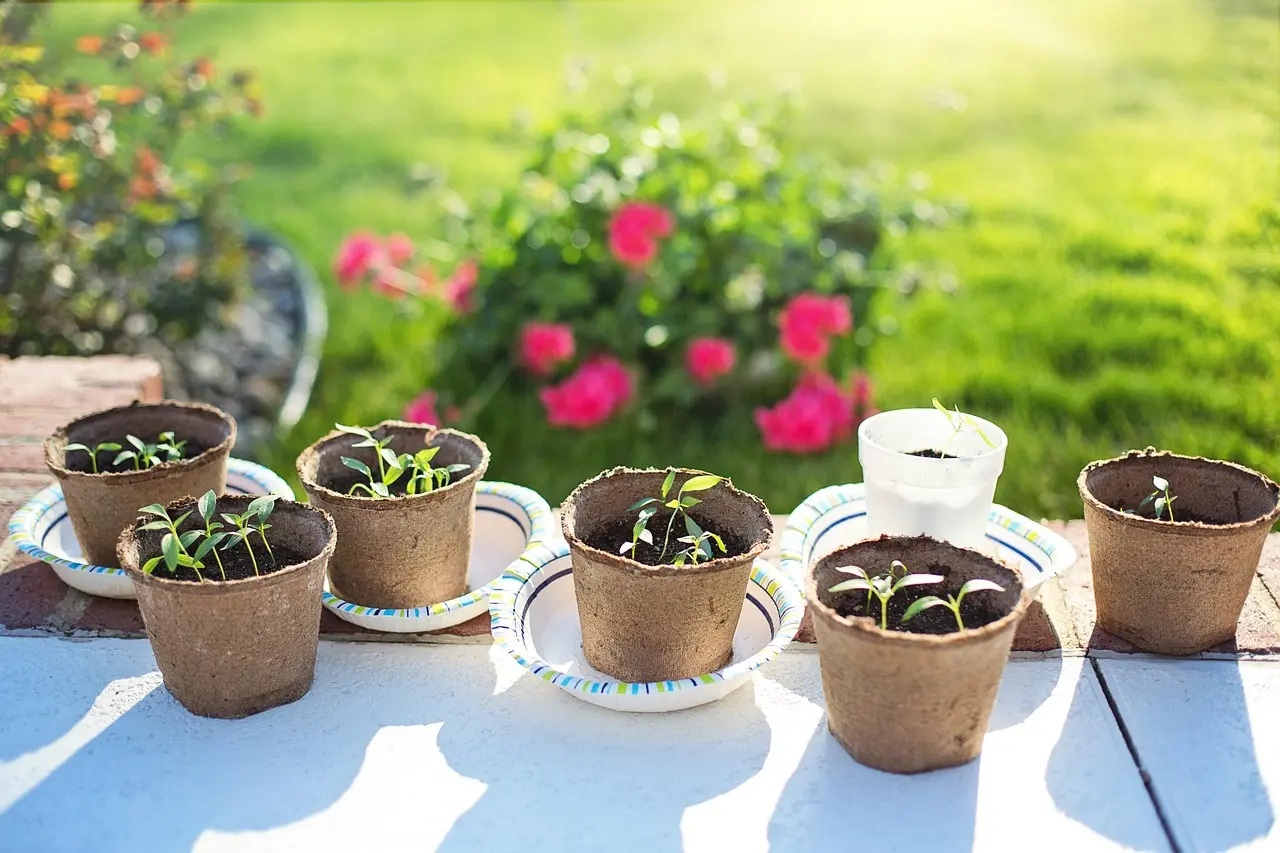
Peppers are warm-season plants, so they fit balconies, decks, patios, and rooftops well. Containers let you place them in the brightest sheltered spot available, which matters because flower set drops when plants sit cold, shaded, or hit hard by wind.
Container growing also gives you control. You can match root space, drainage, and watering to the plant instead of hoping a bed drains evenly. That matters most in small spaces, where one pot can decide whether you get a few peppers or a full harvest.
Warm-season timing and last frost
Set peppers out after the last frost. If your season is short, start with transplants or starter plants rather than seed, because young plants need warm soil and steady growth to reach flowering before the weather cools.
Full sun and protected placement
Choose a bright outdoor spot with full sun and some shelter from strong wind. A wall, railing, or corner can help with gusts, but the plants still need direct light to bloom and fill fruit.
Why containers can outperform beds in small spaces
With the right pot, peppers can be easier to keep evenly moist than plants in a large bed that dries in patches. They also stay closer to eye level, so you catch blossom drop, leaf curl, and fruit-set problems before they spread.
What you’ll need for container peppers
- One pepper transplant per pot
- A 5- to 7-gallon container, or larger for big-fruited types
- A pot at least 12 to 14 inches in diameter and 8 to 10 inches deep
- Several drainage holes
- Fast-draining potting mix
- Compost or another nutrient source mixed into the soil
- Liquid or granular fertilizer for fruiting crops
- A stake or small cage for taller plants
- Plant labels, especially if you grow hot and sweet peppers together
Small pepper plants can fit in an 8-inch-deep pot of about 2 gallons, but that setup leaves less room for roots and dries faster. For steady production, a single plant in a 5- to 7-gallon container is the safer default.
Which pepper types fit your container?
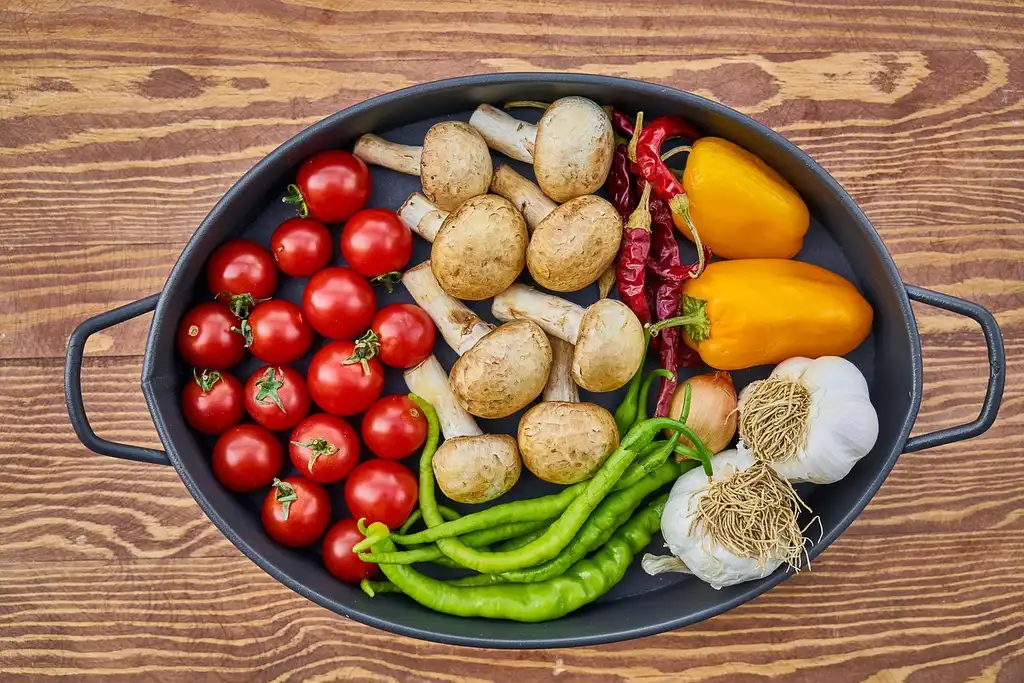
Sweet peppers and hot peppers are the two basic pepper types, and both can work in pots. The best fit depends on plant size, fruit size, and how much heat you want. Sweet peppers sit at 0 SHUs, jalapeños are about 4,000 SHUs, and habaneros can reach about 200,000 SHUs.
Sweet peppers for pots
For sweet peppers, look for compact plants that set fruit reliably in containers. ‘Ace’ is an early bell pepper with large, slightly conical fruits. ‘California Wonder’ and ‘Bell Boy Hybrid’ also suit container growing when you give them enough root room and steady moisture.
Hot peppers for pots
Hot peppers often stay smaller and fit containers well. ‘Jalapeño’ is known as easy to grow in pots and is not as hot as habanero. ‘Habañero’ and ‘Thai Dragon’ can also perform well if you keep the soil warm, feed regularly, and avoid drying the pot out.
How SHU helps you compare heat
Scoville heat units help you compare pepper heat without guessing. A jalapeño at about 4,000 SHUs is a mild hot pepper for many cooks, while a habanero at about 200,000 SHUs is far hotter. Use that range to pick fruit you will actually harvest and eat.
Container pepper decision table
| Setup | Best pepper type | Spacing | Expected watering rhythm | Likely failure risks |
|---|---|---|---|---|
| 5-gallon pot | One compact sweet pepper or one jalapeño | One plant only | Check daily; water when top inch dries | Root crowding, fast drying, small fruit if feeding slips |
| 7-gallon grow bag | Compact sweet pepper, jalapeño, or Thai Dragon | One plant only | Often every 1 to 2 days in warm weather | Drying swings, heat stress at the bag edge |
| Terracotta planter | Smaller sweet pepper or hot pepper | One plant only | Check often; may need water more than plastic | Rapid moisture loss, wilt after a hot afternoon |
| Balcony box | Small peppers only, or very compact types | At least 12 inches around each plant; 18 inches apart in larger boxes | Daily checks; shallow soil dries fast | Crowding, weak flowering, uneven moisture, lean growth |
Two or three pepper plants in pots or grow bags can supply plenty of peppers, but only if the container volume and spacing stay generous. In shared planters, keep plants about 18 inches apart to help reduce competition for water and light.
How do you plant peppers in pots?
Plant one pepper per pot whenever possible. That gives roots enough room to fill the container without fighting for water and nutrients. Shared planters can work, but only if the container is large enough and the plants are spaced far enough apart.
- Fill the container with a fast-draining mix blended with compost.
- Set the transplant at the same depth it grew in the starter pot.
- Backfill gently and press the soil lightly to remove air pockets.
- Water until excess drains from the bottom.
- Add a stake or small cage if the variety grows upright or heavy with fruit.
If a balcony box holds two compact peppers, give each plant at least 18 inches of space. Less than that means more leaf competition and fewer ripe peppers. Move one plant to a separate container rather than forcing both to share cramped root space.
How often should you water potted peppers?
Water whenever the top inch dries, then recheck after the pot drains. Containers dry at different speeds, so the right rhythm depends on pot material, sun exposure, and plant size. The goal is steady moisture, not soggy roots or dry-down swings.
Adjust for pot material
Plastic nursery pots hold moisture longer than terracotta. Glazed clay sits between the two. Grow bags and terracotta dry faster and need closer attention, while wooden or metal tubs can vary widely based on color, sun, and wind.
Keep moisture even during flowering
Flowering peppers need steady water. If the plant dries hard and then gets drenched, blossom drop becomes more likely and fruit can stay small. Keep the root zone evenly moist so growth does not pause between waterings.
Watch for overwatering and underwatering
Leaves that wilt in dry soil point to underwatering. Leaves that stay limp in wet soil point to poor drainage or root stress. Check both the top and the drain holes before adding more water.
How should you feed container peppers?
Container peppers need ongoing fertility because the pot holds only a limited reserve of nutrients. Start with a nutrient-rich mix that includes compost, then feed again as buds form and fruit begins to size up. That timing supports flowering without pushing only leaf growth.
- Mix compost or a similar fertility source into the potting mix before planting.
- Begin feeding once the plant starts to bud.
- Repeat as fruit load increases, following the label on the fertilizer package.
- Pause or reduce feeding if the plant becomes very leafy but sets few flowers.
Do not overdo nitrogen. Too much leaf growth can delay blooms and reduce fruit set, especially in a pot where roots already have limited space.
Pepper troubleshooting checklist
Use this checklist when peppers in containers slow down, curl, or fail to set fruit. Start with the symptom, then match it to the most likely container cause.
| Symptom | Most likely cause | First fix | If that didn’t work, try this next |
|---|---|---|---|
| Wilting leaves | Soil dried out or roots are waterlogged | Check soil 1 inch down and water only if dry | Confirm drainage holes are open and empty the saucer |
| Blossom drop | Heat, dry swings, or root stress | Stabilize watering and move the pot to brighter shelter from wind | Shift to a larger container if roots are packed tight |
| Tiny fruit | Crowding, low light, or weak fertility during fruiting | Thin crowded planters and feed on schedule | Move to full sun and repot into 5 to 7 gallons or more |
| Curling leaves and slow growth | Water stress, cold soil, or root restriction | Hold moisture steady and confirm the plant is outdoors after frost | Up-pot into a larger container with fresh mix |
If your jalapeño sits in a black plastic pot on a south-facing balcony and wilts every afternoon, check the soil. When the top feels dry but the mix stays cool below, drying speed is usually the problem, not heat alone. A deeper pot and a more even watering rhythm often settle it.
A common first-timer mistake is blaming blossom drop on the variety instead of the pot. If a bell pepper in a shallow box has crowded roots and dries twice a day, the flowers often fail before fruit set even starts.
Common mistakes
- Using a pot that is too small for the mature plant.
- Skipping drainage holes or letting the pot sit in standing water.
- Mixing peppers too close together in one planter.
- Letting terracotta or grow bags dry out completely.
- Feeding only once and expecting a full season of fruit.
Match the pot size to the plant, choose a moisture pattern you can keep, and stick with one plant per container unless the planter is large enough for wide spacing.
Frequently asked questions
What size pot do peppers need to grow successfully?
A single pepper plant grows best in a 5- to 7-gallon container that is at least 12 to 14 inches in diameter and 8 to 10 inches deep. Small pepper plants can fit in about 2 gallons, but bigger fruiting types usually need more root room to stay productive.
What is the best potting mix for peppers in containers?
Use a fast-draining potting mix with compost or another nutrient source mixed in. The mix should hold enough moisture to keep roots from drying out between waterings, but it should not stay soggy after irrigation. Heavy garden soil is a poor fit for pots.
How often should I water peppers in pots?
Check the soil daily and water when the top inch dries. In terracotta or grow bags, that can mean watering more often than in plastic. The goal is steady moisture through flowering and fruiting, not a wet-dry cycle that stresses the plant.
Which pepper varieties grow best in containers?
Compact sweet peppers and smaller hot peppers do best. Good container choices include ‘Ace,’ ‘Bell Boy Hybrid,’ ‘California Wonder,’ ‘Jalapeño,’ ‘Habañero,’ and ‘Thai Dragon.’ These varieties stay more manageable in pots than many full-size field peppers.
How much sun do potted peppers need?
Give potted peppers full sun in a bright outdoor spot with some shelter from wind. Aim for about 6 hours or more of direct light, and place the containers where wind and reflected heat are less likely to stress the foliage. More light usually means better flowering and fruit fill.
Do peppers need fertilizer when grown in pots?
Yes. Pots hold limited nutrients, so peppers need feeding beyond the initial potting mix. Start with compost or a rich mix, then feed again as buds and fruit appear. If leaves look lush but flowers are sparse, reduce nitrogen and keep moisture steady.
Why do pepper leaves curl or flowers drop in containers?
Leaf curl and flower drop often point to watering swings, root crowding, or too much heat around the pot. Check drainage holes first, then the moisture level 1 inch down. If roots fill the pot or the container dries too fast, move up to a larger pot.
Can I grow peppers in grow bags instead of pots?
Yes. Grow bags work well for peppers if you keep up with watering, because they dry faster than plastic pots. They are a strong option for hot patios and rooftops where extra air flow helps the roots, but the plants need close moisture checks.