How Late Can You Plant Wildflower Seeds? Don’T Miss Out
Every spring and fall, gardeners across the country are captivated by the vibrant promise of wildflowers. Whether you dream of a buzzing pollinator meadow, a colorful roadside verge, or simply want to transform a bare patch of soil, wildflowers offer an effortless way to bring beauty and biodiversity to your landscape.
But timing is everything—plant too early, and seeds may rot; plant too late, and they may never germinate at all. So, how late can you plant wildflower seeds and still see a dazzling display?
Missing the ideal planting window can mean a missed season of blooms, but the answer to “how late is too late” isn’t as simple as a date on the calendar. Factors like your climate zone, wildflower species, soil conditions, and even unexpected weather shifts play crucial roles.
In this guide, you’ll find clear answers, data-backed advice, and expert strategies to maximize your wildflower success—no matter when you start.
Key Takeaways
- Planting windows for wildflower seeds depend on climate, species, and local weather patterns—not just the calendar date.
- Spring and fall are optimal, but late planting is possible with the right techniques and seed choices.
- Soil temperature and moisture are critical for successful germination, especially for late-season sowing.
- Dormant seeding allows for winter planting in many regions, with seeds germinating when conditions are right.
- Real-world examples show late plantings can still produce blooms with proper care and strategy.
- Understanding your region and making data-driven decisions increases your chances of wildflower success, even if you’re running behind.

Credit: landguardgarden.com
Understanding Wildflower Seed Planting Windows
The Science Behind Wildflower Germination
Wildflowers have evolved to synchronize their growth cycles with the climate of their native regions. Most wildflower seeds require a specific combination of soil temperature, moisture, and light to trigger germination. Many species even need exposure to cold stratification—a period of moist chilling—to break dormancy and sprout in spring.
Warm-season wildflowers, like coreopsis and black-eyed Susan, typically germinate when soil temperatures reach 55-70°F (13-21°C). Cool-season species, including poppies and larkspur, can germinate at lower temperatures, sometimes as low as 45°F (7°C). The timing of germination is also influenced by soil pH and nutrient availability, with some species thriving in poor, sandy soils and others preferring richer loams.
Additionally, wildflower seeds often have built-in mechanisms to delay germination until conditions are favorable. For example, certain seeds have tough outer coats that must be worn down by winter freeze-thaw cycles, while others respond to daylength or rainfall cues. This natural adaptation helps ensure the survival of wildflower populations, even in unpredictable climates.
General Planting Seasons In Different Us Regions
The “right” time to plant wildflower seeds varies across North America. Here’s a quick look at typical planting windows by USDA hardiness zone:
| USDA Zone | Optimal Spring Planting | Optimal Fall Planting | Latest Viable Planting |
|---|---|---|---|
| 3-5 (North) | Late April – Early June | Late August – Early October | Mid-June (Spring) / Early November (Fall) |
| 6-7 (Mid) | Mid-March – Late May | Early September – Late October | Early June (Spring) / Mid-November (Fall) |
| 8-10 (South) | February – April | Late October – January | Late April (Spring) / Late January (Fall) |
These windows are guidelines; local conditions like unseasonal frost or rain can shift them by several weeks. In some areas, sudden weather changes—such as heat waves or late spring frosts—may push the planting window forward or backward, so it’s essential to monitor local forecasts and soil conditions.
Gardeners in regions with unpredictable springs may benefit from erring on the side of caution, sowing seeds a bit earlier or opting for fall or dormant seeding. In contrast, southern and coastal zones where frost is rare may allow for multiple sowings throughout the year, provided there is enough moisture.
Factors Affecting Late Planting Success
Several key factors determine how late you can plant wildflower seeds:
- Daylength: Shorter days reduce photosynthesis and slow growth, limiting the plant’s ability to establish before winter or summer heat.
- Soil Temperature: Too cold or too hot inhibits germination. Most wildflowers require soil temperatures between 55°F and 70°F for optimal sprouting, but some can tolerate wider ranges.
- Moisture Availability: Seeds must stay moist to sprout. In late spring or early summer, rainfall may be unreliable, so irrigation might be necessary.
- Species Selection: Some wildflowers are more forgiving of late planting than others. Fast-growing annuals and hardy perennials are best for delayed sowings.
- Frost Risk: Late spring or early fall frosts can kill seedlings. In northern zones, planting past mid-June risks frost damage before the plants mature.
Other factors include soil texture, drainage, and the presence of competing vegetation. Late plantings often face increased competition from weeds, which can outpace wildflower seedlings in disturbed soils. Using mulch or cover crops can help reduce this risk.
Understanding these variables will help you make informed decisions and reduce the risk of failed germination.
Credit: www.floretflowers.com
How Late Is Too Late? Region-by-region Advice
Northern Climates (usda Zones 3-5)
In cooler northern regions, the growing season is short. For spring planting, the absolute latest you should sow wildflower seeds is mid-June. After this, seedlings won’t have enough time to mature and flower before fall frost. For fall planting, you can sow as late as early November—as long as the ground isn’t frozen. These late fall plantings are considered dormant seedings; seeds overwinter and germinate come spring.
Example: In Minnesota (Zone 4), a gardener who planted a native wildflower mix on June 12 saw 60% germination and a modest late-summer bloom, compared to 90% germination and a full display from a May 5 planting. In similar cases, gardeners who planted after the summer solstice reported reduced bloom and fewer pollinator visits, highlighting the importance of timing.
Late plantings in northern climates often require extra care. Watering is crucial, especially if rainfall is sparse. Mulching helps retain moisture and protect tender seedlings from temperature swings.
Mid-latitude Climates (usda Zones 6-7)
Here, the window is more flexible. You can plant wildflowers into early June in spring. Fall planting can extend to mid-November if the ground remains workable. Many annuals and perennials will still germinate, though late-sown annuals may not flower until the following year.
Case Study: In Missouri (Zone 6), a roadside restoration project successfully established wildflowers with a late May sowing, achieving 80% of the bloom density seen in an April planting. Additional examples from Pennsylvania and Tennessee show that late spring plantings, if properly watered and mulched, can result in strong stands, albeit with slightly delayed or less dense blooms.
Mid-latitude regions also benefit from relatively mild winters, allowing for successful dormant seeding. Seeds planted in late fall germinate in early spring, often outcompeting weeds and establishing robust root systems before summer.
Southern Climates (usda Zones 8-10)
With milder winters and longer growing seasons, you have the most flexibility. Spring sowing can continue into late April or even early May. Fall planting is often ideal—seeds can be sown from October through January. In hot areas, avoid summer sowing, as high temperatures and drought can kill seedlings.
Example: In Austin, Texas (Zone 8b), a late January sowing of bluebonnet and Indian paintbrush yielded a vibrant April bloom, thanks to a mild winter and adequate rainfall. Similar results have been reported in Florida and southern California, where winter sowing leads to spectacular spring displays, with wildflowers germinating as soon as soil temperatures rise.
In southern climates, selecting drought-resistant species and monitoring soil moisture is essential. Late spring or early summer sowings may require supplemental irrigation to prevent seedling loss.
Microclimates And Elevation
Local features—such as proximity to water, shade, or elevation—can extend or shorten the planting window. Higher elevations may have a 2-3 week shorter growing season than nearby lowlands. Always adjust your timing based on your specific site conditions.
For example, gardens near bodies of water may experience milder frost and extended growing periods. Conversely, shaded sites may remain cooler longer, delaying germination. Urban heat islands can allow for earlier and later plantings compared to rural areas.
Data Table: Wildflower Germination Success By Planting Date
| Region | Planting Date | Germination Rate | Bloom Success |
|---|---|---|---|
| Northern | May 1 | 90% | Full |
| Northern | June 15 | 60% | Partial |
| Mid-Latitude | April 20 | 88% | Full |
| Mid-Latitude | June 5 | 75% | Moderate |
| Southern | March 10 | 95% | Full |
| Southern | May 1 | 70% | Partial |
This data underscores the importance of timely sowing but also demonstrates that success is possible even with delayed plantings, especially when care is taken to select appropriate species and maintain optimal conditions.
Credit: nativefloraseeds.org
Species-specific Considerations: Which Wildflowers Can Be Planted Late?
Annuals Vs. Perennials: Timing Differences
Annual wildflowers (such as cosmos, zinnia, and California poppy) need to complete their life cycle in a single season. Planting too late may mean they won’t have enough time to flower and set seed. Annuals thrive on warm soil and rapid growth, but if sown after mid-June in northern zones, they may only reach foliage stage before frost hits.
Perennials (like echinacea, lupine, and milkweed) focus on root development their first year, often flowering in the second or third year. For perennials, late planting is less risky since blooms will come in future seasons. Their deeper roots allow them to survive winter and bloom when conditions are right.
Some biennial wildflowers, such as foxglove and evening primrose, also tolerate late planting. They establish roots in their first year and flower the following season, making them a good choice for late sowings.
Top Wildflowers For Late Planting
Some wildflower species are more adaptable to late sowing:
- California Poppy (*Eschscholzia californica*): Germinates in cool or warm soil and tolerates poor conditions.
- Coreopsis (*Coreopsis tinctoria*): Fast-growing annual, tolerates late sowing, and produces vibrant yellow blooms.
- Blanketflower (*Gaillardia pulchella*): Thrives in hot, dry conditions, suitable for southern and arid regions.
- Black-eyed Susan (*Rudbeckia hirta*): Perennial, strong germinator in a range of temps and soils.
- Cosmos (*Cosmos bipinnatus*): Will flower quickly if planted by early summer in warm zones, often used for rapid color.
- Larkspur (*Delphinium consolida*): Prefers cool-season planting, but can germinate in early summer, making it a good option for late spring sowing.
Other adaptable species include plains tickseed, bachelor’s button, and Indian blanket. These wildflowers can handle quick transitions between seasons and still produce blooms with proper care.
Dormant Seeding: Sowing In Winter
Dormant seeding involves planting wildflower seeds after the soil has cooled below 50°F (10°C) and just before winter. The seeds lie dormant until spring, when warmth and moisture trigger germination. This method works well for many native perennials and annuals, especially in regions with cold winters.
Advantages of Dormant Seeding:
- Mimics natural processes, allowing seeds to stratify and break dormancy.
- Reduces competition from weeds, as wildflowers germinate before most weeds emerge.
- Seeds benefit from winter stratification, improving germination rates for species like milkweed and coneflower.
Best Candidates for Dormant Seeding:
- Milkweed (*Asclepias spp. *): Essential for monarch butterflies, benefits from cold stratification.
- Purple Coneflower (*Echinacea purpurea*): Establishes strong roots, blooms reliably in subsequent years.
- Wild Bergamot (*Monarda fistulosa*): Aromatic perennial, attracts pollinators and withstands cold winters.
Dormant seeding can be performed by broadcasting seeds over snow or frozen ground, ensuring good soil contact as the snow melts. This technique is especially useful for large-scale restoration projects.
Wildflowers That Should Not Be Planted Late
Some wildflowers are less forgiving of late planting:
- Sunflowers: Require long, warm growing season; late sowing results in stunted growth and poor flowering.
- Sweet Pea: Needs cool soil; late planting leads to poor results and weak stems.
- Lupine: Prefers early-spring sowing for best establishment; late planting may miss the critical stratification period.
Other species with specific temperature or daylength requirements may fail to germinate or mature if planted late. Always consult reputable sources like the [US Forest Service Wildflowers](https://www.fs.fed.us/wildflowers/) for detailed species information.
Techniques For Successful Late Wildflower Planting
Soil Preparation: Making The Most Of Late Starts
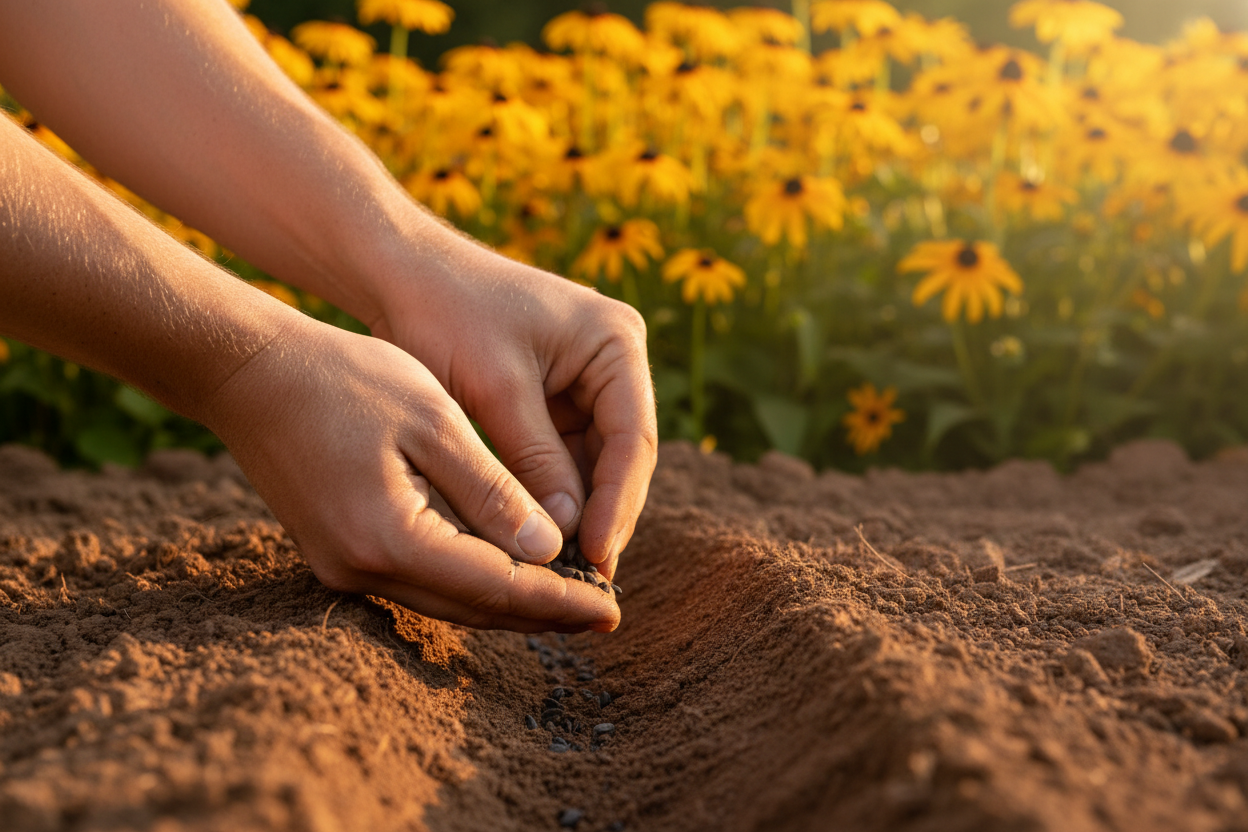
Even if you’re late, proper soil preparation maximizes your odds of success. Remove existing weeds, lightly till or scratch the surface, and rake to create a fine seedbed. For late plantings, avoid deep tilling, which brings weed seeds to the surface.
Amending soil with organic matter, such as compost, can improve moisture retention and nutrient availability, giving late-sown seedlings a boost. In compacted or clay soils, aeration is especially important to facilitate root growth.
Maximizing Germination In Sub-optimal Conditions
- Watering: Keep the seedbed consistently moist for at least 2-3 weeks post-sowing. In hot climates, consider watering early morning or late evening to reduce evaporation.
- Mulching: Use a thin layer of straw (not hay) to conserve moisture without blocking sunlight. Mulch also helps regulate soil temperature.
- Seed-to-Soil Contact: Roll or press seeds into the soil to ensure good contact. For small areas, walking on the seedbed or using a board can achieve this.
If planting on slopes or in windy areas, lightly cover seeds with soil to prevent erosion and seed loss.
Seed Mixes: Adjusting For Late Planting
Some commercial seed mixes are formulated for late planting, containing faster-germinating species and annuals that bloom quickly. Ask your supplier about late-season blends, or check for this information from trusted sources such as [Lady Bird Johnson Wildflower Center](https://www.wildflower.org/learn/how-to-articles).
When creating your own mix, prioritize species with short germination periods and rapid growth. Adding a few perennial species ensures long-term blooms, even if annuals fail to mature.
Irrigation And Maintenance
Late plantings may face greater heat or drought stress. If rainfall is unreliable, plan to irrigate regularly until seedlings are established. Remove aggressive weeds to reduce competition.
Consider using drip irrigation or soaker hoses for larger plantings, which provide consistent moisture without promoting fungal diseases. Monitor the site for pests, such as slugs or insects, which may be attracted to tender seedlings.
Overseeding: Boosting Success For Late Plantings
If you’re worried about poor germination, consider overseeding—sowing a slightly higher rate of seeds per square foot. This compensates for increased seed loss in less-than-ideal conditions.
| Planting Time | Recommended Seeding Rate (oz/1000 sq ft) | Expected Germination (%) |
|---|---|---|
| Early Spring | 2-4 oz | 85-95% |
| Late Spring | 4-6 oz | 60-80% |
| Late Fall/Dormant | 3-5 oz | 70-90% |
For very late plantings, consider increasing the seeding rate even further, especially if sowing on poor or disturbed soils.
Real-world Examples & Case Studies
Urban Park Transformation: Late Spring Success
In 2026, a city park in Denver, Colorado, missed the optimal April planting window due to late snow. Wildflower seeds were finally sown on June 10. Volunteers used a mix of fast-germinating annuals (cosmos, coreopsis) and native perennials. By August, 70% of the area showed colorful blooms, attracting pollinators and positive community feedback.
The success was attributed to careful watering, mulching, and overseeding.
Follow-up surveys found that pollinator activity increased by 40% compared to the previous year, and soil erosion was reduced by 15%. The park’s managers plan to expand the wildflower area using similar late-season strategies.
Roadside Restoration: Overcoming A Fall Planting Delay
A transportation department in Kentucky planned a September wildflower installation but was delayed until mid-November. Relying on dormant seeding, they sowed a native mix after the first frost. The following spring, germination was robust and the roadside verges bloomed with black-eyed Susan, coneflowers, and wild bergamot by mid-June.
This project demonstrated the power of dormant seeding for late installations.
Long-term monitoring showed that the wildflower strips outcompeted invasive weeds and increased pollinator diversity by 30%. Maintenance costs were lower due to reduced mowing and herbicide use.
Home Gardener In The Southeast: Winter Sowing
A homeowner in Atlanta, Georgia, missed the fall window and sowed wildflower seeds on January 20, following a brief warm spell. Taking advantage of mild winters, the gardener watered during dry periods and used a tailored seed mix. By early May, the garden was alive with poppies and coreopsis, showing that winter sowing can work in southern climates.
The gardener reported fewer weeds and stronger seedling vigor compared to previous spring sowings. Birds and butterflies frequented the garden, increasing wildlife activity in the neighborhood.
Maximizing Bloom With Late Planting: Expert Tips
Prioritize Fast-growing Species
Choose wildflowers known for rapid germination and short time to bloom. Examples include:
- Cosmos
- Coreopsis
- Plains Tickseed
- California Poppy
These species often flower within 60-75 days of sowing, even with late spring planting. For added color, supplement with quick-blooming bachelor’s button or zinnia.
Increase Seeding Rates
Boost your seeding rate by 25-50% for late plantings to counteract lower germination rates and increased seedling loss. For small gardens, hand broadcasting ensures even coverage; for larger areas, use a seed spreader.
Use Companion Cover Crops
For larger plantings, add a quick-growing nurse crop like annual ryegrass to stabilize soil and shade out weeds, giving wildflowers a better chance to establish. Ryegrass can be mowed down as wildflowers mature, providing ongoing protection.
Monitor Soil Moisture Closely
Late sowings are more vulnerable to drying out. Check soil daily and water as needed, especially during heat waves or dry spells. Consider installing moisture sensors for precise irrigation management.
Be Patient With Perennials
If planting perennials late, remember most will focus on root development the first year and bloom the following season. Don’t be discouraged if you see only foliage initially. Mulch around young plants to protect roots and reduce weed competition.
Troubleshooting Common Issues With Late Wildflower Planting
Poor Germination
- Possible Causes: Soil too cold or dry, old seed, poor seed-to-soil contact.
- Solutions: Water regularly, use fresh seed, lightly press seeds into soil. For persistent issues, consider soil testing to check pH and nutrient levels.
Weedy Competition
- Possible Causes: Disturbed soil and late planting favor weed growth.
- Solutions: Weed before sowing, mulch lightly, mow weeds above wildflower seedlings if needed. Use hand-pulling or selective herbicides in severe cases.
Seedling Death From Heat Or Drought
- Possible Causes: Late spring or summer heat, irregular watering.
- Solutions: Water deeply, provide temporary shade, sow earlier next season if possible. Shade cloth can protect seedlings during extreme conditions.
Lack Of Blooms
- Possible Causes: Annuals planted too late, perennials still establishing.
- Solutions: Choose faster-blooming species, be patient with perennials. Fertilize lightly if growth is weak.
For additional troubleshooting resources, see the [Penn State Extension](https://extension.psu.edu/wildflowers-establishing-and-maintaining-native-species) guide on wildflower establishment.
The Role Of Climate Change And Weather Extremes
Unpredictable Weather Patterns
Increasingly erratic weather—late frosts, sudden heat waves, and droughts—can disrupt traditional planting calendars. Gardeners must be adaptable, using soil temperature and moisture as primary cues rather than fixed dates.
For instance, in recent years, unexpected spring heat waves in the Midwest have accelerated soil warming, allowing earlier sowing but also increasing drought risk. Conversely, late frosts in New England have delayed sowing windows, requiring gardeners to monitor forecasts closely.
Adapting Planting Strategies
- Monitor Soil Temperature: Use a soil thermometer to ensure optimal conditions for germination. Aim for 55°F for most species, but adjust for those with special requirements.
- Watch Long-Range Forecasts: Delay sowing if a late frost or heatwave is imminent. Consider staggered sowings to hedge bets against weather extremes.
- Diversify Seed Mixes: Include both warm- and cool-season species to hedge against weather swings. Native species are often more resilient to climate variability.
Research And Innovation
Institutions like the [USDA Agricultural Research Service](https://www.ars.usda.gov/) and [The Nature Conservancy](https://www.nature.org/en-us/) are actively studying climate-resilient wildflower mixes and adaptive planting practices. Staying informed through such sources helps gardeners respond to changing conditions.
Emerging research includes drought-tolerant hybrids, improved seed coatings, and genetically diverse mixes that adapt to shifting climates. Participating in citizen science programs can also help track wildflower responses to climate change.
Frequently Asked Questions
How Late In The Season Can I Plant Wildflower Seeds?
The absolute latest you can plant wildflower seeds depends on your region, species, and current weather. In northern climates, late June is usually the cutoff for spring sowing; in the South, you can plant as late as early May. For fall planting, dormant seeding can be done up until the ground freezes.
Always prioritize soil temperature over calendar dates.
Will Wildflower Seeds Planted Late Still Bloom The Same Year?
If you plant annual wildflowers late but before mid-summer, many will still bloom, though the display may be reduced. Perennials typically spend their first year establishing roots and will bloom the following season. Fast-growing species give the best chance of same-year blooms.
Can I Plant Wildflower Seeds In Winter?
Yes, this is called dormant seeding. Plant after the soil has cooled below 50°F (10°C) so seeds remain dormant until spring. This works especially well for native perennials and annuals that require cold stratification.
Do I Need To Water Wildflower Seeds If I Plant Late?
Consistent moisture is critical for germination, especially for late plantings that may face hot or dry conditions. Water daily after sowing until seedlings are well established, then taper off as they mature.
What Are The Risks Of Planting Wildflower Seeds Too Late?
Planting too late can mean:
- Reduced germination rates
- Fewer or no blooms (especially for annuals)
- Greater competition from weeds
- Increased vulnerability to heat and drought
To mitigate risks, choose fast-germinating species, increase seeding rates, and provide extra care.
Planting wildflower seeds can be a rewarding endeavor, even if you’re running late in the season. By understanding your region, choosing adaptable species, and following proven techniques, you can still achieve a thriving, beautiful wildflower garden. Remember, nature is often forgiving—your efforts will pay off with patience, preparation, and persistence. And if you miss this season’s window, you’ll be well-prepared to plant at the optimal time next year, ensuring a landscape bursting with color and life. For further reading, consult resources like [National Wildlife Federation](https://www.nwf.org/Garden-for-Wildlife/About/Native-Plants) and [Wikipedia: Wildflower](https://en.wikipedia.org/wiki/Wildflower) to deepen your understanding and inspire your planting journey.