
Wildflowers offer a captivating blend of beauty, biodiversity, and resilience to gardens and landscapes. For gardeners in USDA Zone 5, the promise of a vibrant wildflower meadow or pollinator-friendly border is especially alluring—but timing is everything. Zone 5’s cold winters and moderate summers require a thoughtful approach to seed sowing if you want lush blooms and thriving habitats. Whether you’re creating a sweeping prairie or a pocket-sized pollinator patch, understanding the exact timing for planting wildflower seeds is critical for success.
Across the Midwest, Northeast, and select mountain regions, Zone 5 is characterized by cold winters where temperatures can dip as low as -20°F to -10°F. The right planting window can mean the difference between patchy growth and a flourishing wildflower haven. This comprehensive guide will walk you through the precise timing, best practices, and advanced tips for sowing wildflower seeds in Zone 5, empowering you to create a landscape that’s both beautiful and ecologically valuable.
Key Takeaways
- Optimal wildflower seed planting in Zone 5 occurs in early spring or late fall (dormant seeding) for best germination and blooms.
- Soil temperature, last frost date, and seed type are critical factors in choosing the right planting window.
- Spring planting is ideal for annuals, while fall planting benefits many native perennials.
- Proper site preparation, seed selection, and aftercare maximize germination and long-term success.
- Real-world examples and data-driven comparisons help guide your timing and method choices.
Credit: lifetips.alibaba.com
Understanding Zone 5: Climate And Wildflower Growth
Zone 5, as defined by the USDA Plant Hardiness Zone Map, encompasses regions where average minimum winter temperatures range from -20°F to -10°F. This zone includes parts of the Midwest, Northeast, and mountainous areas in the West. Understanding these climatic factors is essential for timing wildflower seed planting.
Climate Characteristics Of Zone 5
- Cold Winters: Prolonged periods of freezing temperatures and potential snow cover. This harsh winter climate can create soil conditions that are less hospitable for germination if seeds are sown at the wrong time, underscoring the importance of accurate timing.
- Late Spring Thaw: Soil often remains cold and wet into April or even early May, meaning gardeners must be cautious not to sow seeds until the soil warms sufficiently.
- Shorter Growing Season: Typically ranges from 150 to 180 frost-free days. This abbreviated season requires strategic planning to ensure wildflowers have enough time to establish roots and bloom before winter returns.
- Variable Precipitation: Moderate rainfall, with occasional drought periods in summer. Rainfall patterns can influence both germination rates and the vigor of young wildflower seedlings.
Why Timing Matters In Zone 5
Wildflower seeds require specific conditions to germinate. If sown too early, seeds may rot in cold, wet soil. If planted too late, young seedlings may not establish before summer heat or fall frost. The timing of sowing directly influences:
- Germination rates: Proper timing ensures seeds sprout efficiently and uniformly, minimizing patchy growth.
- Root development: Early establishment allows wildflowers to develop robust root systems, making them more drought-tolerant and resilient to summer stress.
- Bloom time and duration: Sowing at the right time maximizes the flowering window, resulting in longer-lasting and more prolific displays.
- Weed competition: Sowing wildflowers before weeds emerge allows native plants to outcompete invasive species, reducing maintenance needs.
Importance Of Local Microclimates
Even within Zone 5, local factors—such as elevation, proximity to water, and urban heat effects—can affect soil warming and last frost dates. Consult local extension offices and experienced gardeners for microclimate insights. For example, gardens near large bodies of water may experience later frosts but milder temperatures, while urban gardens might warm earlier due to heat island effects. These nuances can shift optimal planting windows by several weeks.
Case Study: Zone 5b In Central Michigan
In Central Michigan (Zone 5b), gardeners typically experience the last hard frost between May 10-20. Successful wildflower plantings here often occur in:
- Late Fall: After November 1, when soil temperatures drop below 50°F. This window ensures seeds remain dormant until spring, undergoing natural stratification.
- Early Spring: From late April to mid-May, once soil warms and risk of hard frost has passed. This timing supports rapid germination and establishment.
This real-world timing has resulted in lush native meadows and healthy pollinator populations. By following these locally-adapted windows, gardeners avoid the common pitfalls of poor germination and weed takeover.
Best Times To Plant Wildflower Seeds In Zone 5
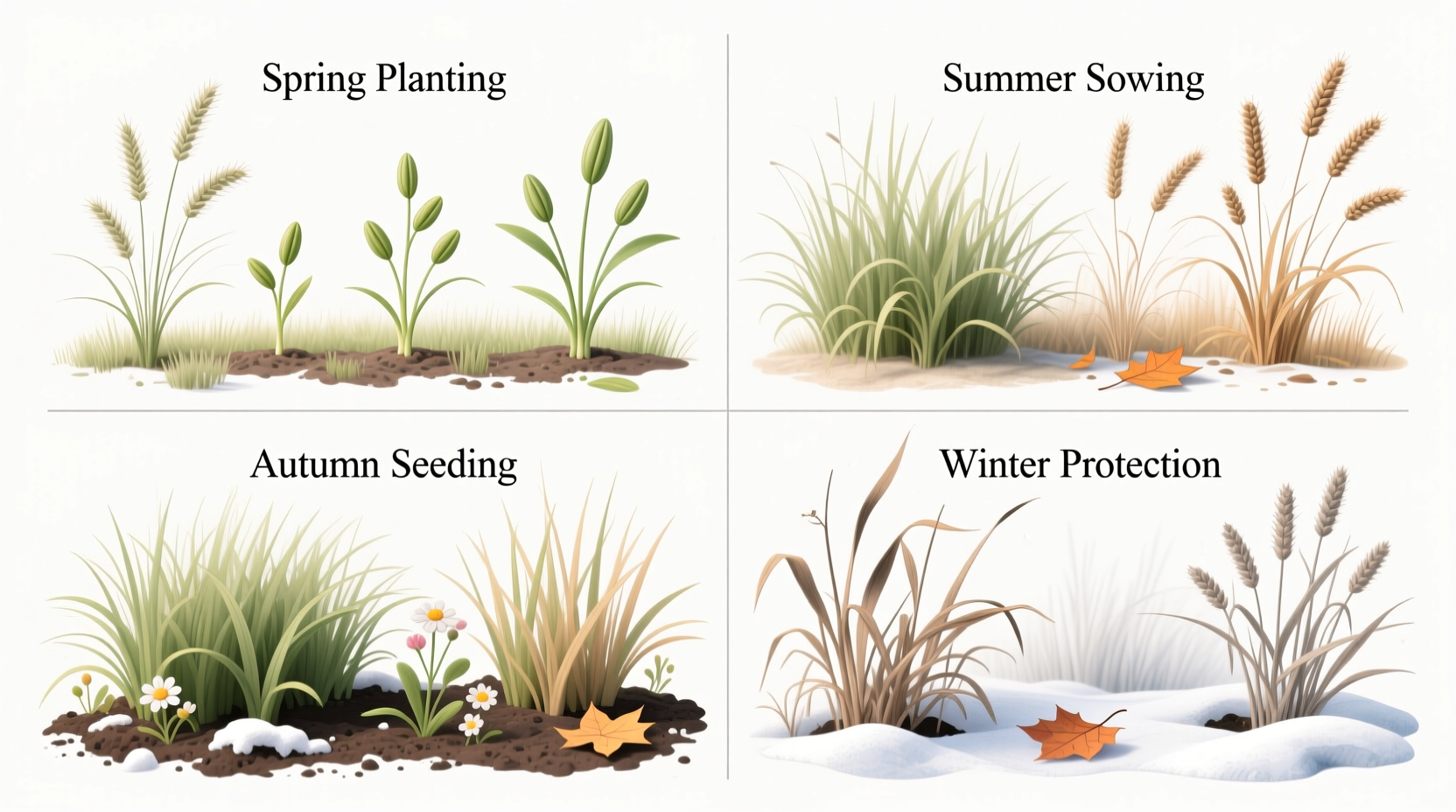
Choosing the right window for sowing wildflower seeds is the foundation of a successful planting. In Zone 5, two main windows exist: spring planting and fall (dormant) planting.
Spring Planting Window
- Timing: Late April to mid-May (after soil reaches 55°F and last frost has passed)
- Ideal For: Annual wildflowers, quick-blooming mixes, and areas with high spring moisture
Pros:
- Fast germination as soil warms, allowing for a rapid burst of color and pollinator activity in the first growing season.
- Immediate establishment for annuals, which can fill gaps in perennial plantings and provide instant visual appeal.
- Lower risk of seed predation over winter, as seeds are less likely to be eaten by birds or rodents before sprouting.
Cons:
- More weed competition: Spring soils favor both wildflowers and weeds, so diligent weed control is necessary.
- Requires regular watering if spring is dry: Without consistent moisture, seedlings may struggle to establish.
Fall (dormant) Planting Window
- Timing: Late October through November (after several hard frosts, soil consistently below 50°F)
- Ideal For: Native perennial wildflowers, prairie restoration, long-term meadows
Pros:
- Mimics natural seed drop: Seeds are exposed to winter conditions, simulating the cycle of wild plants and increasing germination rates.
- Cold stratification promotes strong perennial germination, breaking natural dormancy and boosting vigor.
- Less competition from spring weeds: Seeds germinate before weeds become established, reducing the need for intervention.
Cons:
- Seed loss possible from wind, rain, or wildlife, especially in exposed sites.
- Requires careful timing to prevent premature sprouting: If a warm spell follows fall sowing, seeds may germinate and be killed by frost.
Data-driven Comparison Table
| Planting Window | Best For | Soil Temperature | Frost Risk | Key Benefits | Potential Drawbacks |
|---|---|---|---|---|---|
| Early Spring | Annuals, fast-blooming mixes | 55°F+ | Low after mid-May | Quick germination, visible blooms first year | Higher weed pressure, may require irrigation |
| Late Fall (Dormant) | Perennials, native meadows | Below 50°F | None (after ground freezes) | Natural stratification, reduced competition | Possible seed loss, delayed gratification |
Real-world Example: Prairie Restoration In Wisconsin
A Wisconsin conservation group planted a 5-acre wildflower meadow in late October, after the first hard frost. By mid-June the following year, over 80% of perennial seeds had germinated, resulting in a dense stand of native flowers and grasses. Early spring annuals were added the following year for immediate color. This two-stage approach ensured both immediate and long-term benefits, with perennial cover providing habitat for pollinators and annuals delivering instant visual impact.

Credit: lifetips.alibaba.com
Factors That Affect Wildflower Seed Germination In Zone 5
Understanding the specific elements that influence seed germination will help you fine-tune your planting strategy for Zone 5.
Soil Temperature And Moisture
- Ideal Germination Range: Most wildflowers germinate best when soil temperatures are between 55°F and 70°F. Lower temperatures can delay or inhibit sprouting, while higher temperatures may dry out soil quickly.
- Moisture: Consistent, moderate soil moisture is crucial; overly soggy soil can cause seeds to rot, while dry conditions inhibit sprouting. Monitor rainfall and supplement with irrigation if necessary, especially during dry springs.
Frost Dates And Soil Thaw
- Last Spring Frost: Typically mid-May in Zone 5, but varies by location. Use the NOAA Climate Data for local averages. Accurate frost dates help avoid premature sowing.
- First Fall Frost: Usually mid-October; signals the start of the fall planting window. Sowing after this date ensures seeds remain dormant until spring.
Seed Type: Annuals Vs. Perennials
- Annuals: Require warmer soil and benefit from early spring planting. They often bloom quickly and provide color in the first year.
- Perennials: Often need cold stratification, making late fall sowing advantageous. These species may take longer to mature but offer enduring value.
Seed Dormancy And Stratification
Many native perennials have built-in dormancy and require a period of cold, moist conditions (stratification) to germinate. Dormant fall planting naturally provides this. For example, Purple Coneflower and Prairie Smoke benefit from exposure to winter conditions, leading to robust spring germination.
Sunlight And Shade Patterns
- Full Sun: Most wildflowers need 6+ hours of sunlight daily. Sunlight is crucial for photosynthesis and healthy growth.
- Shade-Tolerant Species: Select appropriate mixes for woodland edges or north-facing slopes. Wild Blue Indigo and New England Aster tolerate partial shade.
Site Drainage And Soil Type
- Well-drained soils are critical for successful germination. Poor drainage can cause seeds to rot or seedlings to dampen off.
- Heavy clay may need amending with sand or compost. Amending soil improves aeration and water movement, supporting healthy roots.
- Use a soil test (available through Soil Science Society of America) to determine pH and nutrient levels. Most wildflowers thrive in soils with pH between 6.0 and 7.0.
Credit: lifetips.alibaba.com
Step-by-step Guide: How To Plant Wildflower Seeds In Zone 5
A methodical approach ensures the highest germination rates and long-term success for your wildflower planting in Zone 5.
Site Selection And Preparation
- Choose an Open, Sunny Location: At least 6 hours of sunlight daily. Sun exposure is vital for most wildflower species, influencing flower size, color, and abundance.
- Remove Existing Vegetation: Mow, till, or use a non-persistent herbicide if needed. Clearing the site minimizes competition and allows seeds to contact soil directly.
- Loosen the Soil: Lightly till or rake to a depth of 1-2 inches for improved seed-soil contact. Avoid deep tilling, which can bring dormant weed seeds to the surface.
- Test and Amend Soil: Adjust pH to 6.0-7.0 if necessary. Incorporate organic matter if the soil is poor, which can enhance moisture retention and nutrient availability.
Seed Selection And Mixing
- Native Seed Mixes: Choose species adapted to Zone 5 for best resilience. Local suppliers often provide regionally appropriate blends, which are more likely to thrive and support local pollinators.
- Annual/Perennial Balance: For instant color, include some annuals, but prioritize perennials for long-term sustainability. A mix of both ensures a succession of blooms.
- Carrier Material: Mix seeds with sand or vermiculite for even distribution. This prevents clumping and ensures seeds are spread uniformly.
Sowing Techniques
Spring Planting Steps
- Wait until all danger of frost has passed and soil is at least 55°F. This prevents seedlings from being killed by late cold snaps.
- Broadcast seeds evenly using hand or mechanical spreaders. Even coverage reduces bare spots and increases diversity.
- Lightly rake to ensure good seed-to-soil contact (do not bury deeper than 1/8 inch). Wildflower seeds often require exposure to light.
- Water gently but thoroughly. Maintain moisture for several weeks to support healthy sprouting.
Fall (dormant) Planting Steps
- Sow after several hard frosts, when soil is below 50°F. This timing ensures seeds remain dormant and stratify over winter.
- Distribute seeds evenly, using a carrier if necessary. Avoid sowing in areas prone to flooding, as seeds can wash away.
- Do not water; let winter precipitation provide moisture. Overwatering can cause seeds to germinate prematurely.
- Protect from wind erosion with a light mulch of clean straw if desired. Mulch helps retain seeds in place and conserve moisture.
Aftercare And Maintenance
- Watering: In spring, maintain consistent moisture for 4-6 weeks until seedlings establish. Use a soaker hose or gentle spray to avoid displacing seeds.
- Weed Control: Mow or hand-pull weeds during the first year; avoid disturbing young wildflower seedlings. Early intervention prevents weeds from outcompeting wildflowers.
- Patience: Some perennials may not bloom until their second year. Monitor growth and resist the urge to reseed prematurely.
Case Study: Home Wildflower Patch In Upstate New York
A gardener in Upstate New York (Zone 5a) followed a late fall planting protocol. Despite heavy snow cover, nearly 90% of seeds germinated the following spring, producing a succession of blooms from May to September. Weed pressure was minimal due to the dormant seeding approach. This demonstrates the effectiveness of fall planting for perennial wildflowers, even in regions with harsh winters.
Selecting The Right Wildflower Species For Zone 5
The choice of wildflower species can make or break your planting. Focus on varieties proven to thrive in Zone 5’s climate.
Top Wildflower Species For Zone 5
- Black-Eyed Susan (Rudbeckia hirta)
- Purple Coneflower (Echinacea purpurea)
- Wild Bergamot (Monarda fistulosa)
- Lupine (Lupinus perennis)
- Coreopsis (Coreopsis lanceolata)
- Butterfly Weed (Asclepias tuberosa)
- Blanket Flower (Gaillardia aristata)
- Wild Blue Indigo (Baptisia australis)
- New England Aster (Symphyotrichum novae-angliae)
- Prairie Smoke (Geum triflorum)
These species are well-adapted to the temperature fluctuations, soil types, and precipitation patterns characteristic of Zone 5. They also provide essential habitat for pollinators and native wildlife.
Annuals Vs. Perennials: What To Plant When
- Annuals: California Poppy, Plains Coreopsis, Cornflower—best for spring planting. These offer instant impact and color, but typically do not return in subsequent years unless reseeded.
- Perennials: Most native species—benefit from fall planting and natural stratification. Perennials establish strong root systems and return year after year, providing lasting beauty and ecological value.
Data Table: Bloom Periods For Top Zone 5 Wildflowers
| Species | Type | Bloom Period | Preferred Planting Window |
|---|---|---|---|
| Black-Eyed Susan | Perennial | June – September | Fall or Spring |
| Purple Coneflower | Perennial | July – September | Fall |
| Wild Bergamot | Perennial | July – August | Fall |
| California Poppy | Annual | May – July | Spring |
| Coreopsis | Perennial | June – August | Fall or Spring |
Sourcing Quality Seeds
Purchase from reputable sources specializing in native wildflowers. Look for certification from organizations like the Wild Seed Farms or your local extension service. Locally-grown seeds are more likely to succeed because they are adapted to regional conditions, supporting both plant health and local biodiversity.
Real-world Example: Pollinator Garden Success
An elementary school in southern Wisconsin planted a wildflower mix including Black-Eyed Susan, Purple Coneflower, and Butterfly Weed in late fall. The following year, the garden attracted over 15 species of native bees and monarch butterflies, providing both beauty and educational value. This demonstrates how a well-chosen seed mix can turn a simple garden into a thriving pollinator habitat.
Mistakes To Avoid When Planting Wildflowers In Zone 5
Even experienced gardeners can stumble when it comes to wildflower establishment in challenging climates. Avoid these common pitfalls for better results.
Planting At The Wrong Time
- Too Early in Spring: Seeds may rot or fail to germinate in cold, wet soil. Wait until soil warms to avoid wasted effort.
- Too Late in Fall: Seeds may sprout prematurely and be killed by frost. Monitor weather forecasts closely and aim for post-frost, pre-snow conditions.
Ignoring Soil Preparation
- Leaving Sod or Weeds Intact: Competing vegetation can outcompete wildflowers, reducing germination and bloom.
- Skipping Soil Amendments: Poor pH or drainage can stunt germination. Test and adjust soil conditions before sowing.
Improper Seed Depth
- Burying Seeds Too Deep: Most wildflower seeds require light for germination—sow no deeper than 1/8 inch. Deep sowing can prevent seedlings from emerging.
Overwatering Or Underwatering
- Spring Sowing: Too much water can rot seeds; too little dries out new sprouts. Strike a balance based on rainfall and soil conditions.
Using Inappropriate Species
- Non-Native or Invasive Varieties: These can disrupt local ecosystems. Choose regionally adapted mixes for ecological harmony.
Neglecting Aftercare
- Failing to Control Weeds: Early mowing or hand-pulling is essential in the first growing season.
- Impatience: Perennial wildflowers often need two seasons to mature and bloom fully.
Poor Seed Quality
- Low Germination Rates: Purchase only from trusted sources and check germination percentages. Seed quality affects both initial establishment and long-term success.
Real-world Example: Failed Meadow In Northern Illinois
A homeowner planted a wildflower mix in March, before soil temperatures were consistently above 55°F. Less than 30% of seeds germinated, and the patch was quickly overtaken by weeds. The following year, after reseeding in late fall and preparing the site thoroughly, the meadow flourished.
This highlights the importance of timing and preparation.
Advanced Tips For Maximizing Wildflower Success In Zone 5
For gardeners seeking exceptional results, these expert strategies can dramatically improve the outcome of your wildflower planting.
Pre-germinating Seeds Indoors
- Start Seeds in Flats: Perennials like Lupine or Coneflower benefit from 4-6 weeks of cold stratification in the refrigerator, followed by early indoor sowing. This technique can jumpstart the growing season and improve germination rates.
- Transplant Outdoors: Move seedlings to prepared beds after last frost. This reduces the risk of loss due to unpredictable spring weather.
Custom Seed Mixes
- Tailor Species to Microclimate: Mix shade-tolerant wildflowers for woodland edges, or drought-tolerant types for sandy soils. Custom blends maximize biodiversity and adaptability.
- Include Grasses: Native grasses like Little Bluestem add structure and support to meadows, providing habitat for insects and birds.
Erosion Control And Slope Plantings
- Use Erosion Blankets: On slopes, biodegradable erosion control mats help keep seeds in place during spring rains, preventing washout and improving establishment.
- Contour Planting: Follow the land’s contours to prevent runoff and maximize infiltration, ensuring seeds stay put and roots grow deep.
Combining Seeding Techniques
- Spring and Fall Sowing: For extended bloom, sow a blend of annuals in spring and perennials in fall. This staggered approach ensures color throughout the growing season.
Managing Wildlife And Pests
- Protect Young Plantings: Use netting or light straw mulch to deter birds and small mammals, which may eat seeds or uproot seedlings.
- Monitor for Invasive Weeds: Remove aggressive weeds before they set seed. Regular inspections and timely removal protect wildflower diversity.
Tracking Progress And Adjusting Practices
- Photograph Plots: Document your meadow’s progress each year to track success and adjust timing. Visual records help identify areas needing improvement.
- Soil Testing: Retest soil every 2-3 years to maintain optimal growing conditions. Adjust amendments based on changing nutrient needs.
Real-world Example: Urban Prairie In Cleveland, Ohio
A community group in Cleveland, Ohio transformed a vacant lot into a thriving wildflower meadow using a two-stage approach—dormant seeding of perennials in November, followed by spring sowing of annuals. Their use of native grasses and ongoing weed management led to a 95% establishment rate and widespread community praise. This project also helped control erosion and improve urban biodiversity.
Wildflower Seed Planting Calendar For Zone 5
Use this simple planting calendar to guide your efforts throughout the year.
| Month | Tasks | Soil Temperature | Frost Risk |
|---|---|---|---|
| March – Early April | Site prep, weed removal, soil testing | Below 50°F | High |
| Late April – Mid May | Spring sowing of annuals and fast-growing mixes | 55°F+ | Low |
| June – September | Watering, weed control, monitor growth | 65–80°F | None |
| October – November | Late fall dormant sowing of perennials | Below 50°F | None (after ground freezes) |
| December – February | Monitor site, plan for next season | Frozen | High |
Resources For Zone 5 Wildflower Gardeners
- Local Extension Offices: Offer region-specific guidance and seed recommendations, helping you adapt strategies to local climate and soil conditions.
- Native Plant Societies: Join groups like the Wild Ones Native Plants for workshops and seed swaps. Membership connects you with experts and enthusiasts.
- Online Plant Databases: The USDA PLANTS Database offers detailed information on native wildflower species, including range, soil preferences, and bloom times.
- Seed Suppliers: Reputable sources such as Prairie Moon Nursery and American Meadows provide high-quality, zone-appropriate seed mixes.
- Conservation Organizations: Nonprofits like the Xerces Society for Invertebrate Conservation offer guidance on pollinator-friendly plantings and habitat creation.
Frequently Asked Questions
What Is The Best Month To Plant Wildflower Seeds In Zone 5?
The best months are typically late April through mid-May for spring planting, and late October through November for fall (dormant) planting. The exact timing depends on soil temperature and local frost dates—aim for spring when soil is at least 55°F, or fall after several hard frosts.
Should I Plant Wildflower Seeds Before Or After The Last Frost In Zone 5?
For spring sowing, wait until after the last frost and when soil consistently reaches at least 55°F. For fall planting, sow after the first hard frosts when soil temperatures drop below 50°F to prevent seeds from sprouting before winter.
Can I Plant Wildflower Seeds In Summer In Zone 5?
Summer planting is generally not recommended in Zone 5, as high temperatures and dry conditions can inhibit germination and make establishment difficult. Stick to spring or late fall for best results.
Do Wildflower Seeds Need To Be Covered With Soil In Zone 5?
Wildflower seeds should be lightly pressed into the soil for good contact but not buried deeply—no more than 1/8 inch. Most require light to germinate. Use a rake or press with a board to ensure proper seed-soil contact.
How Long Does It Take For Wildflowers To Bloom After Planting In Zone 5?
Annual wildflowers can bloom as soon as 8-12 weeks after spring planting. Perennial wildflowers sown in fall may not bloom until their second growing season, as they require a period of cold stratification and establishment time.
With careful attention to timing, species selection, and site preparation, anyone in Zone 5 can create a thriving wildflower garden that benefits pollinators, beautifies the landscape, and offers years of enjoyment. Whether you’re restoring a prairie or simply brightening up your backyard, the right planting window and a little patience will yield spectacular results.
By embracing the unique climate challenges and opportunities of Zone 5, you’ll cultivate not only beautiful blooms but also a richer, more diverse ecosystem in your garden.