When to Plant Grass Seed in Colorado (Zone-By-Zone Guide)
Lawn can become the envy of your neighborhood—providing beauty, value, and enjoyment for years to come.
—
Deep Dive: How Colorado’s Climate Impacts Seeding Success
To truly appreciate why timing is so crucial, let’s look more closely at Colorado’s unique climate factors and how they interact with the grass seeding process.
Temperature Swings And Microclimates
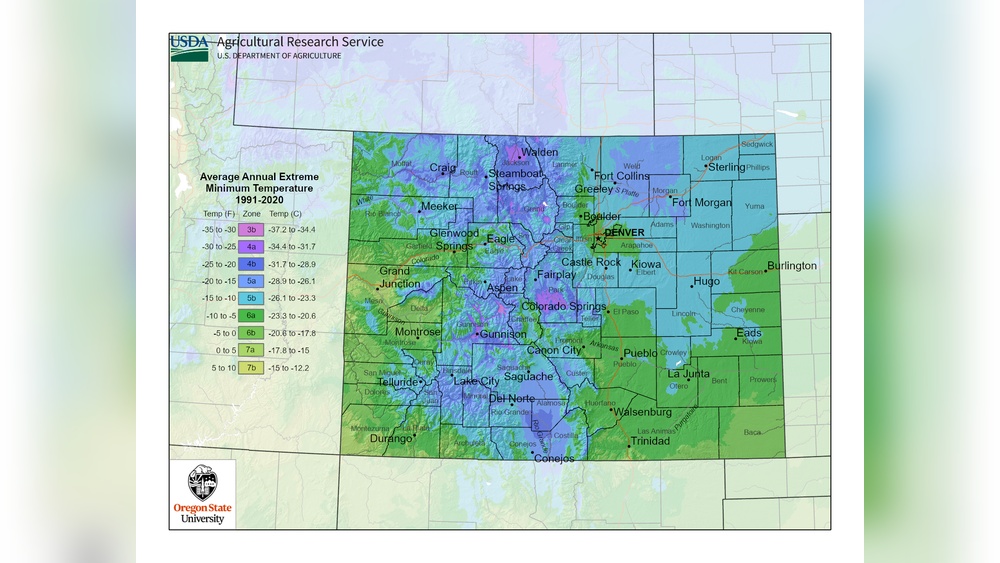
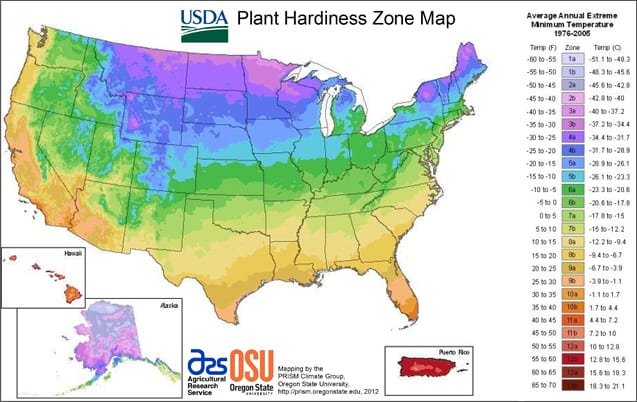
Colorado is renowned for dramatic temperature changes—sometimes as much as 40°F within a single day. This volatility can be stressful for young grass seedlings, which need stable moisture and warmth for consistent germination. For example, a spring cold snap in the Front Range can halt germination or kill delicate sprouts if seeding is mistimed.
This is why using local average last frost dates and monitoring soil temperature (rather than just air temperature) is strongly advised.
Pro tip: Invest in an inexpensive soil thermometer. Plant grass seed when the top 2 inches of soil consistently reach at least 50°F for cool-season varieties.
Sun Exposure And Wind
High elevation and thin atmosphere mean Colorado lawns get intense sunlight and, often, drying winds. These can desiccate exposed soil and newly germinated grass, especially in the plains and foothills. Using a light mulch and watering frequently are essential strategies to combat rapid evaporation.
Precipitation Patterns
While some mountain areas receive reliable spring snowmelt, much of Colorado is semi-arid. Rainfall is highly variable and often arrives in short, intense bursts. For example, the Western Slope averages just 8–12 inches of precipitation annually, while the foothills may see double that, but in unpredictable patterns.
Best practice: Supplement natural precipitation with irrigation, especially during establishment. Drip or sprinkler systems set on timers can help maintain consistent moisture without overwatering.
Expanded Grass Types: Pros, Cons, And Regional Examples
Let’s take a closer look at several grass types, their benefits, and where they excel in Colorado.
Kentucky Bluegrass
- Pros: Dense, lush appearance; recovers well from wear; cold-hardy.
- Cons: Moderately high water needs, susceptible to summer dormancy during drought.
- Best for: Front Range, Eastern Plains, irrigated urban lawns.
Tall Fescue
- Pros: Deep roots for drought resistance; tolerates shade better than bluegrass.
- Cons: Coarser leaf texture, slower to spread.
- Best for: Areas with less frequent irrigation, mixed sun/shade yards.
Buffalograss
- Pros: Exceptionally low water requirement (as little as 1/4 the water of bluegrass), no mowing needed if natural look is desired.
- Cons: Slow to establish; less tolerant of heavy foot traffic.
- Best for: Low-maintenance landscapes, large open spaces, Western Slope, and xeriscapes.
Blue Grama
- Pros: Native, drought-tolerant, attractive seedheads.
- Cons: Slow to establish, not suitable for high-traffic lawns.
- Best for: Restorative projects, native meadows, slopes.
Perennial Ryegrass
- Pros: Rapid germination, bright green color, excellent for overseeding.
- Cons: Not as cold-hardy as bluegrass or fescue; may not persist as well over multiple seasons.
- Best for: Quick fixes, overseeding existing lawns, erosion-prone sites.
Bermudagrass
- Pros: Heat and drought tolerant, recovers well from damage.
- Cons: Goes dormant (brown) in winter, can become invasive.
- Best for: Lower elevations, full-sun, southern Colorado.
Example: In Pueblo, homeowners have successfully established Bermudagrass lawns that stay green through the hottest summer months with minimal water, while bluegrass would typically struggle.

Credit: www.gardenia.net
Step-by-step: Preparing Your Site Like A Pro
Detailed Soil Testing
Soil testing is often overlooked but is the foundation of success. Many garden centers and Colorado State University Extension offices offer affordable soil test kits. These tests check for pH, organic matter, and nutrient levels (nitrogen, phosphorus, potassium).
Actionable tip: If your soil is too alkaline (above pH 7.5), add elemental sulfur or organic matter to lower pH and increase nutrient availability.
Removing Old Grass And Weeds
If you’re renovating an existing lawn, remove old sod and weeds using a sod cutter or non-selective herbicide (applied weeks before seeding). This prevents competition and gives new seed room to thrive.
Improving Soil Structure
For compacted or heavy clay soils, add 1–2 inches of organic compost and rototill it in. For sandy soils, blend in organic matter to improve water retention. Level and lightly compact the area with a roller or your feet to create a firm seedbed that still has enough air space for roots.
:max_bytes(150000):strip_icc()/USDAGardeningZone_2026-aad21d873d5e4a54bac12130a503b496.png)
Credit: www.marthastewart.com
Watering Guide: How Much And When
- Germination (first 2–3 weeks): Water lightly and often—2–4 times daily for 5–10 minutes, keeping the seedbed moist but not soggy.
- Post-germination (weeks 4–8): Reduce to once daily, then 2–3 times per week, increasing the duration to encourage deeper rooting.
- After establishment (2–3 months): Deep, infrequent watering is best—1–2 times per week, depending on rainfall and grass type.
Example: A Fort Collins lawn established with tall fescue thrived with twice-weekly deep soakings after 6 weeks, showing better drought resistance than a bluegrass lawn watered shallowly every day.
Credit: lifescapecolorado.com
More Case Studies: Lessons From The Field
Case Study 4: Overcoming Weeds In A Greeley New Build
A Greeley homeowner struggled with aggressive crabgrass after seeding in late spring. The following year, they timed seeding for mid-August, used certified seed, and applied a light straw mulch. The result: 80% fewer weeds and a denser lawn, thanks to reduced weed pressure in the fall and improved soil prep.
Case Study 5: Native Grass Restoration In Boulder Foothills
A land manager on a 10-acre property used a drill seeder to plant a blue grama and western wheatgrass mix in early December. The seeds overwintered and sprouted vigorously with spring rains. The site now supports native pollinators and requires only annual mowing.
Expert Tips For Long-term Lawn Health
Aeration And Overseeding
Annual core aeration—pulling small plugs of soil from the lawn—improves root growth and water infiltration. Follow up with overseeding to fill in thin areas and improve turf density.
Seasonal Fertilization
- Early Fall: Apply a balanced fertilizer to support new growth and root development.
- Late Spring: Light application to jump-start green-up.
Avoid heavy fertilization in midsummer, which can stress cool-season grasses.
Integrated Pest Management
Monitor for pests and diseases, and address issues early. Use cultural practices (proper mowing, irrigation, and fertilization) to minimize the need for chemical controls.
Frequently Asked Questions – Expanded
What About Lawns At High Elevations Above 8,000 Feet?
At elevations above 8,000 feet, growing seasons are extremely short, and winters are long. Native grasses such as blue grama or wheatgrass are often the best options, and dormant seeding is usually more reliable than spring or fall seeding. Consider consulting with local extension agents for site-specific advice.
Can I Seed Just Before A Snowstorm?
Yes, especially for dormant seeding. Sowing seed just before a predicted snowstorm allows the snow to gently cover and settle the seed, improving soil contact and moisture retention.
Is Hydroseeding Worth It For Homeowners?
Hydroseeding is excellent for large or sloped sites, providing even coverage and good moisture retention. However, for small lawns, traditional broadcast or slit-seeding is more cost-effective.
Resources For Further Learning
- [Colorado State University Extension – Lawn Care Fact Sheets](https: //cmg.extension.colostate.edu/gardening-resources/online-garden-publications/lawn-care/)
- [Plant Select: Waterwise Plants for the West](https://plantselect.org/)
- [EPA WaterSense – Lawn Watering Tips](https: //www.epa.gov/watersense/how-much-water-does-your-lawn-really-need)
- [Turfgrass Producers International](https: //www.turfgrasssod.org/)
—
Establishing a lawn in Colorado requires more than just tossing down seed and hoping for the best. Success hinges on understanding your regional climate, selecting the right grass species, and timing your seeding for maximum germination and growth. By following the proven, zone-specific strategies detailed above—and being ready to adjust based on your yard’s unique conditions—you’ll be well positioned for a thick, healthy lawn that stands up to Colorado’s climate challenges.
Take the time to plan, prepare, and care for your new turf, and you’ll enjoy a beautiful, functional landscape that benefits your home, your family, and the environment.