How To Save Seeds From Basil Plant
Basil, a beloved herb in kitchens and gardens worldwide, is more than just a fragrant addition to meals. For home gardeners, saving seeds from basil plants offers a path to self-sufficiency, sustainability, and even cost savings. By mastering seed-saving techniques, you can ensure a continuous supply of your favorite basil varieties, maintain unique flavors, and preserve genetic diversity.
Whether you’re cultivating classic Genovese, spicy Thai, or rare purple basil, learning to save seeds empowers you to become a steward of your own garden’s future.
While it might seem straightforward, the process of saving basil seeds involves timing, patience, and attention to detail. Mistakes, like harvesting too early or storing seeds improperly, can lead to poor germination rates or even loss of unique heirloom traits.
This comprehensive guide walks you step by step through the journey of basil seed saving, from understanding basil’s life cycle to storing seeds for maximum viability. Along the way, you’ll discover real-world examples, data-backed advice, and practical strategies to help you succeed, even if you’re new to gardening.
Key Takeaways
- Basil seed saving is accessible to gardeners of all skill levels and promotes sustainability.
- Proper identification of mature basil seeds is crucial for high germination rates.
- Cleaning and drying seeds thoroughly is essential to prevent mold and maintain seed health.
- Storage conditions directly impact seed viability, with ideal environments being cool, dry, and dark.
- Saving seeds supports genetic diversity and helps preserve rare basil varieties.
- Real-world examples show that home-saved basil seeds can outperform commercial packets in certain conditions.

Credit: www.youtube.com
Understanding The Basil Plant Life Cycle
To successfully save seeds from a basil plant, it’s essential to understand its growth stages, pollination mechanisms, and the types of basil most commonly grown. This knowledge underpins every step of the seed-saving process.
Basil Varieties And Their Implications For Seed Saving
Basil (Ocimum basilicum) encompasses over 60 varieties, each with unique growth habits and flavors. The most popular types include:
- Genovese basil: Sweet, classic Italian basil ideal for pesto.
- Thai basil: Distinct anise flavor, purple stems.
- Lemon basil: Citrusy aroma, smaller leaves.
- Purple basil: Ornamental and culinary uses.
Some varieties, like Genovese and Thai, are particularly prized for seed saving due to their culinary popularity and adaptability. However, different types can cross-pollinate if grown nearby, especially when flowering simultaneously, potentially leading to hybrid seeds with unpredictable traits.
Basil Flowering And Pollination
Basil is an annual herb, typically completing its life cycle in one growing season. Flowering is triggered by maturity or environmental stress. Once buds appear, they open into small white or purple flowers arranged in spikes.
- Basil is primarily self-pollinating, but bees and other insects can facilitate cross-pollination, especially in open gardens.
- If you wish to maintain a pure strain, grow only one variety or separate different types by at least 150 feet (as recommended by seed-saving organizations).
Seed Development Timeline
After pollination, basil flowers fade and develop into small, green seed pods (calyces). Over several weeks, these pods dry and turn brown, signaling that seeds inside are maturing. The entire process, from flowering to mature seed, can take 4, 6 weeks depending on weather and variety.
Example: In my experience growing Genovese basil in a temperate climate, flowering began in midsummer, with seeds ready for harvest by early fall, about 40 days after the first flowers appeared.

Credit: fignut.com
Identifying The Right Time To Harvest Basil Seeds
Harvesting basil seeds at the optimal moment is crucial for seed quality and future germination success. Harvesting too early leads to immature, non-viable seeds; too late, and seeds may fall or become moldy.
Signs Of Seed Maturity
Basil seed pods provide several visual and tactile cues:
- Color Change: Pods turn from green to brown or tan.
- Texture: Pods feel dry and brittle to the touch.
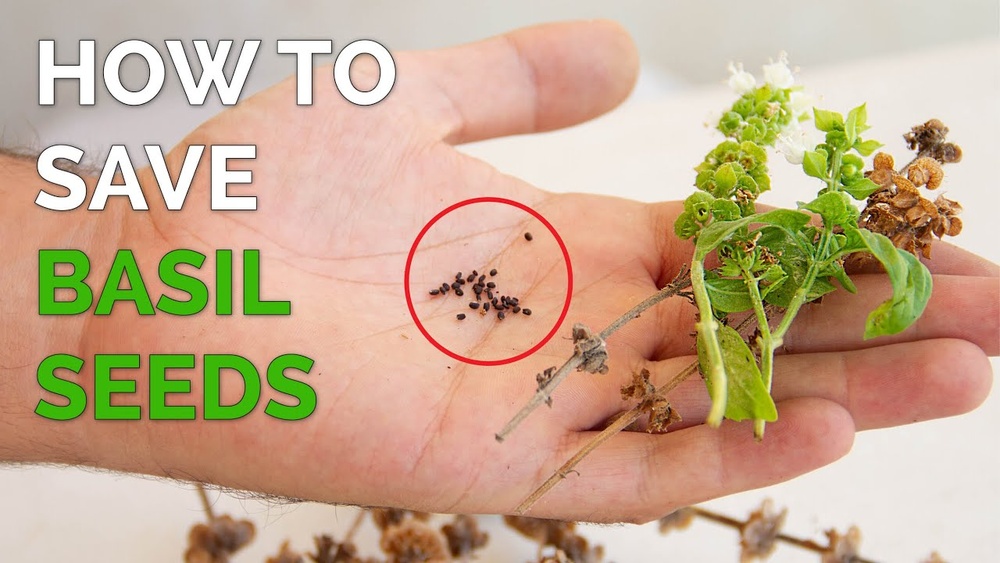
- Seed Appearance: Mature seeds inside are small, black, and oval-shaped.
- Shattering: Pods may start to split open naturally, occasionally dropping seeds.
Timing By Climate And Region
Environmental conditions influence the best harvest window. In regions with long, warm summers, basil may set seed in late summer or early fall. In cooler climates, seed development might occur closer to the end of the growing season.
Pro Tip: Monitor your basil daily as pods begin to brown, since a heavy rain or wind can cause mature seeds to scatter before you collect them.
Avoiding Common Mistakes
- Harvesting Green Pods: Immature seeds are pale and less likely to sprout.
- Waiting Too Long: Overripe pods may drop seeds or attract pests.
- Harvesting After Rain: Wet pods increase the risk of mold during storage.
Case Study: Timing Impacts On Seed Viability
A small-scale urban gardener in California compared two batches of basil seeds: one harvested when pods were still green, another when pods were fully brown and dry. Germination tests showed that the mature, brown-pod seeds had a 90% sprouting rate, while green-pod seeds dropped to just 25%.

Credit: journeywithjill.net
Step-by-step Process: Harvesting And Cleaning Basil Seeds
Harvesting and cleaning basil seeds involves both technique and patience. Each step matters to ensure the highest quality seeds for future planting.
Harvesting Basil Seed Pods
- Select Healthy Plants: Choose robust, disease-free basil plants for seed saving.
- Cut Flower Spikes: Use clean scissors or pruners to snip mature, dry flower spikes in the morning, when dew has evaporated.
- Collect in Paper Bags: Place cut spikes upside down in paper bags. This prevents seed loss and allows further drying.
Drying The Seed Pods
- Air Drying: Hang or lay flower spikes in a warm, dry, well-ventilated area for 5, 7 days.
- Monitor for Mold: Discard any spikes showing signs of mold or rot.
- Check Dryness: Pods should crumble easily when squeezed.
Extracting Seeds
- Crush Pods Gently: Over a clean tray or large sheet of paper, gently crush the dried pods between your fingers.
- Separate Seeds from Chaff: Use a fine sieve or blow gently to winnow away the lightweight chaff, leaving behind the heavier black seeds.
- Inspect Seeds: Remove any debris, immature, or damaged seeds.
Cleaning And Drying Seeds
- Fine Cleaning: Use a mesh strainer to further separate seeds from fine plant material.
- Final Drying: Spread seeds in a single layer on a plate or screen for 2, 3 additional days to remove residual moisture.
Example: A community garden group in Chicago reported that air-dried basil seeds, cleaned thoroughly and dried for a full week, showed no signs of mold after six months in storage, compared to seeds stored damp, which lost viability quickly.
Comparison Table: Basil Seed Cleaning Methods
| Method | Seed Cleanliness | Effort Required | Risk of Damage | Best For |
|---|---|---|---|---|
| Hand Crumbling | Moderate | Low | Minimal | Small batches |
| Sieve/Screening | High | Moderate | Low | Medium batches |
| Mechanical Threshing | Very High | High | Moderate | Large batches |
Ensuring Genetic Purity And Preventing Cross-pollination
Maintaining the desired characteristics of your basil variety requires attention to genetic purity. Cross-pollination between basil varieties can result in hybrid seeds with unpredictable flavors, aromas, or growth habits.
Understanding Basil’s Pollination Habits
- Self-Pollinating Traits: Basil flowers are designed to self-pollinate, but open flowers attract pollinators that can transfer pollen between different varieties.
- Hybridization Risks: If you’re growing multiple types of basil, seeds may not “come true” to type.
Isolation Techniques
- Distance Isolation: Separate different basil varieties by at least 150 feet (as recommended by Seed Savers Exchange).
- Physical Barriers: Use row covers or mesh netting to block pollinators from reaching flowers.
- Time Isolation: Stagger planting times so that only one variety flowers at a time.
Bagging Individual Flower Spikes
For small-scale gardens, enclosing flower spikes in fine mesh bags before they open can prevent cross-pollination. Remove the bags once pods begin to brown and dry.
Pro Tip: Label Your Basil Varieties
Always label plants and saved seeds by variety and harvest year. This helps track traits and prevents mix-ups, especially if you grow several types.
Case Study: Preserving A Rare Thai Basil Strain
A gardener aiming to preserve a unique Thai basil strain used mesh bags and strict labeling to avoid cross-pollination. Over three years, the seeds remained true to the original flavor and purple-stemmed appearance, outperforming purchased seeds that showed variation.
Best Practices For Storing Basil Seeds
Proper storage is vital for maintaining seed viability, the ability of seeds to sprout in subsequent seasons. Environmental factors, such as temperature and humidity, play a major role in seed longevity.
Ideal Storage Conditions
- Cool Temperatures: Store seeds at 32, 41°F (0, 5°C) for best results. Home refrigerators work well if seeds are sealed against moisture.
- Low Humidity: Aim for less than 40% relative humidity. High humidity leads to mold and premature sprouting.
- Darkness: Keep seeds in opaque containers or dark locations to prevent light-induced degradation.
Storage Containers
- Paper Envelopes: Allow seeds to “breathe” and prevent moisture buildup.
- Glass Jars with Desiccant: Add silica gel packets to absorb excess moisture.
- Plastic Bags: Suitable if fully dry and kept in a controlled environment.
Longevity And Germination Rates
Basil seeds typically remain viable for 3, 5 years under optimal conditions. However, germination rates decline each year.
| Year in Storage | Estimated Germination Rate |
|---|---|
| 1 | 90, 95% |
| 2 | 80, 85% |
| 3 | 70, 75% |
| 4 | 60, 65% |
| 5+ | 50% or less |
Labeling And Inventory
Always write the variety name and harvest date on the container. Track your inventory to avoid sowing old, low-viability seeds.
Pro Tip: Periodic Germination Testing
Every year, test a few seeds by sprouting them on a damp paper towel. This helps you gauge viability before planting large numbers.
Comparing Home-saved Basil Seeds Vs. Commercial Seeds
Saving your own basil seeds offers both advantages and challenges compared to purchasing commercial seed packets. Understanding these differences can help you make informed decisions for your garden.
Cost And Sustainability
- Home-Saved Seeds: Cost nothing after initial plant investment; promote self-reliance and reduce packaging waste.
- Commercial Seeds: Provide convenience and access to certified disease-free stock, but incur recurring costs.
Genetic Diversity And Adaptation
- Home-Saved Seeds: May adapt to your local microclimate over several generations, potentially improving performance.
- Commercial Seeds: Often bred for broad adaptability but may not be tailored to your specific conditions.
Quality Control And Purity
- Home-Saved Seeds: Risk of accidental hybridization if isolation is inadequate.
- Commercial Seeds: Usually pure but may lose unique heirloom traits.
Germination Rates
Both home-saved and commercial seeds can achieve high germination rates if handled and stored properly. However, commercial seeds are often tested for viability before sale.
Comparison Table: Home-saved Vs. Commercial Basil Seeds
| Aspect | Home-Saved Seeds | Commercial Seeds |
|---|---|---|
| Cost | Free (after initial plant) | $2, $5 per packet |
| Adaptation | Locally adapted | General adaptation |
| Genetic Purity | Variable (depends on isolation) | High (certified) |
| Germination Rate | 80, 95% (if stored well) | 85, 98% (guaranteed) |
| Seed Diversity | Preserves unique traits | Standardized traits |
Example: Community Garden Experience
A community garden in Boston compared home-saved Genovese basil seeds with commercial packets over three years. Home-saved seeds adapted to the site’s unique conditions, resulting in robust plants and slightly higher yields than the commercial seeds by the third year.
Troubleshooting Common Problems In Basil Seed Saving
Even experienced gardeners can encounter challenges when saving basil seeds. Identifying and addressing these issues preserves seed quality and ensures future success.
Poor Seed Set
- Causes: Inadequate pollination, extreme weather, pest damage.
- Solutions: Encourage pollinators, protect plants during heat waves, or hand-pollinate flowers.
Mold And Rot
- Causes: Harvesting damp pods, insufficient drying, high humidity storage.
- Solutions: Always dry pods thoroughly; use silica gel or another desiccant in storage containers.
Low Germination Rates
- Causes: Harvested immature seeds, improper storage, old seeds.
- Solutions: Harvest only mature, brown pods; store in cool, dry place; use fresh seed stock.
Accidental Hybridization
- Causes: Growing multiple basil varieties together.
- Solutions: Isolate varieties, use mesh bags, or stagger flowering times.
Pest Contamination
- Causes: Seeds stored with plant debris may harbor insect eggs or larvae.
- Solutions: Clean seeds thoroughly and freeze for 48 hours before storing to kill pests.
Pro Tip: Seed Viability Testing
If you suspect low seed viability, perform a germination test by placing 10 seeds between moist paper towels in a plastic bag. Check for sprouting after 5, 7 days to estimate your germination percentage.
Real-world Examples: Basil Seed Saving Success Stories
Learning from other gardeners’ experiences can provide valuable insights and inspiration. Here are three concise, real-world examples highlighting different approaches to basil seed saving.
Urban Balcony Gardener In New York
A hobbyist in Manhattan grew a single pot of purple basil on her balcony. By allowing one plant to flower and set seed, she harvested enough seeds to share with friends and replant the following year. Careful labeling and air-drying in her kitchen prevented mold, and her seeds exhibited a 92% germination rate in year two.
Educational School Garden In Oregon
A middle school science class saved seeds from their Thai basil plants, using mesh bags to prevent cross-pollination with nearby sweet basil. Students learned to identify mature pods and practiced hand-cleaning seeds. The saved seeds maintained the characteristic purple stems and spicy flavor, supporting a successful replanting for the next year’s class.
Heirloom Seed Project In Texas
A group dedicated to preserving heirloom basil varieties used distance isolation and detailed record-keeping to maintain genetic purity. Over five years, their home-saved seeds retained strong flavor profiles and adapted to the region’s hot, dry summers, unlike commercial seeds which sometimes struggled in extreme heat.
Advanced Seed Saving Tips For Experienced Gardeners
For those looking to refine their basil seed saving, advanced techniques can enhance seed quality and genetic preservation.
Selective Breeding
- Identify Superior Plants: Choose the healthiest, most flavorful, and disease-resistant plants for seed saving.
- Rogue Outliers: Remove off-type or weak plants before flowering to avoid undesirable traits in future generations.
Successive Selection
Over multiple seasons, save seeds only from the best-performing plants. This encourages adaptation to your specific climate and soil conditions.
Controlled Cross-pollination
If you wish to breed your own basil variety, intentionally cross-pollinate selected plants using a small brush, then bag the flowers to prevent further pollen transfer.
Seed Bank Participation
Join a seed bank or exchange, such as the Seed Savers Exchange, to contribute to genetic diversity and access rare basil types.
Long-term Storage
For maximum longevity, store seeds in airtight containers in a freezer. Before use, allow the container to reach room temperature before opening to avoid condensation and seed damage.
Frequently Asked Questions
What’s The Difference Between Basil Seeds And Chia Seeds?
Although basil (Ocimum basilicum) and chia (Salvia hispanica) seeds are both used in drinks and desserts in some cultures, they are botanically unrelated. Basil seeds, often called “sabja” or “tukmaria” in South Asian cuisine, are smaller and swell in water like chia seeds but have a different nutrient profile and flavor.
Can I Save Seeds From Supermarket Basil Plants?
You can save seeds from supermarket basil if the plant is allowed to flower and set seed. However, many supermarket plants are hybrids or selected for fast growth rather than flavor, so seeds may not “come true” to the parent plant.
For best results, use seeds from non-hybrid, open-pollinated varieties.
How Do I Know If My Saved Basil Seeds Are Still Good?
Seed viability naturally declines over time. To test, place 10 seeds on a damp paper towel, fold it, and seal in a plastic bag. Keep warm and check after 5, 7 days. If most seeds sprout, your batch is still viable.
Otherwise, consider starting with fresh seeds.
Why Are My Basil Seeds Not Germinating?
Common causes include old or improperly stored seeds, planting too deep, or using compacted or overly wet soil. Basil seeds need light to germinate, so sow them just on the surface and keep soil moist but not waterlogged.
Is It Possible To Save Seeds From Perennial Basil Varieties?
Some perennial basil types, such as African blue basil, are sterile and do not produce viable seeds. These must be propagated by cuttings rather than seed. Always check your variety’s characteristics before attempting to save seeds.
Saving seeds from basil plants is a rewarding practice that connects you to the full cycle of your garden. With attention to timing, careful harvesting, proper cleaning, and smart storage, you can enjoy robust, flavorful basil year after year, while also preserving rare traits and fostering local adaptation.
By embracing these techniques, you not only reduce dependence on commercial seeds but also contribute to a resilient, biodiverse garden ecosystem.