How to Preserve Pepper Seeds for Planting (Step-By-Step)
Saving seeds from your favorite pepper plants is an age-old gardening tradition, allowing you to grow the same varieties year after year and even adapt them to your local conditions. Whether you’re a backyard enthusiast or a small-scale farmer, knowing how to properly preserve pepper seeds can ensure robust, healthy plants and a bountiful harvest for seasons to come.
The process involves more than simply harvesting and storing; it requires careful selection, cleaning, and preservation techniques to maintain seed viability.
With the increasing popularity of heirloom and rare pepper varieties, mastering the art of seed preservation is a valuable skill. It not only saves money but also empowers you to contribute to the preservation of biodiversity and food security. This guide will walk you through every step of the process—from choosing the best peppers for seed saving to optimal storage methods—backed by research and real-world examples.
By the end, you’ll be equipped with actionable strategies to confidently preserve pepper seeds for planting, ensuring success in your next growing season.
Key Takeaways
- Select mature, disease-free peppers from open-pollinated varieties for the highest seed quality and viability.
- Proper cleaning and drying of seeds are critical to prevent mold and increase storage longevity.
- Storage conditions—specifically low humidity, cool temperatures, and darkness—are key to maintaining germination rates.
- Labeling and tracking seed batches helps maintain genetic integrity and planting success.
- Testing germination before planting saves time and optimizes garden planning.
- Preserving pepper seeds is cost-effective and supports heirloom biodiversity.

Credit: www.rainbowgardens.biz
Understanding Pepper Seed Biology
The first step to preserving pepper seeds is understanding their unique biological traits. Pepper plants (Capsicum spp.) are predominantly self-pollinating, but cross-pollination can occur, especially outdoors where insects are present. This factor influences seed purity and should inform your seed-saving strategy.
Pepper Seed Structure And Viability
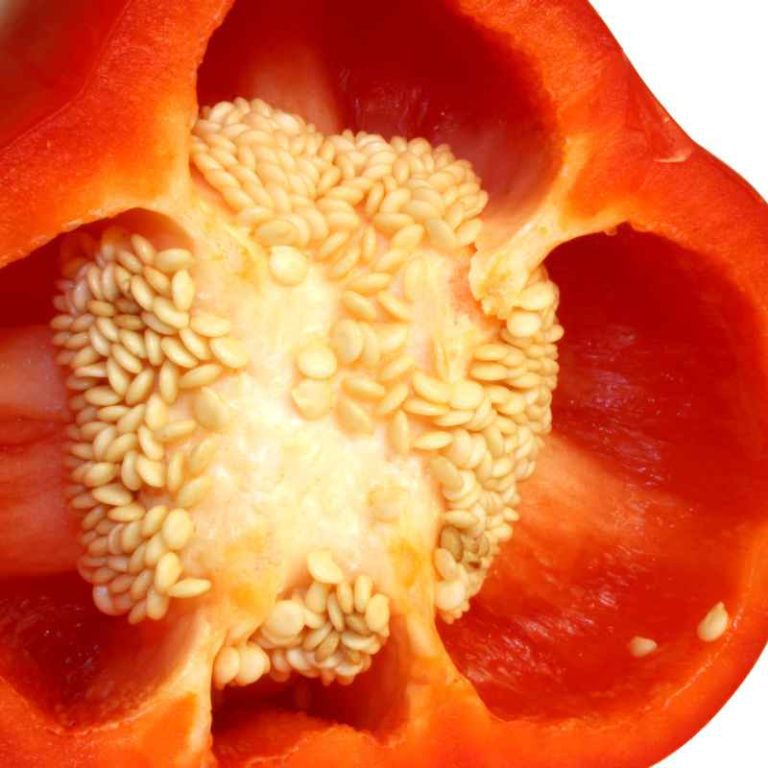
Pepper seeds are small, flat, and encased within the fruit’s placenta. The outer coat, or testa, of the seed protects the embryo inside from physical damage and from desiccation. Under optimal conditions, pepper seeds can remain viable for up to 2-4 years. However, viability decreases over time, especially if seeds are exposed to moisture, light, or fluctuating temperatures. Some studies have shown that with exceptional care, seeds stored at sub-freezing temperatures in air-tight containers can retain moderate germination rates for even five years or longer, but this is the exception rather than the rule.
The longevity of pepper seeds is influenced by several factors, including the method of drying, the initial maturity of the seed, and the presence or absence of pathogens. Seeds that are not fully mature or are harvested from green, unripe fruit tend to have much lower germination rates and are more susceptible to early deterioration.
Open-pollinated Vs. Hybrid Seeds
For successful seed preservation, it’s crucial to distinguish between open-pollinated and hybrid pepper varieties:
- Open-pollinated (OP): These varieties breed true to type, producing plants identical to the parent. Saving seed from OP peppers maintains the unique characteristics of the variety, ensuring consistency in fruit size, color, flavor, and plant vigor.
- Hybrid (F1): Seeds from these often result in unpredictable offspring due to mixed genetics. Hybrid seeds are the result of crossing two genetically distinct parent plants, and their offspring may revert to traits from either parent or show unexpected characteristics, such as altered fruit shape or reduced vigor.
Always save seeds from open-pollinated or heirloom varieties if you wish to replicate the parent plant’s characteristics. Many seed companies label packets accordingly, so check for “OP” or “heirloom” when planning your seed-saving efforts.
Pollination And Isolation
While peppers are self-pollinating, cross-pollination rates can range from 2% to 30% depending on environmental factors (Wikipedia: Capsicum). Factors influencing cross-pollination include the presence of pollinating insects like bees, proximity of different pepper varieties, and environmental conditions such as wind and humidity.
To ensure genetic purity:
- Isolate different pepper varieties by at least 150 feet. Greater distances may be needed in areas with high pollinator activity.
- Use physical barriers, such as mesh bags, to prevent insect-mediated cross-pollination. Bagging individual blossoms or entire branches is highly effective for preventing unwanted crosses, especially in smaller gardens.
If isolation distances are impossible, consider hand-pollinating flowers and bagging them to guarantee pure seeds.
Seed Dormancy And Germination
Unlike some seeds, pepper seeds exhibit little dormancy and can germinate soon after harvest if conditions are right. However, a brief post-harvest rest period of 2-4 weeks can improve germination rates. This short dormancy allows for rapid propagation, but storing seeds for at least a month before sowing can synchronize and improve sprouting.
Pepper seed germination is also sensitive to temperature and moisture. Optimal germination typically occurs at soil temperatures of 75-85°F (24-29°C). Lower or higher temperatures can significantly reduce the speed and percentage of germination.

Credit: www.youtube.com
Selecting The Right Peppers For Seed Saving
Not every pepper is suitable for seed preservation. Selection is a critical first step that determines the quality and success of your future crops.
Criteria For Seed Selection
To maximize seed viability and plant health, select peppers based on these criteria:
- Full maturity: Seeds from fully ripe peppers (red, orange, yellow, etc.) Have the highest germination rates. Immature seeds are often pale, thin, and less viable, while mature seeds are plump and have a tan or beige color.
- Disease-free fruit: Avoid peppers with signs of rot, mold, or insect damage. Pathogens and pests can be transmitted through seeds, leading to poor germination or sickly seedlings.
- True-to-type plants: Choose peppers that exhibit the desired traits of the variety (size, shape, flavor, productivity). Saving seeds only from the healthiest and most productive plants helps maintain or improve the variety over time.
Additionally, consider the uniformity of the parent plant. Saving seeds from a plant that shows off-type or undesirable characteristics can introduce unwanted variation in future generations.
Identifying Maturity In Peppers
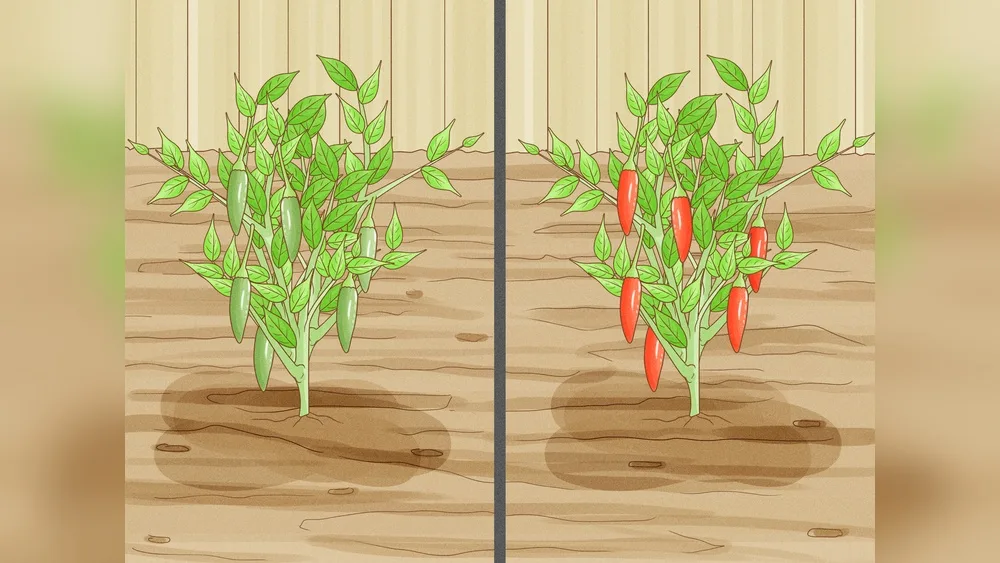
Peppers reach physiological maturity when their color changes from green to their final hue (red, orange, yellow, or purple). At this stage, the seeds inside are fully developed and ready for harvest. In some varieties, fully mature fruit may start to wrinkle or soften, which is a sign that seeds are at their peak viability.
If you’re unsure whether a pepper is mature, gently cut one open and inspect the seeds. Mature seeds are usually firm, plump, and tan or brownish, while immature seeds are soft, small, and pale.
Avoiding Hybrid Pitfalls
Never save seeds from hybrid (F1) varieties unless you are intentionally breeding for new characteristics, as their offspring may display unpredictable traits. Hybrid seeds can lead to disappointing results in flavor, yield, or plant health, making them unreliable for seed saving.
Real-world Example: Heirloom Jalapeño Selection
A gardener in Texas consistently selects the largest, thickest-walled jalapeños from his open-pollinated plants. Over several seasons, his saved seed line has produced plants with improved fruit size and disease resistance, demonstrating the power of careful selection. By tracking which plants performed best and only saving seeds from those, he has tailored his jalapeño crop to thrive in his local climate and soil conditions, showing the value of intentional, selective seed saving.
Harvesting And Extracting Pepper Seeds
Once you’ve selected the ideal peppers, the next step is to properly harvest and extract the seeds.
Harvesting At Peak Ripeness
Wait until peppers are fully ripe before harvesting. For most varieties, this means leaving the fruit on the plant until it has completely changed color and begins to soften slightly. Leaving peppers on the plant for an extra week or two after color change can further improve seed maturity.
- Use clean, sharp scissors or pruners to avoid damaging the plant. This is especially important if you plan to harvest more peppers from the same plant.
- Handle peppers gently to avoid bruising or crushing seeds. Damaged seeds are more susceptible to mold during drying and may not germinate well.
If you need to harvest peppers before a frost or due to plant decline, allow them to finish ripening indoors in a warm, sunny spot before extracting seeds.
Extracting Seeds: Step-by-step
- Wash your hands and tools to prevent contamination. Using gloves is especially recommended for hot peppers to avoid skin irritation.
- Slice the pepper lengthwise and gently pull the fruit apart. Be careful not to crush the seeds.
- Remove the placenta (white core) holding the seeds. This is where most seeds are attached and where capsaicin is most concentrated in hot varieties.
- Gently rub seeds off the placenta using your fingers or a clean spoon. Avoid scraping too hard, which can damage seeds.
For extremely hot peppers, use disposable gloves and avoid touching your face or eyes. Some gardeners prefer to work in a well-ventilated area or even outdoors to avoid inhaling capsaicin vapors.
Cleaning And Separating Seeds
- Place seeds in a bowl of water. Viable seeds typically sink, while hollow or immature seeds float. This simple float test helps remove non-viable seeds and residual pulp.
- Skim off floating debris and pour the good seeds onto a paper towel or fine mesh sieve.
Using water to separate seeds also helps reduce the risk of fungal contamination and improves drying efficiency.
Real-world Example: Small-scale Seed Extraction
A community garden in Oregon organizes annual seed-saving workshops. Members use gloves to handle hot peppers and separate seeds in small batches, minimizing cross-contamination and maximizing seed quality. They have found that using multiple small bowls and changing water between varieties reduces the risk of mixing seeds and preserves genetic purity.

Credit: www.wikihow.com
Cleaning, Drying, And Curing Pepper Seeds
Proper cleaning and drying are essential to prevent mold and ensure long-term storage.
Washing Seeds (optional)
For sweet peppers, washing seeds is optional but can help remove residual fruit. For hot peppers, washing can reduce capsaicin residue, making seeds easier to handle. Some growers prefer to use a very mild soap solution, followed by several rinses, to further reduce pathogens—especially if disease is a concern.
- Rinse seeds in a fine mesh strainer under cool running water.
- Swirl gently to avoid damage.
- Pat seeds dry with a paper towel before spreading them out to dry.
Washing is not always necessary, but it can improve the appearance of the seeds and reduce the risk of disease.
Drying Techniques
Moisture is the enemy of seed preservation. To dry seeds effectively:
- Spread seeds in a single layer on a non-stick surface (ceramic plate, wax paper, parchment paper, or fine mesh screen).
- Place in a well-ventilated, shaded area at room temperature (60-75°F). Circulating air with a small fan can speed the drying process and reduce mold risk.
- Avoid direct sunlight, which can damage seed viability and cause uneven drying.
Drying time: 5-14 days, depending on humidity and airflow. Seeds in humid climates may take longer to dry. In very dry environments, seeds may dry in as little as 4-5 days, but check for complete dryness before storage.
Ensuring Complete Dryness
Test dryness by bending a seed. If it snaps cleanly, it’s dry; if it bends or feels rubbery, continue drying. Another method is to bite a seed gently—it should be very hard and not yield to pressure. If you store seeds that are even slightly damp, they are likely to develop mold or rot.
Curing For Longevity
After drying, allow seeds to cure at room temperature for an additional 2-3 weeks in a breathable container. This step helps stabilize moisture content and further improves germination rates. Place seeds in a paper envelope or a loosely covered jar to allow remaining moisture to escape before sealing for long-term storage.
Data Table: Pepper Seed Drying Methods And Effectiveness
| Drying Method | Drying Time | Mold Risk | Seed Viability Retention (%) |
|---|---|---|---|
| Open Air (Room Temp) | 5-14 days | Low | 95% |
| Food Dehydrator (Low Heat) | 2-4 days | Very Low | 90% |
| Oven (Lowest Setting) | 1-2 days | High | 75% |
| Sun Drying | 3-7 days | Moderate | 80% |
Tips For Preventing Mold
- Ensure seeds are spread out, not piled. Layering seeds increases the risk of moisture pockets where mold can thrive.
- Stir seeds daily to promote even drying.
- Use silica gel packets nearby to absorb excess moisture, especially in humid climates. Alternatively, place seeds in a container with dry, uncooked rice for passive moisture absorption.
Storing Pepper Seeds: Conditions, Containers, And Longevity
Proper storage is the final key to preserving pepper seeds for planting, directly impacting germination rates and seed health.
Ideal Storage Conditions
Seeds last longest when kept in cool, dry, and dark environments. The recommended parameters:
- Temperature: 32-41°F (refrigerator is ideal). Basement storage can also work if the area remains cool year-round.
- Humidity: Less than 8% relative humidity. High humidity accelerates seed aging and promotes mold.
- Darkness: Store in opaque containers, away from sunlight. Light can trigger premature germination or degrade seed quality.
According to the “Rule of 100” (University of Minnesota Extension), the sum of temperature (°F) and relative humidity (%) should not exceed 100 for optimal seed longevity. For example, 40°F storage at 60% humidity is not ideal, while 40°F at 8% humidity is excellent.
Choosing The Right Containers
- Glass jars with airtight lids: Ideal for long-term storage. Mason jars, baby food jars, or any small glass container with a tight seal work well.
- Paper envelopes: Suitable for short-term, provided humidity is low. Envelopes are easy to label and organize but should be kept in a secondary sealed container if humidity is a concern.
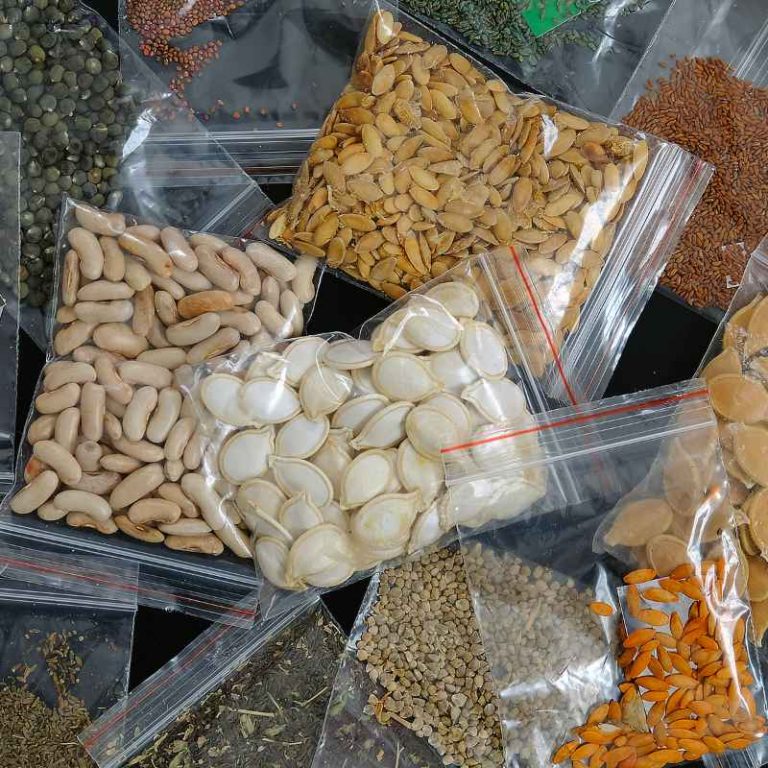
- Plastic bags with desiccant: Ensure bags are thick and airtight to avoid moisture infiltration. Mylar bags with zip seals are an excellent option for both small and large quantities.
For maximum security, store seed envelopes or plastic bags inside a sealed glass jar with a silica gel packet. This creates multiple layers of protection against moisture.
Labeling And Record Keeping
Accurate labeling prevents confusion and maintains genetic records. Include:
- Variety name (e.g., ‘Corno di Toro’, ‘Jalapeño M’, ‘Padrón’)
- Harvest date
- Source and any notable plant traits (e.g., “Large fruit, disease resistant, early harvest”)
Maintain a logbook or digital spreadsheet for tracking batches and germination rates. Consistent record-keeping is invaluable for tracking the performance of your seed-saving efforts over the years and helps identify the most successful parent plants.
Storage Longevity Comparison Table
| Storage Container | Humidity Control | Expected Viability (Years) | Best Use Case |
|---|---|---|---|
| Glass Jar + Silica Gel | Excellent | 3-4 | Long-term, multiple seasons |
| Paper Envelope | Poor | 1-2 | Short-term, quick planting |
| Plastic Zip Bag + Desiccant | Good | 2-3 | Medium-term, organized storage |
| Commercial Seed Vault | Excellent | 5+ | Heirloom and rare seed preservation |
Real-world Example: Seed Bank Practices
The Svalbard Global Seed Vault stores seeds at -18°C in sealed containers, ensuring viability for decades (Crop Trust). While not practical for home gardeners, this underscores the importance of low temperature and humidity. Many community seed banks emulate these principles on a smaller scale by using old refrigerators, dehumidifiers, and careful labeling to maximize the shelf life of their seeds.
Protecting Against Pests
Store seeds away from food sources and inspect regularly for signs of pests such as weevils or rodents. Freezing seeds for 48 hours before long-term storage can kill potential insect eggs. Just be sure seeds are thoroughly dry before freezing, as moisture can cause ice crystals that damage the seed embryo.
For added protection, place seeds in a sealed container within a larger pest-proof bin or cabinet. Routine inspection and good housekeeping practices are key to preventing infestations.
Testing Seed Viability And Germination
It’s wise to test a small sample of your preserved pepper seeds before planting to ensure high germination rates and avoid disappointment.
Simple Germination Test
- Dampen a paper towel and place 10 seeds on it.
- Fold and seal in a plastic bag to retain moisture.
- Keep at 75-85°F for 7-10 days, checking periodically to ensure the towel stays moist.
- Check for sprouting; count the number of seeds that germinate.
A germination rate above 75% is considered excellent for pepper seeds, but even rates above 60% can be acceptable with older seeds or less-than-ideal storage.
Factors Affecting Germination
- Age of the seed (older seeds generally have lower germination)
- Storage conditions (temperature, humidity, light exposure)
- Initial seed quality (maturity, absence of disease or pests)
- Pre-sowing treatments (e.g., soaking, scarification)
Environmental factors such as planting depth, soil temperature, and moisture at sowing time also play a role, but initial viability is set by how well the seeds were preserved.
Interpreting Results
- 8-10 sprouts: High viability. You can plant with confidence.
- 5-7 sprouts: Moderate, plant extra seeds to account for lower germination.
- <5 sprouts:Poor, consider sourcing new seeds or using all remaining seeds for best chance.
Document the results and adjust your planting plan accordingly. If your seeds are borderline, you can still use them, but increase your sowing density.
Reviving Older Seeds
If seeds are older or have marginal germination, try soaking them in warm water for 12-24 hours before planting. Some gardeners use a dilute hydrogen peroxide solution (about 1-2% concentration) to stimulate germination and reduce microbial contamination (ScienceDirect: Seed Priming). Another option is to use seaweed extract or a commercial seed-starting solution.
Scarification (gently nicking the seed coat) is generally not necessary for pepper seeds, but can be tried if other methods fail.
Real-world Example: Germination Tracking
An urban gardener in Chicago tracks germination rates annually. By adjusting storage conditions and seed selection, she improved her average pepper seed germination from 60% to over 90% in three years. She uses a spreadsheet to record each variety, storage method, and test results, enabling her to refine her process each season.
Troubleshooting Common Problems In Pepper Seed Preservation
Despite best efforts, issues can arise during seed preservation. Understanding and addressing these challenges is key to long-term success.
Mold And Fungal Contamination
Causes:
- Incomplete drying before storage
- High humidity in storage area
- Contaminated fruit or tools
Solutions:
- Dry seeds thoroughly before storing (test for brittleness)
- Add silica gel packets or dry rice to containers
- Store in a cool, dry location
- Discard visibly moldy seeds immediately to prevent spreading
Poor Germination Rates
Causes:
- Old or improperly stored seeds
- Unripe or hybrid seed sources
- Disease or pest damage
Solutions:
- Test seed viability annually
- Use only mature, open-pollinated seeds
- Replenish seed stock regularly and select for healthy parent plants
Cross-pollination Issues
Causes:
- Proximity of different pepper varieties during flowering
- Lack of isolation or physical barriers
Solutions:
- Isolate varieties by distance or barriers such as mesh bags
- Save seeds from a single variety at a time
- Label batches clearly to prevent confusion
Pests And Rodents
Causes:
- Inadequate container sealing
- Storage in accessible locations
- Presence of food or organic matter nearby
Solutions:
- Use airtight, rodent-proof containers
- Store seeds in cool, secure locations such as a dedicated refrigerator or sealed cabinet
- Regularly inspect and clean storage areas
Real-world Example: Mold Outbreak
A seed-sharing group in the Pacific Northwest lost a year’s worth of pepper seeds due to an unexpected humidity spike in their storage closet. After switching to glass jars with silica gel and moving storage to a basement refrigerator, they have not had a recurrence.
Their experience highlights the importance of consistent monitoring and prompt corrective action when problems arise.
Advanced Tips And Best Practices For Seed Savers
For gardeners looking to elevate their seed-saving game, these expert tips can further enhance seed quality, longevity, and genetic stability.
Rotating Seed Stock
Even under ideal conditions, seed viability diminishes over time. Rotate your stock by:
- Sowing the oldest seeds first to ensure none go to waste
- Replenishing with fresh seeds every 2-3 years to maintain high germination rates
- Keeping backup samples in separate locations for insurance against loss
Maintaining Genetic Diversity
- Save seeds from at least 5-10 plants of the same variety to avoid inbreeding depression and genetic bottlenecking. This practice maintains vigor and adaptability in your seed line.
- Mix seeds from multiple fruits and plants for each batch to ensure a broad genetic base.
- Avoid saving seeds from only the first or last fruits of the season, as these may have been produced under stress or less ideal conditions.
Participating In Seed Exchanges
Engage with local seed libraries or online exchanges to diversify your collection and share unique varieties. Examples include the Seed Savers Exchange (Seed Savers Exchange) and community seed banks.
Seed exchanges are a fantastic way to access rare or regionally adapted varieties, and to contribute your own well-adapted strains to the wider gardening community.
Documentation And Tracking
Keep detailed records of each seed batch, including:
- Parent plant traits (disease resistance, yield, flavor, color, earliness)
- Environmental conditions during growth and harvest (weather, soil, pests)
- Germination rates and storage methods
- Isolation measures used to prevent cross-pollination
A dedicated notebook or digital document ensures that future generations (or even your future self) can trace the lineage and performance of each seed batch.
Using Technology
Apps and spreadsheets can simplify tracking, especially for larger collections. Some gardeners use barcodes or QR codes for easy batch identification and digital record keeping. There are even specialized gardening apps designed for seed inventory management.
Real-world Example: Community Seed Library
A library in California catalogues seeds with detailed histories, tracking traits and germination rates over generations. This practice has led to the successful adaptation of rare pepper varieties to the region’s unique climate, and has fostered a sense of community stewardship and pride.
Linking To Authoritative Resources
For more in-depth guidance, refer to the International Seed Saving Institute (International Seed Saving Institute) and university extension resources like the University of California Master Gardener Program (UC Master Gardener). These organizations offer free, research-based advice and connect gardeners with local experts.
Frequently Asked Questions
What Is The Best Way To Dry Pepper Seeds At Home?
The best method is to spread seeds in a single layer on a non-stick surface in a shaded, well-ventilated area at room temperature. Avoid direct sunlight and high heat, which can damage seed viability. Stir seeds daily to ensure even drying.
For humid climates, adding a small fan or using a food dehydrator set to low temperatures can help speed the process and reduce mold risk.
How Long Do Pepper Seeds Remain Viable In Storage?
Under optimal conditions—cool temperatures (32-41°F), low humidity (<8%), and darkness—pepper seeds typically remain viable for 2-4 years. Some well-preserved batches may last up to 5 years, but germination rates decline over time. Always test older seed batches for viability before planting.
Can I Save Seeds From Store-bought Peppers?
You can, but results vary. Many store-bought peppers are hybrids or may have been picked before full maturity, leading to unpredictable offspring and lower germination. For best results, save seeds from ripe, open-pollinated, or heirloom peppers. If possible, source peppers from local farmers or seed exchanges who can verify the variety.
How Can I Prevent Cross-pollination Between Pepper Varieties?
To maintain seed purity, isolate varieties by at least 150 feet or use physical barriers like mesh bags over flowers. Only save seeds from one variety at a time if space is limited. Hand-pollination and immediate bagging of flowers is another reliable method, especially in small gardens.
Is It Safe To Store Seeds In The Refrigerator Or Freezer?
Yes, both can extend seed longevity, provided seeds are fully dry and stored in airtight containers. Add silica gel packets to control humidity. Freezing seeds for long-term storage is safe if done properly and can kill potential pests. Always allow seeds to return to room temperature before opening containers, to prevent condensation from forming on the seeds.
Preserving pepper seeds is a rewarding and empowering process that deepens your connection to gardening and food security. By following the evidence-based steps outlined here—selecting the right peppers, thoroughly drying and curing seeds, storing them in optimal conditions, and testing for viability—you’ll ensure a steady supply of healthy, vibrant plants year after year.
Whether you’re safeguarding a family heirloom variety or experimenting with rare peppers from around the globe, your careful preservation efforts will pay dividends in every harvest. Happy growing!