Is Fall a Good Time to Plant Grass Seed? Here’S the Truth
As the vibrant greens of summer fade into the fiery hues of autumn, homeowners and landscapers alike turn their attention to lawn care. One of the most frequently debated questions in turf management is: Is fall a good time to plant grass seed? While many associate spring with new growth, experts consistently rank fall as the optimal window for seeding lawns in most regions. This article dives deep into the science, horticultural recommendations, and real-world experiences to uncover the truth behind fall grass seeding.
Understanding when and how to seed your lawn is crucial for achieving that lush, resilient turf that stands out in your neighborhood. Timing impacts everything from seed germination and root development to weed suppression and long-term turf health. Whether you’re renovating a patchy lawn or establishing new turf, the information here will empower you with actionable strategies, data-driven insights, and practical comparisons—so you can confidently decide if fall is the right season for your seeding project.
Key Takeaways
- Fall is widely regarded as the best season to plant grass seed in cool-season regions due to ideal soil temperatures and reduced weed competition.
- Grass seed germinates faster and more uniformly in fall because of warm soil, cool air, and consistent moisture.
- Establishing turf in fall leads to stronger root systems, making lawns more resilient against drought and disease.
- Proper timing within the fall season is critical; seeding too late can expose seedlings to winter kill.
- Warm-season grass regions may benefit more from late spring or early summer seeding—know your grass type and local climate.
- Preparation, seed selection, and care techniques all influence fall seeding success; following best practices maximizes results.
Credit: www.latimes.com
Why Fall Is Considered The Ideal Season For Grass Seeding
The Science Behind Soil And Air Temperatures
The key to successful grass seed germination is a combination of warm soil and cool air. During fall, soil temperatures typically remain in the 50–65°F (10–18°C) range—ideal for most cool-season grass species like Kentucky bluegrass, fescues, and ryegrass. At the same time, air temperatures drop, reducing heat stress on emerging seedlings.
This temperature combination encourages rapid root growth while allowing the grass to focus energy on establishing below-ground structures rather than excessive top growth. Roots that develop in fall continue to grow until soil temperatures dip below 40°F (4°C), even after the grass appears dormant above ground.
This extended root growth period gives fall-seeded lawns a robust foundation heading into winter.
In contrast, spring soil can be slow to warm, delaying germination. Early spring rains may lead to overly wet conditions, impeding proper seed-to-soil contact and oxygen flow, both of which are vital for sprouting. Summer heat can be too intense for young grass, leading to desiccation and heat stress, while winter brings the risk of frost and dormancy before roots are established.
Reduced Weed Pressure
Weed competition is one of the biggest threats to new lawns. In fall, many aggressive weeds like crabgrass and goosegrass are dying back, and annual weed seeds are not actively germinating. This gives your grass seed a head start with less competition for nutrients, sunlight, and water.
Additionally, the cooler temperatures of fall inhibit the germination of most warm-season and annual weeds, which are prolific in spring and summer. By seeding in fall, you effectively minimize the window in which weeds can establish themselves alongside your new turf.
This reduced competition allows the grass seedlings to access vital resources, such as nitrogen and sunlight, without being crowded out by invasive species.
More Consistent Rainfall
Autumn often brings more regular rainfall, providing natural irrigation for newly seeded lawns. This reduces the need for supplemental watering and helps maintain the consistent moisture levels essential for seed germination.
Even in areas where rainfall can be unpredictable, the cooler fall weather means that moisture loss through evaporation is significantly less than during the summer months. This consistent moisture environment is crucial for the delicate germination process, where even brief periods of drought can halt progress or kill young seedlings.
In regions prone to fall storms, mulching with straw or using erosion blankets can help prevent seed washout and retain moisture.
Lower Disease And Pest Pressure
Many lawn diseases and insect pests are less active in fall. Cooler temperatures and reduced humidity decrease the risk of fungal outbreaks, while insect populations dwindle as the season progresses.
Diseases such as dollar spot, brown patch, and summer patch are most prevalent during warm, humid conditions. By seeding in fall, you take advantage of the natural decline in both pathogenic fungi and lawn-damaging insects like grubs and chinch bugs.
Less disease pressure means a greater chance that your seedlings will thrive without needing chemical controls, which can be risky on immature turf.
Stronger Root Development Before Winter
Grass seeded in fall has weeks to establish roots before winter dormancy. This strong root system enables turf to green up quickly in spring and withstand the stresses of summer heat and drought.
A well-developed root system acts as a reservoir for water and nutrients, helping your lawn recover quickly from winter and resist environmental challenges throughout the following year. This early investment in root health pays dividends in the form of reduced maintenance, lower water bills, and a more resilient lawn.
Real-world Example: University Extension Recommendation
According to the Pennsylvania State University Extension, “Fall is the best time to seed most cool-season lawns because soil temperatures are still warm, and annual weed pressure is minimal.”
Credit: lifetips.alibaba.com
Comparing Fall Seeding Vs. Other Seasons
Data-driven Comparison Table
To make an informed decision, it helps to compare fall seeding with spring, summer, and even dormant (late winter) seeding.
| Season | Soil Temp | Weed Competition | Rainfall | Disease Risk | Root Development Time | Success Rate |
|---|---|---|---|---|---|---|
| Fall | Optimal | Low | Consistent | Low | Long (before winter) | High |
| Spring | Cool to Warming | High | Variable | Moderate | Medium | Medium |
| Summer | Too Hot | High | Dry/Variable | High | Short | Low |
| Dormant (Late Winter) | Too Cold | Low | Snow/Melt | Low | Variable (delayed start) | Variable |
Seasonal Pros And Cons
Fall Seeding Advantages:
- Fast, uniform germination
- Less weed and disease pressure
- More time for root growth
- Less stress on seedlings due to moderate temperatures
- Natural reduction of pests and competition
Fall Seeding Disadvantages:
- Risk of seeding too late (before first frost)
- Limited window in colder climates
- Potential for heavy autumn rains to wash seeds away if not properly mulched
Spring Seeding Advantages:
- Opportunity to repair winter damage
- Long growing season ahead
- Easier to monitor germination as lawns become active again
Spring Seeding Disadvantages:
- Higher weed competition
- Soil may be too wet or cold, leading to rot or delayed germination
- Higher disease pressure with warming temperatures
- Possible need for more intensive weed management
Summer Seeding:
- Generally not recommended for cool-season grasses due to heat and drought stress
- Rapid drying can lead to seedling loss
- High weed and pest pressure
Dormant Seeding:
- Can be effective but timing is critical; seeds may wash away or rot if not managed carefully
- Germination does not occur until soil temperatures rise in spring
- May be less predictable compared to fall seeding
Case Study: Midwest Homeowner Results
A homeowner in Iowa seeded their lawn in both spring and fall over two consecutive years. Fall-seeded areas showed 30% higher density and reduced weed intrusion compared to spring-seeded patches, as documented by before-and-after photos and maintenance logs.
In addition, the homeowner reported that fall-seeded sections needed less irrigation and fewer spot treatments for weeds the following summer. This direct comparison underscores the practical benefits of fall seeding for cool-season lawns.
Credit: www.capecod.gov
Best Grass Types For Fall Planting
Cool-season Grasses: The Top Performers
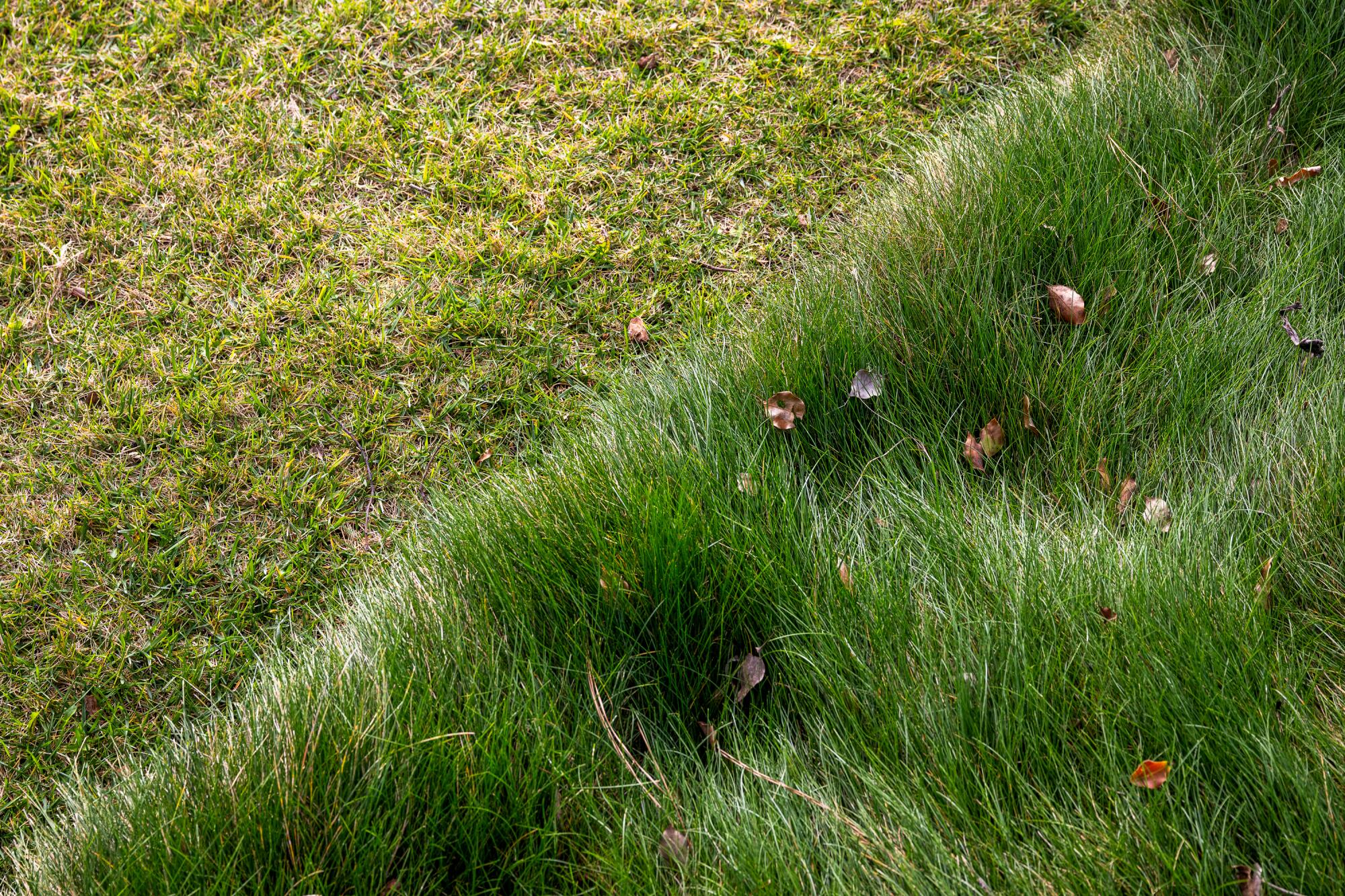
Fall seeding is particularly effective for cool-season grasses, which include:
- Kentucky Bluegrass: Excellent cold tolerance, dense turf, but slower to germinate (14–21 days).
- Perennial Ryegrass: Rapid germination (5–7 days), fine texture, good for overseeding.
- Tall Fescue: Deep-rooted, drought tolerant, germinates in 7–14 days.
- Fine Fescues: Shade tolerant, low maintenance, prefers cooler climates.
| Grass Type | Germination (Days) | Shade Tolerance | Drought Resistance |
|---|---|---|---|
| Kentucky Bluegrass | 14–21 | Moderate | Moderate |
| Perennial Ryegrass | 5–7 | Low | Low |
| Tall Fescue | 7–14 | Moderate | High |
| Fine Fescues | 7–14 | High | Moderate |
For areas with partial or heavy shade, fine fescues are an excellent choice due to their adaptability. Tall fescue’s deep root system makes it a favorite for lawns with poor irrigation or those exposed to periods of summer drought.
Warm-season Grasses: Special Considerations
For warm-season grasses (like Bermudagrass, Zoysiagrass, and Centipedegrass), fall is not ideal for seeding. These species prefer late spring to early summer, when soil temperatures consistently exceed 65°F (18°C). Fall-seeded warm-season grasses may not establish before cold weather, leading to winter kill.
Warm-season grasses grow best when the days are long and temperatures are high. Attempting to seed them in fall often results in poor establishment and wasted seed, as these species do not have enough time to develop adequate roots before winter sets in.
Overseeding Warm-season Lawns
In southern regions, fall is sometimes used for overseeding dormant warm-season lawns with ryegrass to maintain winter color, but this is different from establishing permanent turf.
This practice is common on golf courses and sports fields in the Southeast and Southwest, where the goal is to have a green playing surface year-round. The ryegrass will dominate in the cool months and die off as the warm-season grass resumes growth in late spring.
Real-world Example: Pacific Northwest Lawn Success
A landscape contractor in Oregon overseeded a fine fescue blend in early September. By November, the lawn had achieved 95% coverage with minimal weed intrusion and required less water the following summer, according to maintenance records and client feedback.
This outcome demonstrates the power of matching grass type to climate and using fall’s favorable conditions for optimal results.
The Optimal Fall Seeding Window: Timing Matters
First Frost Dates And Seedling Maturity
The biggest risk with fall seeding is planting too late. Seeds need enough time to germinate, establish roots, and toughen up before the first hard freeze.
Best Practice: Seed at least 6–8 weeks before the average first frost in your area. This timing varies by region:
- Northern US: Late August to mid-September
- Mid-Atlantic & Midwest: Early to late September
- Southern cool-season zones: Late September to early October
For example, in Minneapolis, the average first frost occurs around October 10; ideal seeding would be done by late August. In Atlanta, where frost typically comes in late November, seeding can extend into October.
Consult your local agricultural extension office or the National Weather Service for frost date predictions.
Soil Preparation Timing
Prepare your soil 1–2 weeks before seeding to allow any soil amendments to settle and give you time to address drainage or grading issues.
Proper preparation ensures that the seedbed is free of compaction, thatch, and debris, allowing seeds to make good contact with the soil. If using herbicides to clear weeds, make sure to follow label recommendations for safe seeding intervals.
Weather Considerations
- Ideal: Daytime temps 60–75°F (15–24°C), soil moist but not saturated
- Avoid: Periods of drought, heavy rain forecasts, or imminent frost
Monitoring the extended weather forecast can help you avoid seeding right before a cold snap or a heavy storm, both of which can compromise success.
Real-world Example: Timing Error
A homeowner in upstate New York seeded in mid-October, just two weeks before an early freeze. Seedlings emerged but suffered winter kill, resulting in sparse spring coverage and the need for reseeding.
This underscores the importance of timing: even high-quality seed and preparation can’t overcome a late start.
Step-by-step Guide To Successful Fall Grass Seeding
1. Lawn Assessment And Planning
- Identify bare spots, thin areas, or complete renovation needs
- Determine your lawn’s sun exposure, soil type, and drainage
- Choose the best grass species for your region and site conditions
Careful assessment ensures you address underlying causes of poor turf, such as compacted soil, excessive shade, or irrigation problems, increasing the likelihood of long-term success.
2. Soil Testing And Preparation
- Test soil pH (ideal: 6.0–7.0 for most turfgrasses)
- Amend soil based on test results (add lime, sulfur, or fertilizer as recommended)
- Remove debris, weeds, and dead grass with a rake or dethatcher
- Aerate compacted soil to improve seed-to-soil contact
Aeration also helps break up thatch layers and improves water infiltration, both critical for germination. If your soil is heavy clay or sandy, consider incorporating organic matter to improve structure and nutrient retention.
3. Seeding Techniques
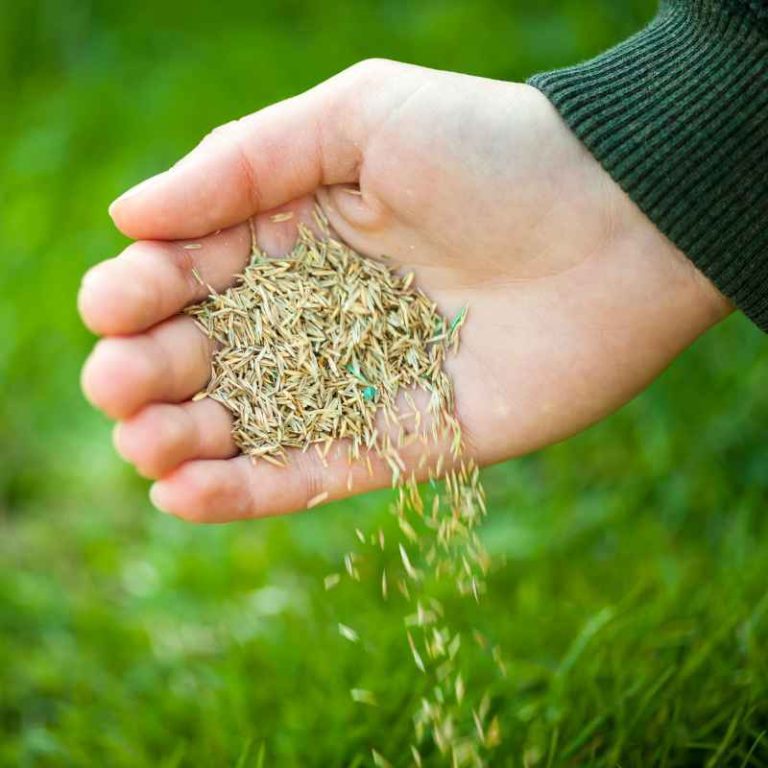
- Use a broadcast spreader for even coverage
- For bare spots, apply seed slightly heavier
- Lightly rake or drag the seed to ensure good soil contact
- Apply a thin layer of straw or seed mulch to retain moisture
In areas prone to erosion or heavy rainfall, consider using biodegradable seed blankets. For overseeding, mow the existing grass short and remove clippings before spreading seed.
4. Watering And Initial Care
- Keep soil consistently moist (not saturated) until seedlings are 2–3 inches tall
- Water lightly 1–2 times daily, reducing frequency as grass matures
- Avoid heavy foot traffic on newly seeded areas
Initial watering is the most critical phase. If seeds dry out after sprouting but before rooting, they will die. As seedlings mature, deep, less frequent watering encourages roots to grow deeper.
5. Fertilization
- Apply a starter fertilizer high in phosphorus (unless soil test indicates otherwise)
- Avoid high-nitrogen fertilizers that can burn new seedlings
Phosphorus supports strong root development, but always check local regulations, as phosphorus use is restricted in some areas to prevent water pollution.
6. Mowing And Maintenance
- Begin mowing when grass reaches 3–4 inches
- Use sharp blades and mow no more than 1/3 of the blade length
- Monitor for weeds; hand-pull if necessary (avoid herbicides until after the second mowing)
Proper mowing stimulates lateral growth and thickens the turf, but scalping can stress or uproot young grass.
Step-by-step Summary Checklist
- Test soil and amend as needed
- Clear debris and weeds
- Aerate if compacted
- Seed evenly and cover lightly
- Water consistently
- Fertilize appropriately
- Mow at proper height
- Monitor and adjust care
This comprehensive approach ensures optimal conditions for seed germination and establishment.
Common Fall Grass Seeding Mistakes (and How To Avoid Them)
Seeding Too Late
Planting too close to the first frost doesn’t give seedlings enough time to mature. Always check local frost dates and give yourself at least 6 weeks.
Poor Soil Preparation
Skipping soil testing or aeration can result in poor germination and patchy growth. Invest time in prepping the seedbed for best results.
Overwatering Or Underwatering
New seeds need consistent moisture, but waterlogged soil can rot seeds. Stick to light, frequent watering until establishment.
Using The Wrong Seed Type
Choosing the wrong species for your climate or yard conditions can lead to failure. Match seed to your local climate and sunlight conditions.
Ignoring Weeds
Failing to remove aggressive weeds before seeding allows them to outcompete your new grass. Use non-selective herbicides early or manually remove weeds.
Failing To Protect Seed
In exposed areas, wind, rain, and wildlife can reduce seed viability. Use straw mulch or seed blankets to increase your odds of success.
Example: Avoiding Common Mistakes
A community park in Ohio saw a 40% improvement in turf density after switching from spring to fall seeding, coupled with thorough soil prep and timely watering, as documented in maintenance reports.
Benefits Of Fall Seeding For Lawn Health And Longevity
Enhanced Root System
Grass seeded in fall focuses energy on root growth rather than top growth. Deep roots improve drought resistance and nutrient uptake, resulting in healthier turf.
Deep rooting also means the lawn can recover more quickly from environmental stress, such as summer drought, foot traffic, or pest outbreaks.
Thicker, More Uniform Lawns
Uniform germination and less weed pressure result in a denser, more aesthetically pleasing lawn come springtime.
A thick lawn not only looks better but also naturally suppresses weeds by outcompeting them for space and nutrients.
Lower Maintenance In Following Seasons
Well-established fall lawns require less weed control, fertilization, and watering the next year. This saves time, money, and effort for homeowners.
Because the turf is healthier and better rooted, it is less susceptible to disease and environmental damage, translating into fewer interventions and lower costs.
Improved Disease And Pest Resistance
Strong root systems and healthy turf are naturally more resistant to common lawn diseases and insect pests.
With a dense, healthy canopy, there is less open space for pests and pathogens to gain a foothold, reducing the need for chemical controls.
Environmental And Financial Benefits
- Reduced need for chemical herbicides and pesticides
- Lower water consumption
- Decreased soil erosion
- Increased property value and curb appeal
- Improved local biodiversity, as thick lawns can support pollinators and beneficial soil organisms
Example: Cost Savings
A property management firm in Minnesota reported a 25% reduction in spring weed control costs after switching all lawn renovations to fall seeding schedules.
This demonstrates not just agronomic but also significant financial incentives for choosing fall as your primary seeding season.
Troubleshooting Fall Seeding Challenges
Dealing With Poor Germination
If seeds fail to germinate, check for:
- Old or poor-quality seed
- Inadequate soil-to-seed contact
- Incorrect soil moisture levels
- Soil compaction or high thatch
Replace old seed, improve soil prep, and adjust watering as needed. If compaction is an issue, aerate the lawn before reseeding.
Managing Heavy Rains Or Erosion
Use erosion-control blankets or straw mulch on slopes. Reseed washed-out areas promptly.
In severe cases, temporary silt fences or barriers can help hold soil and seed in place until establishment.
Addressing Early Frost
If seedlings are small when frost hits, overseed lightly in spring to fill gaps.
Covering young seedlings with frost blankets for a few nights may help if an early freeze is predicted.
Controlling Persistent Weeds
Hand-pull or spot-treat weeds after seedlings are established. Avoid pre-emergent herbicides during seeding.
Persistent perennial weeds may require targeted spot treatment once the new grass is mature enough to tolerate herbicide application.
Example: Overcoming Setbacks
A school district in Illinois lost 20% of new seedlings to an early freeze. Quick spring overseeding restored full turf by summer, minimizing downtime on play fields.
This illustrates the value of resilience and adaptive management in lawn care.
Frequently Asked Questions
Is It Ever Too Late To Plant Grass Seed In The Fall?
Yes, it’s risky to seed less than 4–6 weeks before the first expected frost. Late seedlings may not survive winter. Use local frost date calculators or consult your extension office for precise timing. If you miss the window, consider dormant seeding or wait until spring.
Can I Plant Grass Seed In The Fall In Southern States?
In southern regions with warm-season grasses, fall is not recommended for establishing permanent turf. However, you can overseed with ryegrass for winter color. For permanent lawns, plant warm-season grasses in late spring or early summer when soil is consistently warm.
What Type Of Fertilizer Should I Use When Seeding In Fall?
Choose a starter fertilizer high in phosphorus (the middle number in N-P-K ratios), unless a soil test advises otherwise. Avoid excessive nitrogen, which can burn seedlings. Always follow label instructions and local regulations regarding fertilizer use.
How Do I Keep Birds And Critters From Eating My Seed?
Apply a light layer of straw mulch or seed starter mulch to cover seeds. This deters birds and helps retain moisture. Alternatively, use seed blends with a coating that repels pests. In problem areas, temporary netting may help.
Should I Use A Seed Blanket Or Straw Mulch After Seeding?
Both straw mulch and biodegradable seed blankets protect seeds from erosion, retain moisture, and promote germination. Seed blankets are ideal for slopes or erosion-prone areas, while straw works well for flat lawns. Avoid using hay, which may contain weed seeds.
Resources For Further Reading
- Gardening Know How: Fall Lawn Seeding
- The Old Farmer’s Almanac: Planting Grass Seed
- Turfgrass Group Tennessee: Why Fall is Best for Seeding
- The Lawn Institute: Lawn Care Calendar
- Cornell University Gardening: Establishing Lawns
- US EPA: Rain Gardens and Lawn Care
Planting grass seed in the fall offers a unique opportunity to achieve a thick, healthy, and resilient lawn with less effort and greater results. By leveraging the advantages of autumn weather, understanding the science behind seed germination, and following proven best practices, you can transform your turf and enjoy a vibrant green yard for years to come.
Whether you’re a first-time homeowner or a seasoned lawn enthusiast, fall seeding is a smart investment in both beauty and long-term lawn health.