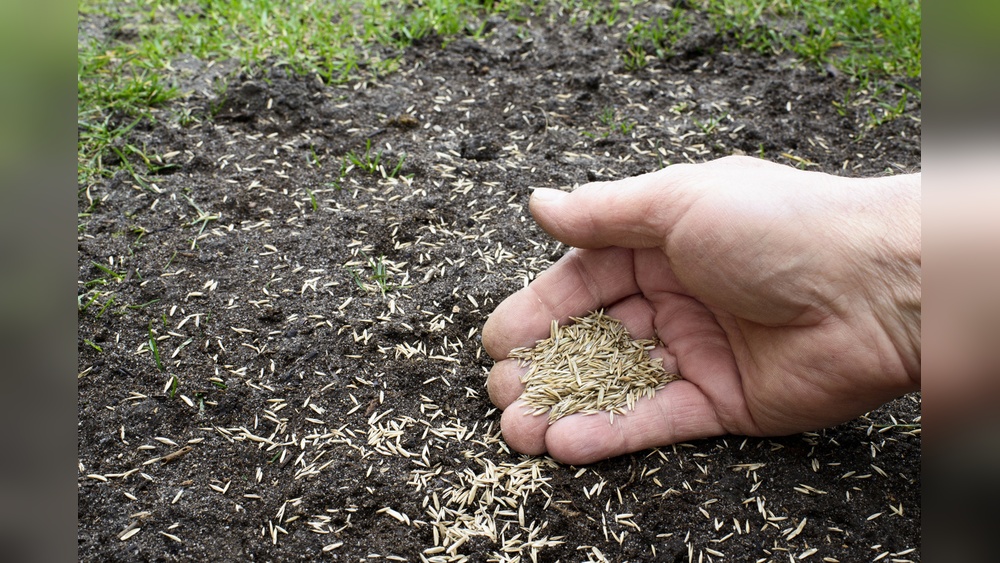
When To Plant Grass Seed In Spring
Every lush, green lawn begins with a single, well-timed decision: knowing the best moment to plant grass seed . Spring is a season of renewal, and for many homeowners and landscape professionals, it represents an ideal window to establish new turf or rejuvenate existing lawns. But timing is everything. Planting too early can result in poor germination , while waiting too long exposes tender seedlings to the stress of summer heat. Understanding the science and local variations behind optimal planting times can make the difference between a thriving yard and a patchy disappointment.
Across the United States, climate differences, grass species, and soil conditions all play critical roles in determining when to sow grass seed for the best results. This guide will provide in-depth, data-backed insights into spring grass seeding, including region-by-region timing, expert preparation steps, and troubleshooting tips.
Whether you’re a first-time homeowner or a seasoned groundskeeper, the following comprehensive advice will help you achieve a resilient, healthy lawn that stands out for seasons to come.
Key Takeaways
- The ideal time to plant grass seed in spring depends on your region, local weather patterns, and grass type.
- Soil temperature, not just air temperature, is crucial for optimal seed germination; most cool-season grasses germinate best at 50, 65°F soil temperatures.
- Preparation steps such as soil testing, clearing debris, and proper watering greatly improve seeding success.
- Common mistakes like overseeding too early or neglecting soil health can lead to poor germination and weak lawns.
- Using the right tools and techniques at each stage ensures a lush, durable lawn through summer and beyond.

Credit: www.youtube.com
Understanding Spring Grass Seeding: Timing, Science, And Regional Factors
Spring grass seeding is more complex than simply tossing seeds on the ground at the first sign of warmth. Several intertwined factors affect the success of your lawn, and understanding these is critical for both beginners and experienced lawn enthusiasts.
The Science Of Grass Seed Germination
Grass seeds require a combination of warm soil, consistent moisture, and ample sunlight to germinate effectively. The germination process begins when seeds absorb water and activate enzymes that trigger growth. For most cool-season grasses, this process starts when the soil reaches at least 50°F, with optimal results occurring between 55, 65°F. Warm-season grasses generally need higher soil temperatures, often above 65°F.
Soil temperature lags behind air temperature, particularly in early spring. Relying solely on air temperature can mislead planters into sowing too soon. A soil thermometer or local extension service data can help verify when conditions are right.
Major Grass Types And Their Growth Cycles
- Cool-season grasses (e.g., Kentucky bluegrass, perennial ryegrass, fescues) thrive in northern regions. They grow most vigorously in temperatures between 60, 75°F and are well-suited for spring planting.
- Warm-season grasses (e.g., Bermuda, Zoysia, St. Augustine) are best planted in late spring or early summer when soil temperatures exceed 65°F.
Understanding which grass type dominates your area is foundational for selecting the best planting date.
Regional Timing: When Does Spring Start For Lawns?
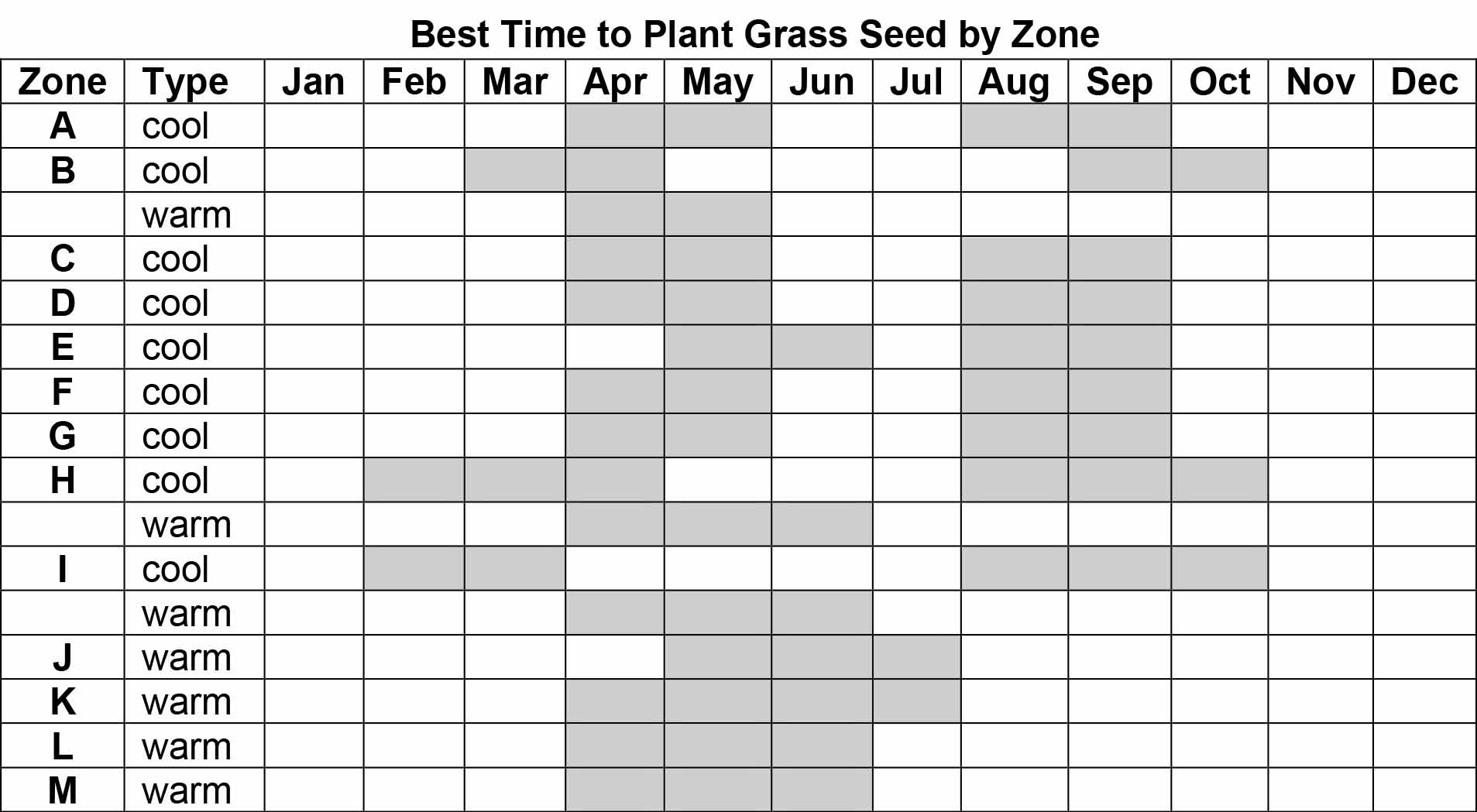
The “right” time to plant grass seed varies significantly across the U.S.:
- Northern states (Minnesota, Michigan, New York): Late March through early May
- Transitional zones (Virginia, Kentucky, Missouri): Early April through late May
- Southern states (Georgia, Texas, Florida): Late April through early June for warm-season grasses
Consulting your local cooperative extension service or university turf program provides the most precise, research-backed window for your specific location. For example, the Cornell University Turfgrass Program offers detailed timing charts for New York lawns.
Example: Comparing Timing By Region
Below is a data-driven comparison of recommended spring grass seeding windows for three U.S. regions:
| Region | Grass Type | Optimal Planting Window | Average Last Frost Date |
|---|---|---|---|
| Northeast | Cool-season | April 1, May 15 | April 15, May 1 |
| Midwest | Cool-season | March 20, May 10 | April 10, April 30 |
| Southeast | Warm-season | May 1, June 15 | March 15, April 15 |
Timing seeding just after the last frost date and when soil temperature is right is critical to avoid seedling loss from cold snaps.
The Role Of Microclimates And Weather Patterns
Local microclimates, created by urban heat islands, proximity to bodies of water, or elevation, can shift optimal planting dates by up to two weeks compared to regional averages. Monitoring real-time soil temperatures and extended forecasts allows for precision timing, reducing risk from late frosts or early heat waves.
Credit: www.pennington.com
Preparing Your Lawn: Essential Pre-seeding Steps
A well-prepared site is the foundation for a healthy lawn. Skipping preparation steps is one of the most common causes of patchy or failed grass seedings.
Soil Testing And Amendment
Begin with a soil test to assess pH, nutrient levels, and organic matter content. Most grasses prefer a slightly acidic to neutral pH (6.0, 7.0). Soil tests identify deficiencies in nitrogen, phosphorus, or potassium, and allow you to amend the soil accordingly.
- If pH is too low (acidic), apply lime.
- If pH is too high (alkaline), add sulfur or organic matter.
- Fertilize based on test recommendations, over-fertilizing can harm seedlings.
You can obtain affordable soil test kits through local extension offices or garden centers.
Clearing And Grading The Area
Remove all debris, old sod, rocks, and weeds. A clean slate prevents competition for nutrients and water. For bare areas, tilling to a depth of 2, 3 inches and raking smooth creates a loose, even seedbed. Avoid working the soil when it’s overly wet, as this can cause compaction.
- Fill in low spots to prevent water pooling.
- Slope the soil away from buildings for proper drainage.
Selecting The Right Grass Seed
Choose a high-quality seed mix suited to your climate, sunlight conditions, and soil type. Certified seed blends are tested for purity and germination rates, reducing the risk of weed contamination.
- Sun/shade mixes for yards with variable light.
- Drought-tolerant varieties for arid regions.
- Disease-resistant cultivars for humid climates.
Consult your local nursery or turf professional for recommendations tailored to your area.
Example: Preparation Checklist
Before seeding, ensure you have completed the following:
- Soil tested and amendments added
- Area cleared of debris and weeds
- Soil graded and raked smooth
- Appropriate seed mix selected
- Water source and irrigation method planned
Watering And Moisture Management
Moisture is essential for seed germination. Water the soil lightly before planting to ensure it’s evenly moist, not saturated. After seeding, maintain consistent surface moisture until seedlings are well established, typically 2, 3 weeks.
Pro Tip: Use a light mulch of straw (not hay) to retain moisture and protect against seed washout, applying just enough to cover the soil without blocking sunlight.

Credit: www.southernliving.com
The Best Time To Plant Grass Seed In Spring: Detailed Guidelines
Pinpointing the ideal spring planting window involves balancing multiple variables: regional climate, grass species, soil temperature, and local weather patterns. The following section offers a deep dive into these considerations, equipping you to make a data-driven decision.
Monitoring Soil Temperatures
Soil temperature is the single most reliable indicator for seeding readiness. Use a soil thermometer to measure temperature 2, 4 inches below the surface, ideally in the morning.
- Cool-season grasses: Plant when soil is consistently 50, 65°F.
- Warm-season grasses: Wait until soil is 65, 70°F or higher.
Daily soil temperature data is often available from local extension offices or online weather services.
Air Temperature And Frost Risk
While air temperature isn’t the primary factor, it does offer important context. For cool-season grasses, daytime highs in the 60s, 70s°F and nighttime lows above 40°F are generally suitable. Always check the average last frost date in your area, and avoid seeding before this milestone to prevent frost damage.
Weather Patterns And Rainfall
Avoid planting immediately before heavy rain, which can wash away seeds. Instead, look for a window of mild, stable weather with light, regular rainfall in the forecast. Overly dry or hot conditions quickly stress young seedlings.
Case Study: A Midwestern Homeowner’s Success
In my experience, a homeowner in central Illinois waited until mid-April, when soil temperatures reached 54°F. They pre-watered the seedbed, checked the 10-day forecast for frost risk, and completed seeding just before a stretch of cloudy, damp days. The result was a dense, uniform stand with 95% germination, far superior to a neighbor who seeded two weeks earlier and saw patchy results due to an unexpected late freeze.
Calculating Your Local Planting Window
Use the following steps to determine your optimal seeding date:
- Find your region’s average last frost date.
- Track soil temperatures daily starting two weeks before this date.
- Wait until the soil reaches the appropriate range for your grass type.
- Confirm that the 10-day forecast is free of extreme weather.
Data Table: Planting Windows By Major U.s. City
| City | Cool-Season Grass Window | Warm-Season Grass Window | Avg. Last Frost |
|---|---|---|---|
| Boston, MA | April 10, May 10 | Not recommended | April 15 |
| Kansas City, MO | March 25, May 1 | May 15, June 15 | April 10 |
| Atlanta, GA | Not recommended | May 1, June 1 | March 31 |
Adjustments For Urban And Rural Lawns
Urban areas often warm up faster due to heat retention from buildings and pavement, allowing for earlier seeding by up to a week. Conversely, rural and shaded sites may require waiting an extra week for soils to reach target temperatures.
Seeding Techniques: Methods And Tools For Success
Once you’ve nailed the timing, using the proper seeding method ensures even coverage and strong establishment. There are several proven approaches, each with specific advantages.
Broadcast Seeding
Broadcast or “overseeding” involves spreading seed evenly over the prepared soil surface using a hand or mechanical spreader. This method works well for large, open areas and is highly efficient.
- Use a rotary or drop spreader for uniform distribution.
- Apply seed in two passes at right angles for best coverage.
After seeding, lightly rake or drag the soil to incorporate seeds just below the surface (1/8 to 1/4 inch deep).
Slit Seeding
Slit or slice seeding uses a machine to cut shallow grooves in the soil and deposit seeds directly into them. This technique increases seed-to-soil contact, improving germination rates, especially in compacted or existing lawns.
- Ideal for lawn renovation projects.
- Reduces risk of seed washout or wind loss.
Hydroseeding
Hydroseeding involves spraying a slurry of seed, water, mulch, and fertilizer onto the soil. This method is popular for steep slopes or large commercial sites where erosion control is needed.
- Provides good moisture retention.
- Requires professional equipment and expertise.
Hand Seeding For Small Areas
For touch-ups or small patches, hand seeding allows precise placement. Mix seed with sand for even distribution, and press seeds into the soil using a lawn roller or the back of a rake.
Example: Comparing Seeding Methods
| Method | Best For | Germination Rate | Equipment Needed |
|---|---|---|---|
| Broadcast | Large areas, open lawns | 75-85% | Spreader, rake |
| Slit Seeding | Renovations, compacted soils | 85-95% | Slit seeder machine |
| Hydroseeding | Slopes, erosion-prone sites | 80-90% | Hydroseeder |
| Hand Seeding | Small patches, repairs | 60-75% | Hand tools, sand |
Pro Tip: Roll The Seedbed
After seeding, use a lawn roller (half-filled with water) to press seeds firmly into the soil, ensuring good contact and reducing drying out.
Watering And Early Care: Nurturing New Seedlings
Proper watering is the most critical factor in post-seeding care. Inconsistent moisture is a leading cause of patchy lawns and failed germination.
Initial Watering Schedule
- Immediately after seeding, water lightly but thoroughly to moisten the top 1 inch of soil.
- Continue watering lightly 1, 2 times daily, keeping the surface consistently moist.
- Avoid runoff or puddling, which can move seeds or cause fungal issues.
As seedlings emerge (typically within 7, 21 days, depending on species and conditions), gradually reduce frequency but increase the depth of watering to encourage deep root growth.
Mulching For Moisture Retention
Applying a thin layer of straw or specialized seed mulch helps retain soil moisture, protects seeds from birds, and prevents erosion. Use just enough to see about 50% of the soil surface through the mulch.
Mowing New Grass
Wait until the new grass reaches 3, 4 inches in height before the first mowing. Use sharp mower blades and remove only the top one-third of growth to minimize stress. Avoid heavy foot traffic until the lawn is fully established, which usually takes 6, 8 weeks.
Fertilizing After Seeding
Apply a starter fertilizer high in phosphorus at planting, only if recommended by your soil test. Avoid using “weed and feed” products until after the third mowing, as herbicides can damage tender seedlings.
Example: Early Care Timeline
- Day 0: Seed and water the area thoroughly.
- Days 1, 21: Water lightly 1, 2 times daily.
- Weeks 3, 4: Begin reducing watering frequency.
- Weeks 4, 8: First mowing; avoid heavy use.
- After 8 weeks: Resume regular lawn care schedule.
Troubleshooting Common Spring Seeding Problems
Even with the best planning, challenges can arise. Recognizing and addressing them early prevents long-term lawn issues.
Poor Germination
Causes may include:
- Planting before soil is warm enough
- Dry or compacted soil
- Old or low-quality seed
- Heavy rain washing away seed
Solution: Reseed bare patches after soil warms, improve watering routine, and use fresh, certified seed.
Weeds Overtaking Seedlings
Spring is prime time for weed germination. If weeds appear, avoid using herbicides until grass has been mowed at least three times. Hand-pull or spot-treat as needed.
Disease And Fungal Issues
Damp, cool spring conditions can promote diseases like damping-off or seedling blight.
- Ensure proper watering, never let soil stay soggy.
- Use disease-resistant grass varieties.
Birds And Wildlife Eating Seed
Cover the seeded area with netting or mulch, and use visual deterrents if bird pressure is severe.
Example: Problem-solving Case
A homeowner in Seattle seeded in mid-March, but a cold snap and heavy rain led to patchy germination. They waited until late April to reseed, covered the area with straw, and achieved a full, healthy lawn by summer.
Real-world Examples: Successes And Lessons Learned
Learning from others’ successes, and mistakes, can help you avoid common pitfalls and improve your spring seeding results.
Example 1: Urban Lawn In New Jersey
A property manager in Newark waited until mid-April to seed a shady courtyard. They used a blend of shade-tolerant fescues, tested the soil, and installed a temporary irrigation system. Consistent watering and mulch led to quick germination and a dense lawn, despite variable spring weather.
Example 2: Large Rural Yard In Nebraska
A homeowner attempted to seed in early March, before the last frost. Despite initial germination, a late snowstorm killed most seedlings. Reseeding in late April, after checking soil temperature, resulted in a thick, healthy stand.
Example 3: Hydroseeding On A Slope In North Carolina
A commercial landscaper used hydroseeding in early May on a steep, erosion-prone bank. The mulch and tackifier held the seed in place during spring rains, and by June, the area was fully covered with new grass.
These examples highlight the importance of timing, preparation, and choosing the right method for specific site challenges.
Advanced Tips For Achieving A Lush Spring Lawn
For those seeking professional-level results, a few advanced techniques can yield even better outcomes.
Overseeding Established Lawns
If your existing lawn is thin or patchy, overseeding can rejuvenate it. Mow the lawn short, dethatch if necessary, and use a slit seeder or broadcast method with a high-quality seed blend.
Using Pre-germinated Seed
Pre-germinated or “sprouted” seed shortens establishment time and increases success, particularly in regions with short spring windows. Soak seeds in water for 24, 48 hours before sowing.
Leveraging Technology
Smart irrigation controllers and soil temperature sensors provide real-time data, allowing precise watering and seeding decisions. Some newer seed blends include coatings that enhance drought resistance and speed up germination.
Integrating Organic Practices
Improve soil health long-term by incorporating compost, avoiding synthetic fertilizers where possible, and using natural pest controls. Healthy soil promotes robust root systems and reduces reliance on chemicals.
Example: Professional Golf Course Approach
Many golf courses use a combination of slit seeding and soil amendments to ensure rapid establishment and resilience. Regular soil testing and high-frequency mowing create the dense, carpet-like turf seen on putting greens.
Frequently Asked Questions
What Is The Difference Between Cool-season And Warm-season Grass Seed?
Cool-season grasses (like Kentucky bluegrass and fescues) thrive in cooler temperatures, typically in the northern and transition zones of the US. They grow most actively in spring and fall. Warm-season grasses (such as Bermuda and Zoysia) are adapted to southern climates and peak in growth during the hot summer months.
Choosing the right type for your region is vital for long-term lawn success.
How Can I Accurately Measure Soil Temperature For Seeding?
To check soil temperature, use a standard soil thermometer, inserting it 2, 4 inches into the soil. Take readings in the morning for the most consistent results. Many university extension services and weather websites also provide daily soil temperature updates.
Wait until soil is consistently in the optimal range for your chosen grass type before planting.
Can I Plant Grass Seed In Early Spring If I Missed The Fall Window?
Yes, spring is a viable option, especially for cool-season grasses. However, spring-seeded lawns may face increased competition from weeds and potential heat stress in early summer. Taking extra care with soil preparation, watering, and weed management increases your chances of success.
How Do I Keep Birds And Animals From Eating My Newly Planted Grass Seed?
To protect seed from birds and wildlife, apply a thin mulch of straw or use bird netting over the seeded area. You can also use reflective tape or decoy predators as deterrents. Avoid thick mulches that may block sunlight and inhibit germination.
What Should I Do If Heavy Rain Washes Away My Newly Planted Seed?
If significant rainfall occurs right after seeding, inspect the area for bare spots or seed displacement. Reseed as needed, gently rake the soil to incorporate new seed, and apply a light mulch. In the future, avoid seeding just before major storms, and consider using a tackifier or erosion-control blanket on slopes.
As you plan your spring seeding, remember that attention to timing, soil health, and aftercare pays off in the form of a beautiful, enduring lawn. From choosing the right seed to diligent early care, each step is crucial to the process. Take advantage of research-based resources like your local cooperative extension and expert guides from trusted authorities such as the Cornell University Lawn Guide or the Turfgrass Producers International. With the right strategy, your spring grass seeding efforts will yield a vibrant, resilient lawn for years to come.