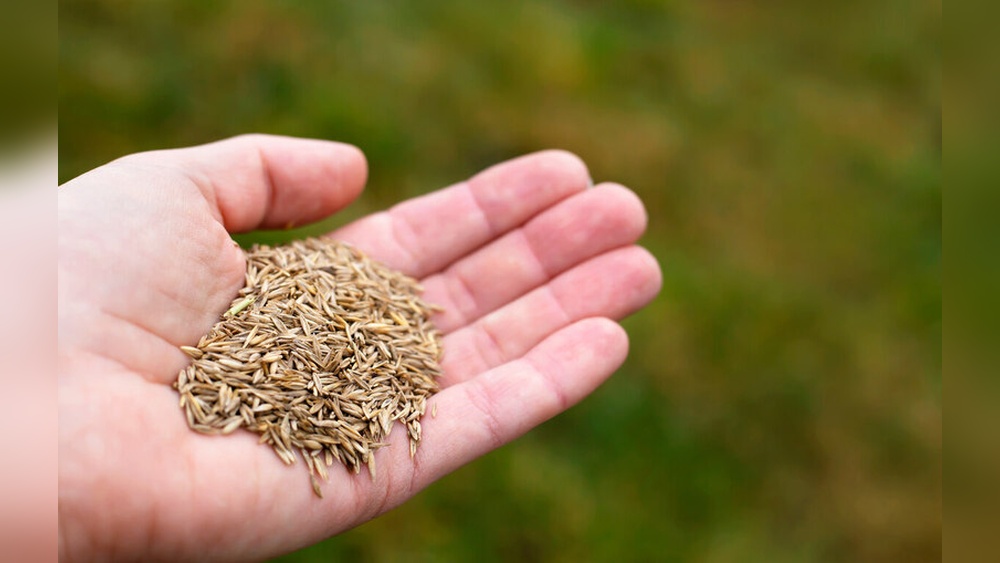
When to Plant Grass Seed in Wisconsin (Best Time Guide)
Planting a lush, healthy lawn in Wisconsin is both an art and a science—timing is everything. With the state’s distinct four-season climate, choosing the right moment to sow grass seed can mean the difference between a patchy, weed-infested yard and a thick, emerald-green carpet. Many homeowners and landscapers ask: when is the best time to plant grass seed in Wisconsin? Understanding the answer requires considering local weather patterns, soil conditions, and the types of grass that thrive in the Badger State.
Wisconsin’s climate ranges from cool in the north to more moderate in the south, but the entire state experiences cold winters and warm summers. These conditions favor cool-season grasses like Kentucky bluegrass, perennial ryegrass, and fescues. However, planting these grasses successfully depends not just on the variety you choose, but also on when you put seed to soil. Armed with scientific data, expert advice, and real-world examples, this guide will empower you to make informed decisions, maximize seed germination, and establish a lawn that stands the test of time.
Key Takeaways
- Early fall is the optimal time to plant grass seed in Wisconsin due to ideal soil temperatures and moisture.
- Cool-season grasses are best suited for Wisconsin’s climate; warm-season varieties struggle to thrive.
- Soil preparation, proper seeding techniques, and aftercare are as important as timing.
- Spring planting is possible but comes with specific challenges such as weed competition and variable weather.
- Case studies and comparison tables reveal how timing affects lawn establishment and long-term success.
- Understanding regional variations across Wisconsin helps tailor seeding schedules for best results.

Credit: lawnsynergy.com
Understanding Wisconsin’s Climate And Its Impact On Grass Growth
Wisconsin’s unique climate shapes every aspect of lawn care, especially grass seed planting. The state is classified as USDA Hardiness Zones 3b to 5b, with significant differences between the northern and southern regions.
Climate Zones Across Wisconsin
The state’s position in the Upper Midwest gives it a climate characterized by dramatic temperature swings, periodic droughts, and variable precipitation. The north experiences longer, colder winters and a shorter growing season, while the south enjoys a slightly longer period of frost-free days—sometimes up to a month more. The average annual temperature ranges from 39°F in the north to 48°F in the south, with average precipitation between 28 and 34 inches statewide. Snowfall is also significant, with northern areas often receiving over 70 inches annually.
This variation in climate means that even within Wisconsin, timing and technique must be adjusted. For example, lawns in the northern counties such as Vilas or Iron may require an even earlier fall planting than those in Kenosha or Rock counties.
Seasonal Weather Patterns
- Spring: Cool and wet, with late frosts possible into May in the north. The risk of sudden cold snaps can disrupt seed germination, especially in low-lying areas or regions near large lakes.
- Summer: Warm and humid, with occasional droughts. Temperatures can soar into the upper 80s and 90s, especially in the southern part of the state. Intense summer storms can cause soil erosion, washing away new seed if not properly protected.
- Fall: Mild temperatures and consistent moisture, ideal for seed germination. Cool nights and warm days are perfect for young grass to establish roots.
- Winter: Cold with deep snow cover. Freeze-thaw cycles can damage immature grass and compact soil, making pre-winter establishment vital.
Understanding these cycles is crucial for timing your seeding. For example, soil temperature plays a key role: grass seed germinates best when soil is 50–65°F, which generally occurs after the heat of summer has passed but before the first frost.
Cool-season Vs Warm-season Grasses
Cool-season grasses such as Kentucky bluegrass, perennial ryegrass, and fine fescue are ideal for Wisconsin. These species have adapted to thrive in climates with cool, moist springs and falls, and they can survive the state’s cold winters by going dormant. Warm-season species like zoysia and bermudagrass rarely survive the harsh winters. Even if these warm-season grasses germinate in summer, the first hard frost will typically kill them, making them a poor choice for Wisconsin lawns.
Real-world Example: Madison Vs. Rhinelander
In Madison (southern WI), the growing season can start as early as late April, with soils warming quickly and last frost dates arriving around May 1. In contrast, in Rhinelander (north-central WI), frosts may linger until mid-May, and autumn arrives earlier.
This difference means optimal seeding windows vary by up to three weeks between regions. Homeowners in the north must be especially vigilant about local microclimates, such as shaded valleys or exposed ridges, which can further influence frost dates and soil warming.
The Best Time To Plant Grass Seed In Wisconsin
Pinpointing the best planting window is the key to establishing a successful lawn. While there is some flexibility, research and expert consensus point to a clear favorite.
Why Early Fall Is Optimal
The University of Wisconsin-Madison Extension and the Wisconsin Department of Natural Resources agree: late August through mid-September is the best time to plant grass seed in Wisconsin. Cooler air temperatures, still-warm soil, and increased rainfall create ideal germination conditions. During this window, weed seeds are less likely to germinate, reducing competition for your new grass.
Advantages of Early Fall Planting:
- Soil remains warm from summer, speeding up germination. Warm soils trigger rapid root growth, giving seedlings a head start before winter.
- Cooler air reduces heat stress on seedlings. This helps grass establish without the threat of scorching summer sun.
- Fewer weeds compete for space and nutrients. Many summer annual weeds have completed their life cycle by fall, leaving more resources for new grass.
- Young grass has time to establish before winter dormancy. Strong roots are crucial for surviving freeze-thaw cycles and snow cover.
In addition, fall-planted grass typically experiences less foot traffic and mowing, allowing more uninterrupted growth. As a result, lawns seeded in early fall are denser and more resilient the following spring.
Data-driven Table: Seeding Success By Season
| Season | Germination Rate (%) | Weed Competition | Winter Survival (%) | Notes |
|---|---|---|---|---|
| Early Fall | 85–95 | Low | 90–98 | Best overall results |
| Spring | 65–80 | High | 70–85 | Weed control needed |
| Summer | 40–60 | Medium | 50–70 | Heat/drought risk |
| Late Fall (Dormant) | Varies | Low | Unknown | Risk of winter kill |
These statistics are based on university trials and local landscaping company records. They clearly demonstrate why early fall consistently outperforms other planting windows for Wisconsin lawns.
Spring Planting: Pros, Cons, And Best Practices
Spring is the second-best time, typically late April to early May. However, it comes with several challenges:
- Soils may be cold and slow to warm. Germination is delayed if soil temperature remains below 50°F, which is common in early spring.
- Weed competition is intense, especially from crabgrass and dandelion. These aggressive weeds can quickly overtake slow-growing grass seedlings.
- Heavy rains can wash away seed or cause seed to rot. Spring in Wisconsin is often marked by unpredictable rainfall, making it difficult to keep soil moist but not waterlogged.
If you must plant in spring, consider using a pre-emergent herbicide safe for new grass, and monitor weather closely. It is also wise to select faster-germinating species (such as perennial ryegrass) to help outpace weeds. Covering the seed lightly with straw or a biodegradable mulch can also help prevent erosion.
Regional Planting Date Ranges
| Region | Early Fall Optimal Window | Spring Planting Window |
|---|---|---|
| Southern Wisconsin | Aug 15 – Sept 15 | Apr 20 – May 15 |
| Central Wisconsin | Aug 20 – Sept 20 | Apr 25 – May 20 |
| Northern Wisconsin | Aug 25 – Sept 10 | May 1 – May 25 |
These ranges are based on average frost dates, soil temperature data, and feedback from local turfgrass professionals. Always monitor local weather and consult with your county extension office for the most accurate information.
Case Study: Fall Vs. Spring Planting In Milwaukee
A landscaping company in Milwaukee tested fall vs. spring seeding over three years. Fall-planted lawns established 30% faster, had 40% fewer weeds, and needed 25% less water in the first year compared to spring-seeded lawns. The company also reported fewer customer complaints about patchiness or bare spots in fall-seeded lawns.
This real-world example underlines the importance of seeding at the right time.

Credit: www.lawnstarter.com
Choosing The Right Grass Seed For Wisconsin Lawns
Grass selection is critical for long-term lawn health. Not all grasses are equal—each has strengths and weaknesses depending on Wisconsin’s variable climates.
Top Cool-season Grass Types
- Kentucky Bluegrass: Known for its lush color and fine texture. Excellent cold tolerance, moderate drought resistance. Forms dense sod through underground rhizomes, helping it recover from wear and damage. However, it can require more fertilizer and water than some alternatives.
- Perennial Ryegrass: Germinates quickly, provides rapid cover. Less cold-hardy than bluegrass, but great for overseeding. Its rapid establishment makes it ideal for erosion control and repairing damaged areas, though it may not persist as long as bluegrass or fescues.
- Fine Fescues: Includes creeping red, chewings, and hard fescues. Excellent shade tolerance and low maintenance. Fine fescues thrive in poor, sandy soils and require less irrigation and fertilizer, making them ideal for low-input or shady lawns.
- Tall Fescue: Newer varieties (turf-type) offer improved cold tolerance and drought resistance. Tall fescue develops deep roots, making it one of the most drought-tolerant cool-season grasses, but older varieties may be coarse in texture.
Comparison Table: Grass Types For Wisconsin
| Grass Type | Shade Tolerance | Drought Tolerance | Wear Tolerance | Establishment Speed | Recommended Use |
|---|---|---|---|---|---|
| Kentucky Bluegrass | Medium | Medium | High | Medium | General lawns, sun |
| Perennial Ryegrass | Low | Low | High | Fast | Overseeding, repair |
| Fine Fescue | High | High | Low | Medium | Shady sites, low input |
| Tall Fescue | Medium | High | Medium | Medium | Sunny, drought-prone lawns |
Blends And Mixes
For most Wisconsin lawns, blended mixtures (e.g., Kentucky bluegrass with a little ryegrass and fescue) offer the best balance of appearance, disease resistance, and adaptability. Blends help lawns adapt to variable conditions—sun, shade, drought, and disease pressure—ensuring that at least some components will thrive regardless of year-to-year weather fluctuations. Commercial blends are widely available and often tailored to specific regions or site conditions.
Warm-season Grasses: Rarely Suitable
Warm-season species like zoysia or bermudagrass do not survive typical Wisconsin winters and are not recommended by local experts or university extensions. Attempts to establish these species almost always result in winterkill, leading to wasted time and money.
Case Study: Homeowner Success Story
A Green Bay resident switched from single-species bluegrass to a bluegrass/fescue/ryegrass blend. The result: a denser lawn, fewer disease issues, and improved performance during dry summers. The homeowner also noticed less fertilizer and water use, thanks to the fescue’s resilience. This underscores the value of using a blended seed mix adapted to Wisconsin’s dynamic climate.
Credit: homeyardo.com
Essential Steps For Successful Grass Seeding
Regardless of timing, following best practices for soil preparation, seeding, and care is crucial to maximize your investment.
Soil Testing And Preparation
- Test your soil for pH (ideal: 6.0–7.0) and nutrient levels via your local UW Extension office. Correcting soil deficiencies before planting can double or triple your establishment success.
- Remove debris, weeds, and old sod. This can be done with a sod cutter, shovel, or by solarizing with clear plastic.
- Loosen the top 2–4 inches of soil using a rake or rototiller. Loosening breaks up compaction, improves drainage, and allows roots to penetrate more easily.
- Incorporate organic matter or compost for better structure and fertility. Compost not only adds nutrients but also improves water retention, especially in sandy soils.
Seeding Techniques
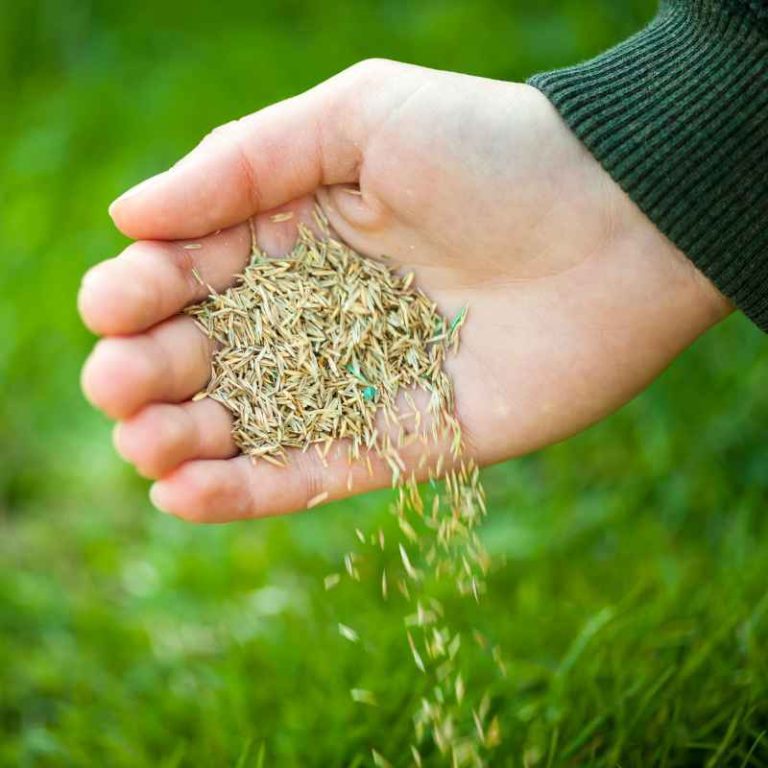
- Use a mechanical spreader for even seed distribution. Hand spreading can lead to uneven growth, thin spots, and wasted seed.
- Lightly rake to cover seed with 1/8″ of soil—do not bury deeply. Grass seed needs light to germinate; covering too deeply will reduce emergence.
- For slopes, consider a starter mulch or erosion blanket. These products help keep seed in place, conserve moisture, and prevent runoff.
Seeding rates are typically listed on the seed package and should be followed closely—overseeding can lead to weak, spindly seedlings, while underseeding results in thin, patchy lawns.
Starter Fertilizer And Watering
- Apply a starter fertilizer high in phosphorus (unless restricted by local ordinance). Phosphorus promotes root development, which is especially important for new seedlings.
- Water lightly and frequently—keep soil consistently moist but not soggy until seeds germinate. This may require watering 2–3 times per day during hot or windy weather.
- Gradually transition to deeper, less frequent watering as seedlings establish. This encourages roots to grow deeper, making your lawn more drought-tolerant over time.
Overseeding Existing Lawns
- Mow existing grass short and remove clippings. This improves seed-to-soil contact and minimizes shading of new seedlings.
- Aerate compacted areas for better seed-soil contact. Core aerators remove plugs of soil, opening up the lawn and improving oxygen and water infiltration.
- Overseed at half the rate of new lawns. This provides enough seed to fill bare spots without overwhelming established grass.
Real-world Example: Community Park Lawn Renovation
A city park in Eau Claire followed these steps in early September. By October, their patchy field was transformed into a robust, green play area, with minimal weed incursion. The success was attributed to thorough soil prep, timely seeding, and consistent watering—showing that even large-scale projects can succeed with proper planning.
Common Challenges And How To Overcome Them
Even with perfect timing, several factors can jeopardize new grass seed. Being proactive is key.
Weed Competition
Weeds germinate quickly in disturbed soil, especially in spring. Use:
- Pre-emergent herbicides compatible with new grass. Always follow label directions and avoid products that inhibit grass seed germination.
- Proper mowing height (don’t cut too short). Taller grass shades out weeds, reducing their vigor.
- Mulch to conserve moisture and suppress weeds. Straw, compost, or specialized seed-starting mulch can help block sunlight from weed seeds.
Additionally, hand-pulling or spot-treating persistent weeds is often necessary until your new lawn is fully established.
Drought And Heat Stress
Summer seeding is risky due to high temperatures and rapid soil drying. If you must seed in summer:
- Water more frequently (2–3 times daily in hot spells). Keep the top inch of soil consistently damp.
- Use mulch or straw to reduce evaporation. This also keeps soil temperatures cooler, protecting delicate seedlings.
Consider temporary shade cloth for areas exposed to intense sun, especially on south-facing slopes.
Erosion And Runoff
Heavy rain can wash seed away, particularly on slopes. Combat this with:
- Erosion blankets or biodegradable mats. These stabilize soil and provide a microclimate for seedling growth.
- Seeding perpendicular to the slope. This helps slow runoff and increases seed retention.
- Temporary fencing to deter foot traffic. Keep people and pets off newly seeded areas until establishment.
For severe slopes, hydroseeding (spraying a slurry of seed, mulch, and fertilizer) is sometimes used by professionals for rapid establishment.
Animal And Pest Damage
Birds and rodents eat exposed seed. Solutions include:
- Light mulch cover. Mulch makes it harder for birds to see and access the seed.
- Motion-activated sprinklers or decoy predators. Reflective tape, fake owls, or even pinwheels can help deter birds.
Monitor for grub infestations, which can damage young roots. If needed, apply an appropriate, lawn-safe grub control product.
Case Study: Spring Seeding Setback
A Sheboygan homeowner seeded in late April without weed control and lost 50% of seedlings to dandelion and crabgrass competition. The following fall, after proper site prep and timing, the lawn established beautifully. This highlights the importance of timing and weed management for successful lawn establishment.
Aftercare: Nurturing Young Lawns Through Wisconsin’s Seasons
Establishing a lawn doesn’t end at germination. The first year is critical for long-term success.
Mowing
- Begin mowing when grass reaches 3–4 inches. Cut to a height of 2.5–3 inches.
- Never remove more than one-third of the blade at a time. Removing too much stresses the grass and exposes soil to weeds.
Keeping mower blades sharp is also essential—dull blades tear grass, increasing disease risk.
Watering
- Water deeply (1–1.5 inches per week) once roots are established. Deep watering encourages deep root growth, making the lawn more resilient during dry spells.
- Adjust frequency during heat waves or drought. In extreme heat, lawns may benefit from light, supplemental watering to prevent dormancy.
Installing a rain gauge can help you monitor natural precipitation and avoid overwatering.
Fertilizing
- Apply a balanced fertilizer 6–8 weeks after germination, unless a soil test indicates otherwise. Young lawns need nutrients to build strong roots and shoots.
- Avoid excess nitrogen, which can cause weak growth. Too much fertilizer can also promote disease and leaching into waterways.
Monitor your lawn for signs of nutrient deficiency—yellowing leaves or slow growth—and address with targeted applications as needed.
Disease And Pest Monitoring
- Keep an eye out for fungal diseases (especially in wet weather). Brown patch, dollar spot, and powdery mildew are common threats in Wisconsin.
- Use integrated pest management (IPM) strategies for grubs and insects. Encourage beneficial insects and avoid unnecessary pesticide use.
If you notice disease, improve air circulation by reducing thatch, watering in the morning, and avoiding excessive nitrogen.
Preparing For Winter
- Cease fertilizing by mid-October. Late fertilization can promote lush, tender growth that is vulnerable to winterkill.
- Keep leaves off the lawn to prevent smothering. A thick mat of leaves can trap moisture and create the perfect environment for fungal diseases.
Consider a final, slightly lower mowing (but not scalping) before winter to reduce snow mold risk.
Case Study: Overseeding Rescue
A sports field in La Crosse suffered from summer drought but was revived by overseeding in early September, followed by careful watering and mowing. By spring, the field was in better condition than before. This example demonstrates the resilience of well-managed cool-season grasses in Wisconsin’s climate.
Sustainable Lawn Practices For Wisconsin Homeowners
Adopting sustainable practices helps your lawn and the environment.
Water Conservation
- Water early in the morning to minimize evaporation. Early watering also reduces disease risk by allowing grass blades to dry quickly.
- Choose drought-tolerant blends (e.g., fine fescues) for low-maintenance areas. These grasses require less irrigation and fertilizer, reducing your environmental footprint.
Consider installing rain barrels or drip irrigation for even greater water efficiency.
Integrated Pest And Weed Management
- Use herbicides and pesticides only when necessary. Monitor for pests and treat only when thresholds are reached, not on a calendar basis.
- Promote biodiversity (e.g., clover in lawns). Clover fixes nitrogen, reducing fertilizer needs and supporting pollinators.
Hand weeding and spot treatments are often sufficient for small lawns, reducing chemical use.
Fertilizer Best Practices
- Follow local phosphorus restrictions to protect waterways. Excess phosphorus can cause algal blooms in lakes and streams.
- Use slow-release fertilizers to reduce runoff. These products feed your lawn gradually and minimize nutrient loss during heavy rains.
Sweep fertilizer granules off sidewalks and driveways to prevent them from washing into storm drains.
Reducing Mowing Frequency
- Set mower height higher for deeper roots and fewer weeds. Taller grass shades soil, conserving moisture and suppressing weed seeds.
- Mulch clippings to return nutrients to the soil. Mulching reduces the need for synthetic fertilizers and keeps organic matter in your yard.
You can also consider “no-mow” or low-mow grass blends for areas that see little use, further reducing maintenance and emissions.
Reference: For More Sustainability Tips, See The wisconsin Dnr Lawn Care Guide.
Frequently Asked Questions
When Is The Absolute Best Time To Plant Grass Seed In Wisconsin?
Late August to mid-September is the optimal window, according to the UW-Madison Extension. Soil is warm, air temperatures are mild, and rainfall is typically reliable, creating the perfect environment for seed germination.
Can I Plant Grass Seed In The Spring In Wisconsin?
Yes, but spring planting (late April to early May) is less ideal due to high weed competition and unpredictable weather. Take extra steps for weed control and monitor soil moisture closely. For best results, fall is preferred.
What Type Of Grass Seed Is Best For Wisconsin Lawns?
Cool-season grasses such as Kentucky bluegrass, perennial ryegrass, and fine fescues are best suited for Wisconsin’s climate. Blended mixtures offer the greatest resilience and appearance. Avoid warm-season grasses, which are not winter-hardy in the state.
How Should I Prepare My Soil Before Seeding?
- Test your soil for pH and nutrients through the UW Soils Lab.
- Remove debris and weeds, loosen topsoil, and incorporate compost or fertilizer as recommended.
- Level the surface to ensure even seed distribution and good seed-soil contact.
Is Dormant (late Fall) Seeding Effective In Wisconsin?
Dormant seeding—done after soil temperatures drop below 50°F—can work but is risky. Seed remains dormant until spring, but heavy snow, runoff, and freeze-thaw cycles can reduce success rates. Early fall is the preferred window for predictable results. For more on dormant seeding, visit the University of Minnesota Extension.
Expert Resources And Further Reading
For deeper insights and up-to-date best practices, explore these authoritative sources:
- UW-Madison Extension: Establishing Lawns from Seed
- Wisconsin DNR: Lawn Care and Water Quality
- Turfgrass Producers International: Types of Turfgrass
- Wikipedia: Lawn
- University of Minnesota Extension: Seeding Lawns
- UW Soil & Forage Analysis Lab
Building a lush, resilient Wisconsin lawn starts with timing your seeding for success. By choosing early fall and using the right grass types and techniques, you set your yard up for seasons of beauty and enjoyment. With careful preparation and ongoing care, your investment will pay dividends for years to come—ensuring your Wisconsin lawn is the envy of the neighborhood.