How To Plant Creeping Thyme Seeds
Creeping thyme, known for its vibrant purple blooms and fragrant foliage, is more than just a stunning ground cover. This low-maintenance herb offers remarkable drought tolerance, resilience, and versatility for gardeners seeking an alternative to grass lawns or an accent for rock gardens.
Whether you’re looking to establish a pollinator-friendly landscape, reduce your lawn’s water usage, or simply add beauty to your yard, planting creeping thyme seeds is an accessible and rewarding process. With proper guidance, even novice gardeners can transform bare soil into lush, aromatic carpets that thrive year after year.
Understanding the nuances of planting creeping thyme seeds is essential for success. Factors such as soil preparation, timing, seed handling, and ongoing care directly influence germination rates and plant vigor. By following proven methods and leveraging expert advice, you’ll not only achieve vigorous growth but also create a sustainable, attractive environment for beneficial insects and pets alike.
This guide will walk you step-by-step through the entire process, offering practical tips, real-world examples, and data-driven comparisons to help you maximize your planting efforts.
Key Takeaways
- Creeping thyme is a durable, drought-tolerant ground cover ideal for lawns, pathways, and gardens.
- Proper soil preparation and timing are crucial for successful seed germination.
- Seed handling, spacing, and watering methods directly impact growth and coverage.
- Regular maintenance supports plant health and longevity, reducing weeds and disease.
- Creeping thyme attracts pollinators and can lower water usage compared to traditional turf.
- Real-world examples and comparison tables help you make informed planting decisions.

Credit: www.youtube.com
Understanding Creeping Thyme: Botanical Overview And Benefits
Creeping thyme (Thymus serpyllum and Thymus praecox) is a perennial herb native to Europe and parts of Asia, prized for its spreading habit and dense foliage. Its compact growth, typically reaching 2, 4 inches in height, allows it to cover large areas quickly without overwhelming neighboring plants.
With a bloom period from late spring to midsummer, creeping thyme produces clusters of tiny, nectar-rich flowers that attract bees, butterflies, and other beneficial insects.
Botanical Characteristics
- Growth habit: Low, mat-forming perennial herb
- Height: 2, 4 inches
- Spread: 12, 18 inches per plant
- Flower color: Pink, purple, or white
- Bloom season: Late spring to midsummer
- Hardiness zones: USDA 4, 9
Creeping thyme’s adaptability makes it suitable for various landscape applications, including:
- Ground cover for lawns and pathways
- Erosion control on slopes and banks
- Accent plant in rock gardens, containers, and borders
Ecological And Practical Benefits
- Drought tolerance: Creeping thyme requires less water than turfgrass, making it ideal for xeriscaping and sustainable landscapes.
- Pollinator attraction: Its flowers support local bee and butterfly populations.
- Low maintenance: Once established, it resists weeds and needs minimal mowing or trimming.
- Pet and child friendly: Unlike many ornamental plants, creeping thyme is non-toxic and safe for pets and children.
Example: In a California backyard, replacing a traditional lawn with creeping thyme reduced irrigation needs by approximately 60%, according to the homeowner’s water bills, and created a vibrant habitat for native pollinators.
Credit: floweringlawn.com
Preparing Soil And Site For Creeping Thyme Seeds
Proper soil and site preparation is the foundation for thriving creeping thyme. These plants prefer well-drained soils and full sun, but can tolerate light shade and poor fertility once established.
Soil Requirements
- Texture: Sandy or loamy soils are optimal; clay soils require amendment for drainage.
- PH: Creeping thyme prefers slightly alkaline to neutral soils (pH 6.0, 8.0).
- Nutrients: While not heavy feeders, a moderate level of organic matter helps seedlings establish.
Pro Tip: If your soil is heavy clay, incorporate coarse sand or compost to improve drainage and aeration. Raised beds or mounds also enhance root health in poorly drained areas.
Site Selection
- Sun exposure: Full sun (6+ hours/day) yields the densest foliage and most blooms.
- Slope and drainage: Choose areas where water does not pool after rain.
Example: In my experience, planting creeping thyme on a south-facing slope yielded faster establishment and richer bloom compared to a shaded, flat section of the garden.
Soil Preparation Steps
- Clear debris: Remove weeds, rocks, and old plant material.
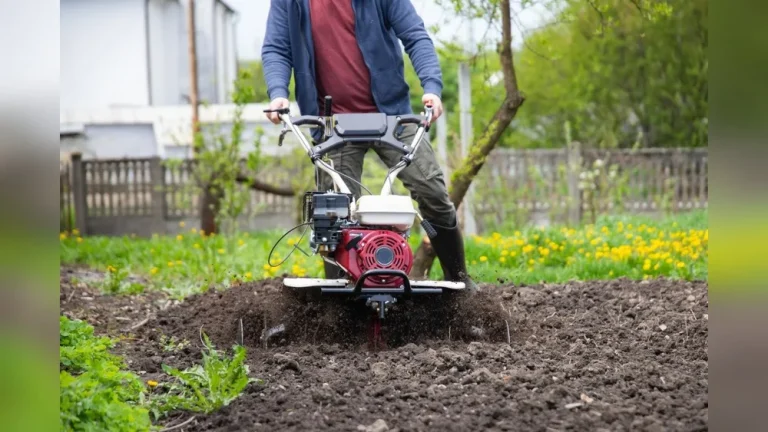
- Loosen soil: Use a garden fork or tiller to loosen the top 6, 8 inches.
- Amend as needed: Add sand, compost, or lime to correct texture and pH.
- Level and smooth: Rake soil to create a flat, even surface for seed distribution.
Comparison Table: Soil Preparation Approaches
| Method | Drainage Improvement | Ease of Application | Cost |
|---|---|---|---|
| Compost Addition | Moderate | Easy | Low |
| Sand Amendment | High | Moderate | Medium |
| Raised Beds | Very High | Challenging | High |
Choosing, Handling, And Sowing Creeping Thyme Seeds
Selecting high-quality seeds and understanding sowing techniques are critical for achieving uniform coverage and healthy plants.
Selecting Seeds
- Varieties: Popular cultivars include ‘Purple Carpet’, ‘Elfin’, and ‘Magic Carpet’, each with unique color and growth traits.
- Source: Purchase seeds from reputable suppliers to ensure purity and viability.
- Seed size: Creeping thyme seeds are tiny (1, 2 mm), requiring careful handling.
Example: According to the Lady Bird Johnson Wildflower Center, choosing regionally-adapted thyme varieties can increase survival rates and reduce maintenance needs.
Seed Handling Tips
- Storage: Keep seeds in a cool, dry place until planting.
- Mixing: Combine seeds with fine sand for easier distribution and to avoid clumping.
Pro Tip: Use a shaker or seed spreader for even coverage, especially on larger plots. Mixing seeds with sand at a 1:10 ratio improves visibility and prevents overlapping.
Sowing Methods
- Broadcast sowing: Scatter seeds evenly over prepared soil.
- Row planting: Create shallow furrows (1/8 inch deep), sprinkle seeds, and lightly cover with soil.
- Indoor seed starting: For early spring plantings, sow seeds in trays under grow lights 6, 8 weeks before last frost.
- Spacing: Aim for 6, 12 inches between plants for rapid coverage.
- Depth: Do not bury seeds deeply; light coverage (barely covered or pressed into soil) is ideal.
Watering And Mulching After Sowing
- Water gently: Mist soil after sowing to avoid washing seeds away.
- Mulch lightly: Apply a thin layer of straw or fine mulch to retain moisture and reduce erosion.
Example: In a community garden trial, plots sown with sand-mixed seeds and covered with straw mulch showed 30% higher germination rates compared to unmulched, bare plots.
Comparison Table: Sowing Techniques
| Method | Germination Rate | Labor Required | Best For |
|---|---|---|---|
| Broadcast | Moderate | Low | Large areas |
| Row Planting | High | Moderate | Small beds |
| Indoor Starting | Very High | High | Early spring, cold climates |

Credit: sowrightseeds.com
Optimal Planting Timing And Climate Considerations
Timing your planting is crucial for maximizing germination and minimizing risks from weather or pests.
Best Planting Seasons
- Spring: After the last frost, when soil temperatures reach 60°F (15°C).
- Fall: In regions with mild winters, sowing in late summer or early fall allows seeds to establish before cold weather.
Pro Tip: Avoid sowing in midsummer when temperatures exceed 85°F (29°C), as heat stress can reduce germination and seedling survival.
Climate And Regional Adaptations
- Cold climates: Start seeds indoors or use frost blankets to protect young plants.
- Hot, dry regions: Mulch and water frequently during early establishment.
- High humidity: Monitor for fungal issues; provide airflow and avoid dense mulching.
Example: In Oregon, gardeners who started creeping thyme seeds indoors in February achieved higher survival rates than those who direct-sowed in April, due to unpredictable spring weather.
Weather And Germination Data
According to the University of Minnesota Extension, thyme seeds require consistent moisture and temperatures between 60, 75°F for optimal germination. Germination typically occurs within 14, 28 days, depending on conditions.
| Planting Time | Germination Rate | Days to Sprout | Seedling Survival |
|---|---|---|---|
| Early Spring | 70, 80% | 14, 21 | High |
| Late Spring | 60, 70% | 21, 28 | Moderate |
| Fall | 50, 60% | 28, 35 | Variable |
Caring For Creeping Thyme Seedlings: Watering, Fertilizing, And Maintenance
Once seeds germinate, proper care ensures robust growth and long-term resilience.
Watering Guidelines
- Initial phase: Keep soil consistently moist but not waterlogged during germination.
- Established phase: Once plants develop true leaves, reduce watering to once every 7, 10 days, depending on rainfall.
Pro Tip: Drip irrigation or soaker hoses are ideal for maintaining even moisture, especially in sandy soils.
Fertilization
- Seedlings: Use a diluted, balanced fertilizer (e.g., 10-10-10 NPK) once seedlings reach 1 inch tall.
- Mature plants: Creeping thyme rarely requires additional feeding; excessive fertilizer can cause leggy growth.
Weed And Pest Management
- Weeds: Mulch or hand-weed until thyme forms a dense mat.
- Pests: Watch for aphids, spider mites, and fungal diseases in humid climates.
Example: In a New York community garden, regular hand-weeding and minimal fertilizer led to a dense, weed-resistant thyme carpet within six months.
Trimming And Maintenance
- Trimming: Lightly shear after flowering to maintain shape and encourage regrowth.
- Mowing: Creeping thyme can tolerate occasional mowing at a high setting, but frequent mowing is unnecessary.
Warning: Overwatering or excessive fertilizer can lead to root rot and reduced flowering. Monitor soil moisture and avoid feeding more than once per season.
Real-world Examples: Success Stories And Challenges
Examining actual garden projects highlights best practices and common pitfalls.
Case Study 1: Lawn Replacement In Colorado
A homeowner in Boulder replaced a 500-square-foot patch of turfgrass with creeping thyme, sowing seeds in early spring. They amended clay-heavy soil with sand, used a sand-seed mix for sowing, and applied straw mulch. Germination occurred within three weeks, and by midsummer, the area was fully covered.
Water usage dropped by 50% compared to the prior year, and the lawn became a haven for bees.
Case Study 2: Pathway Borders In Texas
In Austin, creeping thyme seeds were sown along a sunny flagstone path. The gardener chose row planting and watered daily for two weeks. Despite extreme summer heat, mulching and afternoon shade helped seedlings survive. Thyme blooms filled gaps between stones, creating a fragrant, walkable border.
Case Study 3: Rock Garden In Maine
A Maine gardener used indoor seed starting due to cold spring weather, transplanting seedlings outdoors in May. Survival rates were high, and creeping thyme thrived even in rocky, poor soil. Minimal irrigation and annual trimming kept the plants healthy for over five years.
Troubleshooting Common Issues And Maximizing Growth
Even experienced gardeners encounter challenges when planting creeping thyme seeds. Addressing problems early ensures long-term success.
Poor Germination
- Causes: Overly deep planting, dry soil, old seed, cold temperatures.
- Solutions: Plant seeds shallowly, keep soil moist, use fresh seed, and sow after soil warms.
Patchy Coverage
- Causes: Uneven seed distribution, competition from weeds, poor soil preparation.
- Solutions: Mix seeds with sand for even spreading, remove weeds before sowing, and rake soil smooth.
Disease And Pest Damage
- Causes: Overwatering, dense mulch, humid weather.
- Solutions: Allow soil to dry between watering, use thin mulch, and improve airflow.
Stunted Growth
- Causes: Excessive fertilizer, too much shade, compacted soil.
- Solutions: Avoid heavy feeding, plant in full sun, and loosen soil before sowing.
Pro Tip: If patches remain bare after two months, reseed those areas with fresh seed and lightly cover with compost.
Comparing Creeping Thyme To Other Ground Covers
Choosing the right ground cover depends on climate, maintenance, and desired aesthetic. Creeping thyme offers unique advantages but may not suit every situation.
| Ground Cover | Water Needs | Maintenance | Flowering | Hardiness Zones |
|---|---|---|---|---|
| Creeping Thyme | Low | Minimal | Yes | 4, 9 |
| Clover | Moderate | Low | Yes | 3, 10 |
| Moss | High | Low | No | 3, 7 |
| Sedum | Very Low | Minimal | Yes | 3, 9 |
| Traditional Turfgrass | High | High | No | 2, 10 |
Example: According to the Wikipedia entry on Thymus serpyllum, creeping thyme offers superior drought resistance and pollinator support compared to turfgrass and moss.
Frequently Asked Questions
What Is The Best Way To Propagate Creeping Thyme Besides Seeds?
While sowing seeds is cost-effective for large areas, creeping thyme can also be propagated through stem cuttings or division. Cuttings taken in late spring root easily in moist soil, and mature plants can be divided every few years to maintain vigor and increase coverage.
Can Creeping Thyme Be Grown Indoors?
Creeping thyme can be grown indoors in containers with well-drained potting mix and bright light. However, indoor conditions may limit flowering and overall spread. Use grow lights for optimal growth and avoid overwatering.
How Long Does Creeping Thyme Take To Fully Cover An Area?
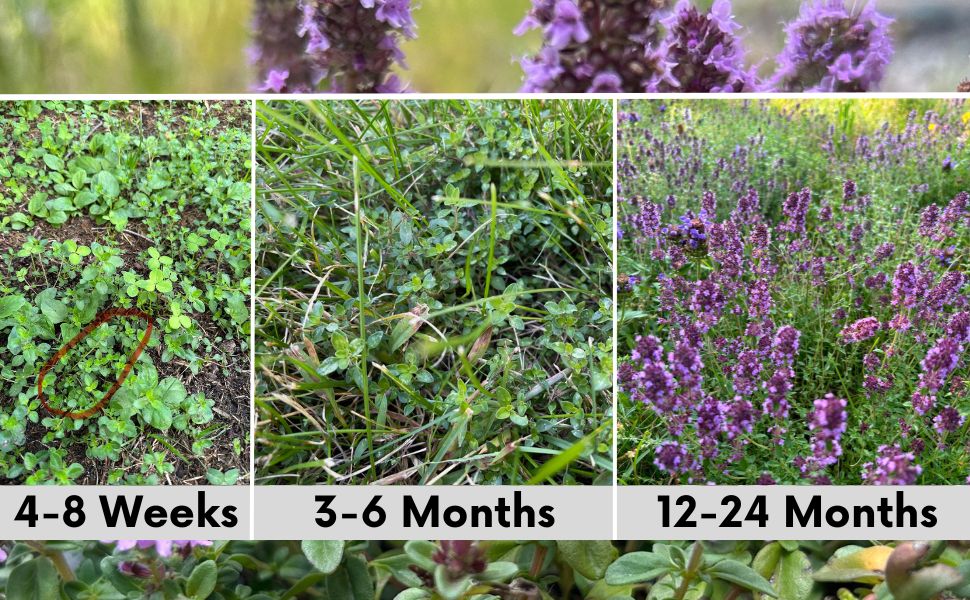
Depending on seed density, soil quality, and climate, creeping thyme generally requires 1, 2 growing seasons to form a dense carpet. Faster coverage occurs with higher seed rates or by planting established plugs at recommended intervals.
Is Creeping Thyme Resistant To Deer And Rabbits?
Creeping thyme is moderately resistant to deer and rabbits due to its aromatic foliage. While occasional nibbling may occur, most herbivores avoid mature plants, making it a good choice for wildlife-prone areas.
What Are The Culinary Uses Of Creeping Thyme?
Though less commonly used than common thyme, creeping thyme’s leaves can be harvested for culinary purposes. Its flavor is milder but suitable for seasoning meats, soups, and salads. Harvest leaves before flowering for best taste, and use sparingly due to their small size.
Planting creeping thyme seeds is a practical, eco-friendly way to enhance your landscape with color, fragrance, and resilience. By preparing soil carefully, choosing quality seeds, and providing attentive care during establishment, you’ll enjoy a lush, pollinator-friendly ground cover that thrives in a variety of environments.
With its low maintenance needs and wide adaptability, creeping thyme is an excellent choice for gardeners seeking sustainable, beautiful solutions for lawns and gardens.