When to Plant Nasturtium Seeds in Zone 9 for Best Results
.org/plants/popular/nasturtium/growing-guide” Target=”_blank” Rel=”noopener”>royal Horticultural Society: Nasturtium Growing Guide
- University of Florida IFAS Extension: Nasturtium
- Clemson Cooperative Extension: Nasturtium
- Texas A&M AgriLife Extension: Vegetable Gardening
—
Planting nasturtium seeds in Zone 9 is both an art and a science, requiring careful timing, variety selection, and site management to fully leverage the region’s unique climate. By understanding the interplay of soil temperature, frost risk, sunlight, and microclimate, gardeners can achieve lush, long-lasting displays of color and flavor in their gardens and containers.
Expanding On Key Sections
To further enhance your success and understanding, let’s deepen some concepts already discussed and provide additional actionable insights.
Maximizing Germination And Early Growth
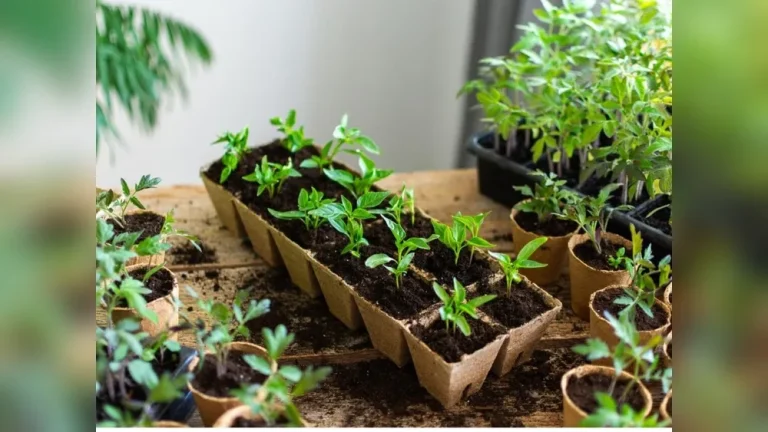
In addition to soaking and scarifying nasturtium seeds, you can boost early growth by amending the soil with a light application of organic matter such as worm castings or well-rotted leaf mulch. This provides a gentle nutrient release and encourages beneficial microbial activity, which helps seeds establish more quickly.
If your garden has heavy clay or compacted soil—a common issue in some Zone 9 regions—consider creating raised beds or using a broadfork to increase aeration and drainage. Nasturtiums are especially sensitive to soggy soil, so improving structure before planting is key.
For gardeners who want to push the boundaries of early planting, cold frames or low tunnels can be used to warm the soil even before the average last frost date. By covering beds with clear plastic or glass a week or two before sowing, you can raise soil temperatures by 5–10°F, allowing for even earlier germination and a longer bloom period.
Succession Planting In More Detail
While the basic principle of succession sowing is to stagger plantings, you can refine this approach by pairing different nasturtium varieties with their heat tolerance and growth habit in mind. For example, begin with bush varieties like ‘Jewel Mix’ in February, then follow with trailing types in March that can cascade over garden edges or containers.
In late April, switch to Alaska Series in partially shaded spots to stretch the bloom window into the hotter months. By integrating these variety and timing choices, you ensure that as one planting begins to fade in the summer heat, another is just reaching its peak.
Managing Summer Heat And Extending Blooms
Zone 9’s summer can be brutal on nasturtiums, but with a few proactive steps, you can help your plants flourish longer:
- Shade Cloth: Erecting a 30–40% shade cloth over nasturtiums in late spring helps buffer intense midday sun, reducing leaf scorch and prolonging flowering. This is especially useful for ground plantings that can’t be moved.
- Watering Timing: Water early in the morning to prevent leaf burn and reduce the risk of fungal diseases. In containers, consider self-watering planters, which provide consistent moisture and buffer against rapid drying.
- Pinching and Deadheading: Frequent pinching of growing tips and prompt removal of faded flowers encourages bushier growth and more prolific blooms. Don’t be afraid to cut back leggy or spent stems in midsummer; this can stimulate a flush of new growth if conditions remain favorable.
Troubleshooting Advanced Issues
Beyond common problems, advanced gardeners may encounter unusual challenges:
- Chlorosis (yellowing leaves): While nasturtiums prefer lean soil, persistent yellowing may indicate iron deficiency, especially in alkaline soils. Apply a chelated iron supplement or adjust soil pH with elemental sulfur if tests confirm high alkalinity.
- Root Knot Nematodes: In sandy soils, root knot nematodes can stunt nasturtium growth. Rotate plantings with nematode-resistant crops, and solarize soil during the hottest part of summer by covering it with clear plastic for 4–6 weeks.
Integrating Nasturtiums With Pollinator Gardens
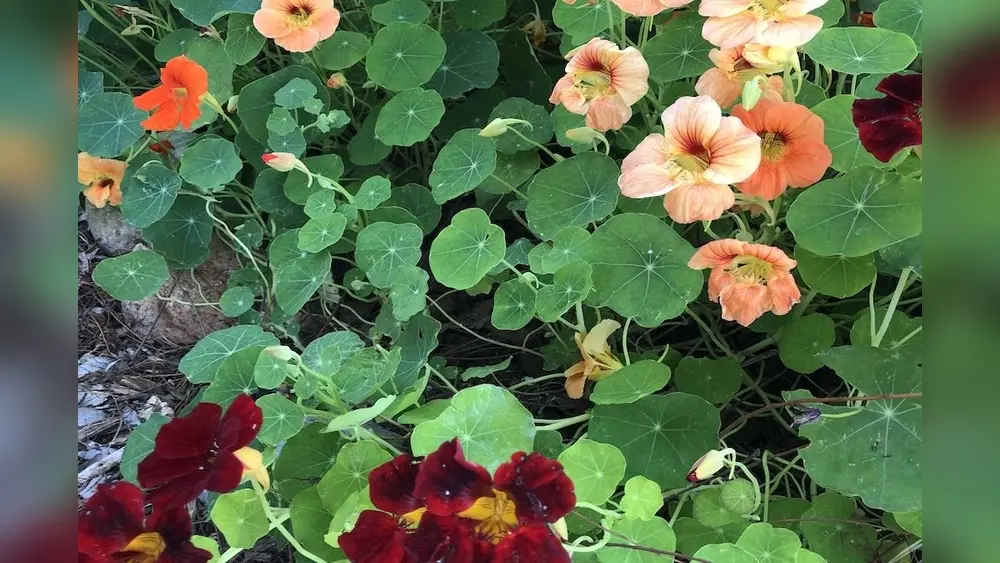
Nasturtiums aren’t just for the vegetable patch—they play an important role in pollinator gardens as well. Their bright blooms attract bees, butterflies, and even hummingbirds, supporting local biodiversity. To maximize this benefit, intersperse nasturtiums with other pollinator favorites like salvia, calendula, and borage.
This diverse planting approach not only creates a visually stunning display but also ensures a steady food source for beneficial insects throughout the growing season.
Saving Seeds For Future Seasons
Nasturtiums readily set seed, and saving your own is both economical and rewarding. Allow several blooms to mature and dry on the plant. The large, wrinkled seeds can be collected once they turn brown and detach easily. Store them in a cool, dry place for sowing next year.
This seed-saving practice also allows you to select for plants that thrive best in your specific microclimate, gradually building a locally adapted nasturtium population.

Credit: www.amazon.com
Final Thoughts
Nasturtiums are a garden classic for good reason: their vibrant colors, edible parts, and easy-going nature make them a must-have for Zone 9 gardeners. By leveraging the right timing, site selection, and succession strategies, you can enjoy months of blooms and abundant harvests, even as the seasons shift. Whether you’re creating a pollinator paradise, a lush container display, or a flavorful edible border, nasturtiums reward both novice and expert hands with their cheerful presence and culinary versatility.
For continued learning and region-specific advice, consult your local extension service or reputable gardening resources linked above. With these expanded tips and strategies, you’re equipped to make your Zone 9 nasturtium planting a centerpiece of garden success. Happy growing!