Is It Too Late To Plant Grass Seeds
Every year, countless homeowners look out across their yards and wonder if they’ve missed their window for planting grass seed. Perhaps you’ve been busy, the weather hasn’t cooperated, or you just didn’t get around to it earlier in the season. Now, as the calendar creeps forward, you may be asking: Is it too late to plant grass seeds? This is a crucial question, as timing can make the difference between a lush, green lawn and a patchy, struggling yard.
The answer isn’t always a simple yes or no. Factors such as your climate zone, grass species, soil temperature, and even microclimates in your yard all play a role in whether late planting will succeed. Understanding these elements, and how to work with them, can help you make the most of your seeding efforts, even if you’re getting a late start.
This comprehensive guide explores the science, regional considerations, and practical steps to determine if, when, and how you can still plant grass seed for great results.
Key Takeaways
- Timing is critical: The ideal window for planting grass seed depends on your local climate and grass type.
- Grass type matters: Cool-season and warm-season grasses have very different optimal planting times.
- Late planting risks: Seeding too late can expose seedlings to harsh weather, pests, or poor germination.
- Workarounds exist: With the right strategies, such as overseeding or soil amendments, you may still achieve success.
- Regional adaptation: Microclimates and local weather shifts can extend or shorten your viable planting window.
Understanding Grass Seed Growth Cycles
The life cycle of grass seed is tightly linked to environmental conditions, making timing essential. Knowing how grass seeds germinate and establish roots will help you gauge your odds of success if you’re planting late in the season.
The Basics Of Grass Seed Germination
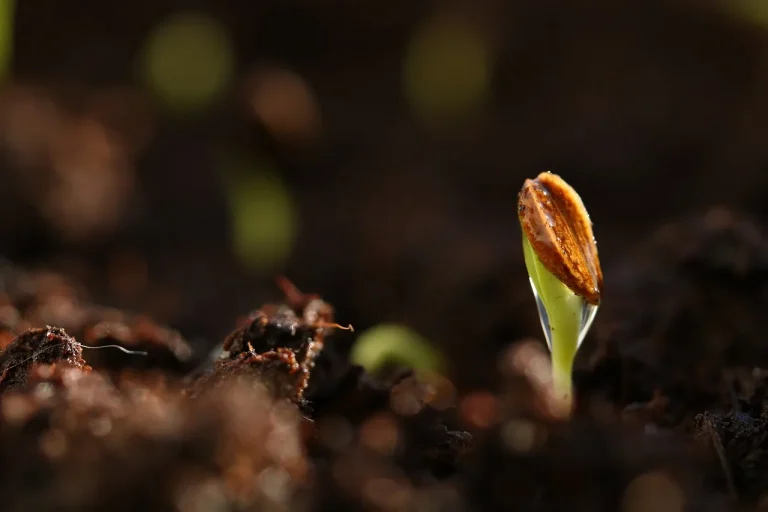
Grass seeds require a combination of moisture, warmth, and oxygen to germinate. Once sown, seeds absorb water and swell, triggering biochemical processes that lead to sprouting. The ideal soil temperature for germination varies with grass type but generally falls between 55°F and 65°F for cool-season species and 65°F to 70°F for warm-season grasses.
Germination timeframes differ:
- Cool-season grasses (e.g., Kentucky bluegrass, fescue): 7, 21 days
- Warm-season grasses (e.g., Bermuda, zoysia): 10, 30 days
Root Development And Establishment
After germination, grass seedlings spend several weeks developing roots. This is a vulnerable stage, roots must penetrate the soil deeply enough to withstand drought and foot traffic. If planted too late, seedlings may not establish strong roots before temperature extremes arrive.
Environmental Triggers
Grass growth responds to day length, soil temperature, and moisture. As days shorten and temperatures drop, grass growth slows. Late-planted seeds may sprout but fail to mature before dormancy, leading to weak or dead patches the following season.
Example: Fall Vs. Spring Planting
Fall seeding in a northeastern lawn typically benefits from cool soil and abundant moisture, which promote rapid germination; however, a sudden cold snap in late October can halt root development, resulting in sparse growth the next spring. This underscores the importance of aligning seeding with local weather patterns.

Credit: www.grassseedonline.co.uk
Timing: When Is The Best And Worst Time To Plant Grass Seed?
The “right” time to plant grass seed depends on your region, grass variety, and recent weather trends. Understanding the optimal windows, and the risks of missing them, can help you decide if it’s too late to seed.
Cool-season Grasses: Best And Worst Planting Times
Cool-season grasses thrive in regions with cold winters and mild summers. Their peak growth occurs in spring and fall.
- Best time to plant: Late summer to early fall (mid-August to mid-September in northern US)
- Spring seeding: Possible, but weed competition and summer heat can hinder success
- Too late: After soil temps drop below 50°F or before first hard frost
Warm-season Grasses: Best And Worst Planting Times
Warm-season grasses excel in hot, southern climates. They need warm soil and air for optimal growth.
- Best time to plant: Late spring to early summer (when soil consistently 65°F+)
- Late summer/fall seeding: Risky, as seedlings may not mature before first frost
- Too late: Planting less than 60 days before first expected frost
Regional Planting Windows Comparison
| Region | Grass Type | Prime Planting Window | Too Late After |
|---|---|---|---|
| Northeast US | Cool-season | Aug 15, Sep 30 | Oct 15 |
| Midwest US | Cool-season | Aug 15, Sep 30 | Oct 10 |
| Southeast US | Warm-season | Apr 1, Jun 15 | Aug 15 |
| Southwest US | Warm-season | Mar 15, Jun 1 | Aug 1 |
| Pacific Northwest | Cool-season | Sep 1, Oct 1 | Oct 15 |
Pro Tip
Check your local first frost date and soil temperatures with online tools or local extension services to fine-tune your seeding schedule.
Microclimates And Exceptions
Urban heat islands, sheltered courtyards, or south-facing slopes may extend your planting window by several weeks. Conversely, exposed or shaded sites may shorten it. Always adjust based on your yard’s unique conditions.

Credit: www.jonathangreen.com
Assessing Your Local Climate And Soil Conditions
Before deciding if it’s too late, assess your yard’s current conditions. This ensures you’re making choices based on real data, not just the calendar.
Soil Temperature: The Key Metric
Soil temperature, not air temperature, dictates seed germination success. Use an inexpensive soil thermometer to monitor:
- Cool-season grass seeds: Best germination at 55°F, 65°F
- Warm-season grass seeds: Best at 65°F, 70°F
If soil is below the ideal range, germination will be slow or nonexistent.
Moisture And Rainfall
Consistent soil moisture is crucial. Late-season planting often coincides with unpredictable rainfall, so you may need to irrigate daily until seeds sprout. Avoid planting right before heavy rains, which can wash seeds away.
First Frost Dates And Growing Degree Days
Consult local extension agencies for average first frost dates and growing degree day data. Planting grass seed at least 6, 8 weeks before your first frost gives seedlings time to establish.
Example: Using Local Data
A homeowner in Kansas used the National Weather Service soil temperature map to determine late September seeding was still viable. This approach led to a successful fall lawn despite initial concerns.
Soil Preparation And Condition
Late in the season, soil may be compacted, dry, or covered with debris. Proper preparation, removing leaves, aerating, and amending with compost, can improve seed-to-soil contact and boost germination rates, even when planting late.
Warning
Planting in soggy or frozen soils is a recipe for failure. Ensure soil is workable and well-drained before seeding.

Credit: fortsmithlandscaping.com
Risks And Challenges Of Late-season Grass Seeding
Late planting can succeed, but it comes with increased risks that every homeowner should understand. Recognizing these challenges allows you to mitigate them, or decide if waiting until next season is better.
Incomplete Germination
Seeds planted outside the ideal window may:
- Germinate slowly, leading to uneven coverage
- Fail to sprout if soil is too cold or dry
- Suffer from fungal diseases due to excess fall moisture
Weak Root Development
Roots need time to penetrate soil before facing heat, drought, or frost. Late-planted seedlings may not develop deep roots, making them vulnerable to:
- Winter kill in cold climates
- Drought stress in spring/summer
- Pest and disease damage
Increased Competition From Weeds
Late in the season, weed pressure decreases, but spring seeding may face aggressive weed competition. If your grass seeds don’t establish quickly, opportunistic weeds can take over.
Weather Extremes
Sudden frosts, heavy rains, or early snow can destroy young seedlings. In regions with unpredictable fall weather, even a few days’ delay can make a difference.
Example: Southern Lawns And Early Frost
A Texas homeowner seeded Bermuda grass in early September, only to encounter an unseasonably early cold front. Seedlings failed to mature, resulting in poor lawn coverage the following year, a costly and frustrating experience.
Pro Tip
If seeding late, choose fast-germinating species and consider using protective mulch to insulate seedlings from temperature swings.
Grass Seed Types: Selecting The Right Species For Late Planting
Not all grass seeds perform equally well when planted late. Choosing the right variety can give your lawn the best chance at success, even outside the prime window.
Cool-season Grass Varieties
These grasses are best suited for late summer or early fall planting but can sometimes tolerate early spring seeding.
- Perennial ryegrass: Germinates in as little as 5, 7 days; ideal for last-minute overseeding.
- Tall fescue: Tolerates cooler soil and has rapid root growth.
- Kentucky bluegrass: Slower to establish; less ideal for very late seeding.
Warm-season Grass Varieties
Warm-season grasses generally require warm soil and extended growing periods.
- Bermuda grass: Needs at least 60 days of warm temps post-seeding.
- Zoysia grass: Slow to establish; best planted in spring or early summer.
- Centipede grass: Sensitive to cold, so only plant if ample time remains before frost.
Seed Mixtures And Blends
Some commercial seed blends combine multiple species to maximize germination under variable conditions. These mixes can be more forgiving if you’re seeding late.
| Grass Species | Germination Speed | Late-Season Suitability | Comments |
|---|---|---|---|
| Perennial Ryegrass | Fast (5-7 days) | Excellent | Great for overseeding |
| Tall Fescue | Moderate (7-14 days) | Good | Deep roots, drought-tolerant |
| Kentucky Bluegrass | Slow (14-21 days) | Fair | Needs longer establishment |
| Bermuda Grass | Fast (10-14 days) | Poor (late season) | Needs warm temps to thrive |
| Zoysia Grass | Slow (14-30 days) | Poor | Best for spring planting |
Example: Overseeding With Ryegrass
Golf course managers in the southern US routinely overseed dormant warm-season lawns with perennial ryegrass in fall, taking advantage of its rapid germination and cool-weather resilience for winter color.
Pro Tip
Read seed packaging carefully, some blends are specifically formulated for late-season overseeding and contain quick-starting varieties.
How To Maximize Success When Planting Grass Seed Late
If you’re determined to plant grass seed past the recommended window, strategic preparation and aftercare can dramatically improve your odds.
Soil Preparation For Late Planting
Thorough preparation is even more crucial when racing against the clock:
- Remove debris: Clear leaves, sticks, and dead grass for better seed-to-soil contact.
- Aerate compacted soil: Use a core aerator to create channels for roots.
- Amend with compost: Boosts nutrient and moisture retention in thin soils.
- Level the surface: Prevents water pooling and seed washout.
Seed Sowing And Coverage
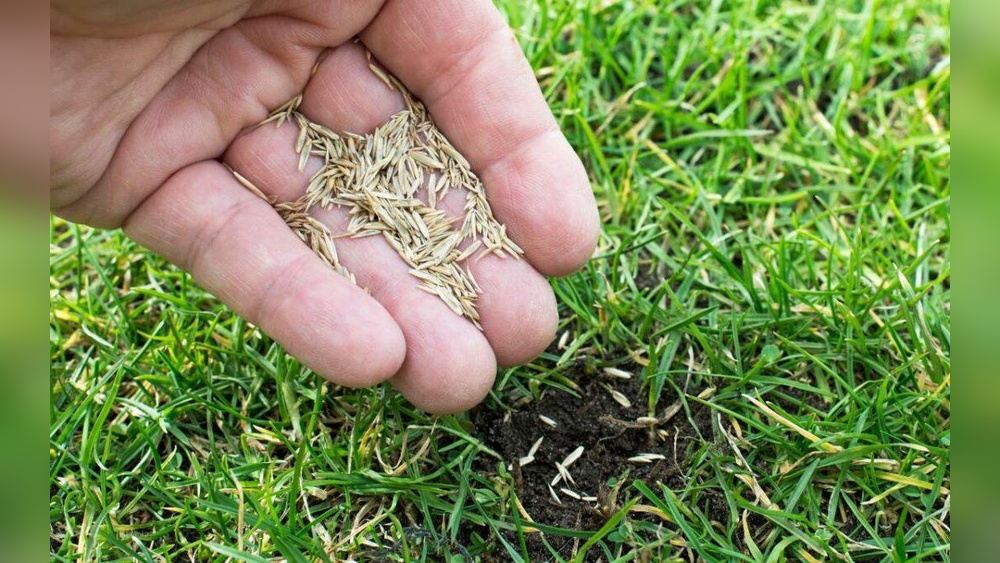
- Increase seed rate: Slightly higher seeding rates can compensate for slower, uneven germination.
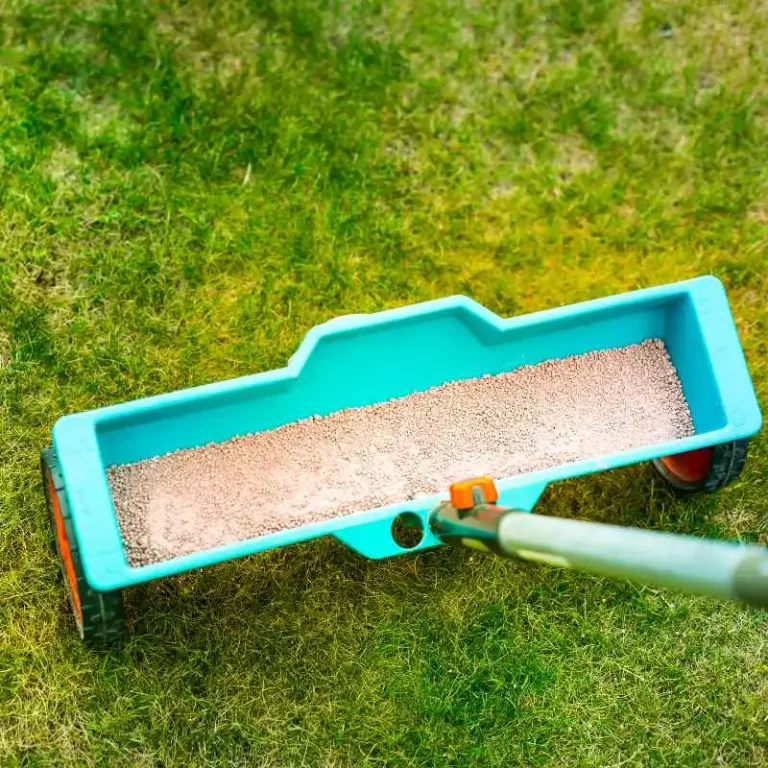
- Use a broadcast spreader: Ensures even distribution.
- Lightly rake or roll: Presses seed into soil for better contact.
Watering And Mulching
- Keep soil moist: Water daily (or more often in dry weather) until seeds sprout.
- Apply straw or biodegradable mulch: Conserves moisture and insulates against temperature swings.
- Avoid overwatering: Prevents fungal issues and seed rot.
Fertilization And Aftercare
- Starter fertilizer: Apply a phosphorus-rich fertilizer to encourage root growth.
- Delay mowing: Wait until new grass is at least 3 inches tall and has been mowed once or twice before regular mowing.
- Minimize foot traffic: Protect fragile seedlings from compaction.
Using Protective Covers
In areas prone to early frost, lightweight row covers can provide a few degrees of protection, extending your growing window by several days.
Example: Late Fall Overseeding Success
Overseeding a patchy lawn with perennial ryegrass in early October, combined with aggressive watering and straw mulch, can result in a surprisingly full lawn by late November, despite a few early frosts.
Warning
Do not apply pre-emergent herbicides before or immediately after seeding, they will prevent your grass from germinating.
Alternatives To Traditional Grass Seeding If It’s Too Late
If the window for successful seeding has closed, you still have options for improving your lawn’s appearance and health until the next planting season.
Sod Installation
Sod provides instant green coverage and can be laid later into the season than seed. However, it is more expensive and requires diligent watering to establish roots before winter.
Dormant Seeding
“Dormant seeding” involves sowing grass seed after soil temperatures drop below germination thresholds (late fall or early winter). Seeds remain dormant until spring, when they germinate naturally as conditions warm.
- Works best in regions with reliable spring moisture
- Risk: Heavy winter rains or melting snow can wash seeds away
Lawn Patch Kits And Mulch Mats
For small bare spots, pre-seeded mulch mats or patch kits offer a quick fix. These are best used for isolated problem areas rather than large-scale repairs.
Ground Covers Or Alternative Lawns
If maintaining a grass lawn is problematic, consider low-maintenance alternatives such as:
- Clover
- Creeping thyme
- Native wildflowers
These options may be seeded or plugged outside prime grass seeding windows, depending on species.
Example: Dormant Seeding In The Midwest
A Minnesota homeowner used dormant seeding in late November after the ground froze. By the following May, the lawn filled in beautifully thanks to ample spring rains and favorable temperatures, despite a snowy winter.
Real-world Case Studies: Successes And Failures In Late Grass Seeding
Learning from real examples can illuminate what works, and what doesn’t, when planting grass seed late in the season.
Case Study 1: Northern Fall Seeding Success
In upstate New York, a homeowner planted tall fescue seed on September 20. Thanks to mild autumn weather, diligent watering, and daily monitoring of soil temperature, germination was rapid, and the lawn established strong roots before frost. The following spring, the lawn was thick and green, outperforming neighboring yards that waited until spring to seed.
Case Study 2: Southern Late-summer Challenge
A Georgia property manager attempted to seed Bermuda grass in mid-September after a hot, dry spell. Although initial growth was promising, an early cold snap in October halted development. Much of the seed failed to mature, resulting in patchy coverage and the need for spring reseeding.
Case Study 3: Urban Microclimate Advantage
A Chicago homeowner with a south-facing, brick-walled backyard successfully seeded Kentucky bluegrass in early October. The retained heat from brick walls and reduced wind exposure extended the germination window, allowing the grass to establish before winter.
Data Table: Late Seeding Outcomes
| Location | Seed Type | Planting Date | Weather Pattern | Outcome |
|---|---|---|---|---|
| Upstate NY | Tall Fescue | Sep 20 | Mild, wet fall | Excellent establishment |
| Atlanta, GA | Bermuda | Sep 15 | Early frost | Poor, patchy lawn |
| Chicago, IL | Bluegrass | Oct 5 | Urban microclimate | Good success |
| Minnesota | Fescue (Dormant) | Nov 25 | Snowy winter | Full lawn in spring |
Lessons Learned
- Local weather overrides the calendar.
- Microclimates can extend opportunities.
- Fast-germinating grass types boost late planting success.
Frequently Asked Questions
Is Dormant Seeding Effective For All Grass Types?
Dormant seeding is most effective for cool-season grasses like fescue and ryegrass, which germinate quickly once spring soil temperatures rise. Warm-season grasses generally do not respond well to dormant seeding because their seeds require higher temperatures and longer growing periods to establish. For best results, use dormant seeding only in regions and with species proven to thrive under this method.
Can You Plant Grass Seed In Winter If There Is No Snow?
Planting grass seed directly onto frozen ground without snow, sometimes called “frost seeding”, can be marginally effective for certain cool-season grasses. However, without a protective snow cover, seeds are vulnerable to wind, birds, and washing away during thaw cycles. If you attempt this, choose a sheltered site and consider using a light mulch to anchor the seed until spring.
How Late Is Too Late For Overseeding An Existing Lawn?
The latest safe date for overseeding depends on your local climate and grass type. As a rule of thumb, overseed at least 6, 8 weeks before the average first frost. If you’re past that window, overseeding may not yield significant results until spring. For late overseeding, use a fast-germinating species and increase aftercare, such as watering and mulching.
Will Using A Seed Blanket Or Hydroseeding Help Late In The Season?
Seed blankets and hydroseeding can improve germination and protect seedlings from erosion and temperature fluctuations, particularly for late-season planting. Seed blankets insulate and retain moisture, while hydroseeding ensures uniform coverage. While these methods can boost your chances, they do not eliminate the risks associated with insufficient growing time before winter or summer heat.
Are There Alternatives To Grass For Quick Lawn Coverage If Seeding Is Too Late?
Yes, alternatives such as sod installation, ground covers, or artificial turf can provide instant or near-instant lawn coverage. Sod is the fastest natural solution but requires substantial watering to root before winter. For longer-term alternatives, explore species like clover, creeping thyme, or native wildflowers, many of which can be planted outside prime grass seeding windows.
No matter how late in the season it feels, understanding your local conditions, grass type, and the science behind seed germination empowers you to make an informed decision. Armed with this knowledge, you can choose the best path forward, whether that’s seeding now, preparing for spring, or exploring alternatives, to achieve the healthy, beautiful lawn you’re aiming for.