How to Plant Flower Seeds for a Low-Maintenance Border
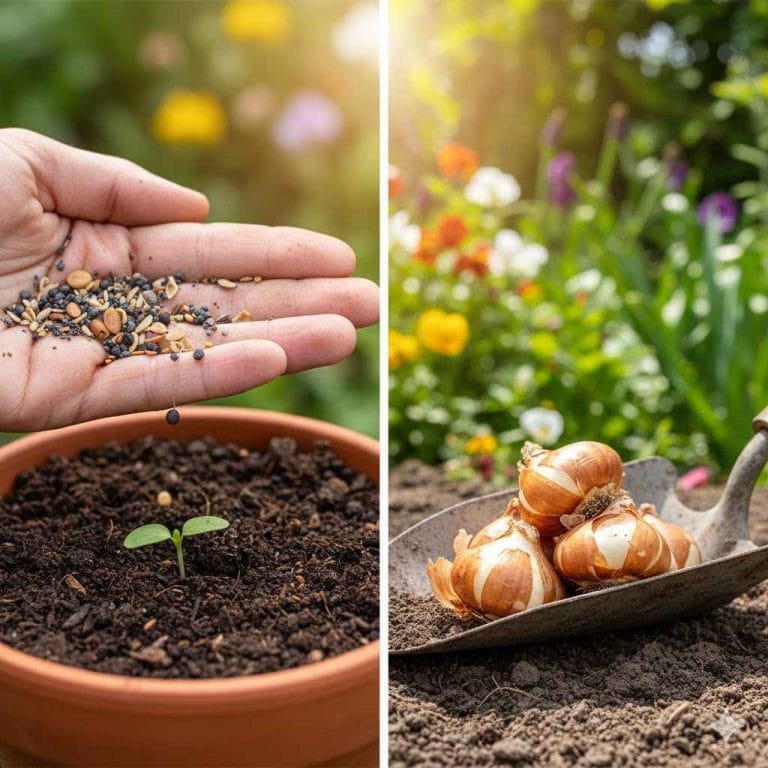
Sow easy self-seeding flowers directly into prepared soil in spring or autumn. Space them at their mature width, then thin seedlings to about one plant every 15 to 30 cm so the border stays orderly with little upkeep. Skip those steps and the border becomes patchy, crowded, weedy, or floppy, which means more staking, thinning, and replanting later. This guide shows which seeds to choose, how to sow them, how far apart to plant, and how to keep the border low-maintenance after germination.
Choose the right border site


A border that stays easy to manage starts with the right exposure. Full sun suits a wide range of seed-grown border flowers, while light shade narrows the list to plants that cope with less heat and slower drying. Good siting also reduces watering once roots are in, which matters more than adding extra feed later.
Full sun, light shade, and what each allows
Full sun suits drought-tolerant annuals, many perennials, and grasses that prefer open, free-draining conditions. Light shade can still work, but choose flowers that tolerate less intense light and accept that growth will usually be softer and slower to dry after rain.
That difference changes upkeep. In sun, seedlings often establish faster if the soil is prepared well and mulched lightly around gaps. In shade, the same border may need tighter weed control and more careful spacing because growth can thin out if plants lean toward the light.
Why drainage matters on heavy soil
Heavy soil can hold water after rain, which may rot seed and leave seedlings weak. If the bed drains badly, improve it before sowing rather than hoping the plants will cope. Add plenty of organic matter, and on sticky ground mix in fine grit so the surface drains and crusts less.
Soil that is too rich can also push soft growth in some flowers, which leads to flopping and more staking. A border does not need to be lean; it needs to be balanced. Compost should improve structure, not turn the bed into a soft feed zone.
How to use simple repetition to cut upkeep
Simple repetition keeps a seed-grown border tidy. Repeating the same few plants or colour groups lets you spot gaps, thin seedlings evenly, and weed without disturbing a crowded mix of one-offs. It also gives a stronger shape, which matters when young plants are still small.
F2. A low-fuss border can use shrubs, grasses, perennials and ground cover plants together. F3. The border planting idea uses simple repetition for impact. That structure lets seed-grown flowers fill the gaps while permanent plants hold the outline.
Prepare the soil before sowing
Good soil preparation is the difference between a neat border and a patch of weak seedlings. Clear weeds, remove roots, improve drainage where needed, and rake the surface to a fine tilth so seed can make proper contact with soil. That preparation matters more than feeding heavily later.
Clear weeds and roots first
Weeds left in place will outpace small seedlings. Pull perennial weeds with their roots, then rake away stones, stems, and debris. The cleaner the surface, the easier it is to see where seed has landed and where gaps still need filling.
A fine, even seedbed also makes thinning simpler. If the surface is cloddy, seed sinks unevenly and seedlings emerge in clusters, which leads to crowding and more work later.
Add compost without overfeeding
F5. The border care plan says to prepare soil with plenty of organic matter. That is the right starting point, but the aim is better texture and moisture balance, not lush growth at any cost. Work compost into the top layer, then stop before the bed becomes soft and over-rich.
For seed sowing, a firm but crumbly surface is better than loose, fluffy compost. Seed needs contact with moist soil, and a bed that is too airy dries too quickly around tiny roots.
Use fine grit on heavy soil for better drainage
On heavy ground, fine grit helps open the surface and reduces capping after rain. Mix it into the top layer rather than leaving it on top like a dressing. The goal is a shallow, quick-draining seed zone, not a deep, fast-draining trench.
A common first-timer mistake is sowing into freshly improved soil that is still lumpy and wet. The seed then sits in pockets, germinates unevenly, and leaves empty strips that weeds fill first.
Which flower seeds suit low-maintenance borders?

The best seed choices are flowers that suit your site, germinate reliably in prepared soil, and do not need regular staking or deadheading to stay presentable. Self-sowing annuals are useful because they can return from seed, but only if you give them space to drop seed and avoid overmanaging them.
Best direct-sown annuals and self-seeders
F10. Examples of self-seeding annuals include marigolds, sweet alyssum, petunias, calendula and cosmos. These are useful in a border because they fill gaps, soften edges, and can be sown straight where they are meant to grow. F9. Self-sowing flowers can save time and money by being planted once for years.
Sunflowers can self-sow if squirrels do not eat them first. That makes them more of a useful border filler than a guaranteed returner, so treat them as a bonus seed source, not the backbone of the scheme.
Perennials and grasses that support structure
F2. A low-fuss border can use shrubs, grasses, perennials and ground cover plants together. Seed-grown annuals fill the gaps, but the border needs a permanent framework so it does not look thin after flowering. Grasses and clump-forming perennials also help hide fading annuals.
F8. Anemanthele lessoniana is described as 1m x 1m. F7. Geranium psilostemon is described as 50cm x 1m. F6. Mahonia ‘Soft Caress’ is described as 1m x 1m. Those mature sizes matter because a border looks tidy only when each plant has room to reach its proper spread.
When to skip aggressive self-sowers
Some self-seeders spread too freely for a neat border. F13. Aggressive self-seeders should be checked with a local extension service. If a plant is known to wander, keep it out of the main sowing plan or confine it to a corner where thinning is easy.
F12. Gardeners should not deadhead self-seeding flowers if they want seeds for next year. That rule is useful only when the plant is wanted back in roughly the same place. If it tends to move too far, selective deadheading and thinning are better than letting it run unchecked.
Should I sow flower seeds directly in the ground or start them indoors?
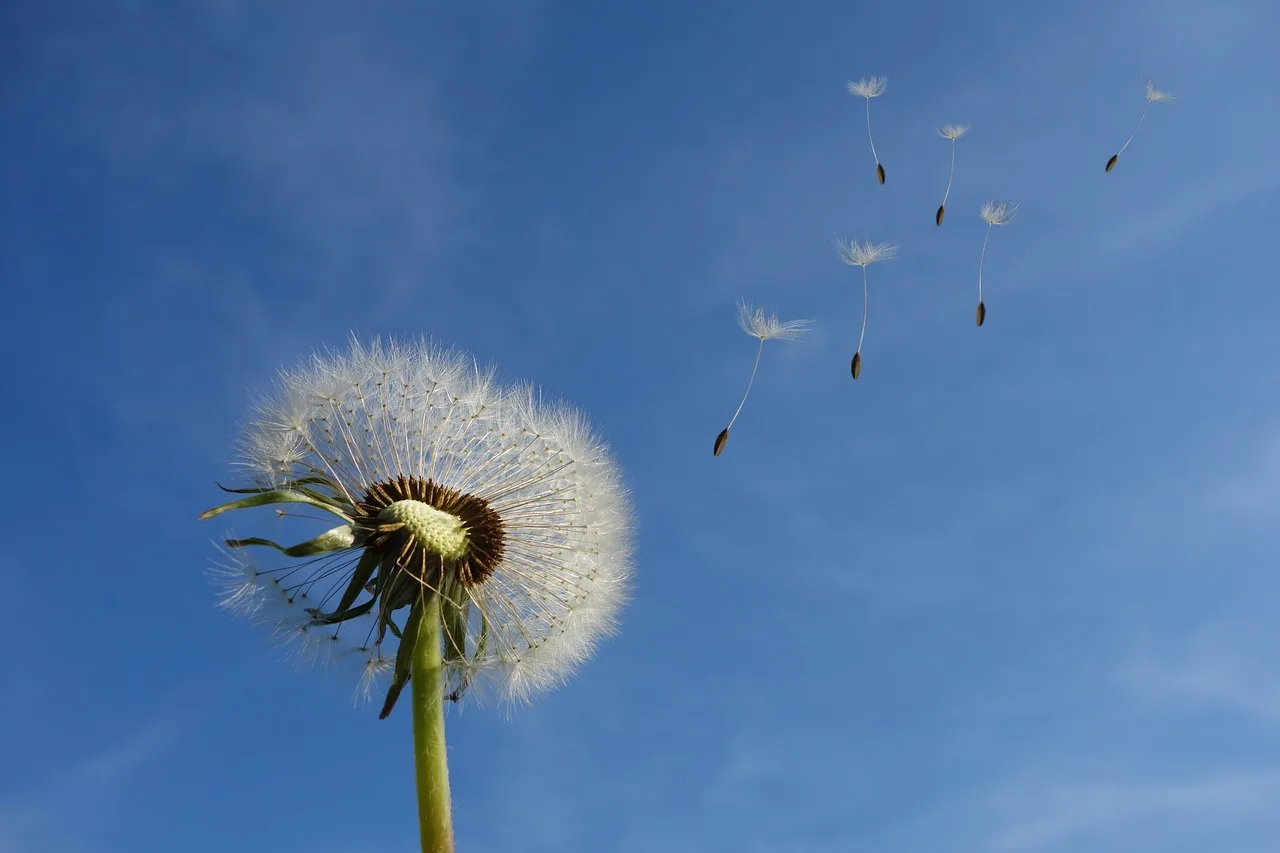
Direct sowing is best for most border fillers, especially self-seeders and flowers that dislike root disturbance. Indoor sowing makes sense for slower growers or for a short season in cooler areas, where you need a head start before moving seedlings into the border.
Seeds that should go straight into the border
Direct sowing works well for annuals and self-seeders that need to settle where they will flower. F15. The border-on-a-budget piece says some annual and perennial seed mixes can be sown directly onto borders. These plants usually prefer a fine seedbed and steady moisture at the surface until they are established.
Direct sowing also suits a border-first plan because it places each plant in its final position. That avoids transplant shock and keeps the spacing consistent from the start.
Seeds that benefit from indoor sowing
Indoor sowing suits seeds that germinate slowly, need warmth, or need a longer season than the site can provide outdoors. It also helps when birds, mice, or heavy rain would disturb tiny seed. Move seedlings on while they are still small, before their roots tangle in pots.
If a plant resents root disturbance, start it in modules or pots rather than deeper trays. Then transplant carefully once the border soil has warmed and can be worked without clumping.
How to match method to season and climate
F4. The border is planted in spring. That is the safest general starting point for a new sowing scheme, because the soil is warming and seedlings can establish before the strongest summer stress arrives. Autumn sowing can also work for hardy types where winters are not severe and the soil drains well.
Suppose a 3 m front edge gets full sun and dries quickly by midsummer. Direct sowing in spring is usually the cleaner choice there, because the seedlings can establish in place and use the available moisture before heat builds. In a colder, shorter-season site, a few plants may still need an indoor start to catch up.
How far apart should you sow?
Spacing should follow mature height and spread, not packet optimism. Crowded seedlings compete for water, lean for light, and stay damp at the base, which invites disease and weak stems. Leave enough room for plants to knit together without turning into a tangle.
Use mature height and spread, not packet optimism
Read the mature spread, then sow for the space you actually have. If the border is narrow, choose compact plants or limit the number of rows. If it is deep, place taller plants in the back and keep the front edge open enough to weed and water without crushing stems.
A tight sowing can look full for a few weeks, then collapse into a tangle that needs staking. A measured sowing looks slower at first, but it is far easier to maintain.
Spacing for the front, middle, and back of the border
- Front zone: use low annual fillers or edging self-seeders, and thin to 15 to 20 cm apart.
- Middle zone: use medium-height annuals and perennials, and thin to 20 to 30 cm apart.
- Back zone: use taller annuals, grasses, or structural perennials, and space them 30 cm apart or wider if the mature spread is larger.
That spacing gives each group enough room to bulk up while still closing the gaps by midseason. It also leaves space for air movement, which helps keep leaves dry after rain.
How to thin seedlings without creating gaps
Thin in two stages if germination is dense. First remove the weakest seedlings, then leave the strongest to the final spacing. Water the soil before thinning so roots come away cleanly and the remaining seedlings do not get disturbed.
Say your calendula has come up in a thick strip along the front edge. Thin that strip on a cool day, leave the strongest stems, and avoid leaving bare patches larger than the spread of nearby leaves. The border keeps its line, and weeds have less open ground to colonise.
Border sowing plan
This table gives a practical seed-first layout for a border that stays easy to manage. It separates front, middle, and back zones so you can match height, spacing, and deadheading to the job each plant is meant to do.
| Border zone | Recommended seed type | Sowing season | Spacing target | Deadheading rule | Maintenance risk notes |
|---|---|---|---|---|---|
| Front | Sweet alyssum, calendula, compact marigold | Spring direct sow | 15 to 20 cm | Skip deadheading if you want reseeding; clip only if plants get tatty | Can self-sow into paths if seed is left unchecked; thin seedlings early |
| Middle | Cosmos, geraniums from seed, annual fillers mixed with perennials | Spring direct sow or indoor start for slower sites | 20 to 30 cm | Deadhead selectively for repeat bloom, but leave some seedheads if reseeding is wanted | Overfeeding can push floppy growth; crowded plants may need light support |
| Back | Taller annuals, grasses, structural perennials | Spring direct sow, or autumn where conditions suit | 30 cm or more, based on mature spread | Remove spent flowers only if you want a cleaner finish; keep seedheads for winter structure when suitable | Watch for tall, soft growth and self-seeders that wander into the middle zone |
Keep the border low-maintenance after sowing
After sowing, the work changes from setup to restraint. Watering should support germination and early rooting, then ease off as plants establish. Deadheading should be selective. Spread control should happen early, before any self-sower starts making the border messy.
Watering during germination and establishment
Keep the surface evenly moist until seedlings are up and rooted. That usually means light, regular watering rather than deep soakings that wash seed out of place. Once roots reach deeper moisture, reduce the frequency and water only when the top layer dries.
Seed needs soil contact to germinate well. If the surface dries out or crusts over, germination becomes patchy and the border fills unevenly.
Deadheading rules for repeat bloom and self-seeding
Deadheading is useful when you want repeat bloom, tidier plants, or fewer spent flowers. It is the wrong move for self-seeding flowers you want to return next year. F12. Gardeners should not deadhead self-seeding flowers if they want seeds for next year.
A good compromise is to deadhead most stems and leave a few seedheads on the plants you want to return. That keeps the border presentable without cutting off every chance of reseeding.
How to stop spread from getting messy
Watch for self-sowers that drift into the wrong zone. Pull extra seedlings while they are small, and thin any clumps that crowd a path or cover a shorter plant. That keeps the border readable and stops one eager annual from taking over the whole edge.
Do not feed heavily just to speed fill-in. Over-rich soil and overclose spacing often cause the same problem: weak stems, soft growth, and more maintenance. A leaner, better-spaced border is easier to keep tidy than a crowded one.
Frequently asked questions
How do I plant flower seeds for a low-maintenance border?
Prepare the soil well, sow in the right season, and match each seed to the border zone it will occupy. Direct sow most easy annuals and self-seeders into fine, weed-free soil, then thin seedlings to their mature spacing. That gives you a border that fills in without constant staking or replanting.
What flower seeds are easiest to sow for a low-maintenance border?
Easy choices include marigolds, sweet alyssum, calendula, cosmos, and some petunias. These are useful because they can be direct sown, fill gaps quickly, and, in the case of self-seeders, may return if you leave some seedheads in place. Pick compact forms, not sprawling ones.
When should I sow flower seeds for a border?
Spring is the safest general time for a new border sowing, especially where you want reliable germination and quick establishment. Autumn sowing can work for hardy types in free-draining soil. Use indoor sowing only where a longer season or a warmer start is needed.
How far apart should I plant flower seeds in a border?
Space seedlings by their mature spread, then thin to about 15 to 30 cm in many border situations, with wider spacing for taller plants and tighter spacing only for compact edging flowers. Crowding causes weak stems, poorer air flow, and more disease pressure, so leave room from the start.
What flowers self-seed and come back every year?
Marigolds, sweet alyssum, petunias, calendula, and cosmos are common self-seeders in the right conditions. Sunflowers may also self-sow, though wildlife can remove the seed. Leave seedheads on the plants you want back, and thin any seedlings that appear too close together or in the wrong place.