Seeds vs Bulbs: A Proven Guide to the Best Garden
Choosing between seeds and bulbs depends on your goals. Seeds offer huge variety and are very affordable, but require more time and patience. Bulbs are easier to plant, grow faster, and are very reliable, making them a great choice for beginners who want guaranteed blooms. Your best garden often uses a mix of both!

Willard & May
Complete Spring Flower Bulb Garden – Mixed…
- ALL-IN-ONE SPRING GARDEN KIT: Includes a vibrant mix of top-performing Tulips, cheerful Daffodils, and fragrant Hyacinths to bloom…
- EASY TO GROW & NATURALIZE: Perfect for all skill levels; plant in fall for colorful flowers year after year. Ideal for borders, be…
- HARDY & RELIABLE BLOOMS: Suitable for USDA zones 3 to 8. Cold-hardy and deer-resistant varieties ensure successful spring color.
As an Amazon Associate I earn from qualifying purchases.
For a closer seed-versus-bulb example, What Is The Difference Between Dahlia Seeds And Bulbs breaks down the choice in a more specific garden context.
Hello, fellow gardeners! My name is Md Saiful Islam, and I’m here to help you grow the garden of your dreams. One of the first questions I often hear is, “Should I plant seeds or bulbs?” It’s a great question! Walking through a garden center, you see packets of tiny seeds and bags of strange-looking bulbs, and it can feel a bit confusing.
You might worry about making the wrong choice or wasting your time and money. But I want you to know that there’s no single “right” answer. The best choice depends on what you want to grow, how much time you have, and your budget. In this guide, I’ll walk you through everything, step by step. We’ll make this simple, clear, and fun. By the end, you’ll feel confident picking the perfect option for your beautiful garden.
What Are Seeds? The Tiny Powerhouses of the Garden
Let’s start with the very beginning of a plant’s life: a seed. A seed is essentially a baby plant, tucked away in a protective outer coating with its own packed lunch (called the endosperm). When you give it the right conditions—soil, water, and warmth—it wakes up and starts to grow. This process is called germination.
Think about all the plants you know. From towering sunflowers and delicious tomatoes to fragrant basil and fields of wildflowers, almost all of them start from a tiny seed. It’s nature’s amazing way of creating new life.
Pros of Planting Seeds
- Incredible Variety: The world of seeds is vast! You can find thousands of varieties of flowers, vegetables, and herbs. Want to grow a purple carrot or a striped tomato? You can probably find a seed for it. This is where you can get really creative.
- Very Budget-Friendly: A single packet of seeds can contain dozens, sometimes hundreds, of seeds for just a few dollars. If you want to fill a large garden bed without spending a lot of money, seeds are the way to go.
- Fun and Rewarding: There is a special kind of magic in watching a tiny seed you planted sprout from the soil and grow into a full, beautiful plant. It’s an incredibly rewarding experience that connects you to the entire life cycle of the plant.
- Easy to Store: Seed packets are small and lightweight. You can easily store them in a cool, dark, and dry place for the next growing season if you don’t use them all.
Cons of Planting Seeds
- They Take More Time: Seeds need time to germinate and grow into a strong seedling before they can be planted outside. This often means you need to start them indoors weeks or even months before the last frost.
- Germination Can Be Tricky: Not every seed will sprout. Some seeds need specific conditions, like light or cold, to germinate. For a beginner, it can be a little disappointing when some seeds don’t grow.
- Vulnerable When Young: Tiny seedlings are delicate. They are susceptible to pests, diseases, and being washed away by heavy rain. They need a bit more care and attention in their early stages.
- Patience is Required: From seed to flower or fruit can take a long time. You won’t get the instant gratification that you might with other types of plants.

What Are Bulbs? Nature’s Underground Storage Units
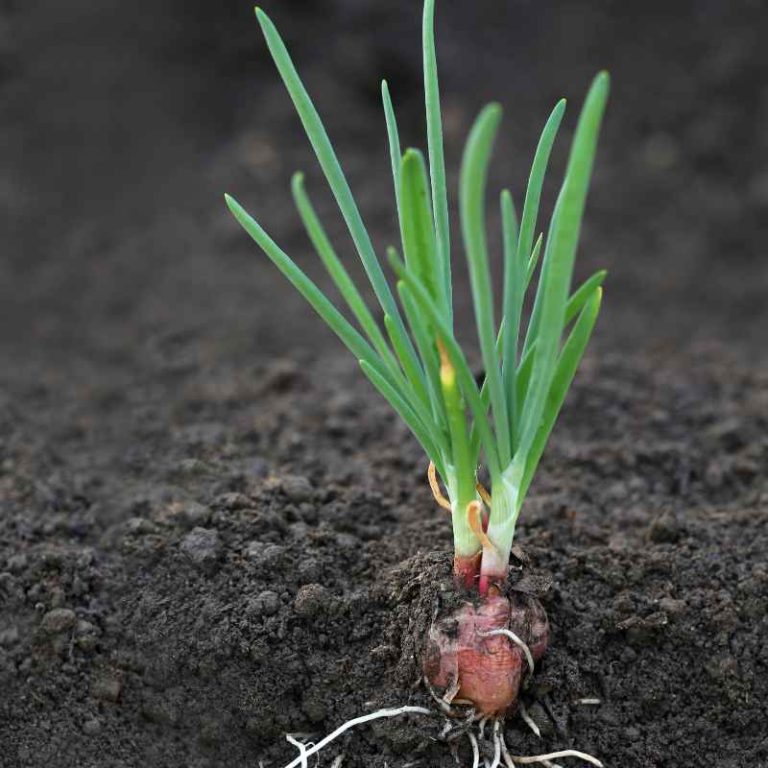
Now, let’s talk about bulbs. A bulb isn’t a seed; it’s an entire underground storage system for a plant. Inside a bulb, you’ll find a miniature, pre-formed flower and all the food (carbohydrates) it needs to grow and bloom for its first season. Think of it as a fully-stocked pantry that helps the plant get a huge head start.
When you plant a bulb, you’re essentially planting a dormant, partially grown plant. Tulips, daffodils, lilies, and alliums are some of the most famous plants that grow from bulbs. They are known for their big, spectacular flowers that often signal the arrival of spring.
Pros of Planting Bulbs
- Extremely Reliable: Because the flower is already formed inside, bulbs are almost guaranteed to bloom if planted correctly. This makes them a fantastic choice for beginners who want to ensure success.
- Fast Results: Bulbs grow quickly. You plant them in the fall, and in the spring, you get big, beautiful flowers without a long wait. It feels like instant gardening!
- Low Maintenance: Once planted, many bulbs are very low-maintenance. Perennial bulbs, like daffodils, will come back year after year with very little effort from you.
- Bigger, Bolder Plants: Plants grown from bulbs are often larger and have more dramatic flowers than those grown from seed in their first year. They put on a real show.
Cons of Planting Bulbs
- Higher Cost Per Plant: One bulb grows one plant. They are sold individually or in small bags and cost more per plant than seeds. Filling a large area with bulbs can become expensive.
- Less Variety: While there are many beautiful types of bulbs, the overall variety doesn’t compare to the vast world of seeds. You are limited to plants that naturally grow from bulbs.
- Specific Planting Times: Most spring-flowering bulbs (like tulips and daffodils) must be planted in the fall to give them the cold period they need to bloom. You have a specific window of time to get them in the ground.
- Can Be a Target for Pests: Some animals, like squirrels and chipmunks, love to dig up and eat certain types of bulbs (especially tulips). You may need to take steps to protect them.
Seeds vs Bulbs: The Ultimate Comparison
To make the choice even clearer, let’s put them side-by-side. This table breaks down the key differences between starting your garden with seeds versus bulbs.
| Feature | Seeds | Bulbs |
|---|---|---|
| Cost | Low cost. A single packet can grow many plants. | Higher cost per plant. Priced individually or in small bags. |
| Variety | Almost limitless. Thousands of choices for flowers, herbs, and vegetables. | Limited to plants that grow from bulbs, corms, or tubers. |
| Effort & Time | Higher initial effort. Requires starting indoors, careful watering, and transplanting. Takes longer to see flowers or fruit. | Low effort. Simple to plant directly in the garden. Grows much faster. |
| Reliability | Variable. Germination is not always 100% successful. Seedlings are fragile. | Very high. Almost guaranteed to grow and bloom if planted correctly. |
| Planting Season | Varies by plant. Many are started indoors in late winter or planted outside in spring. | Specific. Spring-blooming bulbs are planted in fall; summer-blooming bulbs in spring. |
| Best For | Budget gardeners, large areas, unique varieties, and those who enjoy the growing process. | Beginners, guaranteed results, low-maintenance gardens, and big, dramatic spring color. |
When Should You Plant Seeds?
Seeds are your best friend when you want to explore, experiment, and grow a lot for a little. Here are the perfect situations for choosing seeds:
- You’re Planting a Vegetable Garden: Most vegetables, like tomatoes, peppers, lettuce, and carrots, are grown from seed. It’s the most practical and cost-effective way to grow your own food.
- You Want to Grow Annual Flowers: Annuals are flowers that complete their entire life cycle in one year (like marigolds, zinnias, and cosmos). Since you need to replant them every year, starting from seed is much cheaper than buying dozens of individual plants.
- You Have a Large Area to Fill: If you want to create a wildflower meadow or fill a big, empty garden bed, seed mixes are the only affordable way to do it.
- You’re Looking for Something Unique: If you love heirloom varieties or unusual plants, the seed catalogs are your treasure map. You’ll find things there you could never find as started plants at a nursery.
- You Enjoy the Journey: For many gardeners, the process of nurturing a plant from a tiny seed is the most rewarding part of gardening. If this sounds like you, you’ll love working with seeds.
When is Planting Bulbs the Better Choice?
Bulbs are the superstars of reliability and spectacular displays. Choose bulbs in these scenarios:
- You’re a Beginner and Want Guaranteed Success: If you are new to gardening, bulbs are a fantastic way to build your confidence. It’s hard to go wrong, and the beautiful results will make you feel like a pro.
- You Want a Burst of Early Spring Color: Nothing beats the winter blues like a wave of colorful crocuses, daffodils, and tulips. For that first big show of the season, bulbs are essential.
- You Want a Low-Maintenance Perennial Garden: Many bulbs are perennials, meaning they come back year after year. Plant a bed of daffodils once, and you can enjoy them for a decade or more with almost no work.
- You Are “Forcing” Blooms Indoors: You can trick bulbs like paperwhites and amaryllis into blooming indoors during the winter for some beautiful, fragrant color. This is a fun project that is unique to bulbs.
- You Want a Formal, Structured Look: Because bulbs produce uniform plants, they are perfect for creating neat borders, geometric patterns, and formal-looking garden designs.
How to Plant Seeds Like a Pro (Even on Your First Try)
Feeling ready to try seeds? It’s easier than you think! Let’s walk through the basic steps for starting seeds indoors, which gives them a healthy head start.
- Gather Your Supplies: You’ll need a seed-starting mix (a light, fluffy soil mix), containers with drainage holes (seed trays or even yogurt cups with holes poked in them), the seeds themselves, a spray bottle, and a warm, sunny spot.
- Read the Seed Packet: This is your most important instruction manual! It will tell you how deep to plant the seed and when to start it indoors based on your area’s last frost date.
- Fill Your Containers: Moisten your seed-starting mix with water until it’s damp like a wrung-out sponge. Fill your containers, gently tapping them to settle the soil. Don’t pack it down tightly.
- Plant the Seeds: Plant two or three seeds in each container at the depth recommended on the packet. A good rule of thumb is to plant a seed about twice as deep as it is wide. Very tiny seeds can just be sprinkled on the surface and gently pressed in.
- Water Gently: Use your spray bottle to gently mist the soil surface. This prevents the seeds from being washed away. Cover the containers with a plastic dome or plastic wrap to keep the humidity high, which helps germination.
- Provide Warmth and Light: Place your containers in a warm spot. They don’t need light until they sprout. Once you see the first green shoots, remove the plastic cover and move them to a sunny, south-facing window or place them under a grow light.
- Care for Your Seedlings: Keep the soil consistently moist but not soggy. As your seedlings grow, you may need to “thin” them by snipping the weakest ones at the soil line, leaving just one strong seedling per container. This feels tough, but it’s necessary for a healthy plant!
How to Plant Bulbs for Stunning Blooms
Planting bulbs is one of the simplest and most satisfying garden tasks. Most spring-blooming bulbs are planted in the fall. Here’s how to do it.
- Choose Healthy Bulbs: Look for bulbs that are firm and plump, not mushy, dried out, or moldy. Bigger bulbs generally produce bigger flowers.
- Find the Right Spot: Most bulbs need a spot with well-draining soil and plenty of sunshine. They hate “wet feet,” so avoid areas where water puddles after rain.
- Dig the Right-Sized Hole: The golden rule for planting bulbs is to dig a hole that is two to three times as deep as the bulb is tall. So, a 2-inch tall bulb should be planted in a hole 4 to 6 inches deep. For guidance on specific bulb depths, you can check resources like this one from the University of Minnesota Extension.
- Plant Pointy-Side Up: This is the most important part! Bulbs have a pointed end where the stem will sprout and a flatter, rooty end. Make sure you place the bulb in the hole with the pointy end facing up toward the sky.
- Arrange Them in Groups: For the most natural and visually stunning look, plant bulbs in groups or clusters rather than single, straight lines. A group of 5, 7, or 9 daffodils looks much better than a single row.
- Cover and Water: Fill the hole back in with soil, gently patting it down. Give the area a good watering to help settle the soil and encourage the roots to start growing.
- Add Mulch (Optional): A layer of mulch, like shredded leaves or bark, can help protect the bulbs over the winter and keep weeds down in the spring.
Combining Seeds and Bulbs for a Year-Round Garden
The truly magical garden isn’t a “seeds vs bulbs” battle—it’s a partnership! By using both, you can create a garden that has something beautiful happening in every season.
A Simple Strategy for a Layered Garden:
- Fall: Plant your spring-flowering bulbs like tulips, daffodils, and hyacinths. This is the foundation for your spring show.
- Late Winter/Early Spring: Start seeds for your slow-growing annuals and vegetables indoors.
- Spring: As your bulbs are blooming beautifully, you can plant cool-season annual seeds (like pansies and snapdragons) directly in the garden around them. Transplant your indoor seedlings outside after the last frost has passed.
- Summer: The annuals and perennials you grew from seed will take over, filling in the spaces left behind as the bulb foliage dies back. Your garden will be lush and full of color all summer long.
By layering your plantings this way, you ensure there are no empty gaps. As one set of plants finishes its show, the next is ready to take center stage.

FAQ: Your Seeds vs Bulbs Questions Answered
1. Which is better for a total beginner, seeds or bulbs?
For a complete beginner looking for guaranteed success and a boost of confidence, bulbs are the better choice. They are incredibly reliable and easy to plant, and they provide big, beautiful results with minimal effort.
2. Can I plant bulbs in the spring?
Yes, but it depends on the type. Spring is the time to plant summer-blooming bulbs like dahlias, gladiolus, and lilies. Spring-blooming bulbs like tulips and daffodils must be planted in the fall because they need a long period of cold weather to develop their flowers.
3. Do I need special lights to start seeds indoors?
While a very sunny, south-facing window can work, seedlings often become “leggy” (tall and spindly) as they stretch for light. A simple, inexpensive LED shop light hung a few inches above the seedlings provides much better results and will give you stronger, healthier plants.
4. Why didn’t my seeds sprout?
There could be several reasons. The most common are: the soil was too cold, the soil was too dry or too wet, the seeds were planted too deep, or the seeds were old. Always check your seed packet for the specific conditions your seeds need to germinate.
5. Do I have to dig up my bulbs every year?
No, not usually. Most common bulbs, like daffodils, crocuses, and hyacinths, are perennials and can be left in the ground to bloom again year after year. Some tulips and gladiolus may perform better if they are dug up and stored after their foliage has died back, but for a low-maintenance garden, choose perennial bulbs.
6. What does “thinning seedlings” mean and why is it important?
Thinning means removing extra seedlings to leave only the strongest one in each pot or space. While it feels counterintuitive to pull out healthy plants, it’s crucial. If too many seedlings grow together, they will compete for light, water, and nutrients, and none of them will grow strong and healthy.
7. Can I save seeds from my own plants?
Absolutely! Saving seeds from open-pollinated or heirloom plants is a fun and sustainable way to get free seeds for next year. However, be aware that seeds saved from hybrid plants (often labeled F1) may not produce plants that are true to the parent.
Your Garden, Your Choice: Bringing It All Together
As you can see, the choice between seeds and bulbs isn’t about which one is better overall, but which one is better for you and your garden right now. Both offer unique joys and rewards. Seeds invite you on a journey, allowing you to nurture life from its tiniest beginning while offering endless variety on a small budget.
Bulbs, on the other hand, offer the gift of reliability and spectacular, low-effort beauty. They are the perfect way to guarantee a burst of color and build your confidence as a new gardener.
Don’t feel like you have to choose just one. The most vibrant, interesting, and beautiful gardens are often those that embrace both. Plant bulbs in the fall for that first glorious wave of spring color, and sow seeds for a summer filled with unique flowers and delicious vegetables. Experiment, have fun, and don’t be afraid to try something new. The perfect garden is the one that brings you joy. Happy planting!
Related pick: Check today's price on Amazon