Taking care of a bonsai tree for beginners involves four key steps. First, place your tree in a spot with plenty of bright, indirect light. Second, water it thoroughly only when the top inch of soil feels dry. Third, feed it with a balanced bonsai fertilizer during the growing season. Finally, prune it gently to maintain its shape.

As an Amazon Associate I earn from qualifying purchases.
For another bonsai-specific follow-up, How To Care For A Juniper Bonsai Tree In Wisconsin Climate gives readers a related care or selection angle.
For another bonsai-specific follow-up, How To Care For A Haematoxylum Campechianum Bonsai Tree gives readers a related care or selection angle.
Hello, fellow plant lovers! My name is Md Saiful Islam, and I’m here to guide you on your gardening journey. Have you ever looked at a beautiful bonsai tree and felt a mix of wonder and worry? You are not alone. Many people think bonsai care is a difficult secret. But I promise you, it is not. With a little guidance, you can grow a happy and healthy miniature tree.
Bonsai is a wonderful hobby that brings nature into your home. It teaches patience and care. But it can feel sad when your tiny tree starts to struggle. This guide will show you the simple, step-by-step way to take care of your first bonsai. We will cover everything you need to know. Let’s start this rewarding journey together!
What is a Bonsai Tree, Really?
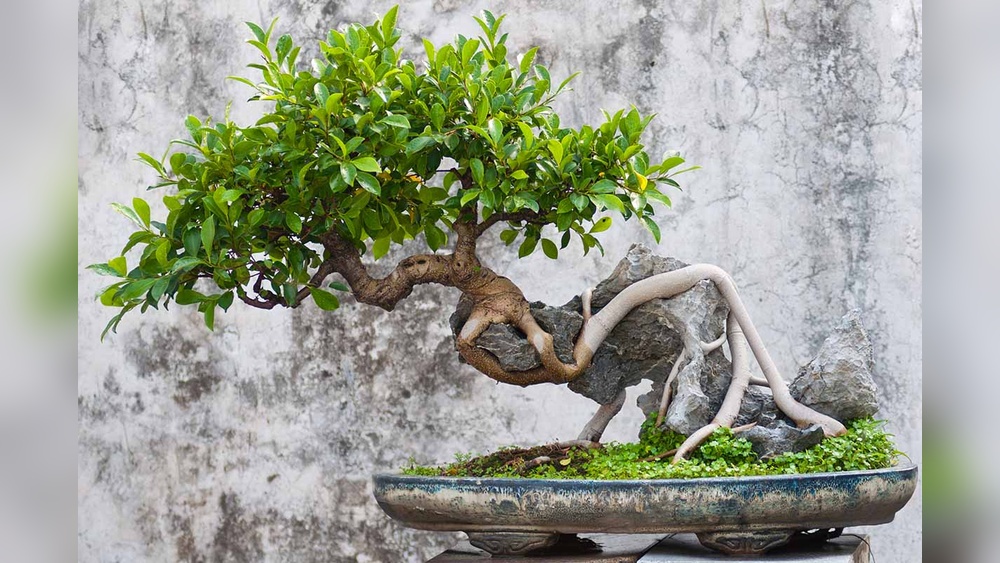
Before we dive into care, let’s clear up a common misunderstanding. A bonsai is not a specific type of dwarf tree. Instead, “bonsai” is the Japanese art of growing and shaping a miniature tree in a container. You can create a bonsai from many different tree species, from hardy Junipers to tropical Ficus trees.
The goal is to create a small tree that looks like a beautiful, full-sized tree in nature. It’s a living work of art that you get to nurture and shape over time. Think of yourself as a gentle guide for your tree, helping it grow into a stunning shape. It’s a partnership between you and your plant.

Choosing Your First Bonsai Tree
The first step to success is choosing the right tree. For beginners, it’s best to start with a species that is forgiving and easy to care for. Your choice will also depend on whether you plan to keep your tree indoors or outdoors.
Indoor vs. Outdoor Bonsai
This is a very important distinction. Not all trees can live inside your home.
- Indoor Bonsai: These are usually tropical or subtropical trees that cannot survive cold winters. They thrive in the stable temperatures of a home year-round. A Ficus bonsai is a perfect example and one of the best choices for a beginner.
- Outdoor Bonsai: These trees are from temperate climates, like Junipers, Maples, and Pines. They need to experience the changing seasons, including a cold winter dormancy period, to stay healthy. Keeping an outdoor bonsai inside all year will weaken and eventually kill it. You can learn more about which plants grow best in your area by checking the USDA Plant Hardiness Zone Map.
For your very first tree, I highly recommend starting with an indoor species like a Ficus. They are much more tolerant of beginner mistakes and adapt well to indoor conditions.
Top 3 Beginner-Friendly Bonsai Species
To help you choose, here is a simple table comparing three of the best bonsai trees for beginners.
| Tree Species | Best Location | Watering Needs | Light Needs |
|---|---|---|---|
| Ficus (Ficus retusa) | Indoor | Moderate (forgiving of occasional over/underwatering) | Bright, indirect light |
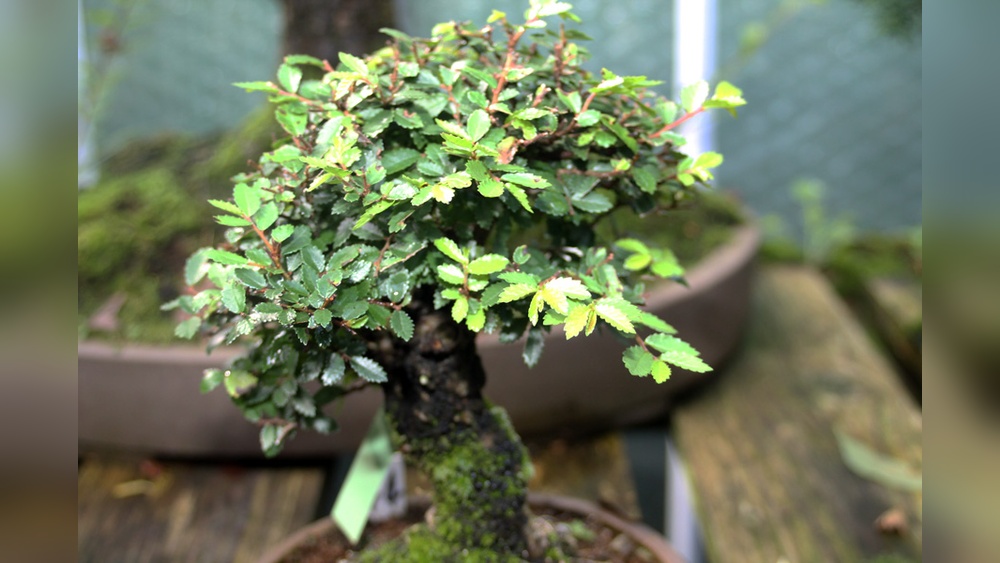
| Chinese Elm (Ulmus parvifolia) | Indoor or Outdoor | Likes to be consistently moist, but not soggy | Bright light; can handle some direct sun |
| Juniper (Juniperus procumbens) | Outdoor Only | Allow soil to dry slightly between waterings | Full sun (at least 6 hours) |
The 4 Pillars of Bonsai Care
Great bonsai care comes down to mastering four simple things. I call them the “Four Pillars.” If you can get these right, your tree will thrive. Let’s break down each one.
- Watering: Giving your tree the right amount of water.
- Light: Placing your tree where it gets enough sunlight.
- Soil & Repotting: Using the right soil and moving it to a new pot when needed.
- Fertilizing: Feeding your tree the nutrients it needs to grow.
Pillar 1: Watering Your Bonsai Correctly
Watering is the most important part of bonsai care. It’s also where most beginners make mistakes. Because bonsai live in small, shallow pots, their soil can dry out very quickly. But they also hate sitting in water. Finding the right balance is key.
How Often Should You Water?
The single most important tip I can give you is this: do not water on a fixed schedule. Do not water every day or every Monday. Instead, water your tree when it needs it. How do you know when it needs it?
Touch the soil! Stick your finger about half an inch deep into the soil. If it feels dry, it’s time to water. If it feels moist, wait another day and check again. The frequency will change based on:
- The type of tree
- The size of the pot
- The type of soil
- The time of year
- The temperature and humidity in your home
Generally, you might water every 2-3 days in the summer and less often in the winter, but always check the soil first.
The Right Way to Water
When it’s time to water, do it thoroughly. Don’t just give it a little sip.
- Check the Soil: First, confirm that the top layer of soil is dry.
- Use a Gentle Stream: Use a watering can with a fine nozzle or a gentle hose setting. This prevents you from washing away the soil.
- Water Thoroughly: Water the entire soil surface evenly. Keep watering until you see water flowing freely out of the drainage holes at the bottom of the pot. This ensures the entire root system gets a drink.
- Let it Drain: Allow the pot to drain completely. Never let your bonsai sit in a tray full of water, as this can cause root rot.
Another great method, especially if your soil has become very dry, is the immersion method. Simply place the entire pot in a sink or tub of water, up to the rim of the pot. Let it soak for 5-10 minutes until the air bubbles stop rising. Then, lift it out and let it drain fully.
Signs of Overwatering vs. Underwatering
It can be tricky to tell if your tree is getting too much or too little water. Here is a helpful chart to diagnose the problem.
| Symptom | Possible Cause: Overwatering | Possible Cause: Underwatering |
|---|---|---|
| Yellow Leaves | Leaves turn yellow and soft, may feel mushy. Often affects older, inner leaves first. | Leaves turn yellow and crispy, starting at the tips or edges. |
| Wilting | The entire tree looks droopy, even when the soil is wet. Roots are rotting and can’t absorb water. | The tree looks droopy and the soil is bone dry. Leaves feel dry. |
| Leaf Drop | Leaves drop off easily, even green ones. | Dry, brown, or yellow leaves drop off. |
| Branch Health | Branches may become soft or turn black at the tips due to root rot. | Branches become brittle and dry, and may snap easily. |
Pillar 2: Finding the Perfect Light
Light is food for your bonsai. All plants use sunlight to create energy through a process called photosynthesis. The amount of light your tree needs depends on its species.
Indoor Bonsai Light Needs
Most indoor bonsai are tropical trees that grow under the canopy of larger trees in their natural habitat. This means they love bright light, but can be burned by harsh, direct afternoon sun.
- The Best Spot: Place your indoor bonsai near a south-facing window. This provides the most light throughout the day. East or west-facing windows are also good options.
- Not Enough Light?: If your home is dark, you may need a grow light. A simple LED grow light placed above the tree for 12-14 hours a day can make a huge difference.
- Rotate Your Tree: Give your tree a quarter turn every week. This ensures all sides of the tree get light, promoting even growth and preventing it from leaning in one direction.
Outdoor Bonsai Light Needs
Outdoor species like Junipers and Pines are sun lovers. They need several hours of direct sunlight each day to thrive.
- Morning Sun is Best: The ideal location for most outdoor bonsai is one that gets direct morning sun and some shade during the hottest part of the afternoon. Intense afternoon sun can scorch the leaves and dry out the soil too quickly.
- Winter Care: During winter dormancy, your outdoor tree still needs light, but its main need is protection from harsh winds and extreme cold. Moving it to a sheltered spot, like against a wall or in an unheated garage, is a good idea.
Pillar 3: The Importance of Bonsai Soil
Bonsai trees are not planted in regular potting soil. Standard potting mix holds too much water and doesn’t provide enough air for the roots, which can quickly lead to root rot in a small bonsai pot.
Bonsai soil is a special mixture designed for three things:
- Good Drainage: Water should pass through it quickly.
- Good Aeration: It allows air to reach the roots.
- Some Water Retention: It holds just enough moisture for the tree to drink between waterings.
The mix is usually made of components like akadama (a hard-baked Japanese clay), pumice, and lava rock. As a beginner, you don’t need to worry about mixing your own. You can buy excellent pre-mixed bonsai soil from nurseries or online retailers.
When to Repot Your Bonsai
Because your tree lives in a tiny pot, it will eventually use up all the space and nutrients in the soil. Repotting is necessary to give it fresh soil and to trim its roots, which encourages the growth of a fine, healthy root system. A young, growing tree usually needs to be repotted every 2 years. Older, more mature trees can go 3-5 years.
Look for these signs that it’s time to repot:
- The tree seems to lift out of the pot, pushed up by its roots.
- You can see a dense mat of roots circling the bottom of the pot.
- Water takes a very long time to drain through the soil.
- The tree looks weak or its growth has slowed down significantly.
The best time to repot is in early spring, just as the new buds are beginning to swell. This is when the tree has the most energy to recover.
Pillar 4: Fertilizing for Healthy Growth
The small amount of soil in a bonsai pot can’t hold many nutrients. Fertilizing is how you feed your tree and give it the building blocks it needs to grow strong leaves and branches.
What Kind of Fertilizer to Use?
The easiest option for a beginner is a balanced liquid fertilizer made specifically for bonsai trees. “Balanced” means it has equal amounts of the three main nutrients: Nitrogen (N), Phosphorus (P), and Potassium (K). You can also use solid organic fertilizer pellets, which release nutrients slowly every time you water.
How and When to Fertilize
Timing is important. Only fertilize your tree during its growing season, which is typically from early spring through mid-autumn. Do not fertilize in the winter when the tree is dormant or growing very slowly.
Follow these simple rules:
- Follow the Instructions: Always read the directions on the fertilizer package. Many people recommend using liquid fertilizer at half the recommended strength to avoid burning the tree’s delicate roots.
- Water First: Never fertilize a tree with dry soil. Water your tree thoroughly as you normally would, wait a little while, and then apply the fertilizer.
- Be Consistent: Fertilize regularly throughout the growing season, perhaps every two weeks with liquid fertilizer or as directed for solid pellets.
- Don’t Fertilize a Sick Tree: If your tree is struggling, fertilizer is not medicine. Figure out the underlying problem (usually watering or light) first. Fertilizing a stressed tree can do more harm than good.
Basic Bonsai Shaping: Pruning and Wiring
This is the fun, creative part of bonsai! Shaping your tree is what turns it from a simple plant in a pot into a work of art. For beginners, we will focus on the most basic technique: maintenance pruning.
Maintenance Pruning
This is like giving your tree a regular haircut. The goal is to keep its beautiful shape and encourage it to grow dense, compact foliage. It’s very simple.
- Use the Right Tools: You will need a pair of sharp, clean bonsai shears or concave cutters. Clean tools prevent the spread of disease.
- Trim New Growth: As your tree grows, it will send out new shoots. To maintain the tree’s compact shape, let a new shoot grow a few sets of leaves, and then trim it back to just one or two sets of leaves.
- Remove Unwanted Branches: Prune away any branches that are dead, broken, or growing in an awkward direction (like straight up or down). Also, remove any branches that cross or rub against another branch.
A Gentle Introduction to Wiring
Wiring is a more advanced technique where you wrap special aluminum or copper wire around the branches to gently bend and position them. This lets you create the beautiful, flowing shapes you see in mature bonsai. As a beginner, I suggest you focus on pruning first. Once you feel comfortable, you can start with one or two simple wires on smaller branches. Watch plenty of videos and remember to never apply the wire so tightly that it cuts into the bark.
Common Problems for Beginners and How to Fix Them
Every gardener runs into problems. Don’t be discouraged! Here are a few common issues and their simple solutions.
- Pests: Tiny insects like aphids, spider mites, or scale can sometimes appear on your tree. Look for sticky spots, fine webbing, or the insects themselves. The best solution is often a simple spray of insecticidal soap, which you can buy at any garden center. The University of Maryland Extension has great advice on managing common houseplant pests.
- Yellowing Leaves: This is almost always a watering issue. Refer back to the overwatering vs. underwatering table. Is the soil too wet or too dry? Adjust your watering habits accordingly.
- Leaf Drop: If your bonsai suddenly drops a lot of leaves, it’s a sign of stress. This is common after a big change, like moving it to a new location or bringing it home from the nursery. Keep its conditions stable (light, temperature) and be very careful with your watering. It will usually recover.

FAQ: Your Bonsai Questions Answered
Can I grow a bonsai from a seed?
Yes, you can, but it is a very long process. It can take 3-5 years just to get a small seedling ready for its first training. For beginners, it’s much more rewarding to start with a young plant that is already several years old.
How long do bonsai trees live?
With proper care, a bonsai tree can live for a very long time—much longer than you! There are bonsai trees in Japan that are over 800 years old. Your tree can easily become a family heirloom passed down through generations.
Is my bonsai dead if it loses all its leaves?
Not necessarily! If you have a deciduous outdoor tree (like a Maple or Elm), it is completely normal for it to lose all its leaves in the fall. They will grow back in the spring. If an indoor or evergreen tree loses its leaves, it is a sign of severe stress. Check for signs of life by gently scratching the bark on the trunk. If it is green underneath, it is still alive and may recover with better care.
Can I keep my outdoor bonsai inside for the winter?
No, this is a common mistake that can kill an outdoor tree. Temperate species like Junipers, Pines, and Maples need a cold winter dormancy period to rest. Bringing them into a warm house will confuse them, exhaust their energy reserves, and they will likely die by spring.
What are the easiest bonsai trees for beginners?
The Ficus, Chinese Elm, and Jade plant (Portulacaria afra) are three of the most forgiving and easy-to-care-for species. I highly recommend starting with one of these.
Do I need special, expensive bonsai tools?
To start, you don’t. A good pair of sharp, clean scissors or small pruning shears will work for basic pruning. As you get more into the hobby, you may want to invest in a concave cutter for making cleaner cuts that heal better, but it’s not necessary on day one.
Conclusion: Your Journey into the Art of Bonsai
You now have all the knowledge you need to start your bonsai journey with confidence. Remember the four pillars: provide the right amount of water when the soil is dry, give it plenty of bright light, use proper bonsai soil, and feed it during the growing season. Don’t be afraid to prune your tree to keep it looking beautiful.
Caring for a bonsai tree is more than just gardening; it’s a peaceful and rewarding practice that connects you with nature. Be patient with your tree, and be patient with yourself. There will be a learning curve, and that’s perfectly okay. Every expert was once a beginner. Enjoy the process of watching your tiny tree grow and change under your care. Happy growing!
Related pick: Check today's price on Amazon