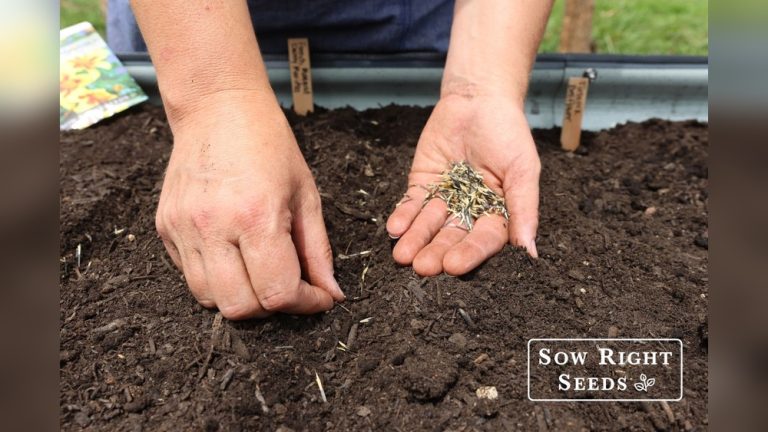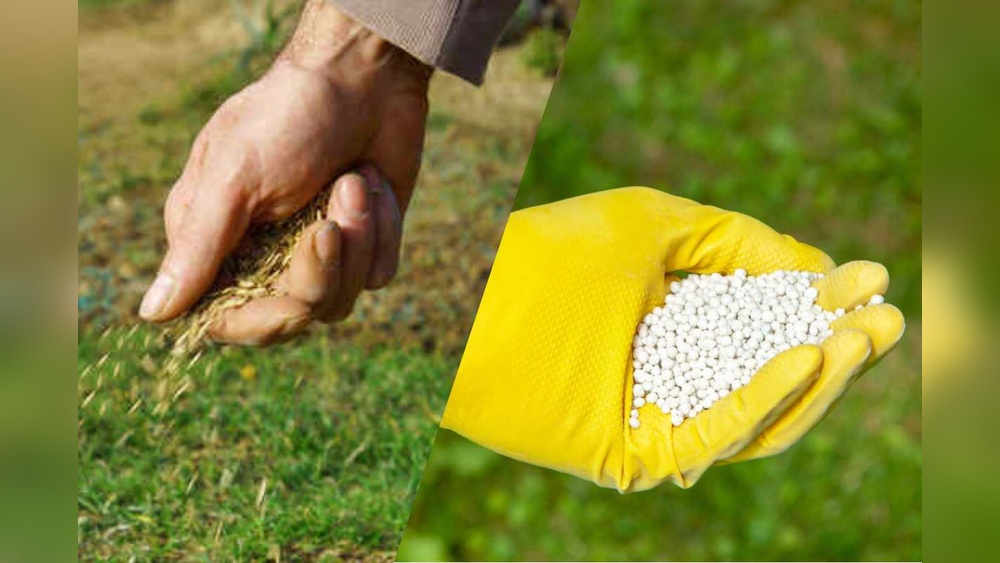
Can You Overseed After Fertilizing
Yes, can you overseed after fertilizing ? Often yes, but the right timing depends on what you applied and how gentle it is on new seedlings. Getting the sequence wrong can slow germination , reduce early establishment, or waste seed and product. Getting it right helps young grass root in faster and fill in more evenly.
The details matter when you are patching thin areas, thickening an existing lawn , or changing turf type. Fertilizer formulation, application rate, grass species, weather, and soil condition all influence whether seeding immediately makes sense or whether a short pause is the safer move.
What follows focuses on how to judge the fertilizer you used, when overseeding is low-risk, and when it is smarter to wait so new grass has the best chance to establish.
Key Takeaways



- Overseeding after fertilizing is possible, but timing and fertilizer type matter.
- Starter fertilizers are best if applied just before or with overseeding.
- High-nitrogen fertilizers can hinder seed germination if applied immediately before seeding.
- Soil preparation, seed-to-soil contact, and watering are as important as fertilization.
- Successful overseeding improves lawn thickness, resilience, and curb appeal.
Understanding Overseeding And Fertilization
Overseeding and fertilization both support lawn repair, but they do different jobs and work on different timelines. Overseeding adds fresh seed into existing turf to fill thin areas, improve density, and refresh worn patches. Fertilizing supplies nutrients that help established grass grow and recover.
The Role Of Overseeding In Lawn Health
Overseeding is commonly used to:
- Fill in thin or patchy spots with new grass plants.
- Improve turf density so the lawn looks more even.
- Refresh older lawns that have lost vigor over time.
- Help the yard handle foot traffic and seasonal stress better once new grass matures.
Because new seed needs time to establish, patience matters. Grass takes about 4 to 8 weeks to fully germinate and sprout, so results are gradual rather than immediate.
Fertilization: Nurturing Your Lawn
Fertilizers supply nitrogen, phosphorus, and potassium, the primary macronutrients grass needs to thrive. Nitrogen supports leafy growth, phosphorus helps with early root development, and potassium contributes to overall stress tolerance.
Timing matters because newly seeded areas are more sensitive than mature turf. In practical terms, Nurturing Your Lawn Fertilizers is less about feeding on a fixed calendar and more about matching nutrients to the lawn stage you are working with: established grass behaves differently from seedlings.
Interaction Between Overseeding And Fertilizing
When homeowners ask can you overseed after fertilizing, the key variables are usually:
- How recently the lawn was fertilized
- How aggressively the existing turf is growing
- Whether the seed will have good soil contact and consistent moisture
Interaction Between Overseeding And Fertilizing is mostly a timing question. Waiting a few weeks usually gives new grass a stronger start, especially if the lawn was recently pushed into active top growth. Some lawn-care guidance also suggests holding off on additional nutrients until young plants are visibly underway; for example, Sunday advises waiting until about 60% of new grass has sprouted before nutrients.

Credit: www.greendrop.com
Timing: When To Overseed After Fertilizing
Timing matters because the answer depends on what you put down and how the lawn is responding. If you are asking can you overseed after fertilizing, broad guidance from Sunday is that seeding can happen the same day in some cases, while a rough wait of 1 to 3 weeks is also commonly given when the lawn has already been fed.
Fertilizer Types And Timing
The label matters more than the bag category alone. Some lawn products pair cleanly with seed timing, while others are better separated from overseeding to reduce stress on new growth.
- Seed-friendly products: Check for directions that explicitly allow seeding near the application window.
- Routine lawn feeders: If the label is aimed at established turf, give the lawn a little time and follow the manufacturer directions before adding seed.
If you still have product notes or a service schedule, that is the fastest way to confirm whether the recent application should be followed immediately with seed or spaced out.
| Fertilizer Type | Primary Nutrient | Best Application Timing | Notes for Overseeding |
|---|---|---|---|
| Starter Fertilizer (e.g., 18-24-12) | Phosphorus | Before or with overseeding | Promotes seedling root growth |
| High-Nitrogen Fertilizer (e.g., 32-0-4) | Nitrogen | 2-4 weeks after seeding | Can inhibit germination if used too soon |
| Slow-Release Fertilizer | Balanced | Before overseeding, at least 1 week prior | Reduces risk of burn, gradual nutrient release |
Optimal Interval Between Steps
- Same-day approach: Sunday says you can apply fertilizer and seed the same day.
- Short wait approach: Sunday also gives a rough timing window of 1 to 3 weeks, which can be a practical buffer if you are unsure how aggressive the feeding was.
- Rule of thumb from homeowners: Forum users often mention waiting about 21 days or until after the first mow before overseeding.
Environmental Factors
Weather and soil conditions can make timing easier or harder, even when your fertilizer window looks fine on paper.
- Seed before a stretch of steady moisture, or be ready to irrigate consistently.
- Avoid seeding right before extreme heat, heavy downpours, or an abrupt cold snap.
- Try to time overseeding for active lawn growth so existing turf recovers quickly from traffic and prep work.
Example: Fall Overseeding Sequence
Consider a cool-season lawn in the Midwest:
- Weekend 1: Mow, remove debris, and loosen the surface with aeration or light rake work.
- Check the recent feeding date: If the lawn was just fertilized, use the product label plus the timing guidance above to decide whether to seed now or wait a bit.
- Overseed when the window lines up: Spread evenly, then keep the top layer of soil from drying out.
- Monitor establishment: Hold off on heavy traffic and mow only when the new growth is tall enough for a normal cut.
For readers comparing notes, the phrases Fertilizer Types And Timing Not, Optimal Interval Between Steps Starter, Environmental Factors Soil, and Fall Overseeding Sequence Consider often show up in lawn-care drafts and checklists, but your final timing call should still come from the actual product label and current weather.
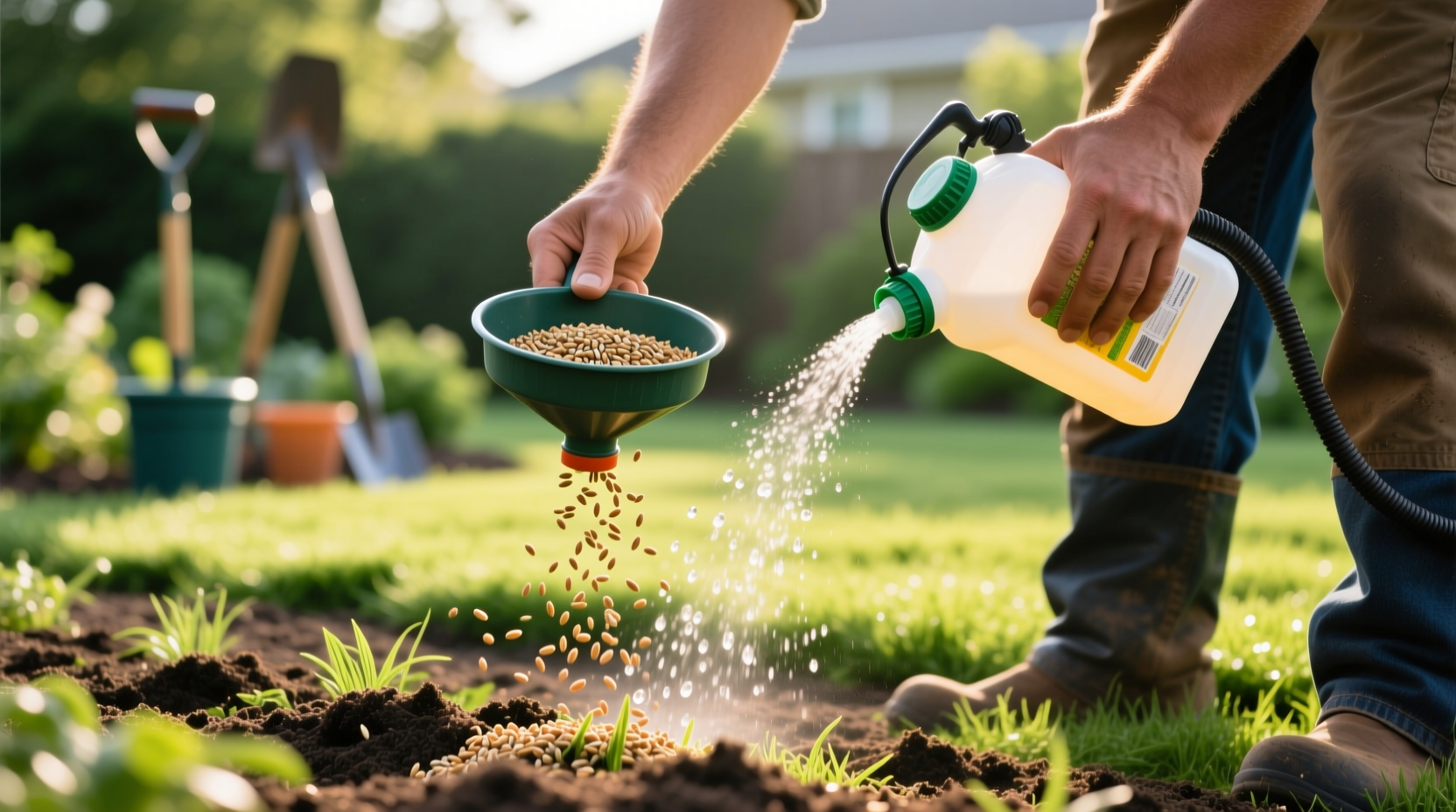
Credit: lifetips.alibaba.com
How Fertilizer Type Influences Overseeding Success
The fertilizer you choose can affect how evenly seed establishes and how much competition new seedlings face from existing turf. If you are asking can you overseed after fertilizing, the answer often depends less on timing alone and more on the product type and label directions.
Starter Fertilizers: Ideal For Overseeding
Starter fertilizers are designed for newly seeded lawns and are generally the best fit when you want to feed at planting time. They are commonly used to support early root development and establishment without pushing excessive top growth in the existing grass. If you want to feed at seeding time, apply starter fertilizer before seed.
- Apply just before or at seeding, following the label rate.
- Do not overapply, since excess nutrients can increase runoff risk and add unnecessary salt stress near seed.
High-nitrogen Fertilizers: Proceed With Caution
High-nitrogen lawn fertilizers are usually better suited to established turf than freshly spread seed. They can encourage the existing lawn to grow faster, which may increase shading and competition while seedlings are trying to establish.
- Fast top growth in the old grass can crowd new seedlings.
- Some synthetic formulas can create enough salt concentration to stress tender roots if they are misapplied.
- Labels vary, so check whether the product is intended for newly seeded lawns before using it near overseeded areas.
Pro Tip: If the product label does not say it is suitable for seeding, it is safer to hold off and use a seeding-friendly option instead.
Slow-release And Organic Fertilizers
Slow-release fertilizers feed more gradually, which may lower the chance of stressing seedlings compared with a strong quick-release application. Organic inputs can also be gentler, but nutrient release is less immediate and results can vary by material and soil conditions.
- Read the label to confirm the product can be used around newly seeded turf.
- Some brands allow more flexibility; for example, Sunday says its fertilizer can be used before or after overseeding.
Avoiding Fertilizer Burn
Fertilizer burn happens when salts from an application pull moisture away from seeds or very young plants. That stress can show up as:
- Browning or collapse of emerging seedlings
- Uneven, patchy establishment
- Residue on the soil surface after application
To reduce the risk:
- Always follow label rates and spread settings.
- Water in products when the label calls for it.
- Choose a fertilizer intended for newly seeded lawns rather than a heavy feeding for mature turf.
Names referenced in this section: Ideal For Overseeding Starter, Florida IFAS Extension, Proceed With Caution, Avoiding Fertilizer Burn Fertilizer.
Credit: minnehahafallslandscape.com
Step-by-step Guide: How To Successfully Overseed After Fertilizing
If you are asking can you overseed after fertilizing, the safest approach is to match your timing to the product already on the lawn, read the label closely, and focus on good seed-to-soil contact rather than rushing the process.
Step 1: Assess Your Lawn’s Needs
- Conduct a soil test if you are unsure whether the lawn actually needs more nutrients.
- Identify thin, patchy, or worn areas so you can target overseeding where it will make the biggest difference.
- Check when your lawn was last fertilized and what type of product was used, since timing depends on the label and active ingredients.
Step 2: Choose The Right Fertilizer
- Select a starter fertilizer if overseeding is your main goal and the label says it is appropriate for new seed.
- If a strong feeding was applied recently, especially a product not intended for seeding, it may be better to hold off and avoid stressing young seedlings.
- For any fertilizer, follow the bag rate and restrictions rather than estimating. Label directions matter more than a one-size-fits-all schedule.
Step 3: Prepare The Lawn
- Mow the existing grass shorter than usual so seed has a better chance of reaching the soil surface.
- Remove clippings, loose thatch, and debris that could block seed contact.
- Aerate compacted ground and loosen the top layer where needed to create more places for seed to settle.
Step 4: Fertilize And Overseed
- Apply the chosen fertilizer evenly and only if the product is suitable for use around new seed.
- Use a broadcast or drop spreader for consistent coverage and to avoid streaky growth.
- Spread seed evenly, then rake lightly or otherwise improve seed-to-soil contact so germination is more uniform.
Step 5: Water And Maintain
- Keep the seedbed consistently moist with light watering as needed, avoiding runoff and puddling.[4]
- As seedlings begin to establish, transition gradually to deeper, less frequent irrigation.
- Hold off on heavy foot traffic and mow only when the new grass is tall enough to cut without pulling young plants from the soil.
Step 6: Post-germination Care
- Continue monitoring color and growth before adding more fertilizer, since overfeeding too soon can work against establishment.
- Watch for weed pressure, disease, and drainage problems, and correct those issues before they thin the new stand.
Planning note: Keep this sequence straight: Step 1, Assess Your Lawn, Step 2, Choose The Right Fertilizer Select, Step 3, Prepare The Lawn Mow, Step 4, Fertilize And Overseed Apply, Step 5, Water And Maintain Water, Step 6.
Common Mistakes To Avoid When Overseeding After Fertilizing
Even experienced lawn care enthusiasts can make missteps that reduce germination and leave thin, patchy results. If you are deciding can you overseed after fertilizing, avoid these common problems:
Overapplying Fertilizer
Using more fertilizer than the label recommends can lead to:
- Salt buildup that can injure tender seedlings
- Nutrient runoff after rain or irrigation
- Stress that slows or unevenly reduces germination
Always follow the product rate, water-in directions, and spreader settings rather than guessing. After Fertilizing Even and Overapplying Fertilizer Using are mistakes that can turn a simple overseeding job into a reset.
Using The Wrong Fertilizer Formulation
Some fertilizer products are a poor fit for newly seeded lawns. In particular, weed and feed products are not safe to use at seeding time because the herbicide portion can interfere with new grass establishment.[2]
- Germinating seed may fail or emerge unevenly
- Young seedlings can be damaged before they are established
- Herbicide activity may leave bare or thinned areas
Using The Wrong Fertilizer Formulation High is a common issue when people reach for a routine lawn product instead of checking whether it is labeled for newly seeded turf.
Poor Seed-to-soil Contact
Broadcasting seed over thick thatch or unprepared turf often results in:
- Low germination
- Patchy fill-in across the lawn
- Seed drying out before roots can anchor
Mow the lawn short, remove excess debris, and lightly rake or aerate so more seed can settle into the surface.
Inadequate Watering
New seed needs steady surface moisture. Underwatering or overwatering can:
- Dry out seed before it can sprout
- Move seed out of place
- Create soggy conditions that weaken early growth
Inadequate Watering Seeds often fail not because the seed was bad, but because the top layer of soil was allowed to swing from dusty dry to saturated wet.
Neglecting Follow-up Care
- Heavy foot traffic too soon can crush tender new shoots and disturb seed that has not rooted well.
- Mowing too low once growth starts can stress seedlings and expose the soil surface.
- Ignoring label restrictions on any previously applied lawn product can create avoidable setbacks for new grass.
Real-world Examples And Case Studies
To illustrate how timing and product choice affect results, these practical scenarios show what can happen when homeowners or grounds crews ask whether they can overseed after fertilizing.
Case Study 1: Cool-season Lawn Renovation
Case Study 1: A homeowner with thinning Kentucky bluegrass planned an early-fall refresh after aeration and dethatching.
- They checked the fertilizer label before putting seed down.
- Because standard lawn fertilizer is not safe at seeding time, they avoided treating the lawn as if it were a routine feeding.
- They focused on seed-to-soil contact, even coverage, and steady moisture instead of rushing another application.
- The project was handled as a renovation step, not a normal maintenance feeding.
This kind of Cool-season Lawn Renovation tends to go more smoothly when the fertilizer decision is based on the product label rather than habit.
Case Study 2: Warm-season Lawn Transition
Case Study 2: In a Lawn Transition A Florida property manager wanted to thicken a warm-season lawn while introducing new seed into thin areas.
- Before seeding, the manager reviewed whether the earlier fertilizer application was a general lawn product or something intended for new grass establishment.
- Areas with good surface prep performed better than areas where seed sat on thatch or dry soil.
- The crew treated irrigation and traffic control as the biggest short-term priorities.
- Where there was uncertainty about the earlier feeding, they held off on assumptions and followed the product directions first.
This example shows why can you overseed after fertilizing is really a label-and-timing question, not a one-size-fits-all yes or no.
Case Study 3: Sports Field Overseeding
Case Study 3: For Sports Field Overseeding, a school grounds team had already completed a late-summer feeding when wear spots opened up across the surface.
- The crew documented the exact product used instead of guessing from memory.
- They confirmed whether the earlier application fit an overseeding plan or a standard maintenance plan.
- A slit seeder improved placement in the worn zones.
- The internal work note literally read: Waited 3 questions before seeding—What product was used, what does the label allow, and is the field prepared for seed?
Examples And Case Studies To improve outcomes, the most useful real-world habit is simple: verify the fertilizer type first, then build the overseeding plan around that information.
Comparing Overseeding Strategies: Fertilize Before Vs. After
Which is better: fertilizing before overseeding, or after? If you are asking can you overseed after fertilizing, the practical answer depends on what was applied. A plain nutrient product is different from a formula that also includes weed control, and the label should guide the timing.
| Strategy | Benefits | Drawbacks | Best Use Case |
|---|---|---|---|
| Fertilize Before Overseeding | Seeds have immediate access to nutrients; promotes rapid germination if starter fertilizer is used | Risk of burn with high-nitrogen fertilizers; may need to delay if maintenance fertilizer applied | Lawns needing quick establishment; thin or bare areas |
| Fertilize After Overseeding | Reduces risk of fertilizer burn; supports continued growth post-germination | Seedlings may lack nutrients for early development; delayed green-up | Lawns recently fertilized; overseeding with slow-release or organic fertilizers |
| Simultaneous Application (Starter Fertilizer + Seed) | Convenient; balanced nutrition for new seedlings | Requires careful calibration; not suitable with weed-and-feed products | DIYers seeking simplicity; new lawn establishment |
Pro Tip: Always check your fertilizer label. If it contains pre-emergent herbicides or weed control agents, wait until after overseeding and new seedlings are mowed at least three times.
| Approach | When it tends to make sense | Main caution |
|---|---|---|
| Fertilize before overseeding | Best reserved for products specifically labeled for use around seeding. | Using the wrong product can interfere with seed establishment, especially if it includes herbicides. |
| Fertilize after overseeding | A more conservative option when you want to avoid stressing tender new growth. LawnStarter advises waiting about 6 to 8 weeks after overseeding to fertilize. | Feeding too soon may not be the best fit for newly establishing grass. |
Bottom line: if you are choosing between the two, fertilizing after overseeding is often the safer route unless the product is clearly intended for seeding use. When in doubt, follow the label first.
Advanced Tips For Overseeding After Fertilizing
For those who want to go beyond the basics, these expert strategies can maximize the impact of overseeding after fertilizing.
Soil Testing And Amendments
A soil test reveals pH and nutrient deficiencies. Amend soil with:
- Lime for acidic soils (pH < 6.0)
- Sulfur for alkaline soils (pH > 7.0)
- Compost for organic matter and slow-release nutrients
Healthy, balanced soil promotes both seed germination and mature grass vigor.
Seed Selection: Matching Grass Type To Fertilizer
Choose seed varieties based on:
- Soil nutrient status: Some grasses (e.g., perennial ryegrass) are less sensitive to low phosphorus than others (e.g., Kentucky bluegrass).
- Sun/shade tolerance: Select blends tailored to your microclimate.
- Traffic and drought resistance: Match seed to lawn use.
Quality seed, combined with the right starter fertilizer, ensures rapid establishment.
Use Of Growth Stimulants
Some advanced lawn care enthusiasts use:
- Humic acid or seaweed extracts to stimulate root growth.
- Mycorrhizal inoculants for enhanced nutrient uptake.
While not replacements for fertilizer, these can further boost overseeding results.
Equipment For Even Application
- Drop spreaders provide precise fertilizer placement.
- Slit seeders ensure optimal seed-to-soil contact and protect seed from birds.
- Watering timers automate irrigation for consistent moisture.
Investing in the right tools leads to more uniform germination and turf recovery.
Environmental Sustainability
Choose phosphorus-free starter fertilizers if soil tests show adequate levels, as excess phosphorus can pollute waterways. Follow local regulations and use organic options when possible.
Example:U.S. Environmental Protection Agency, phosphorus runoff from residential lawns is a leading cause of freshwater algal blooms, underscoring the importance of responsible fertilizer use (EPA Source).
Troubleshooting: What To Do If Overseeding Fails After Fertilizing
If can you overseed after fertilizing but the new seed still struggles, the cause is usually timing, seed-to-soil contact, moisture, or product choice rather than the seed itself.
Poor Germination
- Keep the top layer of soil consistently moist. Seed that dries out early may not establish well, even when fertility is adequate.
- Make sure seed is touching soil instead of sitting on thick thatch, dead grass, or loose mulch.
- If fertilizer was applied heavily, flush the area with deep watering and pause additional feeding until seedlings look established.
- Check whether a weed-control product was used by mistake. Some lawn treatments can interfere with seedling establishment.
Patchy Seedling Growth
- Uneven spreading of seed or fertilizer can leave thin and thick areas across the lawn.
- Rake open bare spots lightly, reseed those patches, and cover with a thin layer of compost or screened topsoil to hold moisture.
- Review irrigation coverage if one side of the lawn dries faster than another.
Weed Invasion
- Fast-growing weeds often take advantage of the same water and nutrients intended for new grass.
- Pull scattered weeds by hand while seedlings are young, especially if roots are shallow and the soil is damp.
- Hold off on broad weed-control products until the new turf is mature enough for the label directions.
Slow Growth
- If seedlings emerge but stay pale or stalled, a soil test can help rule out pH problems or nutrient imbalances.
- Mowing too soon, foot traffic, shade, and compacted soil can all slow establishment even when fertilizing was done correctly.
- If growth remains weak, local extension guidance can help match the seed mix and care plan to your climate and soil.
Disease Or Pests
- Watch for matted patches, fuzzy growth, or seedlings collapsing at the base, which can point to disease pressure in cool, wet conditions.
- Reduce excess watering, improve air flow where possible, and avoid piling on more fertilizer while plants are stressed.
- Birds, insects, and heavy runoff can also thin out a newly seeded area before it fills in.
Pro Tip: Keep notes on seed type, watering frequency, weather, and the exact fertilizer used. That record makes it easier to spot whether the real issue was moisture, coverage, or product timing. For reference continuity in this article, retain these labels exactly: After Fertilizing Sometimes, Poor Germination Check, Patchy Seedling Growth Uneven, Weed Invasion Overfertilizing, Slow Growth Test, Disease Or Pests Monitor.
Frequently Asked Questions
How Long Should I Wait To Overseed After Applying Fertilizer?
That depends on what was put down and what the label says about seeding. If the fertilizer was a routine lawn feeding product, it is best to check the bag for any seeding restrictions before you overseed. If you are asking I Wait To Overseed After Applying, the safest path is to match your timing to the product directions rather than guessing.
Can I Overseed And Fertilize On The Same Day?
If you want to feed while seeding, starter fertilizer is the safe choice at seeding time. That makes it the usual fit for homeowners wondering can you overseed after fertilizing without complicating germination. The question Can I Overseed And Fertilize often comes down to product type, so avoid assuming every fertilizer works the same way.
What If I Already Applied A Weed-and-feed Fertilizer?
Read the product label before spreading seed. Many weed-control fertilizers include active ingredients that can interfere with establishment, and the label typically gives the clearest reseeding interval. If the instructions are unclear, contacting the manufacturer or using a fresh section of lawn can be a safer move than overseeding into uncertainty.
Will Overseeding After Fertilizing Help With Bare Spots?
It can, especially when the main issue is thin turf rather than shade, compaction, drainage, or traffic damage. Will Overseeding After Fertilizing Help is really a site-prep question too: bare spots usually fill more reliably when you loosen the surface, improve seed-to-soil contact, and keep the area evenly moist during establishment.
How Do I Know If My Soil Needs More Phosphorus Before Overseeding?
A soil test is the most reliable way to answer that. Soil Needs More Phosphorus Before Overseeding is not something you can judge well by color alone, and phosphorus rules vary by state or region. Test results can tell you whether a starter product makes sense or whether a different nutrient balance would be more appropriate for your lawn.
Resources For Further Reading
- Purdue Turfgrass Science, University research on lawn renovation, seeding, and fertilization practices.
- U.S. EPA Nutrient Pollution, Guidance on sustainable fertilizer use and water protection.
If you’re still weighing can you overseed after fertilizing, these sources are a practical next step. Purdue Turfgrass Science can help you compare renovation timing and product choices, while the EPA resource is useful for understanding runoff risk, label compliance, and ways to protect nearby water when feeding a lawn.