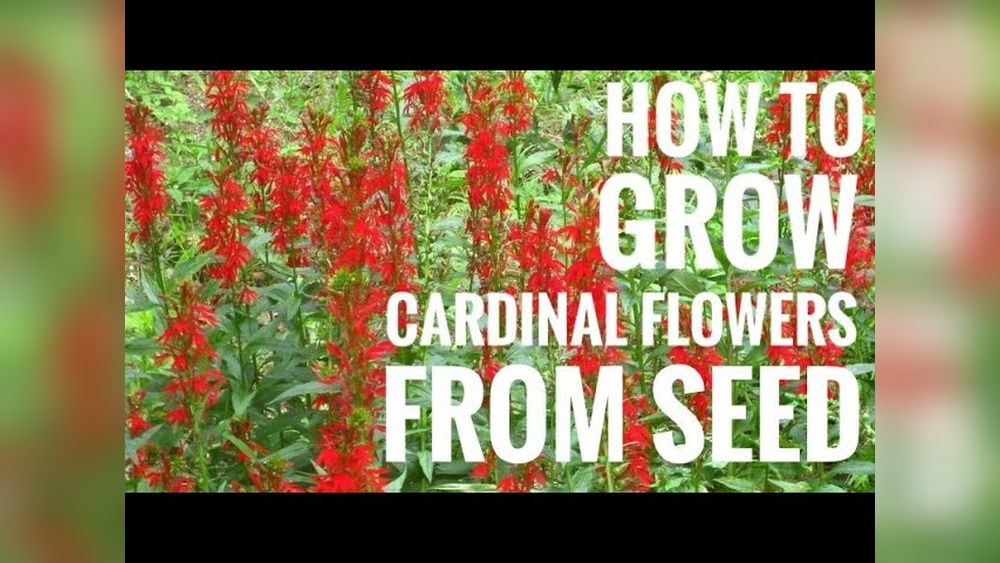
How To Plant Cardinal Flower Seeds
Cardinal flowers (Lobelia cardinalis) captivate gardeners and pollinators alike with their vivid red blooms, dramatic vertical spires, and ability to thrive in challenging environments. Whether you’re aiming to enhance a rain garden, attract hummingbirds, or cultivate a pollinator-friendly border, learning how to plant cardinal flower seeds is both rewarding and ecologically beneficial. Yet, many gardeners struggle with germinating and establishing these native perennials, as their seeds have unique requirements and the young plants need careful attention.
This comprehensive guide demystifies every step of the process, from sourcing quality seeds to nurturing mature, blooming plants. Drawing on research, expert horticultural advice, and firsthand experience, you’ll discover practical strategies, troubleshooting tips, and real-world examples to ensure success. Whether you’re a novice starting your first wildflower patch or an experienced gardener expanding your native plant palette, this article equips you with the knowledge and confidence to grow robust, vibrant cardinal flowers from seed.
Key Takeaways
- Cardinal flower seeds require light for germination and benefit from cold stratification to break dormancy.
- Select a moist, partially shaded site with rich, organic soil for optimal growth.
- Sowing can be done indoors in late winter or outdoors in early spring, with surface seeding as the preferred method.
- Consistent moisture and careful transplanting are critical in the seedling stage to prevent damping off and transplant shock.
- Mature cardinal flowers attract hummingbirds and support pollinator populations, making them a valuable addition to native gardens.
- Troubleshooting common issues, such as poor germination and fungal diseases, ensures healthy, flourishing plants year after year.
:max_bytes(150000):strip_icc()/growing-cardinal-flowers-5093922-hero-78b1ab946f024d3899e96d78ad3f8b88.jpg)
Credit: www.thespruce.com
Understanding Cardinal Flower: Botanical Overview And Benefits
The cardinal flower (Lobelia cardinalis) is a perennial wildflower native to North America, revered for its striking scarlet flowers and ecological value. Before you begin planting, it’s important to understand the plant’s natural habitat, growth cycle, and benefits.
Native Habitat And Characteristics
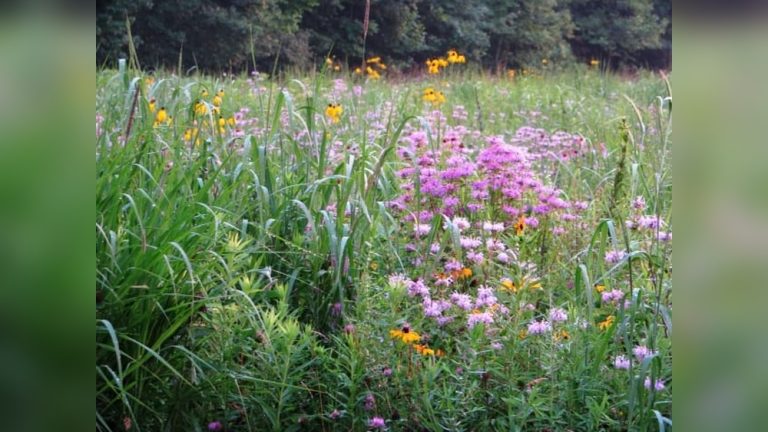
Cardinal flowers are typically found along streams, wet meadows, and woodland edges. They thrive in moist to wet soils, often where other garden perennials struggle. Mature plants reach heights of 2 to 4 feet, producing tall spikes of tubular red blossoms from midsummer to early fall.
Key characteristics include:
- Bright red, nectar-rich blooms that are especially attractive to hummingbirds
- Lance-shaped, dark green leaves forming a basal rosette in their first year
- A preference for partial shade but can tolerate full sun in cooler regions
- Cold-hardy in USDA zones 3-9
Ecological And Garden Value
Cardinal flowers play a vital role in supporting pollinator populations, particularly hummingbirds and butterflies. They are also deer-resistant, making them a practical choice for gardens where browsing is an issue. According to the United States Department of Agriculture, Lobelia cardinalis is an important plant for enhancing biodiversity in native landscapes (USDA Plant Guide).
Benefits include:
- Providing late-season color when many other perennials have finished blooming
- Stabilizing soil in rain gardens and wetland restoration projects
- Low maintenance once established, provided soil moisture is adequate
Seed Biology And Germination Requirements
Cardinal flower seeds are tiny, there are approximately 1.7 million seeds per ounce. They require light to germinate and benefit from a period of cold, moist stratification that simulates winter conditions. Understanding these requirements is crucial for successful seed-starting.
Pro Tip: Always purchase seeds from reputable native plant suppliers to ensure high-quality, genetically diverse stock.
Sourcing And Preparing Cardinal Flower Seeds
Selecting the right seeds and preparing them properly are foundational steps in growing healthy cardinal flowers.
Choosing A Reputable Source
When purchasing cardinal flower seeds, opt for vendors specializing in native plants. This ensures that seeds are:
- Fresh and viable (less than two years old)
- Ethically harvested to preserve wild populations
- Adapted to your local climate, if possible
Recommended sources include:
- Botanical gardens and native plant societies
- Wildflower seed companies with transparent sourcing practices
Seed Storage And Viability
Proper storage extends seed viability. Store seeds in:
- Airtight containers or envelopes
- A cool, dark location (ideally in a refrigerator)
- Low humidity to prevent mold
Well-stored cardinal flower seeds remain viable for up to three years, though germination rates decline with age.
Pre-treatment: Cold Stratification
Cardinal flower seeds often require cold moist stratification for 30, 60 days to break dormancy. This process mimics winter and increases germination rates.
Steps for stratification:
- Moisten a small amount of sterile seed-starting mix or sand.
- Mix seeds into the substrate, place in a sealable plastic bag.
- Store in the refrigerator (not freezer) at 35-40°F for 4, 8 weeks.
- Check periodically to ensure the substrate remains slightly moist, not wet.
Example: In my experience, seeds stratified for 6 weeks exhibited double the germination rate compared to non-stratified controls.
Seed Preparation Table
| Preparation Step | Details | Recommended Duration/Condition |
|---|---|---|
| Storage | Airtight, cool, dry place | Up to 3 years |
| Stratification | Cold, moist medium in fridge | 4, 8 weeks at 35, 40°F |
| Sowing | Surface sow, do not cover | Late winter (indoors) or early spring (outdoors) |
Choosing The Optimal Location And Soil Conditions
Site selection is paramount for cardinal flower success, as these perennials have specific environmental preferences.
Light And Exposure Requirements
Cardinal flowers flourish in partial shade but can tolerate full sun if soil moisture is consistently high. Ideal placement includes:
- Dappled shade under open-canopy trees
- North or east-facing beds for morning sun and afternoon protection
- Borders of ponds, streams, or rain gardens
Too much shade leads to leggy growth and fewer blooms, while excessive sun without moisture causes wilting.
Soil Type And Preparation
These plants demand moist, rich, organic soils. Sandy or heavy clay soils should be amended to improve water retention and aeration.
Soil preparation steps:
- Remove weeds and debris from the planting site.
- Incorporate 2, 4 inches of compost or well-rotted manure.
- Ensure soil is loose to a depth of 8, 10 inches.
- Test pH; aim for slightly acidic to neutral (pH 6.0, 7.0).
Drainage And Water Management
While cardinal flowers enjoy wet soils, standing water or poor drainage leads to root rot. Raised beds or berms can help in areas with heavy, compacted soils.
Comparison Table: Ideal Vs. Poor Site Conditions
| Condition | Ideal | Poor |
|---|---|---|
| Light | Partial shade, filtered sun | Deep shade or intense, dry sun |
| Soil | Moist, rich, organic | Dry, sandy, or compacted clay |
| Drainage | Even moisture, no standing water | Flooded or chronically dry |
| pH | 6.0, 7.0 | Below 5.5 or above 7.5 |
Companion Planting
Cardinal flowers pair well with other moisture-loving natives such as:
- Swamp milkweed (Asclepias incarnata)
- Blue flag iris (Iris versicolor)
- Joe-Pye weed (Eutrochium spp.)
These combinations create biodiverse, resilient plantings that support a wide range of pollinators.
Sowing Cardinal Flower Seeds: Indoor And Outdoor Methods
Sowing techniques for cardinal flower seeds differ depending on whether you start indoors or sow directly outdoors. Each method has its advantages and challenges.
Indoor Seed Starting
Indoor sowing allows for greater control over temperature, moisture, and light, improving germination rates and giving seedlings a head start.
Steps for indoor sowing:
- Fill shallow trays or cell packs with sterile, moist seed-starting mix.
- Scatter seeds thinly on the surface, do not cover, as light aids germination.
- Mist gently to settle seeds.
- Place trays under grow lights or in a bright window, maintaining temperatures of 65, 75°F.
- Cover with a clear dome or plastic wrap to maintain humidity, but ventilate daily to prevent fungal growth.
Germination occurs in 10, 20 days, but can take up to a month depending on stratification and conditions.
Pro Tip: Avoid overwatering, which can cause damping off disease, a common seedling killer.
Outdoor Sowing
Direct sowing in prepared beds can mimic natural conditions, especially if you live in regions with cold winters.
Steps for outdoor sowing:
- Prepare a fine, moist seedbed in early spring or late fall.
- Scatter seeds on the soil surface; do not cover.
- Gently press seeds into the soil using a board or your hand.
- Mark the area to prevent disturbance.
Winter sowing in containers, placing seeds outdoors in milk jugs or plastic bins, can also be effective, using natural stratification cycles.
Watering And Light Requirements
Keep the seedbed consistently moist but never soggy. Use a fine mist to avoid dislodging tiny seeds. Seedlings need bright, indirect light; too little causes stretching, while too much direct sun can scorch delicate growth.
Example: Successful Indoor Sowing
A native plant enthusiast in Minnesota reported a 75% germination rate by sowing stratified seeds under LED lights, maintaining 70°F, and transplanting after the second set of true leaves appeared.
Sowing Method Comparison Table
| Method | Advantages | Drawbacks |
|---|---|---|
| Indoor Sowing | Controlled environment, higher germination, earlier start | Requires space, equipment, and careful acclimation |
| Outdoor Sowing | Mimics natural cycle, less maintenance | Lower germination, weather dependent |
| Winter Sowing | Natural stratification, minimal fuss | Variable results, risk of disturbance by animals |
Caring For Cardinal Flower Seedlings And Transplanting
Once cardinal flower seeds germinate, their care in the seedling stage is critical to long-term success.
Seedling Growth And Thinning
Seedlings are tiny and delicate. Once they develop their first true leaves:
- Thin overcrowded seedlings to prevent competition and disease.
- Leave 1, 2 inches between each remaining seedling.
- Continue to provide bright light and steady moisture.
Preventing Damping Off And Disease
Damping off, a fungal disease causing seedlings to collapse, is a common threat. Prevent it by:
- Using sterile seed-starting mix and clean containers
- Avoiding overwatering and providing good air circulation
- Watering from below, if possible
If signs of disease appear, remove affected seedlings promptly.
Hardening Off
Before transplanting outdoors, harden off seedlings by gradually exposing them to outdoor conditions over 7, 10 days:
- Place trays outside in a sheltered spot for a few hours, increasing daily.
- Protect from direct midday sun, wind, and heavy rain.
- Reduce watering slightly to encourage root development.
Transplanting To Final Location
Transplant when seedlings have at least two sets of true leaves and outdoor temperatures are consistently above 50°F.
Steps:
- Choose a cloudy day or late afternoon to prevent transplant shock.
- Space plants 12, 18 inches apart for good air flow.
- Water well immediately after planting.
- Mulch lightly to retain soil moisture and suppress weeds.
Warning: Transplanting too early or disturbing roots excessively can set back growth or kill seedlings.
Example: Overcoming Transplant Shock
A community garden in Ohio reported initial transplant losses due to dry conditions. After adjusting to late-day planting and increased watering, survival rates jumped to over 90%.
Growing On: Maintenance, Flowering, And Long-term Care
Once established, cardinal flowers require attentive maintenance to reach their full ornamental and ecological potential.
Watering And Mulching
Keep soil consistently moist, especially during dry spells. Mulch with 2, 3 inches of shredded leaves or pine needles to:
- Retain moisture
- Cool the root zone
- Suppress weeds
Avoid heavy bark mulch, which can retain too much moisture and harbor slugs.
Fertilization
Cardinal flowers are not heavy feeders, but benefit from an annual spring application of compost or a balanced slow-release fertilizer. Avoid high-nitrogen fertilizers, which encourage leaf growth at the expense of blooms.
Staking And Support
Tall flower spikes may need support in exposed sites or rich soils. Use discreet stakes or plant among sturdier perennials for natural support.
Flowering And Deadheading
Plants typically flower in their second year. Deadheading spent blooms can extend the flowering period, but leave some seed heads if you want plants to self-sow.
Overwintering And Longevity
Cardinal flowers are short-lived perennials, often persisting for 2, 4 years. Encourage longevity by:
- Dividing clumps every 3, 4 years
- Allowing some self-seeding
- Protecting crowns with leaf mulch in harsh winters
Attracting Pollinators
Position plants near windows or seating areas to enjoy frequent hummingbird visits. According to the National Audubon Society, cardinal flowers are among the top choices for attracting ruby-throated hummingbirds (Audubon Society).
Troubleshooting Common Problems And Solutions
Despite their hardiness, cardinal flowers can face several challenges. Identifying and addressing these issues promptly ensures healthy, vigorous growth.
Poor Germination Rates
Common causes include:
- Insufficient light: Seeds need exposure; do not cover.
- Lack of stratification: Skip this step and dormancy remains unbroken.
- Old or low-quality seed: Always check source and expiration date.
Solution: Use fresh, stratified seed and surface sow under bright light.
Fungal Diseases
Damping off and root rot are major threats in humid or poorly drained conditions.
Prevention:
- Maintain good air circulation.
- Use sterile starting materials.
- Water at the base, not overhead.
Wilting And Leaf Browning
Wilting in hot sun or leaf browning may indicate inadequate soil moisture or excessive sun exposure.
Solution: Increase watering, provide afternoon shade, and mulch to retain moisture.
Slug And Snail Damage
Young cardinal flower plants are susceptible to slugs and snails, which chew holes in leaves.
Prevention:
- Hand-pick pests in the evening.
- Use copper tape or safe slug baits around planting areas.
Short Lifespan Or Poor Blooming
Plants may decline after a few years or fail to bloom if stressed.
Solution: Divide clumps, amend soil, and ensure adequate moisture. Allowing some self-seeding rejuvenates plantings.
Real-world Examples: Case Studies In Cardinal Flower Planting
Learning from real gardeners’ experiences can provide invaluable insights into what works, and what doesn’t, when growing cardinal flowers from seed.
Case Study 1: Rain Garden Success In Illinois
A homeowner in northern Illinois incorporated cardinal flowers into a backyard rain garden designed to manage stormwater runoff. By sowing stratified seed indoors in late winter and transplanting to a prepared, compost-rich site in May, the garden saw robust flowering by the second summer.
The plants attracted hummingbirds and increased butterfly visits, enhancing both the aesthetic and ecological value of the landscape.
Case Study 2: Restoring Wetlands In Virginia
A conservation group in Virginia used direct outdoor sowing to reintroduce cardinal flowers to a restored wetland. Seeds were sown on exposed, muddy banks in late fall, allowing natural cold stratification. Although only 30% of seeds germinated, those that did established well and began self-seeding, helping to stabilize the soil and support local wildlife.
Case Study 3: Overcoming Indoor Seed Starting Challenges
A school garden project in upstate New York struggled with damping off during indoor seed starting. After switching to sterile mix, bottom watering, and increased air flow, seedling survival rates improved dramatically. Students transplanted the healthy seedlings into a butterfly garden, where cardinal flowers thrived alongside milkweed and coneflowers.
Maximizing The Benefits: Pollinator Gardens And Landscape Integration
Planting cardinal flower seeds is not just about growing beautiful flowers, it’s also about fostering wildlife and sustainable landscapes.
Designing For Pollinators
To maximize pollinator impact:
- Group cardinal flowers in clusters for greater visual impact and easier access for hummingbirds.
- Combine with other native perennials that bloom at different times for season-long nectar.
- Avoid pesticides, which can harm beneficial insects and pollinators.
Integrating Into Diverse Landscapes
Cardinal flowers fit into a variety of garden settings:
- Rain gardens: Absorb runoff and support wetland pollinators.
- Stream banks and pond edges: Stabilize soil and add color.
- Cottage gardens: Blend with other perennials for an informal, wildlife-friendly look.
Sustainability And Conservation
By choosing native species like cardinal flower, gardeners contribute to local biodiversity and conservation efforts. Sourcing seeds from ethical suppliers and allowing plants to self-sow helps preserve genetic diversity and ensures long-term resilience.
Pro Tip: Share extra seedlings or seed with neighbors, schools, or community groups to expand pollinator habitat in your area.
Frequently Asked Questions
How Long Does It Take For Cardinal Flower Seeds To Bloom After Planting?
Cardinal flower seeds typically produce flowering plants in their second year after sowing. The first year is usually spent developing a strong root system and foliage, with flowering occurring from mid-summer to early fall in the second year, provided optimal growing conditions.
Can Cardinal Flower Seeds Be Direct Sown In Fall Without Stratification?
Yes, sowing cardinal flower seeds outdoors in late fall allows natural cold stratification over winter. This method mimics the plant’s natural lifecycle and can be very effective in regions with cold winters, though germination rates may vary depending on local conditions.
Are Cardinal Flowers Safe For Pets And Children?
Cardinal flowers contain alkaloids that are toxic if ingested in large quantities. While cases of poisoning are rare due to the plant’s bitter taste, it’s best to plant them out of reach of pets and small children, especially in areas where foraging is common.
How Do You Collect And Store Cardinal Flower Seeds For Future Planting?
Allow seed capsules to mature and dry on the plant. Once brown and brittle, cut the stalk and shake the tiny seeds into a paper bag. Store seeds in a cool, dry place in a labeled envelope or airtight container. Refrigeration extends viability, but keep seeds dry to prevent mold.
What Is The Best Way To Encourage Cardinal Flowers To Self-sow In The Garden?
To promote self-sowing, avoid deadheading all flowers. Allow some seed heads to mature and release seeds naturally in late summer or early fall. Maintaining consistently moist, lightly mulched soil increases the chances of successful self-sown seedlings in subsequent seasons.
Growing cardinal flower seeds from start to bloom is a rewarding journey for both gardeners and the wildlife they support. With a careful, informed approach to seed sourcing, site selection, and ongoing care, you can enjoy vibrant blooms and a thriving pollinator habitat for years to come.