When To Plant Bachelor Button Seeds
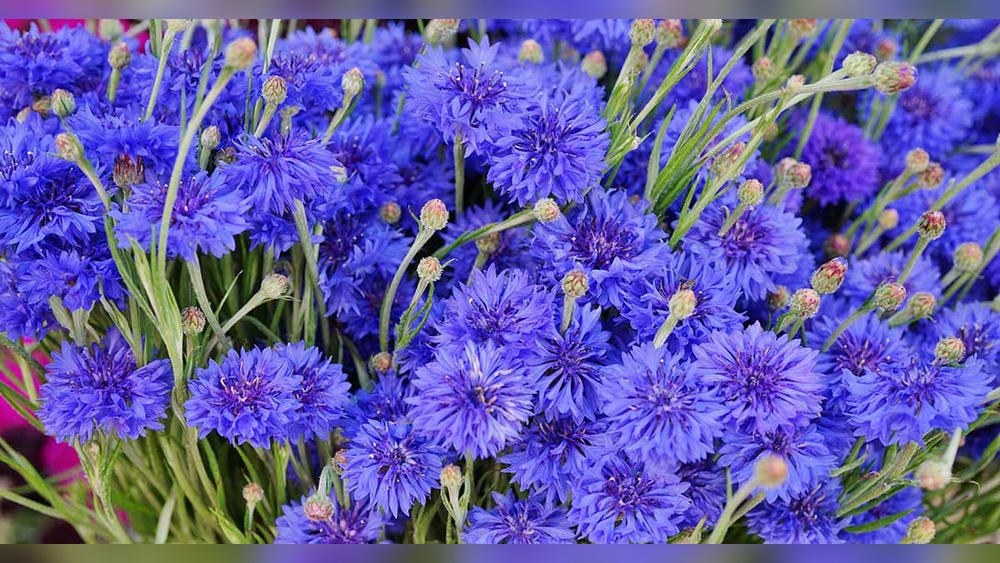
Bachelor buttons, also known as cornflowers, have enchanted gardeners and pollinators alike with their vivid blue hues and easygoing nature for centuries. If you’re longing for bursts of color that attract bees and butterflies while requiring minimal upkeep, these annual flowers are a perfect choice. Yet, timing is everything: knowing when to plant bachelor button seeds can mean the difference between a lush display and a disappointing patch.
This comprehensive guide reveals the optimal planting windows for bachelor buttons, tailored advice for different climates, and proven strategies to maximize germination and blooms. Whether you’re a beginner plotting your first wildflower bed or a seasoned horticulturist aiming for peak performance, understanding the nuances of bachelor button sowing is essential for gardening success.
Key Takeaways
- Bachelor button seeds thrive when sown directly outdoors in early spring or late fall, depending on climate.
- Soil temperature and last frost date are the primary factors for optimal planting time.
- Indoor seed starting is possible but less common; direct sowing yields best results.
- Regional climate, soil preparation, and watering routines significantly impact germination and growth.
- Case studies show that timing adjustments can extend or intensify the blooming season.
- Knowing your USDA Hardiness Zone helps determine precise planting dates for maximum flower production.

Credit: gardenerspath.com
Understanding Bachelor Button Growth Cycles
The Lifecycle Of Bachelor Buttons
Bachelor buttons (Centaurea cyanus) are hardy annuals, meaning they complete their entire lifecycle, from germination to seed production, within a single growing season. Their resilience allows them to sprout in cool soil, making them one of the earliest annuals to sow outdoors. Typically, bachelor buttons germinate within 7, 14 days, quickly sending up slender stems and delicate foliage. Flowering begins roughly 60, 80 days after sowing and continues for several weeks if conditions are favorable.
Factors Influencing Germination
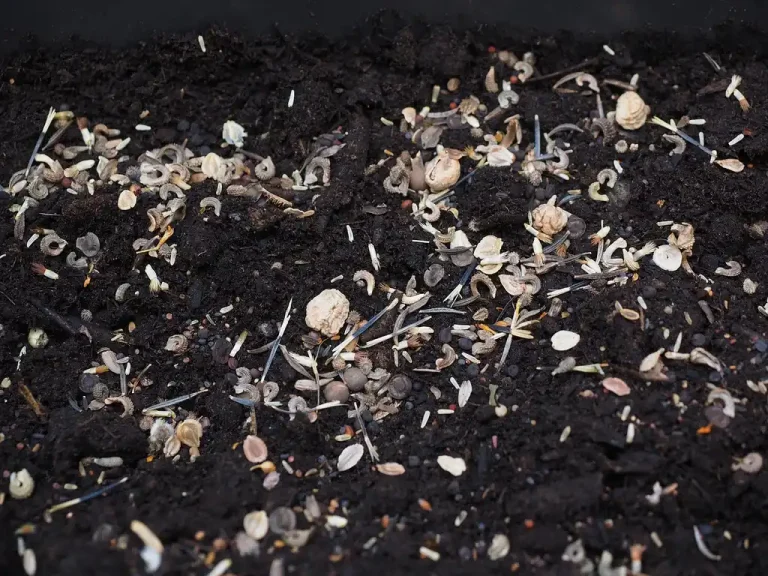
Germination is affected primarily by soil temperature and moisture levels. These seeds prefer cool conditions, with optimal germination occurring between 50, 65°F (10, 18°C). Excessively warm soil or drought can delay or reduce germination rates. Light is not necessary for sprouting, but seeds should be covered with a thin layer of soil, about 1/4 inch, to ensure contact with moisture.
Dormancy And Self-sowing
Bachelor buttons have a knack for self-sowing, dropping seeds that can survive winter and sprout the following spring. In climates with mild winters, seeds sown in fall may lie dormant and germinate as soon as soil warms, creating a naturalized look.
However, in regions with harsh freezes, fall-sown seeds may not survive; thus, timing becomes especially critical.
Example: Spring Vs. Fall Sowing
In a community garden in Portland, Oregon, plots where bachelor button seeds were sown in mid-October produced earlier blooms the next spring than those sown in April. However, a late winter cold snap reduced survival rates in the fall-sown plots, highlighting the importance of matching sowing time to local climate patterns.

Credit: sowrightseeds.com
Best Time To Plant Bachelor Button Seeds By Region
Planting In Cool-season Climates (usda Zones 3, 6)
In northern regions, early spring is the preferred window for direct sowing. As soon as the soil can be worked and daytime temperatures consistently reach 50°F (10°C), seeds can be planted. This often falls between late March and mid-April, depending on snowmelt and soil thaw.
- Pro Tip: Plant 2, 4 weeks before your average last frost date for a head start on blooms.
Planting In Mild Or Mediterranean Climates (usda Zones 7, 9)
In areas with mild winters and hot, dry summers, such as California or the Pacific Northwest, bachelor buttons can be sown in late fall (October, November). The seeds remain dormant through winter, sprouting as soon as conditions are right. This method mimics natural wildflower cycles and often yields robust spring displays.
- Warning: In regions where winter temperatures occasionally dip below 25°F (-4°C), late fall sowing may still risk seed loss. Consider splitting your seed stash between fall and early spring plantings.
Planting In Warm Or Subtropical Climates (usda Zones 10, 11)
In southern regions with short, mild winters, sow bachelor button seeds in late fall (November, December) to capitalize on cooler temperatures and avoid the intense summer heat. In these zones, bachelor buttons may even behave as short-lived perennials, blooming for extended periods if protected from extreme heat.
Planting In High-altitude Or Mountainous Areas
Elevation affects soil warming rates. In mountain zones, wait until the ground is fully thawed and free of snow, often several weeks after the official last frost date. Monitor soil temperature with a probe for more precise timing.
Data Table: Suggested Sowing Times By Usda Hardiness Zone
| USDA Zone | Average Last Frost Date | Recommended Sowing Window |
|---|---|---|
| 3, 4 | Late May | Late April to Early May |
| 5, 6 | Late April to Early May | Late March to Mid-April |
| 7, 8 | Late March to Early April | Late Fall (Oct, Nov) or Early Spring |
| 9, 10 | Early March | Late Fall (Nov, Dec) |
| 11 | No Frost | Anytime October, January |
Example: Texas Vs. Minnesota Planting
A gardener in Austin, Texas, sows bachelor buttons in late November and enjoys blooms by February, while a peer in Minneapolis waits until early May, with flowers appearing in July. Each adapts their schedule to local climatic realities.
How To Prepare Soil And Site For Optimal Germination
Site Selection: Sunlight And Drainage
Bachelor buttons thrive in full sun, at least 6 hours per day. Choose a site with well-drained soil; standing water or compacted clay impedes germination and encourages rot. Amending heavy soils with compost or sand improves texture and drainage.
Soil Preparation Steps
- Clear the Area: Remove weeds and debris to reduce competition.
- Loosen the Soil: Use a garden fork or tiller to cultivate 6, 8 inches deep, creating a friable seedbed.
- Incorporate Organic Matter: Mix in compost to support healthy seedlings.
- Rake Smooth: Finish by raking the surface to create a level, fine-textured bed.
Ph And Fertility Requirements
Bachelor buttons tolerate a wide range of soil pH (6. 0, 7. 5), but slightly alkaline to neutral soils are ideal. Excessive fertility can lead to lush foliage at the expense of blooms; avoid heavy nitrogen fertilizers.
Example: Amending For Sandy Vs. Clay Soils
In my experience, adding compost to sandy soils boosted moisture retention, leading to more consistent germination. Conversely, for heavy clay, incorporating coarse sand and leaf mold improved drainage and prevented seed rot.
Watering And Mulching
After sowing, water gently to moisten the soil without causing runoff. Keep the seedbed consistently damp until seedlings emerge. A thin layer of straw mulch helps retain moisture, but avoid heavy coverings that block light and air.

Credit: sowrightseeds.com
Direct Sowing Vs. Starting Indoors: Pros, Cons, And Timing
Direct Sowing Advantages
- Simpler process: Seeds go straight into the garden, no transplanting needed.
- Stronger seedlings: Plants develop robust root systems suited to local conditions.
- Less transplant shock: Minimizes disturbance to delicate roots.
Direct Sowing Disadvantages
- Weather dependency: Late frosts or heavy rains may damage seedlings.
- Predation: Birds or insects may consume seeds before they germinate.
- Weed competition: Seeds may struggle if weeds aren’t controlled.
Starting Indoors: When And Why
Starting bachelor button seeds indoors is less common but useful for gardeners with short seasons or unpredictable springs. Begin 4, 6 weeks before the last expected frost. Use biodegradable pots to minimize root disturbance during transplanting.
- Pro Tip: Bachelor button roots are sensitive; sow in individual cells and transplant before roots become crowded.
Comparison Table: Direct Sowing Vs. Indoor Starting
| Aspect | Direct Sowing | Indoor Starting |
|---|---|---|
| Ease of Process | Simple, minimal handling | Requires trays, soil, lights |
| Plant Vigor | Strong roots, adapted to site | May experience transplant shock |
| Timing Flexibility | Dependent on soil/air temps | Can extend growing season |
| Pest Risk | Higher outdoors | Lower indoors |
| Recommended For | Most climates | Short growing seasons |
Example: Indoor Start For Early Blooms
A Vermont gardener started bachelor buttons indoors in peat pots in March, transplanting seedlings outdoors after the last frost in May. This strategy yielded blooms by mid-June, two weeks ahead of direct-sown counterparts.
Sowing Techniques And Depth For Success
Seed Spacing And Depth
- Depth: Sow seeds 1/4 inch deep. Lightly cover with soil and press gently for good contact.
- Spacing: Thin seedlings to 6, 12 inches apart to reduce competition and promote airflow.
Sowing In Rows Vs. Broadcasting
- Rows: Easier to weed and manage; space rows 12, 18 inches apart.
- Broadcasting: Creates a meadow-like effect, but may require more thinning.
Moisture Management During Germination
Bachelor buttons require consistent moisture but are prone to rot if waterlogged. Use a fine mist or gentle watering to keep soil evenly damp. Avoid crusting the soil surface, which can impede seedling emergence.
Pro Tip: Staggered Sowing For Longer Blooms
Sow batches of seeds every 2, 3 weeks from early spring through early summer to extend the flowering season. This succession planting ensures fresh blooms as earlier plants begin to fade.
Data Table: Sowing Depths And Spacing For Common Wildflowers
| Flower | Recommended Sowing Depth | Spacing Between Plants |
|---|---|---|
| Bachelor Button | 1/4 inch | 6, 12 inches |
| California Poppy | 1/8 inch | 6 inches |
| Cosmos | 1/4 inch | 12 inches |
| Black-eyed Susan | 1/16 inch | 12 inches |
Maximizing Blooms: Timing, Deadheading, And Companion Planting
Extending The Flowering Season
Bachelor buttons typically bloom for 4, 6 weeks. To keep flowers coming:
- Stagger sowing dates: As mentioned, plant new seeds every few weeks.
- Deadhead regularly: Remove spent flowers to prompt more buds.
- Fertilize sparingly: Overfeeding leads to foliage, not flowers.
Deadheading Techniques
Use clean scissors or pinch off faded blooms just above a leaf node. This prevents seed set and signals the plant to produce more flowers.
Companion Planting For Success
Bachelor buttons mix well with:
- Poppies
- Cosmos
- Larkspur
- Snapdragons
These combinations attract pollinators and add multi-height interest to beds.
Example: Wildflower Meadow In Pennsylvania
A school garden in eastern Pennsylvania mixed bachelor buttons with poppies and larkspur, sowing in staggered rows. Regular deadheading and weekly watering resulted in a colorful, bee-friendly display from late May through July.
Pro Tip: Save Seeds For Next Year
Allow some flowers to go to seed in late summer. Collect dry seed heads, store in envelopes, and sow in fall or early spring for an ongoing supply.
Common Mistakes And Troubleshooting
Sowing Too Early Or Late
Planting before soil is workable or after temperatures have climbed above 70°F (21°C) can reduce germination. Always monitor both soil and air temperatures.
Overwatering And Poor Drainage
Bachelor buttons dislike soggy roots. If seedlings wilt or rot, reassess site drainage and watering frequency.
Crowding And Competition
Failing to thin seedlings leads to spindly, weak plants. Space them out for healthier growth and better airflow.
Pest And Disease Issues
Aphids and powdery mildew occasionally affect bachelor buttons. Encourage beneficial insects, avoid overhead watering, and remove affected foliage promptly.
Example: Recovering From A Poor Start
A gardener in Colorado noticed poor germination after a late spring snow. Re-sowing seeds once the soil dried out yielded a delayed but robust crop by mid-summer.
Regional Bloom Calendars And Case Studies
Pacific Northwest
Sow in October, November for blooms in April, June. Mild winters allow fall-sown seeds to overwinter safely.
Midwest
Sow late March, mid-April. Expect blooms from late May through July, with succession planting extending the season into August.
Southern States
Late fall sowing (November, December) results in blooms from February, April. Early spring sowings may struggle as heat intensifies.
Example: Urban Community Garden In Chicago
A community garden used a mix of fall and spring sowing. Fall-sown seeds survived a mild winter and bloomed weeks earlier than spring-sown beds, demonstrating the advantage of knowing your microclimate.
Comparison Table: Regional Sowing And Bloom Schedules
| Region | Sowing Time | Bloom Period |
|---|---|---|
| Pacific Northwest | Oct, Nov (fall), Feb, Mar (spring) | Apr, Jun |
| Midwest | Mar, Apr (spring) | May, Jul |
| South (Texas, Georgia) | Nov, Dec (fall) | Feb, Apr |
| Mountain West | Late Apr, May (spring) | Jun, Aug |
| Northeast | Apr, May (spring) | Jun, Jul |
Frequently Asked Questions
When Is It Too Late To Plant Bachelor Button Seeds?
Planting bachelor button seeds is best done before peak summer heat. If sown after soil temperatures exceed 70°F (21°C), germination rates drop significantly. In most regions, late spring is the cutoff; however, in cooler climates, you can experiment with early summer plantings for a late-season flush.
For continual blooms, aim to finish sowing no later than six weeks before your average first fall frost.
Can Bachelor Button Seeds Be Planted In Containers?
Absolutely! Bachelor buttons adapt well to containers as long as the pot is at least 8 inches deep and offers good drainage. Use a quality potting mix, and position the container in full sun. Regular deadheading and attentive watering are key.
Container-grown plants may require more frequent watering, especially in hot or windy conditions.
Are Bachelor Buttons Deer-resistant?
Bachelor buttons are considered moderately deer-resistant due to their slightly bitter foliage. However, hungry deer may still sample them, especially if other food sources are scarce. If deer pressure is high in your area, consider using barriers or planting in less accessible spots. For more details on deer-resistant plants, consult resources like the Rutgers Cooperative Extension.
Will Bachelor Buttons Reseed Themselves Each Year?
Yes, in many climates bachelor buttons are prolific self-seeders. If you allow some flowers to mature and drop seeds, new plants often emerge the following spring. In areas with harsh winters or frequent mulching, reseeding rates may be lower. To encourage self-seeding, avoid heavy fall cleanup and let a few seed heads dry on the plant.
Are Bachelor Buttons Safe For Pets And Pollinators?
Bachelor buttons are non-toxic to cats, dogs, and horses according to the ASPCA. They are also excellent for pollinators, attracting bees, butterflies, and beneficial insects. Avoid using pesticides or herbicides near bachelor button patches to protect these visitors.
With careful timing, thoughtful site preparation, and ongoing care, bachelor buttons reward gardeners with vibrant color and minimal fuss. Whether you’re filling a border, creating a wildflower meadow, or growing for cut flowers, understanding when to plant bachelor button seeds is your first step toward gardening success. Happy planting!