Can I Plant From Seed for Fall Gardening? Yes
Fall gardening is often overlooked, but it’s a secret weapon for extending your growing season and harvesting fresh produce well into the cooler months. Many gardeners assume that planting from seed is only suitable for spring, yet fall presents a unique opportunity to grow a wide variety of crops from seed.
Whether you’re a novice or a seasoned gardener, planting from seed in autumn can yield robust harvests, improve soil health, and maximize your garden’s productivity.
Despite shorter days and dropping temperatures, fall gardening from seed offers advantages that spring planting can’t always match. Pests and diseases diminish, soil moisture stabilizes, and cool-loving vegetables thrive. With strategic planning and the right techniques, you can sow seeds for greens, roots, and herbs that mature before frost or overwinter for an early spring harvest.
This article dives into everything you need to know about planting from seed for fall gardening, including crop selection, timing, preparation, and real-world success stories.
Key Takeaways
- Fall gardening from seed is highly effective for cool-season crops, extending your harvest beyond summer.
- Choosing the right seed varieties and understanding local climate is essential for success.
- Fall planting reduces pest and disease pressure while improving soil fertility and structure.
- Proper timing, soil preparation, and protection techniques are crucial for optimal seed germination and growth.
- Real-world examples demonstrate how fall seed planting can boost garden productivity and sustainability.
- FAQs address common concerns about fall gardening, including crop selection and frost protection.
Why Plant From Seed For Fall Gardening?
The Benefits Of Fall Seed Planting
Planting from seed in fall offers several distinct advantages over spring sowing. Cooler temperatures reduce heat stress, and many pests either die off or become less active. This means your crops are less likely to suffer from infestations. Additionally, rainfall tends to be more consistent, ensuring that seeds receive adequate moisture for germination.
- Extended harvest window: By planting cool-season crops in fall, you can enjoy fresh produce after summer crops fade. The garden remains productive, giving you access to nutrient-rich greens and roots that can be harvested until the first hard frost—or, with protection, even into winter.
- Improved soil health: Fall crops often include legumes and cover crops, which enrich the soil with nitrogen and organic matter. These crops contribute to a healthier soil ecosystem, breaking pest cycles and introducing beneficial microbes.
- Reduced competition: As summer weeds decline, newly planted seeds face less competition for nutrients and space. This reduction in competition allows fall seedlings to establish more quickly and grow more vigorously.
Fall gardening also provides an opportunity to use space that would otherwise lie fallow. By keeping beds occupied, you minimize erosion risks and maintain a living root system that feeds soil organisms. Many gardeners report that fall-planted crops exhibit fewer physiological disorders—such as bolting or tip burn—due to the steady, cool conditions.
Common Misconceptions
A prevalent misconception is that seeds won’t germinate or mature in the cooler autumn months. In reality, many vegetables—such as spinach, lettuce, and carrots—prefer the crisp conditions of fall and actually perform better than in summer. Another myth is that fall gardening requires only transplants, but sowing seeds directly in the ground can be equally effective, and often more economical.
Some believe that fall gardening is only for advanced gardeners, but it’s often easier than spring gardening. The reduced pest pressure and consistent rainfall create an environment that favors healthy growth. Even if you’ve had trouble with spring sowing, fall can offer a fresh start and better results.
Data-driven Insights
According to the University of California Agriculture & Natural Resources, cool-season vegetables planted in fall yield up to 30% higher outputs compared to spring plantings due to optimal temperature ranges for growth (UCANR). Furthermore, soil erosion is minimized when gardens are kept active through fall, which is supported by USDA research indicating that fall planting helps maintain soil structure (USDA NRCS).
Additional studies show that fall-planted crops are less likely to experience water stress, as soil moisture is steadier and evaporation rates are lower. The combination of these factors leads to healthier plants and higher yields, especially for leafy greens and root vegetables.
Credit: lifetips.alibaba.com
Selecting The Best Seeds For Fall Gardening
Cool-season Crops That Thrive
When choosing seeds for fall, focus on vegetables and herbs that prefer cooler temperatures and can withstand light frosts. These typically include:
- Leafy greens: Spinach, arugula, kale, lettuce, Swiss chard. These greens thrive in cooler weather, and their flavor often improves after a light frost, becoming sweeter and less bitter.
- Root vegetables: Carrots, beets, turnips, radishes. Root crops develop better color and flavor in cool soil, and can be left in the ground until needed.
- Brassicas: Broccoli, cauliflower, cabbage, Brussels sprouts. These crops are highly frost-tolerant and benefit from slow, steady growth.
- Legumes: Peas, fava beans. Fall-planted peas germinate quickly and produce tender pods, while fava beans can overwinter in mild climates.
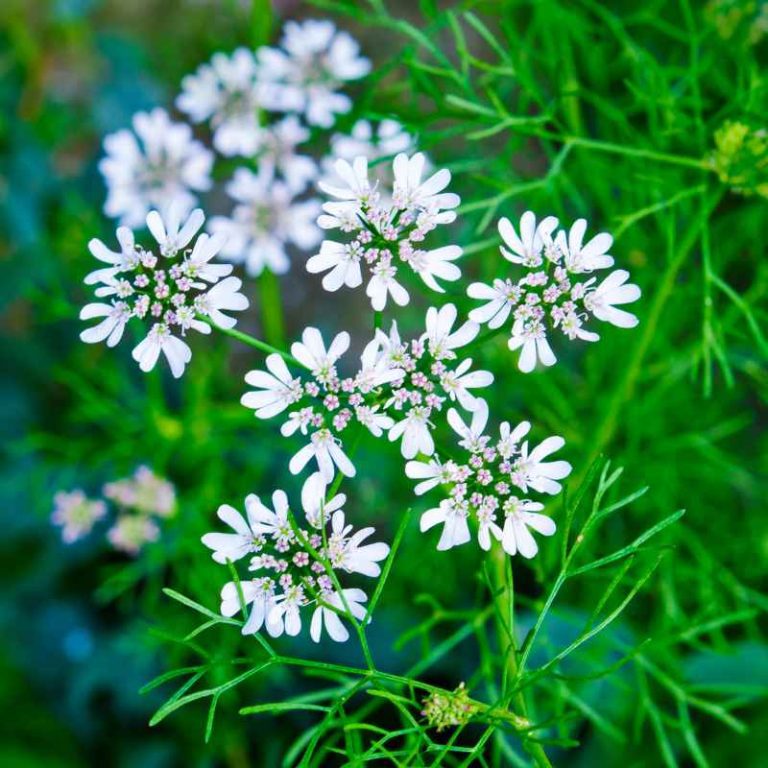
- Herbs: Cilantro, parsley, dill. Herbs like cilantro bolt quickly in summer but thrive in autumn, producing lush growth and robust flavors.
Selecting crops that are naturally suited to fall conditions ensures you get the most from your garden space, and lets you experiment with varieties that may not perform as well in spring.
Seed Varieties And Days To Maturity
Not all varieties of a given vegetable are suitable for fall planting. Choose quick-maturing types or those explicitly labeled as “fall” or “cool-season” varieties. For example, “Winter Density” lettuce matures faster and tolerates colder conditions compared to standard romaine. Similarly, “Napoli” carrots are bred for fall sowing, producing sweeter roots with crisp texture.
| Crop | Recommended Variety | Days to Maturity | Frost Tolerance |
|---|---|---|---|
| Spinach | Bloomsdale | 35-40 | High |
| Carrots | Napoli | 55-60 | Moderate |
| Radishes | French Breakfast | 25-30 | High |
| Kale | Lacinato | 50-60 | Very High |
| Beets | Detroit Dark Red | 55-65 | Moderate |
| Lettuce | Winter Density | 30-35 | High |
Choosing varieties with appropriate days to maturity is critical—especially in regions with short autumns. Quick-growing crops like radishes and lettuce can be sown multiple times, while slower crops may need protection to reach maturity.
Sourcing Quality Seeds
Purchase seeds from reputable suppliers to ensure viability and disease resistance. Look for companies that specialize in fall and winter gardening, such as Johnny’s Selected Seeds or Burpee. Always check the packaging for expiration dates and storage recommendations.
If you’re seeking heirloom or organic varieties, consider local seed exchanges or regional seed companies, which often carry varieties adapted to your climate. Make sure to store leftover seeds in a cool, dry place to maintain their viability for future use.
Regional Adaptation
Consult local extension services or garden centers for advice on regionally adapted varieties. For instance, gardeners in the southern U. S. can plant later into the fall, while northern regions may require faster-maturing crops.
Some seed packets include a USDA hardiness zone or specific planting windows, which help you align your seed choices with your garden’s microclimate. Extension websites, such as those from the University of Minnesota or Colorado State University, provide detailed planting calendars tailored to your area.
Credit: www.mainelygrass.com
Timing And Planning Your Fall Seed Planting
Calculating Planting Dates
The most crucial factor in fall gardening is timing. To determine when to plant, count backward from your area’s average first frost date using the crop’s days to maturity. Add an extra week or two to compensate for slower growth in cooler weather.
Example calculation:
- Find first expected frost date (e.g., October 15).
- Select crop and note days to maturity (e.g., spinach, 35 days).
- Count backward: Plant by September 10 to ensure harvest before frost.
Some crops, such as kale and carrots, can tolerate frost and even overwinter in the garden. In this case, you can plant slightly later, or plan to harvest after the frost for sweeter flavor.
Succession Planting
Staggering seed sowing every two weeks can extend your harvest and ensure a steady supply of fresh produce. This technique is especially useful for quick-growing crops like radishes and lettuce.
- First sowing: 8 weeks before frost
- Second sowing: 6 weeks before frost
- Third sowing: 4 weeks before frost
Succession planting helps manage garden space and avoids gluts—ensuring you always have fresh, tender produce available. It’s also useful for families or community gardens, where multiple harvests are needed.
Companion Planting Strategies
Pairing certain crops together can improve yields and reduce pest pressure. For example, planting spinach alongside radishes can maximize space, as radishes mature quickly and leave room for spinach to expand.
Other beneficial pairings include:
- Carrots and onions: Onions deter carrot flies.
- Lettuce and peas: Peas provide shade for lettuce during warm early fall.
- Beets and garlic: Garlic acts as a pest deterrent for beet crops.
Companion planting isn’t just about pest control—it also improves soil health and allows for more efficient use of resources.
Real-world Example: Midwest Success
In the Midwest, gardeners who sowed “Napoli” carrots and “Winter Density” lettuce in mid-August reported harvests well into November, thanks to strategic timing and use of row covers for frost protection (University of Minnesota Extension).
These growers observed that carrots developed deeper color and sweeter flavor after a light frost, while lettuce remained crisp and vibrant with minimal pest damage.
Credit: homeyardo.com
Soil Preparation And Seed Sowing Techniques
Preparing Soil For Fall Planting
Healthy soil is the foundation of successful fall gardening. Begin by removing summer crop debris and weeds. Incorporate compost or well-rotted manure to replenish nutrients depleted over summer.
- Loosen soil: Use a garden fork or tiller to break up compacted earth. This promotes root penetration and allows seedlings to access nutrients and water more easily.
- Amend with compost: Apply 1-2 inches of compost to improve fertility and moisture retention. Compost adds organic matter, feeding soil microbes that support plant health.
- Check pH: Cool-season crops prefer a slightly acidic to neutral pH (6.0–7.0). Test your soil and adjust as needed with lime or sulfur.
Fall soil preparation can also include the addition of slow-release organic fertilizers or mineral amendments, such as rock phosphate for root crops.
Direct Sowing Vs. Starting Indoors
Most fall crops can be direct-seeded into the garden, but some—like broccoli and cauliflower—benefit from starting indoors 4-6 weeks before transplanting. Direct sowing is faster and less labor-intensive.
| Method | Crops | Pros | Cons |
|---|---|---|---|
| Direct Sowing | Spinach, carrots, radishes, lettuce | Quick, easy, less transplant shock | Less control over conditions, vulnerable to weather |
| Indoor Starting | Broccoli, cauliflower, cabbage | Controlled environment, earlier start | Labor-intensive, requires transplanting |
Indoor starting is especially beneficial in northern regions, where the growing window is short. By starting seeds indoors, you can transplant robust seedlings into the garden as soon as temperatures cool, maximizing your harvest window.
Seed Depth And Spacing
Follow seed packet instructions for depth and spacing. Typically, seeds are sown:
- Spinach: 1/2 inch deep, 2 inches apart
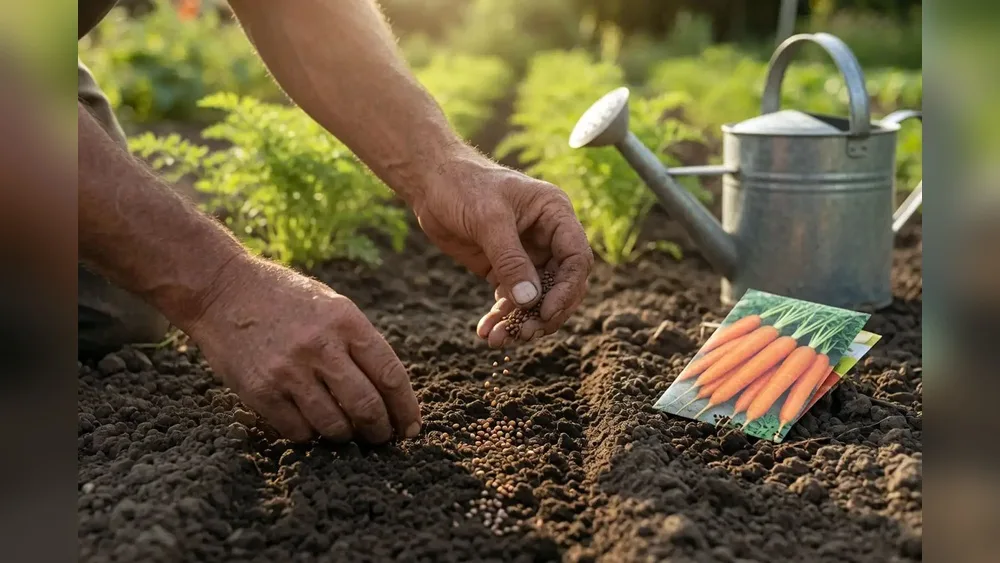
- Carrots: 1/4 inch deep, 1 inch apart
- Lettuce: 1/8 inch deep, 6 inches apart
Proper spacing ensures airflow and reduces disease risk. Crowded seedlings are more susceptible to fungal issues, so thinning is essential.
Thinning is especially important for root crops. Overcrowded carrots or beets will produce small, misshapen roots. For greens, regular thinning provides baby leaves for salads and encourages remaining plants to grow larger.
Watering And Mulching
Water seeds gently but consistently, keeping soil moist but not waterlogged. Apply mulch (straw, leaves) to stabilize soil temperature and retain moisture, especially as nights cool.
Mulching also suppresses weeds and protects against heavy rain, which can compact soil or wash away seeds. Organic mulch breaks down over time, enriching the soil and providing a buffer against temperature swings.
For very dry fall climates, consider drip irrigation or soaker hoses to maintain steady moisture.
Protecting And Nurturing Fall Seedlings
Frost Protection Methods
As fall progresses, protecting seedlings from frost becomes essential. Methods include:
- Row covers: Lightweight fabric shields plants from cold and wind. Row covers can be left on during the day, allowing light and water to penetrate, while providing several degrees of frost protection.
- Cold frames: Glass-topped boxes provide a microclimate for seedlings. Cold frames are especially useful for extending the growing season for greens and herbs, and can be constructed from recycled materials.
- Mulching: Thick layers of straw insulate roots. Mulch also prevents soil from freezing quickly, allowing roots to continue growing in mild climates.
For extra protection, consider using plastic tunnels or cloches for individual plants. In severe climates, heated greenhouses or insulated beds may be necessary.
Pest And Disease Management
Although pest pressure decreases in fall, slugs and rodents may target tender seedlings. Combat these with physical barriers and organic deterrents such as crushed eggshells or neem oil.
- Monitor for aphids and cabbage worms, especially on brassicas.
- Remove affected leaves promptly to halt disease spread.
Slugs are particularly active in damp, cool weather. Beer traps or copper tape can help keep them at bay. For rodents, wire mesh or raised beds may provide additional protection.
Disease risk is lower in fall, but ensure good air circulation and avoid overhead watering late in the day. If fungal issues arise, organic fungicides or neem oil can be used as a preventative.
Real-world Example: Pacific Northwest Resilience
Gardeners in the Pacific Northwest used floating row covers to protect “Bloomsdale” spinach during unexpected cold snaps, resulting in a harvest that outperformed spring crops (PNW Gardens).
Their success was attributed to timely application of row covers and careful monitoring of soil moisture, which prevented frost damage and allowed continued growth despite shorter days.
Fertilization And Maintenance
Fall-planted crops require less fertilization than summer counterparts. Apply a balanced organic fertilizer at sowing, and avoid excessive nitrogen, which can promote weak growth.
- Fertilize once at planting
- Monitor for signs of nutrient deficiency (yellowing leaves, stunted growth)
- Remove weeds as needed
Maintenance is simplified in fall, as weed growth slows and pests are less active. Regular checks for moisture and occasional removal of damaged leaves are usually sufficient.
Harvesting Fall Crops And Extending Your Season
Recognizing Harvest Readiness
Harvesting at the right time ensures maximum flavor and nutrition. Most fall crops are ready when roots reach their mature size or leaves are tender and full.
- Spinach: Pick leaves when 2-4 inches long
- Carrots: Harvest when roots are firm and bright orange
- Radishes: Pull when bulbs are crisp
Many fall crops can be harvested over several weeks. For greens, pick outer leaves and allow the plant to continue producing. Root crops can be left in the ground and harvested as needed.
Some vegetables, such as kale and Brussels sprouts, improve in flavor after exposure to frost, as starches convert to sugars.
Storing And Preserving
Many fall crops store well in cool, dark locations. Root vegetables can be kept in sand or sawdust bins, while leafy greens are best refrigerated.
- Carrots and beets: Store in bins at 32–40°F
- Lettuce and spinach: Refrigerate in damp paper towels
For long-term storage, consider pickling or fermenting beets and cabbage, or freezing greens after blanching. Proper storage extends the usability of your harvest and reduces waste.
Extending The Season With Covers
To harvest beyond frost, use row covers, cold frames, or greenhouses. These structures allow you to continue picking greens and roots well into winter.
Hoop houses and tunnels can be constructed easily, providing protection for larger areas. In milder climates, overwintering crops such as spinach and fava beans can be harvested in early spring, providing a jump-start on the new season.
Real-world Example: Southern Harvest Extension
In the Southern U.S., gardeners used hoop houses to protect “Detroit Dark Red” beets, extending their harvest until January and preserving fresh produce for holiday meals (University of Georgia Extension).
These growers reported minimal pest issues and consistent yields, thanks to careful planning and season extension techniques.
Common Challenges And How To Overcome Them
Slow Germination
Cooler soil temperatures can slow germination. To combat this:
- Warm soil with clear plastic for a week before planting.
- Sow seeds slightly deeper to avoid temperature swings.
You can also pre-sprout seeds indoors by soaking them in water for 24 hours and then placing them on damp paper towels until they show tiny roots.
Weather Variability
Sudden cold snaps or heavy rain can damage young seedlings. Flexible protection such as portable row covers or cloches are invaluable.
Monitor weather forecasts and keep covers handy. Raised beds and containers drain better, reducing the risk of waterlogging.
Disease And Pest Issues
While reduced in fall, some pests remain. Use organic controls and encourage beneficial insects such as ladybugs.
Crop rotation and interplanting with pest-repellent herbs (like dill or garlic) can help minimize issues.
Space Constraints
Fall gardening often overlaps with late summer crops. Plan succession planting and interplanting to maximize space.
Vertical gardening techniques, such as trellising peas, can also help utilize space efficiently.
Real-world Example: Urban Garden Adaptation
Urban gardeners in Boston utilized raised beds and container gardens for fall sowing, overcoming space and soil limitations. They reported successful harvests of kale and lettuce from seed, even in confined areas (Boston.gov Gardening).
Containers allowed flexible placement and easy frost protection, making fall gardening accessible even for apartment dwellers.
Sustainable Practices And Long-term Benefits
Soil Conservation
Keeping gardens active through fall prevents erosion and maintains soil fertility. Cover crops like winter rye or clover can be sown after harvest to protect and enhance soil.
Overwintering cover crops also suppress weeds, increase organic matter, and prepare beds for spring planting. This practice is crucial for sustainable gardening and long-term productivity.
Biodiversity And Pollinator Support
Fall crops attract late-season pollinators and beneficial insects, supporting biodiversity in your garden ecosystem.
Flowers such as calendula or late-blooming herbs can be interplanted to provide nectar and pollen, ensuring pollinators have resources into autumn.
Reducing Garden Waste
Planting from seed in fall uses fewer resources and reduces reliance on plastic pots and transplants. It also allows gardeners to utilize leftover seeds from spring.
Composting fall crop residues further closes the loop, transforming garden waste into valuable soil amendments.
Real-world Example: School Garden Initiative
A school garden in Colorado implemented fall seed planting of cover crops, improving soil quality and providing hands-on learning for students. The garden’s productivity increased 20% year-over-year, demonstrating long-term benefits (Colorado University School Garden).
The initiative taught students about soil health and sustainable agriculture, and provided fresh produce for school lunches well into winter.
Economic And Environmental Impact
Fall gardening lowers grocery bills and reduces carbon footprint by producing local, seasonal food. It also enhances garden resilience against weather extremes.
| Practice | Benefit | Impact |
|---|---|---|
| Fall Seed Planting | Extended harvest, soil health | 20-30% higher yield, reduced erosion |
| Cover Crops | Soil enrichment, biodiversity | Improved fertility, pollinator support |
| Organic Mulching | Moisture retention, insulation | Lower water usage, frost protection |
By adopting fall gardening, you contribute to sustainable food systems and enjoy the economic benefits of homegrown produce.
Frequently Asked Questions
Can I Plant From Seed For Fall Gardening, Or Do I Need To Use Transplants?
Yes, you can definitely plant from seed for fall gardening. Many cool-season crops—such as spinach, lettuce, radishes, and carrots—thrive when sown directly into the soil. Transplants are useful for crops with longer maturity times, but direct seeding is effective, economical, and often yields stronger plants. Seeds adapt to local conditions from the start, reducing transplant shock and producing robust root systems.
What Are The Best Vegetables To Plant From Seed In Fall?
The best vegetables for fall planting from seed include leafy greens (spinach, kale, lettuce), root crops (carrots, beets, turnips, radishes), and brassicas (broccoli, cabbage, cauliflower). These crops prefer cooler temperatures and are tolerant of light frosts, making them ideal choices. Herbs like cilantro and dill also flourish in autumn, providing fresh flavors for fall meals.
How Do I Protect My Fall Seedlings From Early Frosts?
Protection methods include using row covers, cold frames, and mulching. Lightweight fabric covers shield plants from frost, while cold frames create a warmer microclimate. Mulch insulates roots and stabilizes soil temperature. Planning ahead and monitoring weather forecasts are key to successful frost protection. For container gardens, simply move pots to sheltered areas or indoors during cold nights.
Is Fall Gardening From Seed Suitable For Beginners?
Absolutely! Fall gardening from seed is accessible for beginners. Many crops germinate quickly and require minimal maintenance. Start with easy-to-grow varieties such as radishes, lettuce, and spinach. Follow seed packet instructions and use basic protection techniques to ensure success. Community gardens and online forums provide additional support and advice for new gardeners.
How Can I Maximize My Harvest When Planting Seeds In Fall?
To maximize your harvest, choose quick-maturing varieties, practice succession planting, and use protective structures like row covers. Amend soil with compost, monitor moisture, and harvest promptly. Companion planting and interplanting can further increase productivity and space efficiency. Keep records of planting dates and harvest yields to refine your fall gardening strategy each year.
Gardening from seed in the fall is not only possible, but it’s also a powerful strategy for extending your harvest, improving soil health, and enhancing garden sustainability. By selecting the right crops, planning carefully, and applying proven techniques, you’ll enjoy a productive and rewarding fall garden.
Whether you’re growing leafy greens, root vegetables, or herbs, planting from seed in autumn is a smart, sustainable choice that benefits your garden and your table.