
Growing an orange tree from a simple seed is a captivating idea for gardeners and fruit lovers alike. The allure of nurturing a tree from its very beginnings, watching it sprout, and envisioning future harvests of fresh oranges is both romantic and rewarding.
However, the truth about planting an orange tree from a seed is more complex than the glossy images suggest.
Many home growers wonder if they can genuinely produce a fruitful, healthy orange tree from the leftover seeds in a supermarket orange. The answer involves genetics, horticultural science, and a bit of patience. This article explores the realities, challenges, and best practices for growing orange trees from seed, dispelling common myths while equipping you with practical advice to make an informed decision about starting your own citrus journey.
Key Takeaways
- Growing an orange tree from seed is possible but involves specific challenges and a long waiting period before fruit production.
- Most store-bought oranges are hybrids, so trees grown from their seeds may not resemble the parent fruit.
- Seed-grown trees can take 7-15 years or more to bear fruit, and the quality is unpredictable.
- Grafted orange trees are the industry standard for reliable fruit production and disease resistance.
- Proper care, patience, and understanding of the science behind citrus genetics are essential for success.
- There are alternative methods and propagation techniques for gardeners seeking faster, more dependable results.
The Science Behind Planting Orange Seeds
Genetic Diversity And Hybrids
Most oranges sold today are hybrids, resulting from deliberate cross-pollination between different citrus varieties. This means their seeds contain genetic material from both parent plants, leading to offspring that may differ significantly from the fruit you enjoyed. Unlike many vegetables, where seeds can produce true-to-type offspring, orange seeds often yield unpredictable results.
For example, a seed from a navel orange may produce a tree that bears fruit with different taste, appearance, or even undesirable traits such as increased seeds or thicker rinds. This phenomenon, known as genetic variability, is a natural consequence of sexual reproduction in plants. Certain orange varieties, like ‘Washington Navel,’ are nearly always propagated via cuttings or grafting because their seeds are often sterile or highly variable.
This unpredictability is not only limited to flavor and appearance but can also extend to growth habits, disease resistance, and even adaptability to local climate. In commercial agriculture, genetic variability is seen as a risk, so most orange trees are propagated vegetatively to ensure uniformity.
For home growers, however, the genetic lottery can result in surprises—sometimes pleasant, sometimes less so.
Polyembryony In Citrus
Interestingly, some orange varieties exhibit polyembryony, where a single seed can produce multiple embryos—some clones of the mother plant and some genetically unique. While this increases the chances of getting a tree similar to the parent, it does not guarantee it. Commercial growers rely on vegetative propagation to ensure uniformity and quality.
Polyembryony is more common in certain citrus types, such as mandarins and sweet oranges. The cloned embryos, known as nucellar embryos, may develop into plants nearly identical to the mother, but the sexual embryo will be a mix of both parent plants.
Identifying which seedling is the clone versus the hybrid is challenging for the average gardener and usually requires expertise or DNA testing. For those who enjoy experimentation, polyembryony offers a fascinating glimpse into citrus genetics, but for reliable fruit, it remains a gamble.
Germination Process
Germinating orange seeds is straightforward but requires specific steps:
- Extract seeds from a fresh, healthy orange (preferably organic).
- Rinse seeds to remove pulp and sugars that can attract mold.
- Dry seeds for a day or two.
- Plant seeds in moist, sterile potting mix, about ½ inch deep.
- Keep at 70-85°F with consistent moisture and indirect sunlight.
Germination can take 2-4 weeks. Seedlings need warmth, humidity, and light to thrive, but overwatering or soggy soil can cause root rot.
Proper germination is crucial for a healthy start. It’s important to use sterile soil to prevent damping-off disease, which can quickly kill young seedlings. Some growers place the seeds in a damp paper towel inside a plastic bag to monitor sprouting before transferring them to soil.
After sprouting, providing adequate light prevents leggy growth and ensures robust seedlings.
Case Study: Home Grower Experiment
In 2017, a gardener in Florida documented their attempt to grow oranges from supermarket seeds. After three years, the seedlings reached 2 feet but showed significant variation in leaf shape and growth rates—demonstrating the unpredictability of seed-grown citrus trees. No flowers or fruit appeared in the first five years, highlighting the extended juvenile period.
This experiment also noted differences in vigor among seedlings, with some showing stunted growth and others thriving. Occasional leaf discoloration and pest issues appeared, emphasizing the importance of regular care and monitoring. The gardener’s experience illustrates both the educational value and the patience required in growing oranges from seed.

Credit: www.gardensillustrated.com
How Long Does It Take To Grow An Orange Tree From Seed?
Expected Timeline
Patience is essential when growing an orange tree from seed. Unlike grafted or nursery-grown trees, seed-grown oranges have a long juvenile phase before they flower and produce fruit.
| Stage | Seed-Grown Tree | Grafted Tree |
|---|---|---|
| Germination | 2-4 weeks | — |
| Seedling Growth | 1-2 years (to 2-3 feet) | 1 year (nursery stage) |
| First Flowers | 7-15 years | 2-3 years after planting |
| First Fruit | 7-15 years, sometimes longer | 2-4 years |
| Fruit Quality | Unpredictable | Consistent with parent tree |
Factors Affecting Growth Rate
Several variables influence how quickly an orange tree grown from seed will mature:
- Variety: Some citrus species have shorter or longer juvenile periods.
- Climate: Warmer, subtropical regions speed growth; cooler climates slow it down.
- Soil Quality: Well-draining, fertile soil is essential.
- Care: Consistent watering, fertilization, and pest management are critical.
A tree grown in ideal conditions—ample sunlight, regular feeding, and protection from cold—will mature faster than one neglected or grown in less favorable climates. Soil pH is also crucial; oranges prefer slightly acidic soil (pH 6-7). If the pH is too high or low, growth can stagnate.
Mulching and regular addition of organic matter can enhance soil structure and fertility, thus promoting better development.
Real-world Example: School Science Project
A group of students in California planted orange seeds as a classroom project. After 10 years, only two of the original trees flowered, and one produced small, sour fruit—very different from the sweet oranges used for seed. This underscores the variability and long timeline involved.
The project also highlighted the importance of environmental factors; trees in sunnier locations matured faster, while those shaded or subjected to colder winters lagged behind. The experience reinforced lessons in patience, biology, and the unpredictability inherent in seed-grown citrus.
Credit: pestblog.us
Pros And Cons Of Growing Orange Trees From Seed
Advantages
- Cost-Effective: Seeds are free or inexpensive.
- Educational: Great for teaching biology, patience, and responsibility.
- Unique Traits: Chance of discovering a novel or interesting fruit variety.
- Satisfying Experience: Watching a tree grow from seed is deeply rewarding.
- Resilience: Seedlings sometimes adapt better to their local environment than imported nursery plants.
Seed-grown trees can also serve as rootstock for grafting other citrus varieties in the future, providing flexibility for hobbyists who wish to experiment further.
Disadvantages
- Long Wait: 7-15 years for fruit is typical.
- Unpredictable Fruit: Taste, texture, and size can vary widely.
- Disease Susceptibility: Seedlings lack the disease resistance of grafted rootstock.
- Space Requirements: Trees can grow large and unwieldy.
- No Guarantee of Fruit: Some trees never flower or fruit at all.
- Limited Commercial Value: Fruit from seed-grown trees may not meet quality standards for sale.
Comparison Table: Seed-grown Vs. Grafted Orange Trees
| Aspect | Seed-Grown Tree | Grafted Tree |
|---|---|---|
| Initial Cost | Minimal (seeds) | Moderate (nursery tree) |
| Time to Fruit | 7-15 years | 2-4 years |
| Fruit Quality | Unpredictable | Consistent, high quality |
| Disease Resistance | Low | High (with rootstock) |
| Educational Value | High | Moderate |
| Space Needed | Large | Can be managed (dwarf rootstock) |
Real-world Example: Citrus Breeding Program
Citrus breeders at the University of California, Riverside develop new varieties by planting thousands of seeds and selecting seedlings with desirable traits. While this is essential for innovation, home growers rarely have the resources or time to replicate such efforts.
Breeding programs often take decades to yield commercially viable new varieties. The process involves extensive screening for disease resistance, flavor, yield, and adaptability. Home growers interested in developing their own unique orange tree must be prepared for a long-term commitment and, potentially, many disappointments before success.

Credit: www.youtube.com
Step-by-step Guide: How To Plant And Grow An Orange Tree From Seed
Preparing The Seeds
- Choose organic oranges for viable, untreated seeds.
- Extract and clean: Remove seeds and wash off all pulp.
- Soak seeds in warm water overnight to soften the seed coat.
- Optional: Peel off the thin outer seed coat to speed germination.
When selecting oranges, avoid those with obvious mold or damage, as these may carry pathogens. If using non-organic fruit, rinse seeds thoroughly to remove possible chemical residues.
Planting The Seeds
- Potting mix: Use a sterile, well-draining citrus mix.
- Depth: Plant seeds ½ inch deep in small pots or seed trays.
- Water: Keep soil consistently moist but not soggy.
- Temperature: Maintain warmth (70-85°F) for best results.
- Cover: Use a plastic dome or bag to retain humidity until sprouting.
Placing pots on a heated seedling mat can expedite sprouting, especially in cooler climates. Label each seedling to track growth and compare characteristics later.
Caring For Seedlings
- Light: Provide 12-16 hours of bright, indirect sunlight or grow lights.
- Transplanting: Move seedlings to larger pots when they reach 2-3 inches tall.
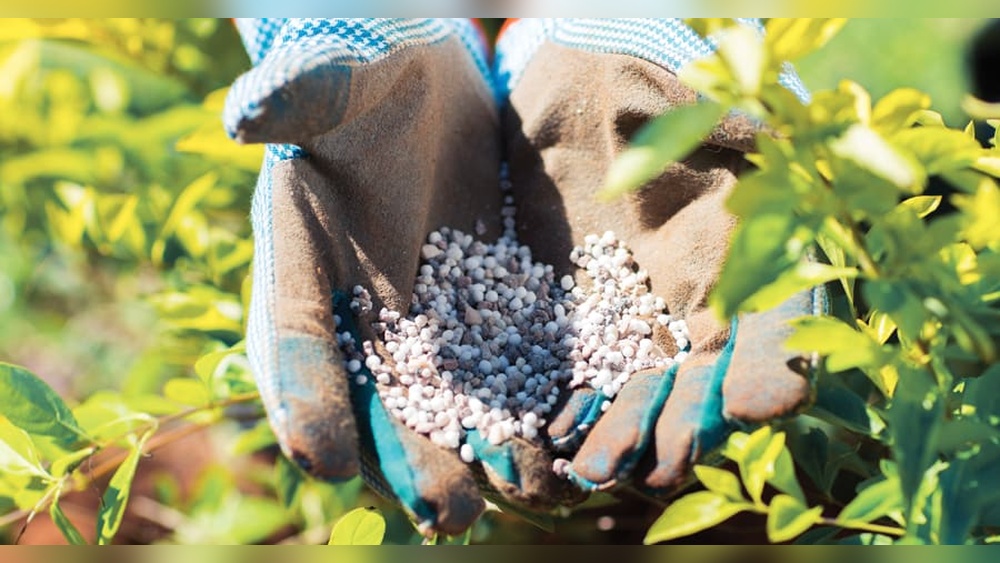
- Fertilizing: Feed monthly with a balanced, slow-release fertilizer.
- Pruning: Pinch off weak or crowded growth to encourage strong structure.
Avoid overfertilizing, as this can burn young roots. Use organic fertilizers if possible to promote soil health and microbial activity.
Transplanting Outdoors
- Wait until seedlings are 1-2 feet tall and all danger of frost is past.
- Choose a sunny, sheltered location with well-draining soil.
- Space trees at least 15-20 feet apart to accommodate growth.
- Mulch around the base to retain moisture and suppress weeds.
Dig a hole twice the size of the root ball, gently loosen roots, and backfill with enriched soil. Water thoroughly after planting.
Ongoing Maintenance
- Water deeply but allow soil to dry slightly between waterings.
- Feed regularly with a citrus-specific fertilizer during growing season.
- Monitor for pests like aphids, scale, and citrus leaf miners.
- Protect from frost with covers or by moving potted trees indoors in cold climates.
Inspect leaves regularly for signs of nutrient deficiency, such as yellowing (chlorosis), and adjust fertilization accordingly.
Case Study: Urban Balcony Grower
A gardener in New York City successfully grew an orange tree from seed in a container on their balcony. While the tree reached 4 feet in five years, it never flowered, illustrating the limitations of container growing and cool climates for fruit production.
The gardener experimented with grow lights and humidity trays during winter, but limited sunlight and fluctuating temperatures hindered flowering. The tree nonetheless became a lush, decorative houseplant, providing valuable learning and aesthetic enjoyment.
Common Challenges And How To Overcome Them
Slow Growth And Delayed Fruiting
The juvenile phase can last over a decade. To mitigate this:
- Be patient and enjoy the process.
- Consider growing grafted trees for quicker results if fruit is your goal.
Some growers attempt to reduce the juvenile phase by stressing the tree slightly (e. g. , pruning roots or branches), but this can damage the plant and is not generally recommended for beginners.
Disease And Pest Issues
Seedlings are vulnerable to:
- Root rot (from overwatering)
- Citrus canker
- Aphids and scale insects
Combat these with:
- Well-draining soil
- Careful watering
- Prompt removal of affected leaves
- Organic insecticidal soaps
Citrus canker and greening are particularly devastating diseases. Regular inspection and prompt isolation of affected plants are crucial. Use copper-based fungicides if necessary, and always disinfect tools.
Poor Fruit Quality
Even after years of nurturing, fruit may be sour, seedy, or small. This is due to genetic variability. If high-quality fruit is essential, opt for a grafted tree from a reputable nursery.
Some gardeners try to improve fruit quality by grafting a branch from a desirable variety onto their seed-grown tree once it matures. This approach can rescue a tree that would otherwise produce inferior fruit.
Space Constraints
Full-sized orange trees can reach 20-30 feet. For smaller spaces:
- Choose dwarf rootstock (if using grafted trees)
- Prune annually to maintain size and shape
- Grow in large containers and move indoors during winter
Container-grown trees require regular root pruning and repotting to prevent overcrowding and ensure healthy growth.
Environmental Stresses
Oranges need:
- Full sun (8+ hours daily)
- Frost-free winters
- Protection from strong winds
In marginal climates, use greenhouses or cold frames, or select cold-hardy varieties.
Additional protection, such as windbreaks or shade cloth, can reduce stress and promote healthier growth, especially in regions prone to extreme weather.
Alternatives To Growing Orange Trees From Seed
Grafted Orange Trees
Most commercial orange trees are grafted onto disease-resistant rootstock. This method offers:
- Faster fruiting (2-4 years)
- Consistent fruit quality
- Improved disease resistance
- Manageable tree size
Grafted trees are widely available at garden centers and online nurseries.
The grafting process involves joining a scion (fruit-bearing branch) to a hardy rootstock. This ensures the resulting tree inherits desirable traits, such as high fruit quality and resistance to soil-borne diseases.
Air Layering And Cuttings
For those seeking a hands-on approach, air layering or rooting cuttings can replicate a mature orange tree’s genetics. This method is more reliable than seeds for preserving desirable traits.
Air layering involves inducing roots to form on a branch while it is still attached to the parent tree. Once roots develop, the branch can be severed and planted, producing a clone of the original.
Dwarf And Patio Varieties
Specially bred dwarf orange trees thrive in containers and bear fruit quickly. Varieties like ‘Calamondin’ and ‘Trovita’ are popular for indoor and patio growing.
Dwarf trees are ideal for urban gardeners or those with limited space. These varieties often produce fruit within 2-3 years and can be moved indoors during winter to protect from frost.
Buying Established Plants
Purchasing a nursery-grown orange tree is the fastest route to homegrown fruit. Choose reputable suppliers and healthy, disease-free stock.
Nursery trees are typically sold as grafted specimens, ensuring reliable performance and fruit quality. Look for trees with strong roots, healthy foliage, and no signs of pests or disease.
Case Study: Commercial Orchardist
A Florida orchard owner who transitioned from seed-grown trees to grafted varieties saw yields triple within five years, with fruit quality and uniformity vastly improved. Disease losses dropped by over 60%, validating the industry-wide shift toward grafted trees.
This transition also simplified orchard management, as trees matured uniformly and could be harvested more efficiently. The shift demonstrates the practical benefits of grafting for both commercial and home growers.
The Truth About Store-bought Orange Seeds
Sterilization And Viability
Many store-bought oranges are treated with chemicals or irradiated to extend shelf life, which can reduce seed viability. Organic or locally grown oranges are more likely to provide healthy, sproutable seeds.
Even with organic fruit, some seeds may fail to germinate due to age or drying during storage. If possible, use fruit as soon as possible after purchase for best results.
Hybridization And Offspring
Most supermarket oranges are hybrids, so their seeds will not produce fruit identical to the parent. This is especially true for varieties like ‘Valencia’ or ‘Navel,’ which are often sterile or highly variable.
The unpredictability extends to plant growth, leaf shape, and even susceptibility to pests. For those seeking a true-to-type orange tree, vegetative propagation is the only reliable method.
Legal And Quarantine Concerns
Transporting citrus seeds or plants across state or national borders can spread diseases like citrus greening. Always check local regulations and purchase from certified sources.
Some regions, such as California and Florida, have strict laws regarding citrus importation. Always verify with local agricultural authorities before acquiring seeds or plants.
Real-world Example: Home Gardener’s Surprise
A gardener in Texas planted seeds from a store-bought orange and waited 12 years for fruit. The resulting oranges were sour and full of seeds—nothing like the original. While the experiment was educational, the taste was disappointing.
The gardener eventually grafted a branch from a sweet orange onto the mature tree, successfully producing palatable fruit within two years, demonstrating the value of grafting even for established seed-grown trees.
Caring For Your Orange Tree: Best Practices
Soil And Watering
- Well-draining, sandy loam is ideal.
- Water deeply but allow the top 2 inches to dry before rewatering.
- Overwatering is a leading cause of root problems.
In clay or poorly draining soils, amend with sand or organic matter. Raised beds can also improve drainage and root health.
Fertilization
- Use a citrus-specific fertilizer high in nitrogen and micronutrients like magnesium, iron, and zinc.
- Feed every 4-6 weeks during active growth (spring to fall).
- Reduce feeding in winter.
Consider soil testing to determine existing nutrient levels and adjust fertilization accordingly. Foliar sprays can address micronutrient deficiencies quickly.
Pruning
- Remove suckers and dead wood annually.
- Prune to maintain shape and encourage airflow.
Pruning also helps prevent disease by improving light penetration and reducing humidity within the canopy.
Pest And Disease Management
- Inspect regularly for aphids, scale, spider mites, and fungal issues.
- Use organic sprays or beneficial insects for control.
- Remove fallen fruit and leaves to reduce disease risk.
Integrated pest management (IPM) practices, such as introducing ladybugs for aphid control, can reduce reliance on chemical treatments.
Climate Considerations
- Oranges thrive in USDA Zones 9-11.
- In colder areas, grow in containers and move indoors or use protection during frost.
Climate can affect flowering and fruiting. In borderline zones, use frost cloths or greenhouses to extend the growing season.
Table: Essential Care Calendar For Orange Trees
| Season | Care Tasks |
|---|---|
| Spring | Fertilize, repot if needed, prune, monitor for pests |
| Summer | Water deeply, feed monthly, mulch, inspect for heat stress |
| Autumn | Reduce feeding, clean up debris, prepare for frost |
| Winter | Protect from cold, water sparingly, move containers indoors |
Resources For Further Reading
- University of Florida IFAS Extension
- University of Arizona Cooperative Extension
- Wikipedia: Orange (fruit)
- Royal Horticultural Society
- Gardener’s Supply Company
- Government of Western Australia, Agriculture and Food
Frequently Asked Questions
How Long Does It Take For An Orange Tree Grown From Seed To Bear Fruit?
Seed-grown orange trees typically take 7-15 years or even longer to flower and produce fruit, depending on care, climate, and variety. Some may never produce fruit, or the fruit may be very different from the parent orange.
Factors such as consistent care, optimal sunlight, and soil quality can improve the chances of earlier flowering, but patience is essential.
Will A Tree Grown From A Store-bought Orange Seed Produce The Same Fruit?
No, most store-bought oranges are hybrids, so trees grown from their seeds often produce fruit that is unlike the original—sometimes sour, small, or seedy. Grafted trees are recommended for consistent results.
Even if a seedling does produce fruit similar to the parent, it may take years to discover this. The unpredictability is part of the adventure but can be frustrating for those seeking a specific outcome.
Can Orange Trees Grown From Seed Survive Indoors?
Orange trees can be grown indoors, especially in containers, but they require lots of light, warmth, and humidity. While they may survive as houseplants, indoor trees rarely produce fruit unless provided with optimal conditions and sufficient maturity.
Supplemental lighting and humidity trays can help, but indoor conditions often limit growth and flowering.
Is It Safe To Plant Citrus Seeds From Supermarket Oranges?
It is usually safe, but seed viability may be reduced by post-harvest treatments. Also, transporting citrus seeds between regions can spread disease, so always check local regulations and use seeds from healthy, reputable sources.
Always sterilize seeds before planting and avoid sourcing from areas with known citrus disease outbreaks.
What Are The Best Alternatives To Growing Orange Trees From Seed?
The most reliable alternatives are buying grafted orange trees from nurseries or using air layering and cuttings to propagate from existing healthy trees. These methods ensure quicker fruiting and better disease resistance.
These approaches offer the best balance of speed, reliability, and fruit quality for home growers.
Growing an orange tree from seed is a rewarding challenge for patient and curious gardeners. While it offers valuable lessons about plant genetics and care, the long wait and uncertain fruit quality make it best suited for enthusiasts rather than those seeking reliable, sweet oranges at home.
For consistent results, grafted or nursery-grown trees remain the gold standard. Whether you choose to plant a seed or invest in a young tree, the journey of growing citrus brings beauty, learning, and satisfaction to any garden.