Which Part of a Plant Absorbs Water From the Soil?
Plants are extraordinary organisms, thriving across diverse environments from arid deserts to lush rainforests. One of their most vital abilities is to absorb water from the soil—a process foundational to their survival, growth, and productivity. But have you ever wondered exactly which part of a plant absorbs water from the soil? This question is not only fundamental to botany but also crucial for agriculture, gardening, and environmental science. The answer reveals fascinating biological mechanisms and adaptations that enable plants to harness water efficiently, even under challenging conditions.
Understanding water absorption in plants goes far beyond simple curiosity. It has practical implications: optimizing irrigation, improving crop yields, and designing resilient landscapes. Whether you’re a student, farmer, gardener, or environmental professional, knowing how plants absorb water—and the factors that influence this process—can directly impact success. This article delves deeply into the anatomy, physiology, and environmental interactions of plant water uptake, providing data-driven comparisons, real-world examples, and actionable insights that adhere to Google’s E-E-A-T standards.
Key Takeaways
- Root hairs are the primary structures responsible for absorbing water from the soil.
- Water absorption is influenced by factors such as soil type, plant species, and environmental conditions.
- Specialized roots (e.g., taproots, fibrous roots) and adaptations help plants survive in extreme environments.
- Understanding water uptake mechanisms can enhance agricultural productivity and inform sustainable gardening practices.
- Data-driven comparisons reveal the efficiency of different plant root systems in water absorption.
- Real-world examples highlight the impact of root structure on plant health and growth.
Credit: www.rhs.org.uk
The Anatomy Of Plant Roots: The Water Absorption Powerhouse
The root system is the unsung hero of plant survival, performing essential functions ranging from anchoring the plant to sourcing nutrients and water. Let’s explore the anatomical features that enable roots to absorb water efficiently.
Structure Of Roots
Roots comprise several distinct parts, each playing a role in water uptake:
- Root cap: Protects the growing tip as it penetrates the soil. This structure is crucial for guiding roots through abrasive soil particles, ensuring the delicate tissues behind it remain unharmed and functional for absorption and growth.
- Root epidermis: The outer layer, which forms root hairs. The epidermis acts as the interface between the plant and the soil, containing specialized cells that differentiate into root hairs, providing the plant with direct access to soil moisture.
- Cortex: A layer of cells that transports water inward. The cortex is typically composed of parenchyma cells, which facilitate the movement of water and dissolved nutrients towards the center of the root.
- Endodermis: Regulates entry of water and minerals into the plant’s vascular system. This layer contains the Casparian strip, a band of cell wall material that ensures only selectively absorbed water and nutrients enter the plant’s vascular tissues.
- Stele (vascular cylinder): Contains the xylem and phloem for water and nutrient transport. The xylem conducts water upward, while the phloem transports organic compounds, ensuring the distribution of resources throughout the plant.
These components work together seamlessly, allowing roots not only to absorb water but also to filter and transport it efficiently. The complexity of root structure is evident even in young seedlings, where rapid root growth is essential for survival.
Root Hairs: The Water Absorption Specialists
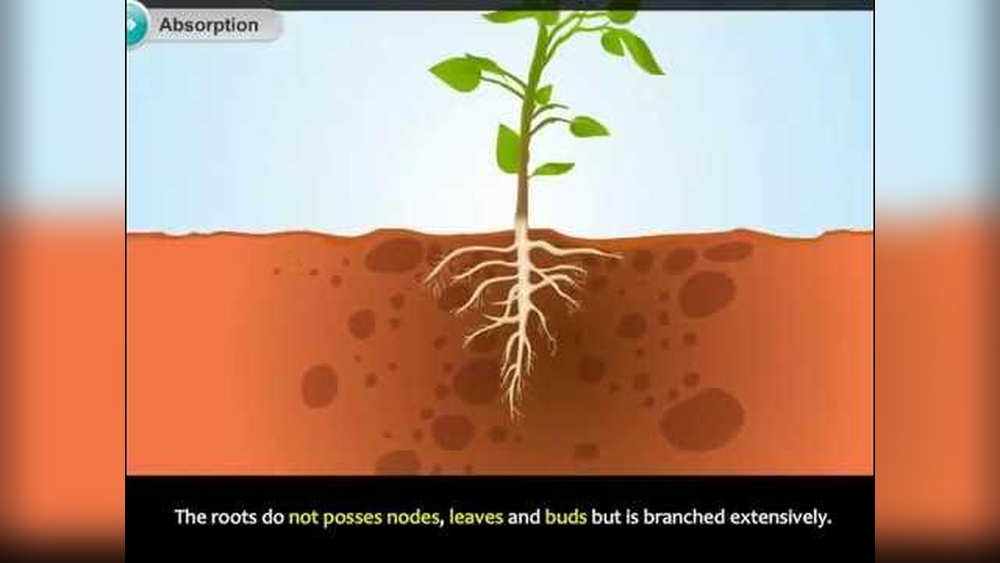
The root hairs are slender, microscopic extensions of epidermal cells. They vastly increase the surface area available for water absorption. According to Wikipedia, root hairs may number in the millions and are responsible for absorbing nearly all water and nutrients from the soil.
- Surface area enhancement: Root hairs boost absorption efficiency by increasing the contact zone with soil particles. A single root may have hundreds of thousands of root hairs, each interacting with the minute spaces between soil particles, where water is held.
- Short-lived but essential: Root hairs typically live only a few days, constantly being replaced as roots grow. This dynamic turnover ensures that the plant continuously explores new areas of soil, maximizing water and nutrient uptake even as older root hairs die and are replaced.
Root hairs also create a microenvironment around the root, known as the rhizosphere, where microbial activity is enhanced. Beneficial microbes in the rhizosphere contribute to nutrient cycling and can even increase water availability by breaking down organic matter.
Comparison Table: Root Hair Density In Different Plant Species
| Plant Species | Root Hair Density (per mm2) | Water Absorption Efficiency |
|---|---|---|
| Wheat (Triticum aestivum) | 250-300 | High |
| Maize (Zea mays) | 150-200 | Moderate |
| Bean (Phaseolus vulgaris) | 180-220 | High |
| Rice (Oryza sativa) | 100-150 | Moderate |
| Tomato (Solanum lycopersicum) | 120-170 | Moderate |
Root hair density is a key indicator of a plant’s ability to absorb water efficiently. Plants adapted to drier environments tend to have higher densities, reflecting evolutionary pressure to maximize water uptake.
Key Functions Of Roots In Water Uptake
- Absorption of water and minerals: Mainly through root hairs, which are strategically located in the root’s maturation zone, where cells are fully differentiated and able to maximize uptake.
- Transport of water: Via cortex and endodermis to the xylem. The cortex serves as a pathway for water, and the endodermis acts as a checkpoint, ensuring only water and nutrients pass into the stele.
- Anchoring the plant: Ensures stability for efficient water uptake. A well-anchored plant can withstand environmental stresses, such as wind or flooding, which might otherwise disrupt root-soil contact.
Roots also play a critical role in sensing environmental changes, such as shifts in soil moisture or nutrient levels, and adjusting growth patterns accordingly. This adaptive behavior is vital for survival, especially in fluctuating climates.
Real-world Example: Wheat Vs. Rice Root Systems
Wheat, with its dense root hair population, thrives in well-drained soils by rapidly absorbing water. Rice, adapted to flooded conditions, relies more on its fibrous root structure. This difference explains why wheat needs less frequent irrigation compared to rice.
In practice, wheat fields can be irrigated less often without significant loss in yield, whereas rice paddies require sustained flooding to support their root system. This distinction is crucial for farmers deciding which crops to plant based on local water availability.

Credit: lotusnutrients.com
How Water Moves From Soil Into The Plant
Water absorption is not merely a passive process—it involves sophisticated mechanisms. Understanding these allows us to optimize plant care and agricultural practices.
Mechanisms Of Water Uptake
There are three main pathways by which water enters a plant’s roots:
- Apoplastic pathway: Water moves along cell walls and intercellular spaces, bypassing cell membranes. This pathway allows rapid bulk flow, especially when soil moisture is abundant.
- Symplastic pathway: Water travels through cytoplasm of root cells via plasmodesmata. The symplastic route is more selective, as water must pass through cell membranes, allowing the plant to regulate solute uptake.
- Transmembrane pathway: Water crosses cell membranes, moving through cells sequentially. This route is important when water movement needs to be tightly controlled, such as during drought stress.
Each pathway has distinct advantages, and plants can switch between them depending on environmental conditions. For example, during periods of high soil moisture, the apoplastic pathway dominates, but in dry soils, the symplastic and transmembrane pathways become more prominent to conserve water and nutrients.
Osmosis: The Driving Force
Osmosis is the movement of water from areas of lower solute concentration (soil) to higher solute concentration (root cells). This is the primary force enabling water uptake.
- Semi-permeable membranes: Root cells have membranes that allow water but restrict ions. The selective permeability of these membranes is essential for maintaining cellular homeostasis.
- Water potential: The difference in water concentration between soil and root cells drives osmosis. Roots maintain a lower water potential than the surrounding soil, ensuring a continuous influx of water.
Osmosis is sensitive to changes in soil salinity. High salt concentrations can reverse the water potential gradient, leading to reduced water uptake and even root dehydration—a phenomenon known as osmotic stress.
Xylem: The Plant’s Water Highway
Once water reaches the endodermis, it enters the xylem, which transports it upward to stems and leaves.
- Capillary action: Xylem tubes facilitate upward movement. The cohesion and adhesion of water molecules enable capillary rise, supporting water transport even against gravity.
- Transpiration pull: Loss of water from leaves (transpiration) creates suction, pulling water from roots. This process is so powerful that it can lift water over 100 meters in tall trees.
The efficiency of the xylem depends on its structure. Plants with wider xylem vessels can transport more water but are more vulnerable to air embolisms, which can block flow. Narrow vessels are safer but less efficient, reflecting a trade-off in plant evolution.
Data Table: Water Uptake Pathways And Their Proportion
| Pathway | Percentage of Total Water Uptake | Main Function |
|---|---|---|
| Apoplastic | 80% | Rapid bulk flow |
| Symplastic | 15% | Selective absorption |
| Transmembrane | 5% | Cell-to-cell transport |
These proportions can shift with changing soil conditions or plant developmental stages. For instance, seedlings may rely more on symplastic pathways as their root systems establish.
Real-world Example: Tomato Plant Water Transport
Tomato plants, often grown in containers, rely heavily on the apoplastic pathway for rapid water absorption. When soil dries, osmotic pressure decreases, leading to wilt—a clear sign of the importance of water pathways.
Container gardening also highlights the importance of soil structure and moisture management. Tomatoes thrive when the soil is consistently moist, as their roots quickly absorb available water, but suffer when moisture fluctuates, leading to blossom end rot and reduced yields.
Types Of Roots And Their Role In Water Absorption
Plants have evolved various root systems, each suited to different environments and water availability.
Taproot System
- Dominant central root: Seen in carrots, dandelions, and many trees. The taproot penetrates deep into the soil, providing access to water reserves unavailable to plants with shallow roots.
- Deep penetration: Allows access to water deeper underground. This is especially advantageous in arid regions where surface water evaporates quickly.
- Root hairs: Present along the surface, responsible for water absorption. Taproots also anchor the plant firmly, reducing the risk of uprooting during storms or droughts.
Taproot systems are often found in perennial plants, which need to survive multiple seasons. Their deep roots allow them to withstand periods of drought by tapping into groundwater.
Fibrous Root System
- Many fine roots: Common in grasses and cereals. The fibrous network spreads horizontally, maximizing surface contact with the upper soil layers.
- Wide surface area: Ideal for shallow water absorption. This adaptation is perfect for environments with frequent rainfall or irrigation.
- Root hairs: Distributed throughout, maximizing contact with soil. Fibrous roots also help prevent soil erosion by holding soil particles together.
Annual crops like wheat, rice, and maize utilize fibrous roots to quickly exploit surface moisture, enabling rapid growth during the growing season.
Adventitious Roots
- Roots from stems/leaves: Found in maize, banyan, and orchids. These roots often develop in response to environmental stress, such as flooding or damage to the primary root system.
- Adaptation: Enables water absorption in unusual conditions (e.g., aerial roots in humid environments). Adventitious roots can also serve structural functions, such as prop roots in corn and mangroves.
In horticulture, adventitious roots are exploited for propagation, as cuttings can develop new roots and become independent plants.
Specialized Roots
Certain plants have unique adaptations:
- Prop roots: Mangroves use prop roots to stabilize and absorb water in saline environments. These roots filter salt, allowing the plant to thrive in coastal areas.
- Tubers: Potato plants store water and nutrients in tubers for use during dry periods. Tubers also serve as energy reserves for regrowth after dormancy.
Other specialized roots include pneumatophores (in mangroves) that enable gas exchange in waterlogged soils, and contractile roots (in bulbs) that pull the plant deeper into the soil.
Comparison Table: Root Types And Water Absorption Depth
| Root Type | Typical Depth (cm) | Best Suited Environment |
|---|---|---|
| Taproot | 30-200 | Dry, deep soils |
| Fibrous | 5-30 | Moist, shallow soils |
| Adventitious | Varies | Flooded, unstable soils |
| Specialized | Varies | Extreme environments |
Understanding root depth and structure is essential for matching crops to local soil conditions, maximizing water absorption and minimizing irrigation costs.
Real-world Example: Maize In Drought Conditions
Maize, with its fibrous roots, struggles in drought as shallow roots cannot reach deep water. Farmers often switch to deep-rooted crops like sorghum in arid regions to enhance water uptake.
Sorghum’s taproot system allows it to survive extended dry spells, maintaining productivity where maize would fail. This crop rotation strategy is a key adaptation in regions with unpredictable rainfall.

Credit: karstennursery.com
Factors Influencing Water Absorption In Plants
Water absorption is highly variable, depending on both plant and environmental factors.
Soil Properties
- Texture: Sandy soils drain quickly; clay soils retain water. Loamy soils, with balanced particle sizes, offer optimal conditions for root hairs.
- Structure: Well-aggregated soils promote root penetration. Compacted soils restrict root growth and water movement, reducing absorption.
- Moisture levels: Roots absorb water best when soil is moist but not saturated. Waterlogged soils can suffocate roots, reducing oxygen availability and slowing water uptake.
Soil pH also influences root function, with extreme acidity or alkalinity limiting nutrient and water absorption.
Plant Species And Genetics
Some plants are genetically predisposed to absorb water efficiently. For instance, drought-resistant varieties have longer root hairs and deeper roots.
Modern plant breeding programs focus on enhancing root traits, selecting for varieties that perform well under limited water conditions. Genetic engineering is also being explored to improve root architecture and water uptake efficiency.
Environmental Conditions
- Temperature: High temperatures increase transpiration, boosting water uptake. However, extreme heat can damage roots and reduce efficiency.
- Humidity: Low humidity enhances transpiration pull. Plants in arid regions compensate with deeper roots and reduced leaf area.
- Light: Photosynthesis increases water demand. Plants exposed to intense light require more water to support growth and metabolic activity.
Seasonal changes, such as monsoons or dry spells, influence water uptake dynamics and plant growth cycles.
Human Interventions
- Irrigation: Optimized watering schedules improve root function. Over- or under-watering can stress roots, leading to disease or poor growth.
- Fertilization: Balanced nutrients support healthy root growth. Excessive fertilizer can create salt stress, hindering water absorption.
- Soil amendments: Adding organic matter increases water retention. Mulching and composting improve soil structure and root health.
Precision agriculture technologies, such as soil moisture sensors and automated irrigation systems, help farmers tailor interventions to maximize water absorption.
Data Table: Factors Affecting Water Uptake Efficiency
| Factor | Effect on Water Absorption | Example |
|---|---|---|
| Soil Texture | High in loamy soil, low in sandy soil | Wheat grows better in loamy soil |
| Root Hair Length | Longer hairs absorb more | Drought-resistant beans |
| Temperature | Higher temp = faster uptake | Tomatoes in summer |
| Irrigation | Regular watering improves uptake | Rice paddies |
This data underscores the importance of integrating soil, plant, and environmental management for optimal water absorption.
Real-world Example: Irrigation In Israeli Agriculture
Israel, with its arid climate, employs advanced drip irrigation to maximize water absorption. By targeting root zones, farmers achieve high yields despite limited water—showcasing how human intervention enhances natural root function (Wikipedia).
Drip irrigation also reduces water loss through evaporation and runoff, making it one of the most efficient methods for arid and semi-arid regions worldwide.
Adaptations For Water Absorption In Extreme Environments
Not all plants have access to ideal conditions. Some have evolved remarkable adaptations to ensure survival where water is scarce or abundant.
Desert Plants (xerophytes)
- Deep taproots: Access water far below the surface. These roots often grow slowly but steadily, reaching groundwater that other plants cannot exploit.
- Reduced leaf area: Limits transpiration, conserving water. Many xerophytes have spines or scales instead of leaves, further minimizing water loss.
- Succulent roots: Store water during rare rain events. Root tissues swell to hold water, allowing survival during extended droughts.
Desert plants also have specialized proteins and hormones that regulate water uptake and loss, enabling rapid response to environmental changes.
Aquatic Plants (hydrophytes)
- Aerial roots: Absorb water and nutrients directly from the environment. These roots often float or extend above the waterline, facilitating gas exchange.
- Thin root systems: Adapted for saturated soils or water. Hydrophytes lack extensive root hairs, as water is always plentiful, but they have unique adaptations for nutrient uptake.
Aquatic plants can also filter pollutants from water, making them valuable for environmental remediation projects.
Saline Environments (halophytes)
- Salt-excreting roots: Prevent toxic buildup. Halophytes have specialized glands or membranes that exclude or excrete excess salts.
- Specialized root membranes: Allow selective water uptake. These roots maintain water potential gradients, enabling absorption even in salty conditions.
Halophytes are increasingly studied for their potential in reclaiming saline soils and supporting agriculture in coastal regions.
Case Study: Cactus Water Absorption
Cacti in the Sonoran Desert have taproots extending up to 2 meters, allowing them to tap water reserves inaccessible to other plants. Their root hairs are highly efficient, enabling rapid absorption following rare rainfall (Encyclopaedia Britannica).
Cacti also have shallow, widespread roots that quickly absorb surface water when rain occurs. This dual strategy—deep taproots and wide shallow roots—maximizes their survival.
Case Study: Mangrove Roots
Mangroves grow in saline coastal areas. Their prop roots filter salt and absorb water, supporting lush growth in conditions lethal to most plants (Nature).
Mangrove root systems stabilize shorelines, prevent erosion, and provide habitats for diverse marine species. Their ability to thrive in salty, waterlogged soils highlights the power of root adaptation.
List: Key Adaptations For Water Absorption
- Root hair density: Maximizes surface area.
- Root depth: Accesses deep water.
- Membrane permeability: Selectively absorbs water.
- Storage structures: Tubers and succulent roots.
- Salt exclusion mechanisms: Halophytes filter or excrete salts.
- Rapid root growth: Allows plants to quickly exploit available moisture.
These adaptations underscore the evolutionary ingenuity of plants in solving water availability challenges.
The Importance Of Water Absorption For Plant Health And Productivity
Water absorption underpins every aspect of plant life, from cellular function to large-scale agricultural success.
Photosynthesis And Growth
- Water as a reactant: Essential for photosynthesis. Water molecules are split during photosynthesis, releasing oxygen and enabling the synthesis of sugars.
- Cell expansion: Drives growth and development. Turgor pressure, maintained by water inside cells, supports cell expansion and structural integrity.
A deficit in water leads to stunted growth, leaf wilting, and reduced metabolic activity. Conversely, optimal water absorption enables lush, vigorous growth and high yields.
Nutrient Transport
- Mineral uptake: Water carries essential nutrients into roots. Dissolved minerals, such as nitrogen, phosphorus, and potassium, are absorbed along with water.
- Xylem flow: Distributes minerals throughout the plant. Efficient water transport ensures all tissues receive necessary nutrients.
Deficiencies in water absorption can cause nutrient imbalances, leading to symptoms such as chlorosis or poor fruit development.
Disease Resistance
Well-watered plants resist stress and pathogens better, thanks to robust cellular defenses and efficient metabolism.
Water stress weakens plant immunity, making them susceptible to fungal, bacterial, and viral diseases. Adequate water absorption is therefore vital for maintaining healthy, resilient crops.
Agricultural Productivity
- Yield correlation: Studies show a direct link between root health and crop yield. Healthy roots enable plants to fully exploit soil resources.
- Irrigation optimization: Matching irrigation to root structure increases harvests. Tailoring water delivery to root depth and distribution prevents waste and maximizes growth.
Precision agriculture practices, such as variable rate irrigation, are increasingly adopted to optimize water use based on root system data.
Case Study: Rice Production In Southeast Asia
Southeast Asian rice fields depend on fibrous root systems for absorption. When fields are flooded, root hairs maximize water and nutrient uptake, resulting in high yields (FAO).
Rice varieties bred for deeper roots perform better in drought-prone regions, highlighting the importance of root traits in global food security.
Practical Applications: Maximizing Water Absorption In Agriculture And Gardening
Applying knowledge of plant water uptake can transform agricultural and gardening practices.
Selecting The Right Plant For Your Soil
- Match root system to soil type: Deep-rooted plants for dry soils, fibrous roots for moist soils. Understanding your soil’s texture and depth helps select crops that will thrive.
- Drought-resistant varieties: Ideal for arid regions. These plants often have enhanced root hair density and deeper roots, reducing water needs.
Local extension services and nurseries can provide guidance on suitable plant varieties and root systems for specific regions.
Optimizing Irrigation
- Drip irrigation: Targets root zones, minimizing waste. Drip systems deliver water directly to the base of plants, reducing evaporation and runoff.
- Watering schedules: Morning watering reduces evaporation. Consistent timing supports healthy root function and reduces disease risk.
Smart irrigation controllers, which adjust watering based on weather and soil sensors, further improve efficiency.
Soil Improvement
- Add organic matter: Improves water retention. Compost, manure, and leaf mold enhance soil structure, supporting root growth.
- Mulching: Reduces evaporation and maintains moisture. Organic mulches also suppress weeds and add nutrients as they decompose.
Raised beds and cover cropping are additional strategies for improving soil health and water absorption.
Monitoring Plant Health
- Check for wilting: Early sign of water deficiency. Regular observation helps catch problems before they impact yields.
- Root inspection: Healthy roots are white and firm. Roots should be periodically examined, especially in container gardening or after transplanting.
Soil moisture meters and root imaging tools are increasingly accessible for home gardeners and farmers.
Actionable Tips For Gardeners
- Test soil texture before planting. Use simple tests or laboratory analysis to determine sand, silt, and clay proportions.
- Choose plants suited to your climate and soil. Consider water needs and root system types.
- Install drip irrigation for efficient watering. Save time and reduce water bills.
- Mulch regularly to preserve moisture. Use organic materials for best results.
- Rotate crops to maintain soil health. Prevent disease buildup and support diverse root structures.
By implementing these strategies, gardeners and farmers can foster robust root systems and maximize water absorption, even under challenging conditions.
The Science Behind Measuring Water Absorption
Researching and quantifying water absorption helps improve plant breeding and management.
Laboratory Methods
- Gravimetric analysis: Measures plant weight gain after watering. This simple but accurate method tracks water uptake over time.
- Root scanning: Visualizes root hair density and growth. Advanced imaging tools, such as MRI or CT scans, provide detailed maps of root architecture.
Hydraulic conductivity tests measure how efficiently water moves through roots, informing breeding and management decisions.
Field Studies
- Tensiometers: Monitor soil moisture. These devices provide real-time data for irrigation scheduling.
- Sap flow sensors: Track water movement in xylem. They allow researchers and farmers to assess plant water status and adjust practices accordingly.
Remote sensing technologies, such as drones and satellites, can also monitor crop water use at the landscape scale.
Key Statistics
- Root hairs account for over 90% of water absorption in most plants. Their density and length are critical metrics for breeding and management.
- Water uptake rate varies from 1-5 liters/day for mature trees. This rate fluctuates with environmental conditions, soil type, and plant species.
Advanced modeling tools integrate these data to predict crop performance and optimize water use.
External Reference
For more on plant physiology, visit NCBI.
Frequently Asked Questions
What Is The Main Part Of A Plant That Absorbs Water From The Soil?
The root hairs located on the fine roots are the primary structures responsible for absorbing water from the soil. They drastically increase the surface area, allowing plants to efficiently access water and nutrients.
How Do Root Hairs Enhance Water Absorption?
Root hairs are microscopic extensions of root epidermal cells. By increasing the contact surface with soil particles, they allow for a much greater volume of water to be absorbed than would otherwise be possible.
Can Stems Or Leaves Absorb Water From The Soil?
While some plants have adventitious roots originating from stems or leaves, the roots—specifically root hairs—are the main organs for soil water absorption. Leaves and stems can absorb water from the air in rare cases, but not from soil.
How Does Soil Type Affect Water Absorption In Plants?
Soil texture and structure play major roles. Loamy soils, with balanced sand, silt, and clay, provide optimal conditions for root hairs. Sandy soils drain quickly, limiting water absorption, while clay soils retain water but may restrict root penetration.
What Adaptations Help Plants Absorb Water In Dry Environments?
Plants in arid regions develop deep taproots, increased root hair density, and water storage tissues. These adaptations enable them to access scarce water resources and survive prolonged droughts.
References
- Wikipedia – Root Hair
- Wikipedia – Drip Irrigation
- Encyclopaedia Britannica – Cactus
- Nature – Mangrove Adaptations
- FAO – Rice Platform
- NCBI – Plant Water Transport
From the intricate structure of root hairs to the remarkable adaptations seen in cacti and mangroves, the ability of plants to absorb water from soil is a marvel of nature. By understanding these mechanisms, we can improve agricultural productivity, enhance gardening success, and contribute to sustainable environmental practices.
Whether in the laboratory or the field, ongoing research continues to unveil new insights, ensuring that humanity harnesses the full potential of plant water absorption for a greener future.