How to Know If Your Soil Is Good for Gardening (Simple Tests)
Gardening success starts from the ground up—literally. Whether you dream of lush vegetable beds or vibrant flower borders, soil quality is the single most important factor in determining the health and productivity of your plants. Yet, many gardeners overlook this foundation, assuming that all dirt is created equal. The truth? Soil varies widely, and understanding its properties is key to unlocking your garden’s full potential.
But do you really need expensive lab tests and complex science to know if your soil is good for gardening? Not at all. With a handful of simple, practical tests, you can assess your soil’s health, texture, structure, and fertility right at home. These easy techniques—trusted by both hobbyists and professionals—reveal what’s happening underground, so you can make smart decisions for your garden’s future. In this guide, you’ll learn the most effective at-home soil tests, how to interpret the results, and what steps to take if your soil needs improvement.
Key Takeaways
- Healthy soil is essential for strong, productive plants and abundant harvests.
- Simple at-home tests can reveal key soil qualities like texture, drainage, pH, and fertility.
- Observing plant growth and using household materials helps diagnose soil issues without lab equipment.
- Soil can be improved through organic amendments, mulching, and crop rotation.
- Regular testing and monitoring lead to long-term gardening success and sustainability.

Credit: www.finegardening.com
Understanding Soil: What Makes Soil “good” For Gardening?
Before you dig in, it’s crucial to know what qualifies as “good” soil for gardening . The best garden soil is often described as loamy—a balanced mix of sand, silt, and clay, enriched with organic matter. But what does this really mean, and why does it matter?
The Building Blocks Of Soil
Soil is made up of four primary components:
- Mineral particles (sand, silt, clay)
- Organic matter (decomposed plant/animal material)
- Water
- Air
The ideal garden soil contains:
- 40% sand: Promotes drainage and aeration.
- 40% silt: Holds nutrients and moisture.
- 20% clay: Retains water and nutrients but drains more slowly.
This loamy texture provides the best balance for most plants—allowing roots to access nutrients, moisture, and air while preventing waterlogging. The proportion of sand, silt, and clay has a direct impact on how easily roots can penetrate the soil, how nutrients are retained, and how quickly excess water can escape. For example, sandy soils warm up faster in spring, which can jump-start early growth but also dry out quickly. Clay soils, on the other hand, tend to stay cooler and wetter, which is advantageous for certain crops but can lead to root rot if drainage is poor.
The Role Of Organic Matter
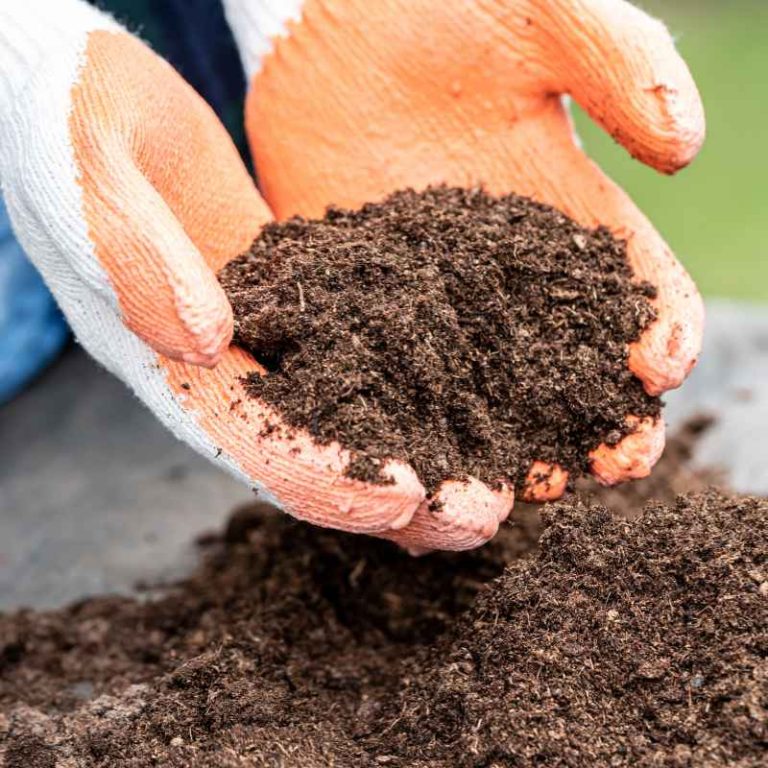
Rich, dark soil owes its color and fertility to organic matter. This material improves soil structure, enhances moisture retention, feeds beneficial microbes, and provides a slow-release source of nutrients. According to the USDA Natural Resources Conservation Service, soil with at least 5% organic matter is ideal for productive gardens.
Organic matter also acts as a sponge, helping soil hold onto water during dry spells, and as a reservoir, storing nutrients until plants need them. It encourages the growth of earthworms and beneficial microorganisms that break down nutrients and suppress diseases.
Additionally, organic matter helps buffer soil pH, making it more stable and less prone to sudden shifts that can stress plants. In urban gardens, where soils may be depleted or contaminated, adding organic matter is one of the most effective strategies to restore vitality.
Soil Structure And Tilth
Good soil isn’t just about what’s in it—it’s also about how it holds together. Healthy soil forms loose, crumbly aggregates (crumbs) that allow roots to penetrate easily and enable water to move through efficiently. Compacted or poorly structured soils limit root growth and water infiltration, leading to stressed, stunted plants.
Soil tilth refers to the physical condition of the soil as it relates to its suitability for planting. Well-tilled soil is easy to work, supports robust root systems, and doesn’t form hard crusts after rain. Poor tilth can result from excessive tilling, heavy traffic, or lack of organic matter, causing the soil to become dense, sticky, or even hard as concrete when dry.
Improving tilth often requires a combination of physical aeration (like broadforking), addition of organic matter, and avoidance of soil compaction, such as by creating permanent beds and pathways.
Chemical Properties: Ph And Nutrients
Soil pH affects nutrient availability. Most vegetables and ornamentals thrive in slightly acidic to neutral soil (pH 6.0–7.0). If soil is too acidic or alkaline, plants may struggle to absorb essential nutrients, even if those nutrients are present.
Nutrient-rich soil contains adequate levels of macronutrients (nitrogen, phosphorus, potassium) and micronutrients (iron, zinc, copper, etc.). Deficiencies or imbalances can cause poor growth and yellowing leaves. Some soils, especially those that have been cultivated for many years, may become depleted of specific nutrients, resulting in symptoms like leaf discoloration, reduced fruiting, or weak stems. Regularly monitoring and amending these nutrients helps sustain vibrant plant growth.
Essential At-home Soil Tests (step-by-step)
You don’t need a degree in soil science to assess your garden’s earth. These simple DIY tests use common household items and keen observation to measure key soil qualities.
The Jar Test: Determining Soil Texture
Knowing your soil’s proportion of sand, silt, and clay helps predict drainage, fertility, and what amendments to add.
How to do it:
- Collect a sample: Dig a hole 6–8 inches deep. Remove rocks, roots, and debris.
- Fill a clear jar: Add soil to about one-third full. Fill with water, leaving space at the top.
- Add a pinch of dish soap: This helps particles separate.
- Shake vigorously: For several minutes, ensuring all soil is suspended.
- Let settle: Place on a flat surface. After 1–2 minutes, sand settles at the bottom. After 1–2 hours, silt settles above the sand. After 24 hours, clay forms the top layer.
Measure each layer and calculate the percentage. Compare your results to the table below:
| Soil Type | Sand (%) | Silt (%) | Clay (%) | Gardening Suitability |
|---|---|---|---|---|
| Loam | 40 | 40 | 20 | Excellent |
| Sandy | 60–90 | 10–30 | 0–10 | Needs organic matter |
| Clay | 0–20 | 20–40 | 40–60 | Needs drainage improvement |
| Silty | 0–20 | 60–80 | 0–20 | Prone to compaction |
This test is particularly useful for gardeners in new homes or recently disturbed sites, as it provides a baseline for what amendments may be required. Repeat the jar test in different areas of your garden, as soil texture can vary even within a single yard.
The Squeeze Test: Soil Structure And Moisture
This quick test assesses soil texture and tilth—the feel and workability of your soil.
How to do it:
- Take a handful of moist (not wet) soil.
- Squeeze it in your hand, then open your palm.
Interpret the results:
- Loam: Forms a loose ball, crumbles easily.
- Clay: Stays in a sticky lump, holds its shape.
- Sand: Falls apart, won’t hold a shape.
This test can be refined by rolling the soil between your fingers. If it forms a ribbon longer than 2 inches, it’s high in clay. If it feels gritty and won’t form a ribbon, it’s sandy. This tactile assessment helps you gauge soil workability and informs whether more organic matter or amendments are needed for optimal planting.
The Percolation (drainage) Test
Proper drainage is critical. Poorly drained soil can drown roots, while soil that drains too fast dries out plants.
How to do it:
- Dig a hole 12” deep and 6” wide.
- Fill with water and let drain completely.
- Fill again, then time how long it takes to drain.
Ideal result: 1–2 inches per hour. Faster means sandy soil; slower means heavy clay or compaction.
For example, if the water drains in less than 30 minutes, your soil may not retain enough moisture for thirsty crops. Conversely, if it takes several hours or overnight, roots may be at risk for rot and fungal disease. Understanding drainage patterns helps you choose suitable plants or decide whether raised beds or soil amendments are necessary.
The Earthworm Count: Biological Activity
Earthworms are a sign of living, healthy soil. Their tunnels improve aeration and nutrient cycling.
How to do it:
- Dig a hole 12” x 12” x 6”.
- Count earthworms in the soil.
Healthy soil: At least 5–10 worms per shovelful.
A thriving earthworm population indicates a robust microbial ecosystem, which is essential for breaking down organic matter and releasing nutrients. If few or no worms are found, consider increasing organic matter and reducing synthetic fertilizers or pesticides, which can harm soil life.
Observing other soil creatures, such as beetles and millipedes, also offers clues to soil vitality.
The Vinegar And Baking Soda Ph Test
Soil pH influences nutrient uptake. This home test gives a rough estimate.
How to do it:
- For acidity: Place 2 tbsp soil in a bowl, add ½ cup vinegar. Fizzing means alkaline soil.
- For alkalinity: Place 2 tbsp soil in a bowl, add distilled water to make mud, then add ½ cup baking soda. Fizzing means acidic soil.
No reaction? Your soil is likely neutral (pH 6.5–7.5).
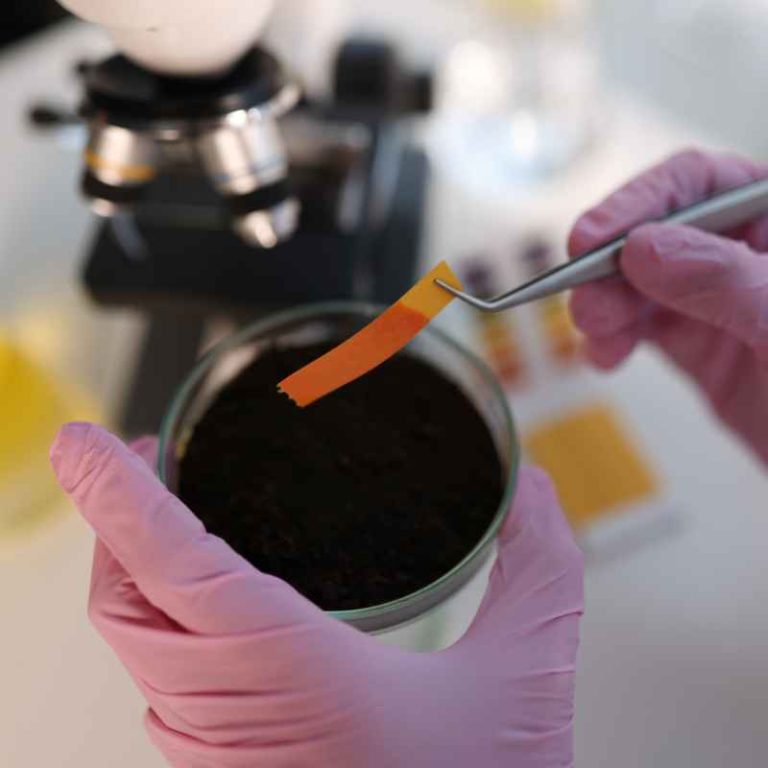
While not as precise as lab tests, this method helps you quickly identify major pH issues. For more accurate readings, consider using inexpensive pH meters available at garden centers. Monitor pH changes especially after adding amendments like lime or sulfur, as these can shift soil chemistry significantly.
The Plant Growth Observation Test
Observe existing plants for clues:
- Vigorous, green growth: Likely healthy soil.
- Yellowing, stunted, or wilting: May indicate nutrient deficiency, pH imbalance, or drainage issues.
Look for patterns across different beds or plant types. For instance, if only certain plants show symptoms, it may be a localized problem, such as a patch of compacted soil or an area with poor drainage. Monitoring plant health throughout the growing season and documenting changes can help you track the effectiveness of soil improvements and interventions.
The Smell Test
Healthy soil smells earthy and sweet due to actinomycetes bacteria. Sour, rotten, or ammonia smells indicate poor drainage or compaction.
A strong, unpleasant odor may also signal anaerobic conditions, often resulting from overwatering or poor structure. Improving aeration and drainage, as well as adding organic matter, can help restore the pleasant, earthy aroma associated with healthy soil.

Credit: homegrown-garden.com
Interpreting Your Soil Test Results
Once you’ve completed your tests, the next step is understanding what your results mean for your garden—and what action to take.
Texture And Structure: Matching Plants To Soil
- Loamy soil: Ideal for most vegetables, annuals, and perennials.
- Sandy soil: Great for root crops (carrots, potatoes), but needs organic matter for moisture retention.
- Clay soil: Suitable for moisture-loving plants (willows, irises), but benefits from compost and sand for better drainage.
Matching plant types to your soil’s natural properties saves time and resources. For example, Mediterranean herbs like rosemary and lavender thrive in sandy soils, while water-loving plants such as cattails or elephant ears prefer clay-rich environments. If your garden’s soil doesn’t match your desired crops, amendments and raised beds can help create the right conditions.
Drainage: Identifying Problems And Solutions
- Water drains too quickly: Add compost, leaf mold, or coconut coir to improve moisture retention.
- Water drains too slowly: Incorporate sand, gypsum, or coarse organic matter to break up clay and enhance aeration.
In some cases, installing French drains or building raised beds may be necessary for extreme drainage problems. Mulching also helps moderate moisture fluctuations, while strategic plant selection ensures your garden can cope with local rainfall patterns.
Ph: Adjusting For Your Crops
Most garden plants prefer slightly acidic to neutral soils, but some have specific needs:
- Blueberries, azaleas, rhododendrons: Thrive in acidic soil (pH 4.5–5.5).
- Asparagus, cabbage, lilacs: Prefer alkaline conditions (pH 7.0–8.0).
If your pH is off, apply lime to raise pH or sulfur to lower it, following guidelines from the Penn State Extension.
It’s important to adjust pH gradually and retest after each amendment, as sudden changes can shock plants and disrupt soil life. Some gardeners also use natural methods, such as adding pine needles for acidity or wood ash for alkalinity, to fine-tune soil pH.
Nutrient Deficiency Signs
- Nitrogen deficiency: Yellowing of older leaves, stunted growth.
- Phosphorus deficiency: Purplish stems, poor root development.
- Potassium deficiency: Leaf edges turn yellow or brown.
Use targeted fertilizers or organic amendments (compost, bone meal, wood ash) based on your plant’s needs.
For more nuanced nutrient issues, observe plant responses after application and monitor for improvement. Organic amendments often provide a wider range of micronutrients than synthetic fertilizers, supporting overall soil health.
Biological Activity: The Role Of Soil Life
Low earthworm counts or absence of soil insects suggest poor soil health. Increase organic matter and avoid synthetic chemicals to encourage beneficial organisms.
Healthy soil life also suppresses pests and diseases naturally, reducing the need for chemical interventions. Techniques such as vermicomposting and adding mycorrhizal fungi can further enhance biological activity and improve plant resilience.
Case Example: The Community Garden Turnaround
At a community garden in Portland, Oregon, crops struggled despite regular watering and fertilizing. Simple at-home tests revealed heavy clay soil with poor drainage and low worm counts. By adding compost, gypsum, and mulch, and rotating crops, soil texture improved within a season. The following year, yields increased by over 50%, and earthworm populations rebounded.
This example highlights the importance of regular testing and targeted improvement strategies. Community gardens, often located on previously unused or neglected land, benefit greatly from simple soil diagnostics and collaborative improvement projects.

Credit: www.youtube.com
Improving Soil Quality: Practical Steps
If your tests show your soil needs help, don’t worry—soil can always be improved with time and care. Here’s how to create a thriving foundation for your plants.
Adding Organic Matter
- Compost: Provides nutrients, improves structure, and boosts microbial life.
- Aged manure: Rich in nitrogen and organic matter.
- Leaf mold: Excellent for retaining moisture and feeding soil life.
Apply a 2–4 inch layer of organic matter each season and gently mix it into the top 6–8 inches of soil.
Continuous addition of organic matter helps maintain fertility and prevents depletion. Even in established gardens, top-dressing with compost each year sustains high yields and healthy plants. Consider creating a compost pile or bin to recycle kitchen scraps and yard waste, turning them into valuable soil amendments.
Mulching For Moisture And Structure
Mulch conserves moisture, suppresses weeds, and slowly adds organic matter as it decomposes. Use:
- Shredded leaves
- Straw
- Wood chips (for trees/shrubs)
- Grass clippings (thin layers)
Mulching also protects soil from erosion and temperature extremes, supporting root health and reducing maintenance. Experiment with different mulch materials to find what works best for your plants and climate.
Crop Rotation And Cover Crops
Rotating crops prevents nutrient depletion and reduces disease. Cover crops (like clover, vetch, or rye) add nutrients and organic matter when turned into the soil.
Cover crops are especially valuable in off-season periods, as they keep soil covered, prevent erosion, and fix nitrogen naturally. Incorporating green manures and legumes can enhance soil fertility and structure, preparing beds for the next planting cycle.
Soil Amendments For Specific Issues
- Sandy soils: Add compost, peat moss, or biochar.
- Clay soils: Add coarse sand (not beach sand), gypsum, or pine bark fines.
- Acidic soils: Apply garden lime as recommended.
- Alkaline soils: Use elemental sulfur or acidifying fertilizers.
Always follow recommended rates for amendments, as over-application can cause new imbalances or harm plants. Retest soil periodically to monitor progress and refine your improvement strategy.
Avoiding Soil Compaction
Limit walking or heavy equipment on garden beds. Create dedicated paths or raised beds to protect your soil structure.
Raised beds are particularly effective in wet climates or on heavy soils, as they improve drainage and reduce compaction. Installing stepping stones or mulch paths between beds further protects soil from foot traffic.
Case Example: From Sand To Success
A gardener in central Florida faced highly sandy soil with rapid drainage and poor fertility. By applying several inches of compost, mulching heavily, and planting nitrogen-fixing cover crops, the soil’s organic content doubled in two years, and vegetable yields improved dramatically.
This demonstrates how persistent, seasonal amendment and careful plant selection can transform even the most challenging soils. Sand, often considered “poor” by gardeners, can become highly productive with the right management.
Comparing Testing Methods: Diy Vs. Professional Lab
While home tests are invaluable, some situations call for professional soil analysis—especially if you’re starting a large garden or suspect contamination.
| Test Type | Cost | What It Measures | Speed | When to Use |
|---|---|---|---|---|
| DIY At-Home Tests | Free–$20 | Texture, drainage, pH (rough), organic content | Immediate (minutes–hours) | Routine checks, home gardens |
| Store-Bought Test Kits | $10–$30 | pH, NPK nutrients | Immediate (minutes) | Basic nutrient/pH check |
| Professional Lab Analysis | $30–$100+ | Detailed nutrients, micronutrients, contaminants | 1–3 weeks | Large gardens, persistent problems, safety concerns |
Professional lab tests are especially useful when planning large-scale plantings or troubleshooting persistent problems such as unexplained plant failures or suspected contamination. Labs can assess micronutrients, heavy metals, and organic matter more precisely than home methods, providing detailed recommendations for amendment and management.
According to the Soil Science Society of America, annual at-home testing combined with periodic lab analysis yields the best long-term results.
Real-world Examples: Diagnosing And Solving Soil Problems
Example 1: The Vegetable Patch With Yellowing Leaves
A backyard gardener in Illinois noticed her tomatoes and beans had yellowing leaves and poor fruit set. At-home testing showed the pH was below 5.5 (too acidic) and the soil was sandy. Adding lime raised the pH, and compost improved moisture retention. The next season, her yields tripled.
This highlights how a single adjustment—correcting pH—combined with ongoing organic matter addition, can dramatically improve garden productivity.
Example 2: Ornamental Beds With Standing Water
In a suburban Maryland yard, flowerbeds stayed wet after rain, and plants developed root rot. The percolation test showed drainage at less than 0. 5 inch per hour, typical of heavy clay. By double-digging beds, adding coarse sand and compost, and planting water-tolerant species, the problem was solved.
Such cases show the value of matching plant choices to soil conditions and using physical amendments for persistent drainage challenges.
Example 3: Community-supported Agriculture (csa) Soil Recovery
A small CSA farm in Vermont faced declining yields and compacted soil. No earthworms were found in test holes. By switching to no-till practices, applying thick compost mulch, and planting cover crops, soil life rebounded. Within two years, earthworm counts exceeded 15 per square foot, and harvests increased by 40%.
This example underscores the impact of holistic soil management—including biological, chemical, and structural improvements—on overall farm productivity.
Common Soil Issues And Their Simple Fixes
Understanding your test results empowers you to address almost any soil problem. Here’s a quick reference for common issues:
- Compacted soil: Aerate by broadforking or double-digging; add organic matter.
- Waterlogged areas: Build raised beds, improve drainage, or plant tolerant species.
- Nutrient deficiencies: Apply balanced organic fertilizers or targeted amendments (bone meal, blood meal, greensand).
- Acidic soil: Add lime as recommended by soil test results.
- Alkaline soil: Apply elemental sulfur or acidifying fertilizers.
- Low organic matter: Compost, mulch, and cover crops are your best allies.
For more on soil management, see the Cornell University Soil Health Program.
Addressing these issues early prevents larger problems down the road. For example, regular aeration and mulching can halt compaction before it limits plant growth, while timely amendments ensure plants have the nutrients they need for robust development.
When To Seek Professional Help
If your plants continue to struggle despite your efforts, or if you suspect issues like lead contamination (common in urban soils), consult a local extension service or soil lab. They can provide detailed nutrient analysis and safety recommendations. The US Environmental Protection Agency (EPA) offers guidance on safe gardening in urban environments.
Professional help can also be invaluable for new gardeners, large properties, or when planning edible landscapes in areas with unknown soil history. Extension services often offer free or low-cost tests and can assist with interpretation and tailored advice.
Sustainable Soil Stewardship
Building and maintaining healthy soil isn’t a one-time task—it’s an ongoing process. Practicing sustainable gardening by minimizing chemical inputs, rotating crops, and feeding the soil with organic matter leads to long-term resilience and productivity. Healthy soil supports not only your garden but also the broader ecosystem, conserving water, storing carbon, and nourishing pollinators.
Sustainable stewardship includes practices like leaving roots in the ground after harvest, using native plants, and integrating wildlife-friendly habitats. By creating a living soil, gardeners contribute to climate mitigation and biodiversity, ensuring future generations can enjoy productive, vibrant gardens.
Frequently Asked Questions
How Often Should I Test My Soil At Home?
It’s best to perform basic at-home soil tests once a year, ideally in early spring before planting. If you notice sudden changes in plant health or after adding large amounts of amendments, test again. For large or commercial gardens, combine home tests with professional analysis every few years.
Annual testing helps you track changes in soil quality, adjust amendments, and catch problems early. Keep a log of your results to identify trends and inform future garden planning.
Can I Use Store-bought Soil Test Kits Instead Of Diy Methods?
Store-bought kits are useful for quick checks of pH and basic nutrient levels (NPK). However, they may not measure micronutrients or organic matter accurately. Combining kits with DIY texture and drainage tests gives a fuller picture of soil health.
Many gardeners use both methods for confirmation. Kits are especially handy for testing multiple spots or getting a quick snapshot before planting new beds.
How Do I Know If My Soil Is Contaminated With Heavy Metals?
Signs of heavy metal contamination (like lead) are not visible to the naked eye. If your property is near old buildings, roads, or industrial sites, send a sample to a certified lab. The CDC’s ATSDR provides information on soil lead testing and safety.
Lab tests can detect even trace levels of harmful substances. For edible gardens, especially those used by children, testing is a wise precaution.
Is It Possible To Improve Very Poor Soil, Or Should I Start With Raised Beds And Imported Soil?
Almost all soils can be improved over time by adding organic matter, mulching, and practicing no-till or reduced tillage. However, in cases of severe contamination or extremely poor structure, raised beds with fresh soil can be a faster solution—especially for edible crops.
Choose imported soil carefully, ensuring it is free from weeds, pathogens, and contaminants. Raised beds also allow greater control over drainage and composition.
What’s The Single Most Important Thing I Can Do For My Soil?
The best thing you can do is add organic matter regularly—through compost, mulching, and growing cover crops. This boosts fertility, structure, and biological activity, creating a resilient and productive garden.
Consistent organic matter addition is the foundation of soil health. It transforms even poor soils, encourages beneficial organisms, and supports sustainable gardening practices.
Building healthy soil is a journey, not a destination. By using these simple tests and taking action based on your results, you’ll cultivate the living foundation every successful garden needs. Whether you’re a beginner or a seasoned grower, investing in your soil pays dividends in beauty, bounty, and sustainability for years to come.