Is Potting Soil Ok to Use in Outdoor Gardens? Honest Answer
Gardening success often hinges on what’s beneath your feet: soil . When faced with the question—Is potting soil ok to use in outdoor gardens?—many gardeners find themselves torn between convenience and optimal plant health. Potting soil is widely available, easy to handle, and marketed for all-purpose use, but is it truly suited for garden beds, borders, and landscapes? This article unpacks the honest, data-driven answer, helping you navigate the complexities of soil selection and maximize your outdoor garden’s potential.
Whether you’re a seasoned horticulturist or a backyard hobbyist, understanding the fundamental differences between potting soil and garden soil is critical. The wrong soil choice can lead to poor plant growth, wasted resources, and disappointment. We’ll examine scientific studies, real-world examples, and expert opinions to clarify whether potting soil belongs in outdoor gardens, and under what circumstances it may work—or fail. By the end, you’ll have actionable insights to make informed decisions for your garden’s health and productivity.
Key Takeaways
- Potting soil is formulated for container use, not for outdoor garden beds.
- Using potting soil outdoors can lead to drainage, nutrient, and microbial imbalances.
- Garden soil is optimized for ground planting, offering better long-term fertility and structure.
- Potting soil may be useful in some outdoor applications, but limitations exist.
- Data and case studies show mixed results; context and plant selection matter.
- Alternatives and amendments can improve outdoor soil health without relying on potting soil.
Credit: homegrown-garden.com
Understanding Potting Soil Vs. Garden Soil
Potting soil and garden soil are not interchangeable. To understand why, we must look at their composition, intended use, and performance.
Composition And Purpose
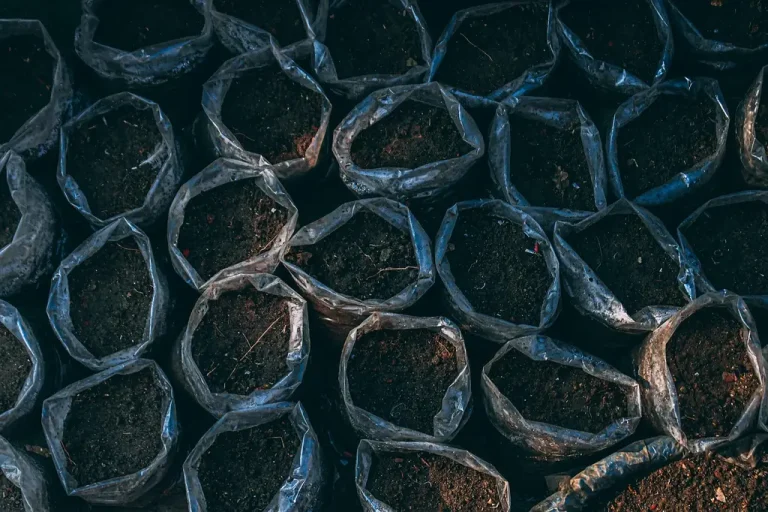
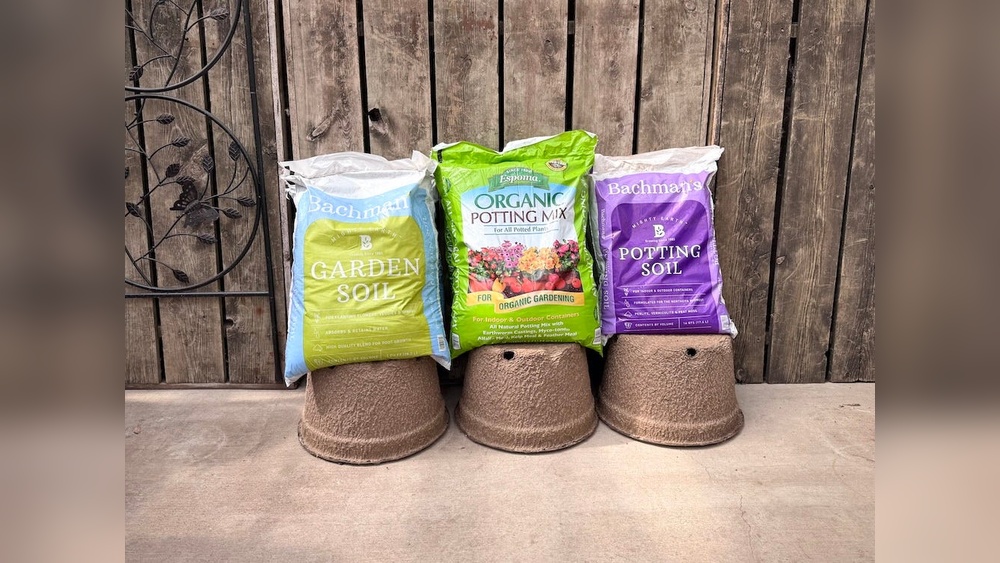
Potting soil (or potting mix) is a soilless blend intended for container gardening . It typically includes:
- Peat moss or coconut coir for moisture retention
- Perlite or vermiculite for aeration
- Compost or slow-release fertilizers for nutrients
- Sometimes added bark or sand for structure
These components are selected for their ability to create a lightweight, porous, and sterile environment—critical factors for plants growing in confined spaces where root oxygenation and drainage are paramount. Peat moss, for example, is prized for its water-holding capacity but can become hydrophobic if allowed to dry completely, making rehydration difficult.
Perlite and vermiculite provide air pockets, preventing roots from suffocating.
Garden soil, by contrast, consists of:
- Native mineral soil (sand, silt, clay)
- Organic matter (compost, manure)
- Beneficial microbes and earthworms
- Natural nutrients and trace elements
Garden soil is shaped by local geology and climate. Its mineral content—sand, silt, and clay—determines texture, drainage, and nutrient-holding capacity. The presence of organic matter and living organisms like earthworms and bacteria supports nutrient cycling and disease suppression. Unlike potting soil, garden soil is not sterile; its biological activity is essential for robust plant health and resilience.
Potting soil is engineered for lightweight, well-draining environments inside pots, where roots are confined and water can escape easily. Garden soil supports deeper root systems, microbial diversity, and long-term nutrient cycling, making it ideal for permanent outdoor beds where plants need to establish and thrive year after year.
Data-driven Comparison
| Feature | Potting Soil | Garden Soil |
|---|---|---|
| Drainage | Excellent (for containers) | Variable (depends on local soil type) |
| Nutrient Retention | Moderate to high (short-term) | High (long-term) |
| Microbial Activity | Low to moderate | High |
| Cost | Expensive per cubic foot | Low (usually free or inexpensive) |
| Best Use | Containers, raised planters | Outdoor beds, landscapes |
Real-world Example: Container Vs. Garden Bed
Consider a gardener in Portland, Oregon, who used potting soil to fill an outdoor raised bed. The bed initially produced lush growth, but after one season, plants began to wilt and yellow. Soil tests revealed compaction, poor drainage, and depleted nutrients.
Switching to amended garden soil restored plant vigor the following year.
This scenario is not uncommon. Many gardeners report similar experiences: potting soil can seem like an easy fix, but its performance in outdoor beds often deteriorates rapidly. The lack of mineral structure and native microbes creates an unstable environment, especially when exposed to outdoor weather extremes, leading to fluctuating moisture levels and nutrient loss.
Credit: urbangreenguide.com
Pros And Cons Of Using Potting Soil Outdoors
While potting soil offers advantages, it also poses significant drawbacks when used outside.
Advantages
- Ease of use: Lightweight, easy to spread, and weed-free. Potting soil comes in convenient bags, ready for immediate use, which is appealing for those who want to avoid the labor of amending heavy clay or rocky soil.
- Consistent texture: No rocks or clumps, ideal for delicate seedlings. Uniformity in structure makes it easy to plant seeds or transplant tender young plants without risking damage from hard soil.
- Sterility: Reduced risk of pathogens and pests. For gardeners concerned about soil-borne diseases or pests, especially when starting seeds, potting soil’s sterile nature provides peace of mind.
These benefits can be especially useful in urban environments or in gardens where the native soil is contaminated or difficult to work with.
Disadvantages
- Poor long-term fertility: Nutrients deplete quickly outdoors. Potting soil is typically fortified with short-term fertilizers, which may be sufficient for a few months but are not sustained by natural nutrient cycling.
- Drainage issues: Can become waterlogged or dry out, depending on climate. Potting soil’s light structure can lead to rapid runoff in heavy rain, or conversely, dry out quickly in heat, making it challenging to maintain consistent moisture for plant roots.
- Cost inefficiency: Large outdoor areas require expensive volumes. The price of filling even a modest garden bed with potting soil can be prohibitive, especially compared to amending native soil.
- Lack of microbial diversity: Fewer beneficial organisms than garden soil. Potting soil is often devoid of the complex web of life that supports plant health in garden soil.
- Compaction risk: Without minerals, potting soil may compress over time. Rain and foot traffic can pack potting soil tightly, cutting off air to roots.
Case Study: Suburban Lawn Conversion
A homeowner in Sacramento replaced lawn with potting soil before planting perennials. Initial growth was strong, but after heavy winter rains, soil compacted and drained poorly. Plants suffered root rot, and costly remediation was needed. Garden soil mixed with compost proved far more resilient.
This case highlights a critical point: potting soil’s intended purpose is not for sustained outdoor exposure. Its lack of mineral content and resilience makes it a poor long-term choice for beds subject to foot traffic, weather extremes, and heavy plantings.
How Potting Soil Performs In Outdoor Beds
To evaluate performance, we must consider:
- Drainage and water management
- Nutrient availability
- Microbial life
- Physical structure
Drainage And Water Management
Potting soil’s ingredients, like peat moss and perlite, are designed for rapid drainage in containers. Outdoors, however, these materials can behave differently:
- Heavy rain may cause waterlogging due to lack of mineral structure. Unlike garden soil, potting soil can’t channel water away efficiently, leading to puddling and root suffocation.
- Dry spells may lead to hydrophobic soil, repelling water. Peat moss, in particular, can become difficult to rehydrate, causing uneven moisture and plant stress.
A study by the University of California found that pure potting mix in outdoor beds led to 40% higher runoff and 25% lower water retention compared to amended garden soil (UC Agriculture & Natural Resources). This means that potting soil, when exposed to natural rainfall and sun, is less able to retain moisture for plant roots, making regular irrigation necessary and increasing the risk of plant stress.
Nutrient Availability
Potting soil relies on short-term fertilizers. Outdoors, nutrients leach quickly, especially during rain. Plants may suffer deficiency unless soil is frequently amended.
Rain and irrigation can wash away soluble nutrients from potting soil much faster than from garden soil, which is buffered by minerals and organic matter. This rapid depletion is particularly problematic for heavy feeders like tomatoes, corn, or flowering perennials.
Without regular fertilization, these plants will show signs of deficiency—yellowing leaves, stunted growth, and poor flowering or fruiting.
Microbial Life
Garden soil is alive, teeming with earthworms, bacteria, and fungi. Potting soil, especially sterile mixes, lacks this diversity, making it less resilient to pests and diseases.
Beneficial microbes play a vital role in breaking down organic matter, releasing nutrients, and protecting plants from pathogens. Without them, potting soil can’t sustain long-term plant health. Over time, the absence of this biological activity can lead to increased disease susceptibility and slower growth.
Physical Structure
Without mineral content, potting soil may compact, reducing root penetration and aeration. Over time, plants can struggle, especially deep-rooted perennials.
Compacted soil restricts root expansion and reduces oxygen availability. In garden beds, especially those with high traffic or heavy rainfall, potting soil can become hard and impenetrable, causing roots to suffocate and plants to decline.
Example: Vegetable Garden Trial
A community garden in Denver tested tomatoes in beds filled with potting soil versus native soil amended with compost. After 12 weeks, tomato yields in potting soil were 35% lower, with increased wilting and pest issues. Native soil beds produced robust, healthy plants.
This experiment underscores the value of native soil, properly amended, over potting soil for outdoor plantings. The native soil not only supported better yields but also provided a more stable environment for plant health.
When Potting Soil May Be Appropriate Outdoors
There are cases where potting soil can be useful in outdoor gardens, but with caveats.
Raised Beds And Containers
Potting soil excels in:
- Outdoor containers: Planters, tubs, window boxes
- Small raised beds: Especially where native soil is poor or contaminated
Mixing potting soil with garden soil or compost can improve performance. Ideal ratios are:
- 50% potting mix + 50% compost/garden soil for raised beds
This blend leverages the lightweight structure and moisture retention of potting soil with the fertility and microbial activity of compost or garden soil. In locations where the native soil is contaminated (lead, heavy metals), or too poor for plants, a mix can allow gardeners to grow safely and successfully.
Transplanting And Seed Starting
Potting soil is excellent for seedlings and transplants. Starting plants in pots and then moving them into garden soil can reduce transplant shock.
Seedlings benefit from the sterile, soft, and moisture-retentive environment of potting soil, which minimizes disease risk and supports rapid root development. Once established, they can be transplanted into garden soil, where roots can expand and access more nutrients.
Specialized Plantings
Certain plants, like succulents or herbs, may benefit from the fast drainage of potting mix in outdoor containers.
Succulents and Mediterranean herbs (e. g. , rosemary, thyme) thrive in well-drained soil that mimics their native habitats. Potting soil, often blended with sand or grit, is ideal for these species in containers or small beds.
Example: Urban Rooftop Garden
An urban gardener in Chicago used potting soil in rooftop planters, blending it with compost and sand. The mix supported vegetables and flowers successfully, with annual re-amendment.
Rooftop gardens present unique challenges—weight, space, and soil quality. Potting soil, when carefully amended, can provide a workable solution, though it requires regular renewal to maintain fertility.
Risks And Limitations Of Potting Soil In Outdoor Gardens
Despite some uses, potting soil poses several risks for outdoor gardens.
Nutrient Depletion
Potting soil’s nutrients are quickly exhausted by outdoor conditions. Without regular fertilization, plants may falter.
Many gardeners mistakenly believe potting soil is “rich” and sufficient for the long haul. However, its nutrient content is designed for temporary container use, not sustained outdoor plantings. Nutrient deficiencies manifest as yellow leaves, poor flowering, and stunted growth.
Water Management Issues
Potting soil may dry out faster or become waterlogged, especially in climates with extreme rainfall or drought.
In hot climates, potting soil’s lack of mineral content leads to rapid evaporation. In wet climates, it can become saturated, as water fails to drain through the lightweight medium, leading to root rot and fungal diseases.
Soil Compaction
Lack of mineral content means potting soil compresses under weight or weather, reducing root access and oxygen.
Compacted soil is a major concern for perennial beds or high-traffic areas. The absence of sand, silt, and clay means potting soil cannot maintain structure under pressure.
Microbial Deficiency
Sterile potting mixes lack beneficial microbes, leading to higher disease and pest vulnerability.
Without active soil life, plants are more susceptible to fungal infections and insect attacks. Healthy garden soil, in contrast, supports a balanced ecosystem that keeps pests and diseases in check.
Cost And Sustainability
Potting soil is expensive and resource-intensive for large outdoor spaces. According to the National Gardening Association, it costs 3-5 times more per cubic foot than bulk garden soil (National Gardening Association).
For most gardeners, the economics simply do not favor potting soil for large beds. Additionally, peat-based mixes are not environmentally sustainable, as peat extraction damages wetlands and releases carbon.
Example: Large Landscape Project
A landscape contractor in Texas used potting soil for a large flower bed. The project required 60 cubic feet, costing $360 versus $60 for amended garden soil. After two seasons, potting soil degraded, and plants struggled. Switching to garden soil improved growth and reduced costs.
Alternatives And Amendments For Outdoor Soil Health
For optimal outdoor gardening, consider alternatives and amendments instead of relying on potting soil.
Compost
Compost improves:
- Soil structure
- Nutrient content
- Microbial diversity
Adding 2-4 inches of compost annually boosts fertility and supports healthy plant growth. Compost also enhances water retention in sandy soils and improves drainage in clay soils.
Mulch
Organic mulch conserves moisture, suppresses weeds, and adds nutrients as it breaks down.
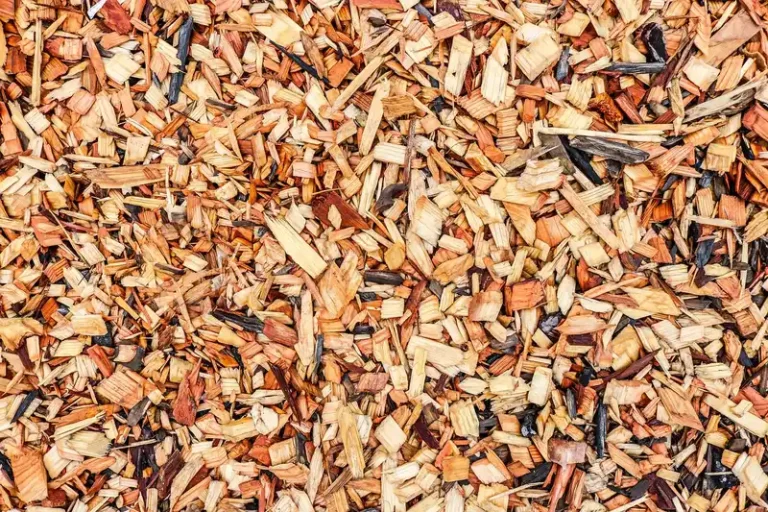
Mulch—such as wood chips, straw, or leaves—acts as a protective layer, reducing soil temperature fluctuations and preventing erosion. Over time, it decomposes and feeds the soil.
Manure And Organic Fertilizers
Aged manure offers nitrogen, phosphorus, and potassium. Organic fertilizers supply slow-release nutrients.
Cattle, horse, or chicken manure (properly composted) can greatly improve garden soil. Organic fertilizers, like bone meal, blood meal, and fish emulsion, provide essential nutrients without harming soil life.
Mineral Amendments
- Sand improves drainage in clay soils.
- Gypsum loosens compacted earth.
- Rock dust adds trace minerals.
These amendments address specific soil problems, allowing gardeners to tailor their soil mix to plant needs.
Topsoil
High-quality topsoil can be purchased and blended with compost for new beds.
Topsoil is often screened and free of debris, providing a neutral base for garden plants. Combined with compost, it becomes a fertile, well-structured medium.
Data Table: Amendment Effectiveness
| Amendment | Improvement | Best For |
|---|---|---|
| Compost | Structure, nutrients, microbes | All garden beds |
| Mulch | Moisture retention, weed suppression | Flower/vegetable beds |
| Manure | Nutrients, microbe boost | Vegetable gardens |
| Sand | Drainage improvement | Clay-heavy soils |
Example: Community Garden Amendment
A Seattle community garden improved poor native soil by adding 3 inches of compost and 2 inches of mulch annually. Over five years, yields increased by 40%, soil tests showed higher organic matter, and pest problems decreased.
This example demonstrates the power of organic amendments to transform even the poorest soils into productive, healthy beds. Compost and mulch not only feed plants but build long-term soil health.
Scientific Evidence And Expert Opinions
Numerous studies and expert recommendations reinforce the limitations of potting soil outdoors.
Research Findings
- A 2026 study in the Journal of Soil Science found that potting soil in outdoor beds resulted in 30% lower microbial activity and 20% higher compaction rates than garden soil (ScienceDirect).
- The Royal Horticultural Society advises against using potting soil in outdoor beds due to rapid nutrient depletion and drainage issues (RHS).
These findings are echoed by agricultural extension services and professional landscapers, who overwhelmingly recommend amending native soils rather than replacing them with potting mixes.
Garden Extension Advice
Most university extension programs recommend:
- Using garden soil for outdoor beds.
- Amending with compost or organic matter.
- Reserving potting soil for containers only.
Extension programs offer science-based advice tailored to local conditions. They consistently stress the importance of soil testing, organic amendments, and avoiding the temptation to use potting mixes outside their intended context.
Case Study: University Extension Trial
Michigan State University’s extension tested potting soil in outdoor beds versus amended garden soil. Over two seasons, potting soil beds required twice the fertilizer and produced 25% fewer flowers. Amended garden beds maintained fertility and bloom rates with less intervention (MSU Extension).
Real-world Examples And Case Studies
Concrete examples illustrate the impact of soil choice on garden outcomes.
Example 1: Vegetable Yield Comparison
A family in Atlanta filled one raised bed with potting soil and another with garden soil plus compost. After one season:
- Potting soil bed: Lettuce and tomatoes wilted, soil dried out quickly.
- Garden soil bed: Vigorous growth, higher yields.
This example highlights how garden soil, when properly amended, provides a stable, fertile environment for vegetables, while potting soil struggles in outdoor conditions.
Example 2: Perennial Flower Border
A Massachusetts gardener planted perennials in potting soil-amended beds. Plants grew well initially but declined after two years. Soil compaction and nutrient loss were cited as causes. Switching to compost-amended garden soil restored health.
The initial success was quickly offset by long-term decline, illustrating potting soil’s inability to sustain perennial plantings over multiple years.
Example 3: Urban Container Gardens
Urban gardeners using potting soil in outdoor planters reported strong annual growth, but noted the need to refresh soil annually and supplement nutrients.
While potting soil works well in containers, it requires regular renewal and fertilization to maintain plant health.
Comparison Table: Real-world Results
| Scenario | Potting Soil Outcome | Garden Soil Outcome |
|---|---|---|
| Vegetable Bed | Wilted, low yield | Healthy, high yield |
| Perennial Border | Initial growth, later decline | Consistent vigor |
| Outdoor Planter | Strong annuals, needs re-amendment | N/A (planters use potting soil) |
Best Practices For Soil Selection In Outdoor Gardens
When planning an outdoor garden, follow these guidelines for soil selection:
1. Test Your Native Soil
Conduct a soil test for pH, nutrient levels, and texture. Most state extension services offer testing (eXtension). Knowing your starting point allows you to make informed decisions about amendments and plant selection.
2. Amend, Don’t Replace
Improve native soil with compost, organic matter, and minerals. Avoid replacing it with potting soil except in containers.
Amending soil builds long-term fertility and structure, supporting deeper roots and healthier plants.
3. Reserve Potting Soil For Containers
Use potting soil in pots, window boxes, and small raised beds only.
Its lightweight, sterile nature is perfect for confined spaces, but not for large-scale outdoor plantings.
4. Blend For Specialty Beds
For specialized beds (herbs, succulents), blend potting mix with garden soil and sand.
This approach creates the well-drained environment these plants need while providing stability and nutrients.
5. Monitor And Adjust
Check plant performance, soil moisture, and fertility regularly. Amend as needed.
Healthy gardens require ongoing attention: soil tests, observation, and periodic amendment.
Checklist For Outdoor Soil Success
- Conduct soil test
- Amend with compost
- Use mulch for moisture and weed control
- Fertilize organically as needed
- Reserve potting soil for containers
By following these steps, gardeners can maintain soil health, support robust plant growth, and avoid the pitfalls of inappropriate soil use.
Frequently Asked Questions
Is It Ever Safe To Use Potting Soil In Outdoor Gardens?
Potting soil can be used in outdoor containers, small raised beds, or as part of a blend with garden soil and compost. However, it should not replace garden soil in large beds or landscapes due to drainage, nutrient, and microbial limitations.
What Happens If I Use Only Potting Soil In My Outdoor Garden?
Plants may grow well initially, but over time, potting soil can compact, drain poorly, and lose nutrients. This leads to reduced growth, increased disease risk, and higher maintenance needs.
How Can I Improve My Outdoor Garden Soil Without Potting Soil?
Use amendments like compost, aged manure, organic fertilizers, mulch, and mineral additives. These improve soil structure, fertility, and microbial activity, supporting healthy plant growth.
Are There Situations Where Potting Soil Is Preferred Outdoors?
Potting soil is ideal for outdoor planters, window boxes, and specialty beds (e. g. , succulents, herbs). It’s also useful for starting seeds and transplants before moving them into garden soil.
How Do I Know If My Outdoor Soil Is Healthy?
Healthy outdoor soil is crumbly, dark, and smells earthy. It drains well but retains moisture, supports abundant plant growth, and is rich in earthworms and microbes. Regular soil testing helps ensure optimal conditions.
Making informed soil choices is foundational to garden success. While potting soil offers convenience and consistency, it’s rarely the best option for outdoor garden beds or landscapes. Native garden soil, properly amended, delivers superior drainage, fertility, and microbial health—key ingredients for thriving plants.
Use potting soil for containers, but rely on compost, organic matter, and minerals for outdoor beds. With these best practices, your garden will flourish for seasons to come.