Best Mulch Types for Landscape Beds: we compared
Choose shredded bark for mixed beds, pine straw for acid-loving plants, composted wood for soil building, and stone only for dry, low-maintenance borders. Pick the wrong material and you trade weed control and moisture retention for rot, blowoff, and extra labor. This guide compares the best mulch types for yard beds by plant needs, sun, upkeep, and long-term bed goals.
This guide is part of our Soil and landscape basics for gardeners series.
Quick comparison
| Product | Badge | Best for | Price | ||
|---|---|---|---|---|---|
 | Ameriscape Inc 7777 Cypress Mulch 2 Cu.Ft.Ameriscape | Budget pick | 2 cu. ft. cypress mulch bag | $21.70 Price as of 30 Sep 2026 | View |
 | GroundSmart Out Door Garden Fencing Rubber Mulch 0.8 CubicGroundSmart Rubber Mulch | Also great | 0.8 cu. ft. recycled rubber mulch | $22.12 Price as of 30 Sep 2026 | View |
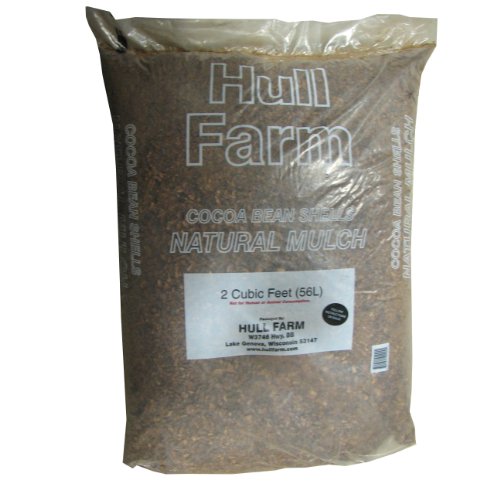 | Hull Farm 50150 Cocoa Bean Shell Mulch, 2 Cubic FeetHull Farm | Upgrade pick | 2 cu. ft. cocoa bean shell mulch | $39.49 Price as of 30 Sep 2026 | View |
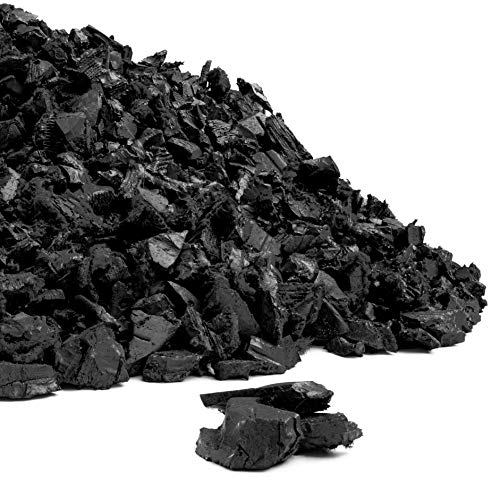 | Playsafer Rubber Mulch Nuggets Protective Flooring forPlaysafer | Pair with it | $44.99 Price as of 30 Sep 2026 | View | |
 | Black Wood Shredded Bagged Mulch 2 cu. ft. Half Pallet (35Generic | Pair with it | 35-bag half pallet, 2 cu. ft. each | $399.99 Price as of 30 Sep 2026 | View |
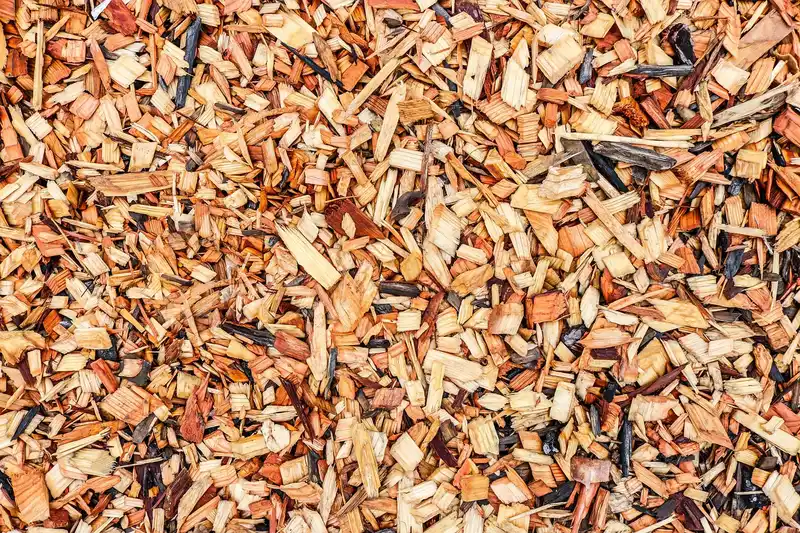
Hardwood mulch is the default pick for most beds because it balances cost, coverage, and easy top-offs. I reach for something else when the bed runs hot, sits narrow, holds shrubs, or has to stay tidy with little attention.
According to Shop Mulch and Landscaping Supplies – Walmart.com — One Walmart mulch listing is priced at $398.00 for a bulk pallet. (source)
How we chose
The comparison below considers a few practical factors: cost, longevity, weed suppression, soil benefit, and heat risk. It also reflects how each material behaves in front-yard beds, foundation beds, shrub beds, perennial beds, and low-maintenance areas.
| Mulch type | Cost | Longevity | Weed suppression | Soil benefit | Heat risk |
|---|---|---|---|---|---|
| Wood mulch | 5 | 3 | 4 | 4 | 2 |
| Hardwood mulch | 5 | 3 | 4 | 4 | 2 |
| Cedar mulch | 3 | 4 | 4 | 3 | 2 |
| Pine bark mulch | 4 | 4 | 3 | 4 | 2 |
| Cypress mulch | 3 | 4 | 4 | 3 | 2 |
| Rubber mulch | 2 | 5 | 4 | 1 | 4 |
| Stone or rock mulch | 3 | 5 | 3 | 1 | 5 |
Scores are a practical guide, not a lab test. A mulch that looks great in a shaded front bed can be a bad fit in full sun near thirsty roots. Keep the bed’s purpose ahead of the product name.
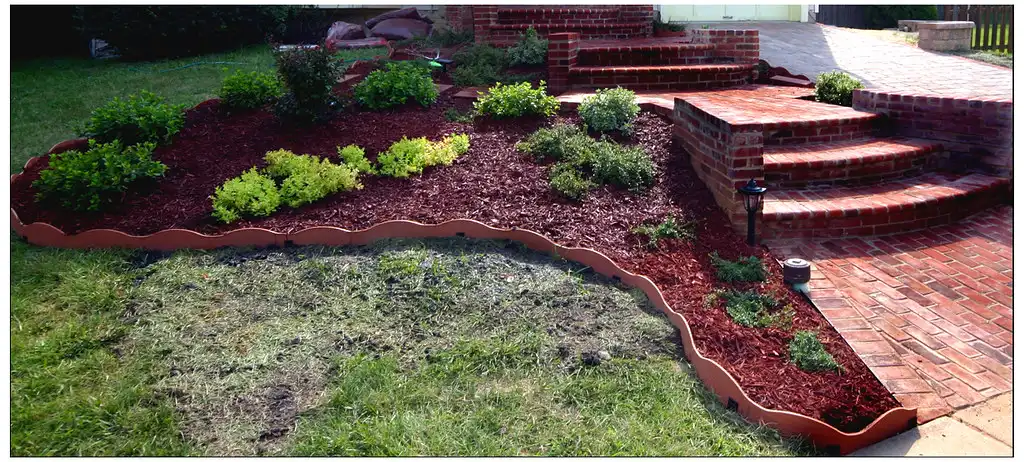
Hardwood mulch: best budget pick for most beds

- Deep black color boosts curb appeal
- Aids moisture retention and suppresses weeds
- Bulk pallet covers large areas efficiently
Hardwood mulch is the safest all-around choice for mixed beds, foundation beds, and front-yard plantings when cost matters. It is widely used, gives good coverage, and is easy to top off without locking the bed into a high-maintenance routine.
Colored brown or black hardwood can sharpen curb appeal, especially along walkways and house fronts. On the shelf, the deep color is the main draw. The tradeoff is the usual one for wood products: it breaks down over time and needs refreshing.
That breakdown is also the point. Organic wood mulch improves the upper soil layer as it decomposes, which helps beds that need moisture retention and some soil building. It is less attractive if you want a surface that stays unchanged for years.
The drawback is simple. Hardwood can thin out faster than chunkier bark in hot, wet, or windy sites, and a bed that gets little maintenance can start to look patchy. When that happens, topping off is easy; you just need to do it before weeds take advantage.
Cedar mulch: best for a cleaner look with slower breakdown
- Cypress naturally resists decay and insects
- Fine texture blends well in beds
- Lightweight and easy to handle
Cedar fits shrub borders and tidy foundation beds where a cleaner texture and slower breakdown matter more than the lowest price. Its aroma and slower decay make it a common pick when a bed needs a neater finish between refreshes.
The insect-repelling reputation gets too much credit in a lot of garden chatter. It may be pleasant around the house, but it should never be treated as pest control. Good bed hygiene and plant health still matter more than the mulch label.
Cedar makes sense when you want a lighter, finer look that stays in place well. The drawback is price, and that price only pays off if the bed benefits from longer intervals between top-offs. In a low-visibility utility bed, hardwood usually makes more sense.
Pine bark mulch: best for shrubs and better airflow
Pine bark is a strong fit around woody plants because its chunkier texture leaves more air around the root zone. That matters in shrub beds where compacted, fine mulch can hold too much moisture against stems.
Compared with shredded wood, pine bark usually lasts a bit longer and moves less in heavy rain. It is a good choice when the bed needs a natural look and the plants prefer airflow more than a tight, carpet-like surface.
The drawback is coverage. Coarse bark does not blanket small gaps as completely, so it can leave more open soil showing in fine-textured perennial beds. That makes it a weaker fit where weed suppression and a smooth finish matter more than texture.
Cypress mulch: best for longer-lasting organic coverage
Cypress is worth considering when you want organic mulch that tends to last longer than some shredded woods and still looks tidy in beds and borders. It works well in places where maintenance is limited but you still want a living, soil-friendly surface.
The big caution is availability. Cypress is regional, and supply can vary enough that price and consistency change from one market to another. If local stock is thin, the bed plan should not depend on it.
It also sits in the middle on soil-building speed. It is better than rock for the soil, but it is not the fastest decomposer. That makes it a balanced choice, not a magic one.
Rubber mulch: best for low-maintenance areas
- Made from 100% recycled rubber
- Coverage doubles that of wood mulch
- Long-lasting without decomposing
Rubber mulch is for beds where long life matters more than soil building. It is most sensible in low-maintenance strips near hardscapes, play-adjacent areas, and places where frequent replenishment is a problem.
On Walmart, GroundSmart rubber mulch is marketed as a 12+ year product, and that long service life is the main reason people buy it. It also shows a large 37.5 cu ft listing and pricing starting at $479.00, which tells you the upfront spend is higher even before installation.
The drawback is the one that matters most to gardeners: it does not improve soil the way organic mulch does. It can also be a poor fit in hot, sunny beds because it does not cool the root zone the way wood-based mulch can.
Stone or rock mulch: best for dry, low-maintenance borders
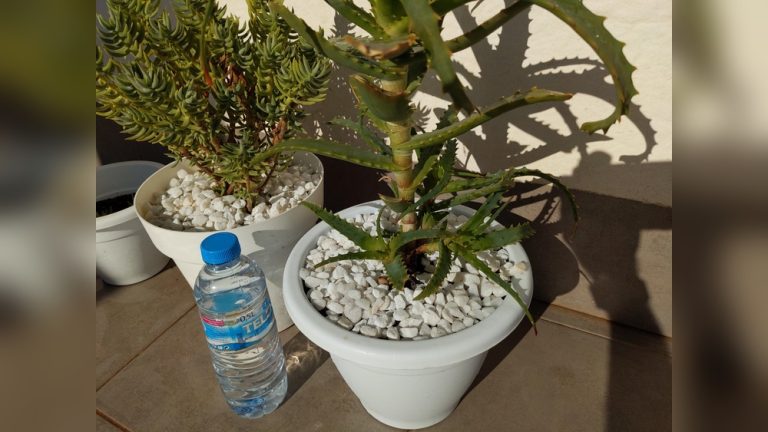
Rock mulch works when the bed is meant to stay dry, clean, and nearly static. It does not decompose, and that makes it useful in certain foundation strips, desert-style beds, and areas where annual refreshes are not wanted.
Its weakness is heat. Rock can warm up quickly in full sun, which is hard on roots in sensitive beds and can push irrigation needs upward. Weed suppression also depends a lot on underlayment, so rock alone is not a full solution.
Rock is a bad match when the bed needs soil improvement or when irrigation lines, drip emitters, or regular replanting are part of the plan. Once it is in place, changing the bed is more work than simply topping off organic mulch.
Which one should you buy
Choose by bed function first. If the bed needs soil help, moisture retention, and easy upkeep, organic mulch wins. If the bed is mostly decorative or very dry and you want the fewest top-offs possible, a mineral or rubber surface may fit better.
Best choice for foundation beds
Hardwood mulch is the safest default for foundation beds because it looks finished, is budget-friendly, and is simple to refresh along house edges. Cedar is the better upgrade when you want slower breakdown and a cleaner border, but the higher price only makes sense if the bed is visible and maintained regularly.
Best choice for shrub beds
Pine bark is often the best fit for shrub beds because the chunkier texture leaves more airflow around woody stems. Cypress is another good fit where availability is decent and you want longer-lasting organic coverage. Avoid packing any mulch tight against trunks.
Best choice for perennial beds
Hardwood mulch usually wins for perennial beds because it suppresses weeds, holds moisture, and is easy to top off around shifting plant spacing. If the bed gets hot afternoon sun, keep the layer moderate and watch for crusting or bare spots after heavy rain.
Best choice for low-maintenance or rock-style beds
Rubber mulch fits when low maintenance matters more than soil building, especially near hardscapes or where cleanup has to stay simple. Rock works only when the bed can tolerate extra heat and the irrigation plan does not depend on a cool root zone.
Best choice if your budget is tight
Hardwood mulch is usually the most practical answer. It covers well, is widely available, and is easy to replace in partial top-offs instead of full bed resets. That keeps the cost down without forcing you into a long-term compromise.
How mulch depth and installation affect results
Typical mulch depth is often around 2 to 4 inches. That range covers soil well without smothering roots or creating a soggy collar around stems and trunks. Too much depth can cause root issues, especially in small beds and around young plants.
A mulch volcano is one of the most common failure cases. Piling mulch against stems or tree trunks traps moisture, invites fungal problems, and can hide rot. Keep the mulch pulled back a few inches from woody stems and let the flare at the base stay visible.
Weed barrier fabric helps when it is installed correctly under a bed that will stay mostly stable. It can suppress weeds, but it also complicates replenishment and can interfere with soil health. If the bed is expected to change often, fabric is more trouble than it is worth.
- Clear weeds and old debris before spreading new mulch.
- Lay down fabric only if the bed is meant to stay fixed for years.
- Spread mulch to 2-4 inches, not deeper.
- Pull mulch back from stems, trunks, and crown points.
- Check for crusting, thinning, and exposed soil after weather shifts.
How often should I replace mulch in landscape beds
In many cases, organic mulches need topping off rather than full replacement. A bed usually needs attention when the layer thins, weeds begin breaking through, or the surface starts looking stringy and broken down. That cadence depends on sun, rainfall, and foot traffic.
Rubber and rock last far longer, but that does not make them a better answer for every bed. Their service life is longer because they do not decompose, not because they improve the soil or make plant care simpler. Organic mulch asks for more frequent top-offs and gives something back to the bed.
What is the best kind of mulch to use in flower beds

Hardwood mulch is the best kind of mulch for most flower beds because it balances price, coverage, moisture retention, and easy top-offs. It is also forgiving for mixed planting plans where annuals, perennials, and small shrubs share the same space.
If the flower bed is on a slope or in strong sun, pine bark or cedar can be better because they hold structure a little longer. For dry, decorative beds with almost no soil-building need, rock is an option, but it brings more heat risk.
Which mulch is better for flower beds
For most flower beds, organic mulch is better than inorganic mulch because flowers usually benefit from cooler soil, steadier moisture, and some soil improvement over time. Hardwood or shredded bark is the usual starting point, with pine bark better where airflow around stems matters more.
Rubber and rock can work in special cases, but they are weaker choices for beds that get replanted often or need easy amendment. If the bed will be changed seasonally, organic mulch is easier to work with.
What is better for flower beds mulch or rocks
Mulch is better for most flower beds because it cushions soil temperature, retains moisture, and supports soil health as it breaks down. Rock is better only when the bed is meant to be dry, very low maintenance, and stable for a long time.
Rock can create heat stress in full sun and makes irrigation and replanting harder. Mulch is less permanent, but it fits the needs of most living beds better.
Is mulch or rock better for landscaping
Mulch is better for most planting jobs that include living plants. It is easier to refresh, kinder to roots, and better for soil over time. Rock is better when the bed is mostly decorative, the climate is dry, or the owner wants the least amount of routine top-off work.
For front-yard beds and foundation plantings, mulch usually gives the cleaner balance of cost and plant health. For dry strips and high-visibility hardscape edges, rock can fit if the irrigation plan and sun exposure support it.
Which mulch is best for shrubs and perennials
Pine bark is often best for shrubs because it allows airflow and breaks down more slowly than shredded wood. For perennials, hardwood mulch is usually the better all-around option because it settles well, suppresses weeds, and is easy to refresh around changing plant spacing.
If a bed includes both, hardwood is often the compromise choice. It is easier to manage, even if it does not have the texture advantages of bark around woody plants.
Should I use organic or rubber mulch in my beds
Use organic mulch when the bed needs moisture retention, weed suppression, and soil improvement. Use rubber mulch only when long life and low upkeep matter more than soil building, and when the bed can tolerate higher heat and a less natural root environment.
For most home beds, organic wins. Rubber is a specialized answer, not a general replacement.
Frequently asked questions
how deep should mulch be in a landscape bed
Most beds do best with 2-4 inches of mulch. That depth is enough to suppress weeds and slow evaporation without smothering roots or trapping too much moisture near stems. If the layer is much deeper, the bed can stay overly wet or start to block oxygen from the root zone.
how often should I replace mulch in landscape beds
Top off organic mulch when the layer thins, weeds appear more easily, or the surface starts to look broken down and stringy. In many beds that means a seasonal refresh or a partial top-off rather than a full reset. Rock and rubber last much longer, but they are not soil-building materials.
which mulch is best for shrubs and perennials
Pine bark is a strong match for shrubs because the texture promotes airflow around woody plants. Hardwood mulch is often better for perennials because it covers well, is easy to top off, and gives a more even surface as plant spacing changes through the season.
should I use organic or rubber mulch in my beds
Use organic mulch unless the bed is built for very low upkeep and does not need soil improvement. Rubber mulch lasts longer, but it does not feed the soil and can be a poor choice in hot, sunny beds. Organic mulch is the better fit for most home planting beds.
what is better for flower beds mulch or rocks
Mulch is better for most flower beds because it keeps soil cooler, holds moisture, and breaks down into organic matter. Rocks only make more sense in dry, decorative, or very low-maintenance beds. In sunny sites, rock can raise soil temperature and make watering needs harder to manage.
longest lasting mulch type
Rubber mulch and rock last the longest because they do not decompose. Among organic choices, cedar, cypress, and pine bark usually outlast basic shredded wood or hardwood mulch. Longevity still needs to be balanced against soil benefit, heat risk, and how often the bed gets replanted.