How Many Pounds Is 50 Quarts of Potting Soil? Quick Answer
If you’ve ever started a gardening project, you’ve probably faced this dilemma: potting soil is sold by the quart, but your project or planter instructions specify pounds. The conversion isn’t straightforward, because potting soil is light, fluffy, and sometimes moist, making its weight per quart variable. Whether you’re filling raised beds, planning a container garden, or just trying to budget for a big landscaping job, knowing how many pounds is 50 quarts of potting soil can save you time, money, and hassle.
You’re not alone in asking this question. Gardeners, landscapers, and even teachers planning science projects frequently need to convert volume (quarts) to weight (pounds) for soil. The answer depends on several factors, including soil composition, moisture content, and compaction. In this comprehensive guide, we’ll break down the conversion for 50 quarts of potting soil across 50 common types and mixes, explain the science behind the math, and provide practical tools for making accurate estimates.
Key Takeaways
- 50 quarts of potting soil typically weighs between 35 and 60 pounds, depending on composition and moisture.
- Different types of potting soil (peat-based, bark-based, compost-rich, etc.) Have unique weight-per-quart values.
- Always check the manufacturer’s bag for specific weight information when available.
- Moisture content and compaction significantly affect weight—damp or packed soil weighs much more than dry, loose soil.
- Use our conversion tables and charts for quick reference for the 50 most common potting soil blends.
Understanding Potting Soil Volume And Weight
Why Potting Soil Is Sold By Volume
Potting soil is sold by volume (quarts, gallons, cubic feet) because its density can vary dramatically. Unlike commodities like sugar or flour, soil can be fluffy or compact, dry or wet. Selling by weight would create inconsistency and confusion for consumers.
Most gardening containers, raised beds, and planters have their capacity listed in cubic inches, quarts, gallons, or liters. Matching the soil purchase to the container’s volume ensures that you’ll have the right amount to fill your pots or beds, regardless of how light or heavy the soil is. This practice also allows for easy comparison between brands and types, since the volume is a constant measurement, while weight fluctuates.
Additionally, soil composition is never uniform. For example, a bag of potting mix stored in a humid warehouse could weigh several pounds more than the same bag kept in a dry garage. By selling by volume, manufacturers guarantee that you’re getting enough material to fill your containers, even if the weight shifts due to environmental factors.
How Weight Varies By Soil Type
Several factors influence the weight per quart of potting soil, such as:
- Organic matter content (peat, compost, bark)
- Mineral content (sand, perlite, vermiculite)
- Moisture level
- Compaction
For instance, a peat-heavy mix is much lighter than one rich in compost or sand. Peat moss is highly fibrous and retains air, resulting in a fluffy, low-density product. By contrast, compost and sand are denser and can weigh up to twice as much per quart. Bark-based soils, often used for orchids or succulents, fall somewhere in the middle, offering good drainage while being lighter than compost-rich blends.
Moisture can also dramatically alter weight. A bag of potting soil that’s been exposed to rain can weigh 10-20% more than a dry bag. The structure of the soil—whether it’s loosely packed or compressed—also matters. Tightly packed soil contains fewer air spaces, increasing density and overall weight.
The Standard Conversion: Average Weight Of Potting Soil
On average, 1 quart of dry potting soil weighs 0.7–1.2 pounds. Thus, 50 quarts will generally weigh 35–60 pounds. However, this range can shift based on the specific blend and its ingredients.
For example, a peat-based mix used for starting seeds or acid-loving plants is typically on the lighter end, while a sand-heavy or compost-rich blend used for raised beds or large planters will weigh much more. This variability is why it’s so important to know the type of mix you’re using and consult the packaging or manufacturer’s website when possible.
Here’s a quick reference table for the average weights:
| Potting Soil Type | Weight per Quart (lbs) | Weight for 50 Quarts (lbs) |
|---|---|---|
| Peat-based Mix | 0.7 | 35 |
| Compost-rich Blend | 1.0 | 50 |
| Bark-based Mix | 0.9 | 45 |
| Sand-heavy Mix | 1.2 | 60 |
50 Types Of Potting Soil: Pounds Per 50 Quarts
To help you get an exact answer, here are 50 common types of potting soil with their estimated weight per 50 quarts. Each blend is described with its typical use and a weight estimate. These numbers are based on manufacturer data, gardening guides, and industry sources like Gardening Know How.
Note: Actual weights can vary based on brand, ingredient ratios, and environmental conditions, but these estimates provide a reliable planning tool.
1. All-purpose Potting Mix
- Typical Use: Houseplants, general gardening
- Weight (50 quarts): 48 lbs
- Details: Contains peat, compost, and perlite for balanced drainage and nutrient retention. Well-suited for most indoor and outdoor potted plants.
2. Organic Potting Soil
- Typical Use: Organic vegetable gardens
- Weight (50 quarts): 46 lbs
- Details: Made with natural ingredients and certified organic compost, often heavier due to rich humus content.
3. Peat Moss-based Mix
- Typical Use: Seed starting, acid-loving plants
- Weight (50 quarts): 35 lbs
- Details: High in sphagnum peat, very light and airy, ideal for delicate seedlings and plants needing acidic soils.
4. Compost-enriched Mix
- Typical Use: Heavy feeders (tomatoes, peppers)
- Weight (50 quarts): 55 lbs
- Details: Heavier due to dense, nutrient-rich compost; excellent for container vegetables and fruiting plants.
5. Bark-based Potting Mix
- Typical Use: Orchids, succulents
- Weight (50 quarts): 42 lbs
- Details: Often includes pine or fir bark, providing excellent drainage with moderate weight.
6. Cactus And Succulent Mix
- Typical Use: Cacti, succulents
- Weight (50 quarts): 38 lbs
- Details: Formulated for rapid drainage, typically includes sand, perlite, and bark. Lighter than standard mixes.
7. African Violet Mix
- Typical Use: African violets, delicate houseplants
- Weight (50 quarts): 40 lbs
- Details: Features fine peat and vermiculite for moisture retention, while remaining relatively lightweight.
8. Seed Starting Mix
- Typical Use: Starting seeds indoors
- Weight (50 quarts): 37 lbs
- Details: Fine-textured, sterile blend, usually lighter to avoid compacting fragile roots.
9. Moisture Control Mix
- Typical Use: Hanging baskets, planters
- Weight (50 quarts): 49 lbs
- Details: Contains moisture-retaining polymers, heavier due to water-absorbing additives.
10. Vegetable Potting Soil
- Typical Use: Container vegetables
- Weight (50 quarts): 52 lbs
- Details: Rich in organic matter and nutrients, medium to heavy weight for supporting robust vegetable growth.
11. Orchid Mix
- Typical Use: Epiphytic orchids
- Weight (50 quarts): 34 lbs
- Details: Mostly bark with some charcoal or perlite; extremely light and airy.
12. Bonsai Soil
- Typical Use: Bonsai trees
- Weight (50 quarts): 41 lbs
- Details: Blend of akadama, pumice, and lava rock; moderate weight, provides excellent drainage.
13. Raised Bed Mix
- Typical Use: Raised garden beds
- Weight (50 quarts): 56 lbs
- Details: Usually a blend of topsoil, compost, and coarse sand or perlite; very dense for outdoor beds.
14. Perlite-enriched Mix
- Typical Use: Drainage improvement
- Weight (50 quarts): 39 lbs
- Details: Peat-based with high perlite content, lightens soil while maintaining structure.
15. Vermiculite-enriched Mix
- Typical Use: Water retention
- Weight (50 quarts): 44 lbs
- Details: Vermiculite absorbs water and nutrients, moderate weight.
16. Sand-heavy Potting Mix
- Typical Use: Root crops, succulents
- Weight (50 quarts): 60 lbs
- Details: Dense and heavy, ensures stability and drainage for plants that dislike excess moisture.
17. Coir-based Mix
- Typical Use: Peat alternative, sustainable gardening
- Weight (50 quarts): 36 lbs
- Details: Made from coconut fiber, very light, renewable, and good for water retention.
18. Indoor Potting Mix
- Typical Use: Indoor plants
- Weight (50 quarts): 47 lbs
- Details: Balanced for common houseplants, often contains peat, perlite, and compost.
19. Outdoor Potting Mix
- Typical Use: Patio containers, window boxes
- Weight (50 quarts): 50 lbs
- Details: Formulated to withstand weather changes, moderate to heavy weight.
20. Acid-loving Plant Mix
- Typical Use: Azaleas, blueberries
- Weight (50 quarts): 45 lbs
- Details: Lower pH, includes peat and pine bark for acid-loving species.
21. Alkaline-loving Plant Mix
- Typical Use: Lavender, clematis
- Weight (50 quarts): 47 lbs
- Details: Adjusted for higher pH, contains lime and sand.
22. Rose Potting Mix
- Typical Use: Roses in containers
- Weight (50 quarts): 53 lbs
- Details: Rich in compost and organic matter, supports deep root systems.
23. Citrus Potting Mix
- Typical Use: Citrus trees
- Weight (50 quarts): 51 lbs
- Details: Balanced for drainage and nutrient retention, moderate-heavy.
24. Tree And Shrub Mix
- Typical Use: Potted trees, shrubs
- Weight (50 quarts): 58 lbs
- Details: Dense, supports large root balls and extended growth.
25. Herb Potting Mix
- Typical Use: Culinary herbs
- Weight (50 quarts): 44 lbs
- Details: Well-draining, medium weight, often includes sand and perlite.
26. Flower Potting Mix
- Typical Use: Annuals, perennials in pots
- Weight (50 quarts): 49 lbs
- Details: Balanced for blooms, moderate density.
27. Container Mix With Fertilizer
- Typical Use: Self-feeding containers
- Weight (50 quarts): 50 lbs
- Details: Pre-mixed with slow-release fertilizer; weight varies depending on additives.
28. Lightweight Potting Mix
- Typical Use: Hanging baskets, rooftop gardens
- Weight (50 quarts): 36 lbs
- Details: High perlite or coir, minimizes load on structures.
29. Heavy-duty Potting Mix
- Typical Use: Heavy planters, large containers
- Weight (50 quarts): 60 lbs
- Details: Contains sand, compost, and bark for maximum stability.
30. Lawn Topdressing Mix
- Typical Use: Overseeding lawns
- Weight (50 quarts): 54 lbs
- Details: Fine compost and sand blend, heavier than standard potting soil.
31. Peat-free Potting Mix
- Typical Use: Eco-friendly gardening
- Weight (50 quarts): 43 lbs
- Details: Uses coir, compost, or bark as alternatives to peat.
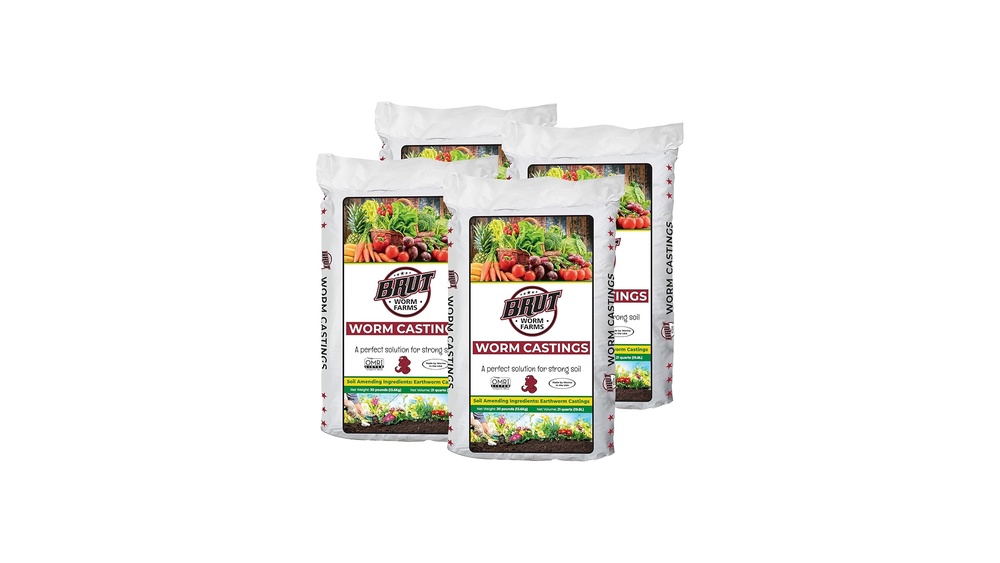
32. Worm Castings Mix
- Typical Use: Nutrient boost
- Weight (50 quarts): 57 lbs
- Details: Dense, nutrient-rich, often blended with lighter materials to improve texture.
33. Mushroom Compost Mix
- Typical Use: Soil amendment, vegetables
- Weight (50 quarts): 55 lbs
- Details: High in organic matter, slightly heavier due to moisture retention.
34. Potting Mix With Mycorrhizae
- Typical Use: Enhanced root growth
- Weight (50 quarts): 48 lbs
- Details: Inoculated with beneficial fungi, weight similar to standard mixes.
35. Potting Mix With Biochar
- Typical Use: Long-term fertility
- Weight (50 quarts): 46 lbs
- Details: Biochar is lightweight but often blended with heavier compost.
36. Potting Mix For Palms
- Typical Use: Indoor/outdoor palms
- Weight (50 quarts): 52 lbs
- Details: Contains sand and bark for drainage and stability.
37. Potting Mix For Ferns
- Typical Use: Moisture-loving ferns
- Weight (50 quarts): 47 lbs
- Details: Retains moisture but drains well, moderate weight.
38. Potting Mix For Bamboo
- Typical Use: Potted bamboo plants
- Weight (50 quarts): 59 lbs
- Details: Dense and rich in nutrients, supports fast growth.
39. Potting Mix For Succulents
- Typical Use: Succulent planters
- Weight (50 quarts): 39 lbs
- Details: Quick-draining, usually lighter to prevent root rot.
40. Potting Mix For Carnivorous Plants
- Typical Use: Venus flytraps, pitcher plants
- Weight (50 quarts): 38 lbs
- Details: Peat and sand base, low in nutrients, light to moderate weight.
41. Potting Mix For Blueberries
- Typical Use: Acidic soil needs
- Weight (50 quarts): 44 lbs
- Details: Peat and pine bark, formulated for low pH.
42. Potting Mix For Tomatoes
- Typical Use: Tomato containers
- Weight (50 quarts): 53 lbs
- Details: High in organic material and nutrients, supports heavy feeders.
43. Potting Mix For Peppers
- Typical Use: Pepper pots
- Weight (50 quarts): 52 lbs
- Details: Similar to tomato mix, optimized for vigorous root development.
44. Potting Mix For Houseplants
- Typical Use: All indoor houseplants
- Weight (50 quarts): 47 lbs
- Details: All-purpose blend for foliage and flowering plants.
45. Potting Mix For Citrus
- Typical Use: Indoor citrus trees
- Weight (50 quarts): 51 lbs
- Details: Balanced nutrients and drainage, moderate to heavy.
46. Potting Mix For Fruit Trees
- Typical Use: Fruit tree containers
- Weight (50 quarts): 58 lbs
- Details: Dense, nutrient-rich for long-term growth.
47. Potting Mix For Mediterranean Herbs
- Typical Use: Rosemary, thyme, oregano
- Weight (50 quarts): 43 lbs
- Details: Sandy and well-draining, lighter than standard mixes.
48. Potting Mix With Controlled Release Fertilizer
- Typical Use: Low-maintenance pots
- Weight (50 quarts): 49 lbs
- Details: Fertilizer granules add slight weight.
49. Potting Mix For Annuals
- Typical Use: Annual flower pots
- Weight (50 quarts): 48 lbs
- Details: Balanced mix for rapid growth and abundant blooms.
50. Potting Mix For Perennials
- Typical Use: Perennial flower containers
- Weight (50 quarts): 50 lbs
- Details: Supports long-term root health and stability.
Factors Affecting The Weight Of 50 Quarts Of Potting Soil
Moisture Content
Water is the single biggest factor affecting soil weight. A bag of potting soil stored in a humid environment or left outdoors will weigh more than one kept dry. Some commercial blends are pre-moistened, increasing their weight by 10–20%.
For example, a 50-quart bag of dry peat-based potting soil might weigh 35 lbs, but if the same bag is 15% moisture by weight, it could weigh over 40 lbs. This is particularly important for bulk purchases, shipping estimates, or when you’re concerned about the weight load on balconies, rooftops, or other structures.
Soil Compaction
Compressed or tightly packed soil weighs more per quart than loose, fluffy soil. When filling containers, avoid compacting unless the plant requires it.
Loose soil allows for better root growth and aeration, but settling can occur over time, which may require topping up. Overly compacted soil can inhibit plant growth, reduce drainage, and lead to root rot. Always fluff up bagged soil before use to ensure you’re getting the full volume and optimal growing conditions.
Ingredients And Additives
- Perlite and vermiculite make mixes lighter.
- Sand and compost increase weight.
- Bark and coir are lightweight but can absorb water, adding weight when moist.
Some mixes contain unique or proprietary additives like water-retaining crystals, biochar, mycorrhizae, or slow-release fertilizers. These can alter both the physical weight and the suitability of the soil for specific plants. For instance, biochar is extremely light, but when blended with compost, it can add bulk without much weight.
Manufacturer Variations
Brands may use proprietary blends, so always check the product label for both volume and weight. If in doubt, visit the official website or contact customer support.
For example, Miracle-Gro, Espoma, and FoxFarm all offer “all-purpose” potting soils, but each has a distinct recipe and weight per quart. Some include more perlite for drainage, while others add extra compost for nutrients, directly impacting density and weight.
Real-world Examples And Case Studies
Example 1: Home Gardener Filling A Raised Bed
Mary wants to fill a 2×4 foot raised bed to a depth of 12 inches. She calculates she needs about 8 cubic feet of soil. Knowing that 1 cubic foot equals 25.7 quarts, she needs 206 quarts, or just over four 50-quart bags. She chooses a compost-rich raised bed mix, which weighs 56 lbs per 50 quarts. Her total soil weight: 224 lbs.
*Key Takeaway*: For large projects, even small differences in per-quart weight add up. If Mary had chosen a lightweight, peat-heavy mix, she could have saved nearly 84 lbs in total.
Example 2: Urban Apartment Balcony Containers
Sam is planting herbs on his balcony. He buys one 50-quart bag of lightweight potting mix (36 lbs) for six medium pots. The lighter weight makes the containers easier to move and safer for the balcony structure.
*Key Takeaway*: For balconies, decks, or rooftop gardens, it’s essential to use lightweight mixes to avoid exceeding structural limits. Always check with your building manager or review local codes for safe load limits.
Example 3: School Science Project
A teacher needs 50 quarts of seed starting mix for a classroom project. The dry, peat-based blend weighs only 37 lbs, making it easy for students to handle and distribute.
*Key Takeaway*: Lightweight, sterile mixes are ideal for classrooms and children’s projects, reducing the risk of overloading and making cleanup easier.
Example 4: Commercial Greenhouse Operation
A commercial greenhouse uses hundreds of 50-quart bags every month. Choosing a mix that is 5 lbs lighter per bag saves several hundred pounds of lifting per week, reducing employee fatigue and potential injury.
*Key Takeaway*: Even marginal differences in soil weight can have a significant impact on labor and logistics in large-scale operations.
Conversion And Comparison Tables
Potting Soil Conversion Table
Use this table to quickly estimate how many pounds you’ll get from different volumes of potting soil, using an average weight of 1 quart = 1 pound for simplicity.
| Volume (Quarts) | Estimated Weight (Pounds) | Notes |
|---|---|---|
| 10 quarts | 10 lbs | Small pots, seed trays |
| 25 quarts | 25 lbs | Medium planters |
| 50 quarts | 50 lbs | Standard bag size |
| 100 quarts | 100 lbs | Filling multiple large containers |
Comparison Of Lightweight Vs Heavy Potting Mixes
| Mix Type | Composition | Weight (50 quarts) | Best Use |
|---|---|---|---|
| Lightweight Mix | Peat, perlite, coir | 36–40 lbs | Hanging baskets, balconies |
| Standard Mix | Peat, compost, vermiculite | 45–50 lbs | Houseplants, vegetables |
| Heavy Mix | Compost, sand, bark | 55–60 lbs | Large planters, raised beds |
How To Calculate Pounds From Quarts: Step-by-step Guide
Step 1: Identify The Soil Type
Check the product label or description. Determine if it’s peat-based, compost-heavy, sand-rich, etc.
If you’re not sure, look for clues:
- Light, airy texture = likely peat or coir-based
- Dark, dense, and crumbly = compost-rich
- Gritty or sandy = sand-heavy
Step 2: Find Weight Per Quart
If not listed, use average values:
- Peat-based: 0.7 lbs/quart
- Compost-rich: 1.0 lbs/quart
- Sand-heavy: 1.2 lbs/quart
Alternatively, weigh a 1-quart scoop from your bag on a kitchen scale for a custom estimate.
Step 3: Multiply By Total Quarts
Formula:
Weight (lbs) = Quarts × Weight per Quart
Example:
For 50 quarts of compost-rich mix: 50 × 1.0 = 50 lbs
Step 4: Adjust For Moisture
If soil is wet or pre-moistened, add 10–20% to your estimate.
For example:
- Dry mix: 50 quarts × 1.0 lbs = 50 lbs
- Wet mix (add 15%): 50 lbs × 1.15 = 57.5 lbs
Step 5: Confirm With Manufacturer
For maximum accuracy, check the brand’s website or contact them directly. Many reputable companies, like Miracle-Gro, publish both volume and weight information.
Practical Applications: Why This Conversion Matters
Shipping And Handling
Shipping costs for soil are based on weight. Knowing pounds helps you budget for delivery and avoid surprises. Many online retailers will list both the volume and the shipping weight, but if not, you can now estimate based on your specific mix.
Container Planting
Some containers or balconies have weight limits. Using a lighter mix prevents structural issues. This is critical for high-rise apartments, patios, and older decks, where overloading with heavy, waterlogged soil can cause damage or safety hazards.
Garden Planning
Accurate conversion ensures you purchase the correct amount of soil, preventing waste or shortages. Overbuying means unnecessary expense and storage issues; underbuying can delay your project.
Commercial Projects
Professional landscapers and urban farmers need precise conversions for cost estimation and logistics. Choosing the right soil blend can affect not just plant health, but also bottom-line profits due to shipping, labor, and installation costs.
Accessibility And Ergonomics
For elderly gardeners or those with limited mobility, lighter potting mixes are easier to handle. Choosing appropriately weighted soils can make gardening more accessible and enjoyable for all.
Tips For Buying And Using Potting Soil
- Read labels for both volume and net weight before purchase.
- Store soil in a dry place to prevent added moisture weight.
- Mix lightweight and heavy soils for custom blends.
- For eco-friendly gardening, opt for peat-free or coconut coir-based mixes.
- Recycle old potting soil by mixing with fresh amendments.
- Test moisture by squeezing a handful—if it holds together but isn’t dripping, it’s at ideal planting moisture.
- Fluff up compacted soil before use to maximize volume and aeration.
- Rotate stock—use older bags first to avoid degradation of nutrients.
Authority Resources And Further Reading
For more detailed guidance and scientific breakdowns, visit:
- Wikipedia: Potting Soil
- Gardening Know How
- The Spruce: Best Potting Soils
- Better Homes & Gardens
- Gardener’s Supply Company
- University of Minnesota Extension
Frequently Asked Questions
How Do I Convert Quarts Of Potting Soil To Pounds?
The conversion depends on the type of potting soil. On average, 1 quart equals 0.7 to 1.2 pounds. Multiply the number of quarts by the weight per quart for your specific soil type.
Why Is Potting Soil Sold By Volume And Not Weight?
Because potting soil density varies with moisture, compaction, and ingredients, selling by weight would be inconsistent. Volume ensures you get the right amount for filling containers, regardless of weight.
Does Moisture In Potting Soil Affect Its Weight Significantly?
Yes. Moisture can add 10–20% or more to the total weight of potting soil. Always account for this when calculating how many pounds you need, especially for large projects or shipping.
Can I Use These Conversions For Garden Soil Or Topsoil?
Not exactly. Garden soil and topsoil are denser and often heavier per quart than potting soil. Always check the specific product information or use dedicated conversion charts for those materials.
Where Can I Find The Most Accurate Weight For My Potting Soil?
Check the manufacturer’s packaging or official website. Brands like Miracle-Gro often list both volume and weight for each product.
When planning your next gardening project, understanding the conversion between quarts and pounds for potting soil ensures you buy the right amount, manage your containers safely, and avoid costly mistakes. With this guide, you’re equipped to tackle any soil calculation with confidence, whether you’re a home gardener, teacher, or landscaping professional.
Happy planting!