Can You Mix Potting Soil And Potting Mix Together?
Blending the right soil for container gardening is both an art and a science. Whether you’re a seasoned horticulturist or an enthusiastic beginner, you’ve probably come across bags labeled potting soil and potting mix at your local garden center. While these terms are often used interchangeably, they are not the same product—and the question naturally arises: Can you mix potting soil and potting mix together? The answer is more nuanced than a simple yes or no, and understanding the implications can make a tangible difference in the health and productivity of your plants.
Container gardening has exploded in popularity, with over 33 million US households growing food or flowers in pots, planters, and raised beds as of 2026. Success in this endeavor hinges on the quality and composition of the growing medium. The decision to blend potting soil and potting mix involves more than just convenience or cost—it directly impacts aeration, drainage, water retention, nutrition, and even disease resistance.
This comprehensive guide will break down the differences, benefits, and drawbacks, and provide actionable advice based on scientific research, expert recommendations, and real-world case studies.
Key Takeaways
- Potting soil and potting mix differ in composition, function, and suitability for specific plants.
- Mixing both can offer benefits but also presents potential risks if proportions and plant needs are ignored.
- Understanding the physical and chemical properties of each medium is crucial for optimal plant health.
- Practical blending methods, case studies, and clear guidelines help avoid common pitfalls.
- Not all plants will benefit equally from blended media—tailor your mix to your plant’s requirements.
- Regular monitoring and adjustments ensure your chosen blend continues to support vigorous growth.
Credit: earthbox.com
Understanding Potting Soil And Potting Mix
What Is Potting Soil?
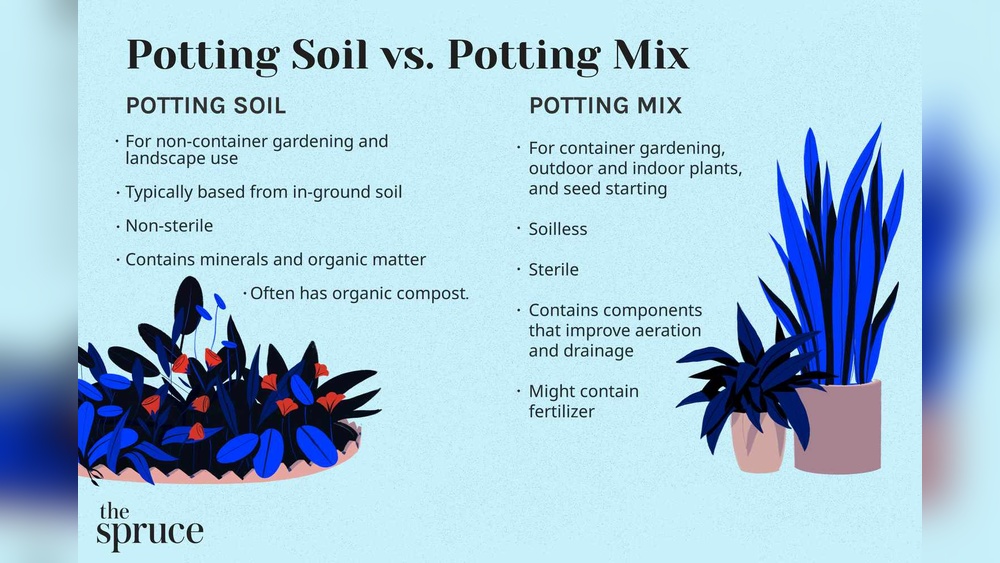
Potting soil typically refers to any garden soil or topsoil that has been amended for use in containers. It may contain mineral soil, compost, sand, and organic matter. The key characteristics include:
- Heavier weight due to mineral content, which can make it more stable in large containers but less suitable for small pots or hanging baskets.
- May include native soil, which can harbor pathogens, weed seeds, or pests if not properly sterilized or sourced from reliable providers.
- Variable texture and fertility, depending on the source. Some commercial potting soils are blended with added fertilizers or lime for pH adjustment, but quality can range widely between brands.
Potting soil is often favored for outdoor use, especially in raised beds or large planters, where its weight helps anchor plants and resist wind. However, its tendency to compact and retain water can pose problems for root health in confined spaces.
What Is Potting Mix?
In contrast, potting mix is a soilless growing medium formulated specifically for containers. Common ingredients are:
- Peat moss, coco coir, perlite, and vermiculite for aeration and water retention. These materials are chosen for their ability to maintain an ideal air-to-water ratio for roots, even after repeated watering.
- Often sterilized to reduce disease risk, making it a preferred choice for starting seeds, growing houseplants, and cultivating delicate ornamentals.
- Lighter, more consistent, and better draining than potting soil, reducing the risk of waterlogging and root rot.
Potting mixes are designed for maximum performance in the unique environment of a container, where roots have limited space and rely entirely on the medium for nutrients, moisture, and support.
Key Differences Table
| Characteristic | Potting Soil | Potting Mix |
|---|---|---|
| Primary Ingredients | Mineral soil, compost, sand | Peat moss, perlite, vermiculite, coir |
| Weight | Heavy | Lightweight |
| Disease Risk | Medium to High | Low (sterilized) |
| Drainage | Can be poor | Excellent |
| Best Use | Outdoor raised beds, large containers | Indoor/outdoor pots, seed starting |
Why The Confusion?
Many gardeners use the terms interchangeably because both are sold as “potting mediums. ” However, the difference is significant when it comes to container gardening success. The confusion is perpetuated by inconsistent labeling—some manufacturers label soilless mixes as “potting soil,” while others correctly distinguish the two.
For clarity, always read the ingredient list before purchase.
It’s also common for marketing strategies to blur the lines, with product names like “container mix” or “planting soil” further muddling the terminology. This ambiguity can lead to mismatches between plant needs and chosen media, resulting in poor performance or plant health issues.
Educating yourself on the ingredient list and intended use is essential for making informed decisions.
The Science Of Soil Blending
Physical Properties Of Each Medium
Potting soil offers minerals and nutrients but can compact over time, reducing root oxygen and water movement. Potting mix, lacking mineral soil, maintains air pockets and quick drainage but can dry out quickly if not managed.
- Water retention: Potting mix retains moisture better due to peat/coir. However, in hot or windy environments, even potting mix may require frequent watering or mulching to prevent rapid drying.
- Aeration: Potting mix is superior; soil can become dense, especially if high in clay content or not amended with coarse materials.
- Nutrient content: Potting soil is often richer initially, but nutrients can be released unevenly, and excess salts or ammonia from compost can harm sensitive species.
The physical structure of the medium directly influences how air and water move through the container, which in turn affects root health, nutrient uptake, and overall plant vigor.
Chemical Properties
- PH balance: Potting mixes are often slightly acidic, ideal for most plants. Some specialty plants may require pH adjustments, which can be achieved by blending specific amendments into the mix.
- Salinity: Compost or manure in soil can introduce salts that affect sensitive species such as ferns or some orchids.
- Nutrient leaching: Potting mix nutrients wash out faster, requiring regular feeding. Slow-release fertilizers or organic amendments can help maintain a steady nutrient supply.
Plants grown exclusively in containers are entirely dependent on the chemical environment created by the growing medium. Regular soil testing and observation can help identify and correct imbalances before they impact plant health.
Microbial Activity
Sterilized potting mixes contain fewer beneficial microbes, whereas potting soils may contain both beneficial and harmful organisms. Mixing the two can introduce both benefits and risks.
Beneficial microbes, such as mycorrhizal fungi and certain bacteria, help break down organic matter, enhance nutrient uptake, and suppress pathogens. However, introducing unsterilized soil can just as easily introduce harmful fungi, bacteria, or nematodes. The key is to strike a balance, possibly by using commercial microbial inoculants or compost teas to boost beneficial populations safely.
Data Table: Physical And Chemical Comparison
| Property | Potting Soil | Potting Mix |
|---|---|---|
| pH Range | 6.0–7.5 | 5.5–6.5 |
| Organic Matter (%) | 20–50% | 60–90% |
| Bulk Density (g/cm³) | 1.0–1.4 | 0.1–0.4 |
| Water Holding Capacity | Medium | High |
| Microbial Load | High (variable) | Low (sterilized) |
Scientific Consensus
Studies by the University of Florida IFAS and the Royal Horticultural Society show that the best root growth and yields often come from tailored mixes, not from using a single type of medium. Blending potting soil and mix can, under the right circumstances, combine the strengths of each. However, research also emphasizes the importance of avoiding excess compaction, pH imbalances, and disease introduction—all risks that increase if proportions are not carefully managed.
Credit: savvygardening.com
Benefits Of Mixing Potting Soil And Potting Mix
Enhanced Nutrient Profile
Combining the two can provide a better nutrient spectrum than using either alone. Potting soil supplies minerals and slow-release nutrients, while potting mix ensures consistent structure and moisture. For example, tomatoes grown in a blend often show improved leaf color and fruit set compared to those in pure potting mix, which may become depleted of nutrients more quickly without supplementation.
Improved Structure And Drainage
A blend is less likely to compact than pure potting soil, and less likely to dry out than potting mix alone. This balanced structure supports root growth and reduces the risk of root rot. In windy or exposed locations, the added weight of soil in the blend can also help stabilize tall or top-heavy plants, reducing the risk of tipping.
Disease Suppression And Microbial Diversity
A small proportion of garden soil in a mix can introduce beneficial microbes that help plants resist disease and absorb nutrients more efficiently. For example, certain strains of Bacillus or Trichoderma fungi can outcompete root pathogens and enhance plant resilience. However, caution is needed to avoid introducing pathogens—sterilizing or pasteurizing soil before mixing is a wise precaution, especially for indoor or high-value plants.
Cost Savings
Pre-mixed potting mixes can be expensive. By blending in affordable potting soil, you can reduce costs for large container projects without sacrificing quality. This approach is especially practical for community gardens, balcony growers, or anyone planting dozens of containers.
Customization For Specific Plants
Some plants, such as citrus or succulents, require different drainage and nutrient profiles. Mixing allows you to tailor your medium for the exact needs of your plant collection. For instance, Mediterranean herbs like rosemary and lavender will benefit from a gritty, well-draining blend, while heavy-feeding annuals like petunias or peppers will thrive with extra compost and soil in the mix.
Case Study: Urban Balcony Garden
A 2026 study by the University of California Cooperative Extension evaluated container-grown tomatoes using three media: pure potting mix, pure potting soil, and a 50:50 blend. The blend achieved the highest yield (20% more fruit per plant) and showed the least root compaction over a 6-month season. The study also noted improved water retention during periods of summer drought, reducing the need for daily irrigation.
Real-world Example: Home Orchid Enthusiast
An indoor gardener struggled with fungal issues in orchids grown in pure potting soil. Switching to a blend of 70% potting mix and 30% sterilized potting soil resulted in healthier roots, better drainage, and fewer disease problems over 18 months.
Regular applications of beneficial mycorrhizal fungi further enhanced plant vitality.

Credit: leereich.com
Risks And Drawbacks Of Mixing
Potential For Disease Introduction
The biggest risk comes from non-sterile potting soil. Pathogens like Pythium, Rhizoctonia, and root knot nematodes can devastate container plants. Always use sterilized soil or pasteurize at home before mixing. Even store-bought “potting soil” can sometimes harbor pests or diseases, especially if bags are stored outdoors or have been opened.
Drainage Issues
Too much potting soil can clog air spaces created by perlite or vermiculite in potting mix, especially in small containers with poor drainage holes. Waterlogged roots quickly become susceptible to fungal infections, resulting in stunted growth or plant death.
- For small pots (<2 gallons):Use at least 70% potting mix to maintain adequate porosity.
- For large planters: Up to 50% potting soil may be safe, but always test the blend’s drainage before planting.
Fertility Imbalances
Compost-rich soils can release nutrients unevenly, causing spikes in salinity or ammonium, which can burn sensitive roots. Signs of nutrient toxicity include leaf tip burn, stunted growth, and poor flowering. Regular leaching (watering thoroughly to flush excess salts) and periodic soil testing can help prevent these issues.
Inconsistent Texture
Improper mixing can lead to layering, where water moves quickly through the mix but is held in soil pockets, increasing root rot risk. Always blend thoroughly to create a uniform texture.
Case Study: Overwintered Houseplants
A grower blended garden soil and potting mix for overwintering tropical houseplants. Despite initial vigor, plants developed root rot due to poor drainage and an outbreak of fungus gnats, traced to the unsterilized soil. This highlights the importance of using clean, disease-free ingredients and testing drainage before planting.
How To Mix Potting Soil And Potting Mix Correctly
Step-by-step Blending Guide
- Sterilize Soil (if not pre-sterilized): Bake at 180°F for 30 minutes or microwave moist soil for 90 seconds. This step is crucial for indoor or greenhouse containers, where pests and diseases can spread rapidly.
- Choose Proportions: For most houseplants, a 70:30 ratio of potting mix to soil is ideal. Adjust for plant type—succulents need more drainage, vegetables often benefit from more nutrients.
- Additives: Consider adding extra perlite (for drainage), sand (for succulents), or compost/worm castings (for fertility) depending on your goals.
- Blend Thoroughly: Combine in a large bin, breaking up clumps and ensuring a uniform texture. A well-mixed medium will support even root growth and consistent watering.
- Test Drainage: Moisten the mix and squeeze—a healthy blend should hold shape but crumble easily. Water should drain through the container within 30–60 seconds.
- Monitor Plant Response: Adjust proportions if you observe waterlogging, rapid drying, or nutrient deficiencies. Be prepared to tweak your blend as plants grow and conditions change.
Recommended Mix Ratios Table
| Plant Type | Potting Mix (%) | Potting Soil (%) | Notes |
|---|---|---|---|
| Seedlings/Herbs | 80 | 20 | High aeration, low disease risk |
| Vegetables (Tomatoes, Peppers) | 60 | 40 | Balanced nutrition/drainage |
| Ornamentals (Petunias, Geraniums) | 70 | 30 | Good for flowering annuals |
| Succulents/Cacti | 85 | 15 | Extra perlite/sand recommended |
| Large Outdoor Containers | 50 | 50 | Cost-effective; monitor drainage |
Additives For Enhanced Performance
- Perlite: Improves drainage and aeration, essential for root crops or succulents.
- Compost: Provides slow-release nutrients, boosts microbial diversity, and improves soil structure.
- Sand: Useful for succulents and cacti, as it increases drainage and prevents root rot.
- Worm castings: Boosts microbial life and fertility, particularly beneficial for heavy-feeding annuals and vegetables.
- Biochar or charcoal: Enhances nutrient retention and supports beneficial microbes.
- Lime or sulfur: Adjusts pH for acid-loving or lime-tolerant plants.
Testing And Adjusting
Water retention and drainage can shift as the mix settles. Test with a simple “drainage test”: Pour water through the mix and measure how long it takes to drain. If water pools on the surface or drains very slowly, increase the proportion of potting mix or perlite. If water runs through instantly and the medium dries out within hours, add more compost or soil to improve water retention.
When (and When Not) To Mix Potting Soil And Potting Mix
When Mixing Is Beneficial
- Large containers: Cost savings and improved structure, especially for trees, shrubs, or large annuals that require stability and nutrition.
- Heavy feeders: Extra soil boosts fertility, providing a steady supply of nutrients for crops like tomatoes, peppers, or eggplants.
- Outdoor planters: Weathering and rain leach nutrients—soil adds longevity and reduces the need for frequent fertilizing.
- Windy or exposed sites: The added weight of soil in the blend helps anchor containers and prevent blow-over.
When To Avoid Mixing
- Seed starting trays: Use only sterile potting mix to avoid damping-off disease, a common and deadly problem for seedlings.
- Orchids, air plants, carnivorous species: Require specialized soilless media, such as bark chips, sphagnum moss, or pure sand.
- Sensitive or high-value plants: Disease risk outweighs benefits, particularly for rare or expensive houseplants.
Plant-specific Considerations
- African violets: Prefer light, airy mixes. Too much soil can lead to compaction and crown rot.
- Citrus and figs: Tolerate more soil for nutrition but still require good drainage.
- Bonsai: Require specialized gritty blends to support fine root development and prevent waterlogging.
Manufacturer Recommendations
Some brands, such as Miracle-Gro and Espoma, advise against blending their mixes with outside soil, as it may void guarantees or introduce pests. Always consult product instructions and warranty information before mixing.
Real-world Example: Community Garden Project
A community garden reduced costs by blending 40% bulk potting soil with 60% commercial mix for 50-gallon planters. After three years, plant health was robust, though volunteers noted increased weeding needs and more frequent monitoring for soil-borne pests. The garden also invested in annual soil testing and periodic top-dressing with compost to maintain long-term fertility.
Alternatives To Mixing: When One Medium Is Enough
All-purpose Potting Mix
For most houseplants and vegetables, a high-quality, all-purpose potting mix suffices. Modern mixes contain slow-release fertilizer, water retention gels, and microbial inoculants. These are ideal for growers seeking convenience and consistency, with minimal risk of compaction or disease.
Specialty Mixes
Available for orchids, cacti, African violets, and seed starting, these blends are fine-tuned and typically do not benefit from the addition of soil. Specialty mixes are engineered for the unique requirements of specific plant groups, often incorporating materials like bark chips, lava rock, or sand.
Diy Potting Mix
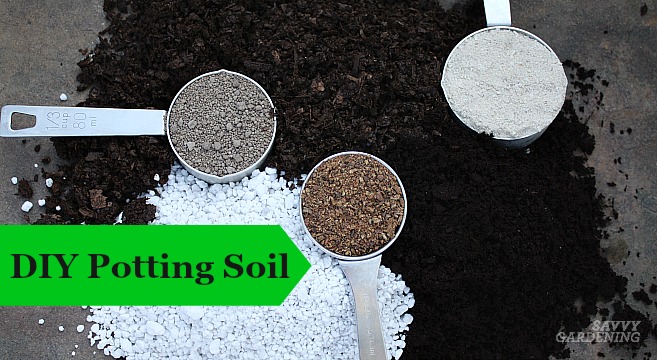
For those who prefer full control, blending peat, perlite, compost, and worm castings offers a customizable, soilless option. This is especially useful for organic growers and those seeking to avoid peat (for sustainability reasons). Recipes can be tailored to local conditions, plant preferences, and ethical considerations.
External Resources
For more on DIY mixes and soil health, see:
- Royal Horticultural Society: Container Compost Advice
- University of Florida IFAS: Potting Mixes for Container Vegetable Gardens
- University of Minnesota Extension: Potting Soil FAQs
Best Practices For Long-term Success
Monitoring And Maintenance
- Fertilize regularly: Especially if using soilless mix, as nutrients leach quickly. Water-soluble or slow-release fertilizers can be incorporated as needed.
- Check for pests and disease: Particularly when using non-sterile soil. Inspect containers regularly for signs of root rot, fungus gnats, or unusual wilting.
- Repot every 1-2 years: To refresh nutrients and prevent compaction. Older mixes break down and lose structure, which can harm roots.
- Adjust watering: Blended mixes may retain water differently; monitor with a moisture meter or simply by touch to determine when to water.
Case Study: Balcony Vegetable Grower
A city gardener used a 60:40 potting mix to soil blend for tomatoes and peppers in 15-gallon grow bags. Over a three-year period, yields were consistently high, but annual top-dressing with compost was necessary to maintain fertility. Occasional outbreaks of fungus gnats were controlled with Bacillus thuringiensis. The gardener also experimented with mulching and varying the blend ratios based on plant performance, demonstrating the value of close observation and adaptability.
Sustainable Practices
- Avoid peat moss: Use coco coir to reduce environmental impact, as peat mining depletes sensitive wetlands.
- Reuse and recycle: Old potting mix can be solarized (exposed to high heat to kill pathogens) or composted for reuse in less sensitive plantings.
- Mulch surface: Reduces evaporation and prevents soil splash, which can spread disease.
- Collect rainwater: For sustainable watering, especially important in regions with water restrictions.
External Links For Further Reading
- Gardener’s Supply Company: Potting Soil vs. Potting Mix
- Wikipedia: Potting Soil
- The Spruce: What Is Potting Soil?
Frequently Asked Questions
What Is The Main Difference Between Potting Soil And Potting Mix?
Potting soil usually contains mineral soil and compost, making it heavier and sometimes prone to compaction and disease. Potting mix is typically soilless, made of peat, perlite, and other organic materials—lighter, better draining, and often sterilized to reduce disease risk. Always check the ingredient list, as labeling can be inconsistent. If in doubt, contact the manufacturer for clarification.
Is It Safe To Use Garden Soil In Container Blends?
Garden soil can introduce pests and diseases when used in containers. If you wish to blend garden soil, always sterilize it first by baking or microwaving. For most container gardening, it’s safer to rely primarily on commercial potting mix and only supplement with small amounts of soil.
What Ratio Of Potting Soil To Potting Mix Works Best?
For most indoor and outdoor containers, a ratio of 70% potting mix to 30% potting soil is effective. Adjust based on plant needs: seedlings require more mix for aeration, while heavy feeders may benefit from more soil. Always observe plant health and adjust as needed.
Can I Mix Potting Soil And Potting Mix For Succulents Or Cacti?
Succulents and cacti prefer fast-draining media. If you blend soil and mix, limit soil to 10–20% and supplement with sand or extra perlite. Specialized cactus mixes are often a better choice for these plants.
How Often Should I Replace Or Refresh My Blended Potting Medium?
Repot or top-dress containers every 1–2 years. Over time, organic matter breaks down, and compaction or nutrient depletion can occur. Refresh with new mix or compost to maintain plant health and vigor.
With a clear understanding of the differences, benefits, risks, and best practices, you can confidently mix potting soil and potting mix to create optimal growing conditions for your container plants. Tailor each blend to your plant’s unique requirements, monitor regularly, and don’t hesitate to adjust your strategy as you gain experience.
By blending science and art, your garden will reward you with healthy, thriving plants season after season.