Gardening Tips for Making Your Own Potting Mix at Home
I build my own potting mix by matching the base to the plant: for many containers, around 2 parts peat or coco coir, 1 part aeration material, and 1 part compost, then I add more drainage for succulents and more moisture for seedlings. Get it wrong and roots sit wet, starve, or dry out fast. This guide shows how to mix, test, and adjust potting media for herbs, houseplants, vegetables, and drought-loving plants.
This guide is part of our When to plant seeds and bulbs series.
What you’ll need


- Coconut coir or peat
- Perlite
- Vermiculite
- Screened compost or composted cow manure
- Fine sand
- Pelleted time-release fertilizer
- Lime or soil sulfur for pH adjustment
- Trash can, lidded bucket, or other dry storage container
- Measuring container with quart marks
- Gloves and a mask for dusty materials
What potting mix is and why it differs from garden soil
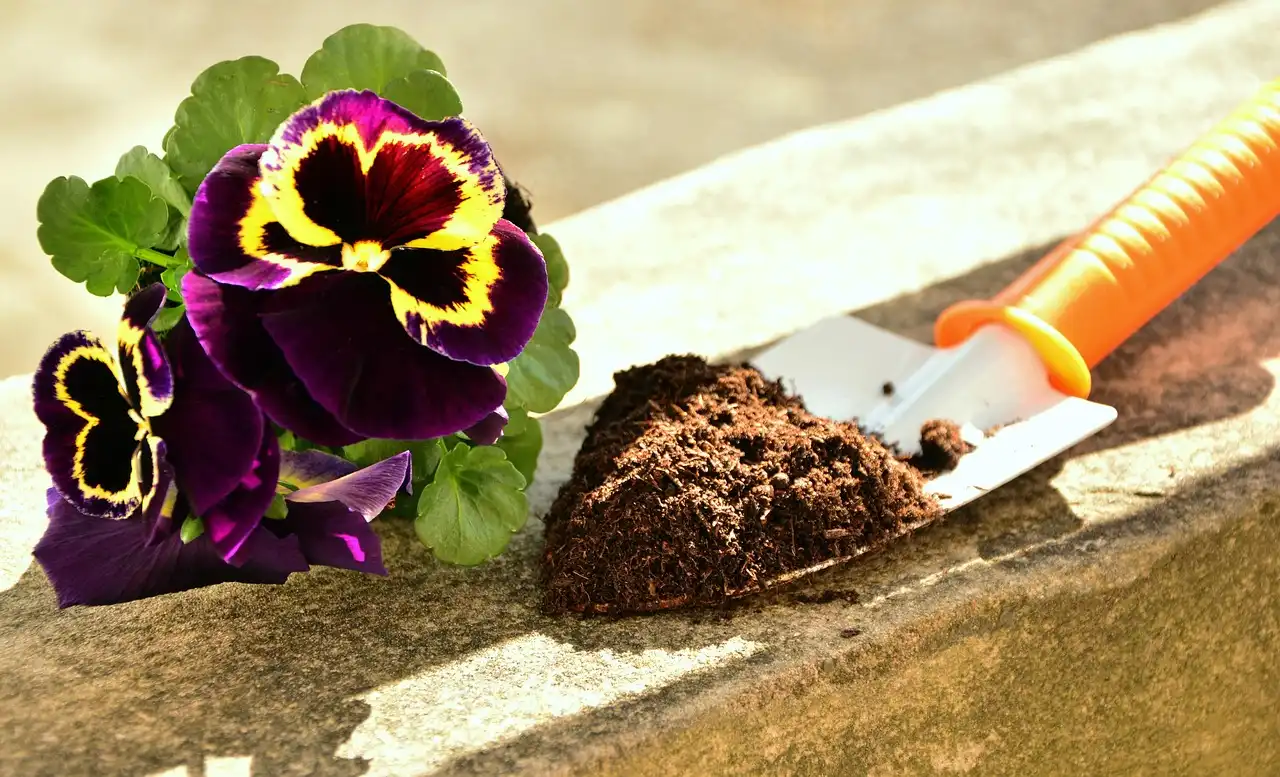
Potting mix for containers is soilless, not garden soil. It should be loose, airy, and built for drainage so roots can breathe in a pot instead of sitting in dense earth. That clean structure matters more in containers because water has nowhere to spread.
Garden soil compacts fast in pots. It stays wet too long, especially in plastic containers and hanging baskets. A good mix dries and re-wets more predictably, which is why homemade mix can work well when you build it around the plant’s job.
When homemade mix makes sense
DIY mix pays off when you need more than a few pots, or when one bagged mix does not fit every crop. Homemade batches are often cheaper when you need larger volumes, and they let you tune drainage, fertility, and pH instead of using one generic blend.
How do you make your own potting mix?
Start with a base of coconut coir or peat, add aeration with perlite, then adjust water-holding with vermiculite. Add compost only when the plant can use extra nutrition, and keep fertilizer out of mixes for seedlings and other tender starts. Finish with pH adjustment if the crop needs it.
Step-by-step batch method
- Measure the base ingredients in quarts, not shovels.
- Add perlite first so the mix opens up quickly.
- Blend in vermiculite when the plant needs more moisture retention.
- Fold in screened compost or composted cow manure only for plants that want extra fertility.
- Add fine sand sparingly if the plant prefers a drier, faster-draining medium.
- Mix in pelleted time-release fertilizer only for containers that need steady feeding.
- Adjust pH with lime to raise it or soil sulfur to lower it, then store the batch dry in a lidded bin or bucket.
One basic recipe to start from
A practical base recipe uses 10 quarts of coconut coir, 5 quarts of perlite, 5 quarts of vermiculite, 5 quarts of screened compost or composted cow manure, 2 cups of fine sand, and 2 cups of pelleted time-release fertilizer. It is a starting point, not a universal answer.
What ingredients go in homemade potting mix?
The core ingredients are coconut coir or peat, perlite, vermiculite, compost, fine sand, and optional fertilizer. Coconut coir is a peat alternative that holds water well, but it should be hydrated before mixing. Perlite is a lightweight mineral amendment that opens the mix and speeds drainage.
Vermiculite holds more water and suits seedlings and moisture-loving plants. Compost or composted cow manure adds nutrients, but only in a small percentage and only when the crop can use that feed. Fine sand helps drainage in dry-loving mixes when used in small amounts.
What each ingredient does
- Coir or peat: base structure and moisture balance
- Perlite: more air, faster drainage, lighter weight
- Vermiculite: more water-holding for seedling trays and thirsty plants
- Compost: modest nutrient supply and body in the mix
- Fine sand: extra drainage in dry-loving formulas
- Pelleted fertilizer: steady container feeding when the plant needs it
How much perlite and vermiculite do I need for potting mix?
Use more perlite for fast drainage and more vermiculite for seedlings or moisture lovers. A balanced mix often splits the aeration and water-holding roles, but the ratio changes with the crop. Keep fine sand to small amounts; too much sand can make the blend heavy.
Quick ratio guide
| Plant need | Perlite | Vermiculite | Fine sand |
|---|---|---|---|
| Fast drainage | High | Low | Small amount |
| Moisture retention | Moderate | High | None or very little |
| General container mix | Moderate | Moderate | Small amount |
Potting mix by plant type: exact ratios and batch sizes
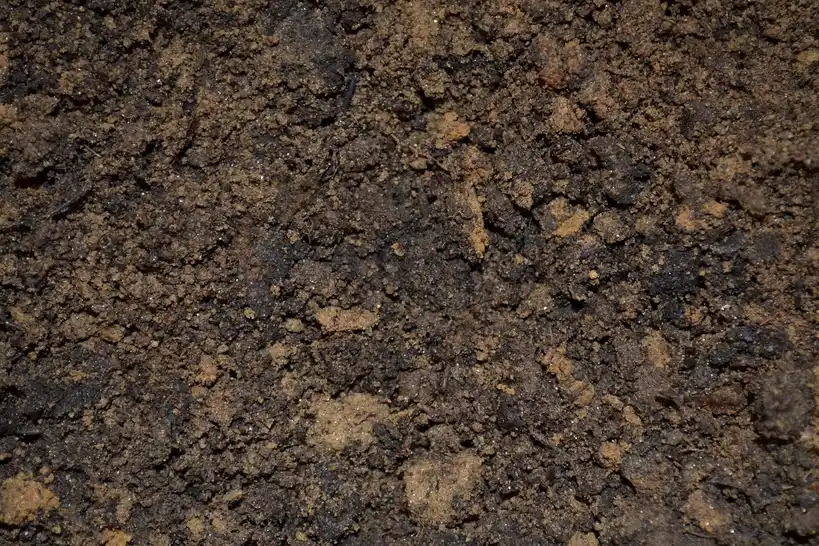
The best mix depends on the container job. Seed starting needs fine texture and steady moisture. Succulents want fast drainage and low fertility. Vegetables and herbs usually need more compost and feeding. Houseplants often sit between those extremes, while hanging baskets dry out fast and need more water retention plus airflow.
| Container use | Exact ratio by volume | Drainage level | pH direction | Fertilizer? |
|---|---|---|---|---|
| Seed starting | 2 parts coir, 1 part vermiculite, 1 part perlite | Moderate | Neutral to slightly acidic | No |
| Succulents and cactus | 2 parts coir, 2 parts perlite, 1 part fine sand | Very high | Slightly acidic to neutral | No |
| Vegetables and herbs | 2 parts coir, 1 part perlite, 1 part compost | Moderate | Neutral to slightly acidic | Yes, if not premixed |
| Houseplants | 2 parts coir, 1 part perlite, 1 part vermiculite | Moderate | Depends on species | Lightly, or skip if repotting often |
| Hanging baskets | 2 parts coir, 1 part perlite, 1 part compost, plus a little vermiculite | Moderate to high | Neutral to slightly acidic | Yes, if not premixed |
MorningChores says coir peat is used as one part in its recipe, and vermiculite is added as one part. That kind of split makes sense when a crop needs both structure and water-holding without turning the mix soggy.
How much potting mix do common containers need?
Use pot diameter to estimate volume, then buy or batch by quarts. A 14-inch tub takes 12 quarts of potting mix, and a 12-inch hanging basket takes 6 quarts of potting mix. Smaller pots scale down fast, so measuring beats guessing.
Common container estimates
| Pot size | Approximate mix needed | Notes |
|---|---|---|
| 6-inch pot | About 1 to 2 quarts | Good for herbs and starters |
| 8-inch pot | About 3 to 4 quarts | Often enough for a single houseplant |
| 12-inch pot | About 6 to 8 quarts | Matches a hanging basket or larger herb pot |
Make a small batch when repotting a few plants. Use a storage batch when filling several tubs, baskets, or vegetable containers at once.
Is potting mix the same as potting soil?
No. Potting mix is soilless media made for containers, while potting soil usually signals a heavier product that may contain actual soil. In containers, the lighter mix wins because it keeps air in the root zone and drains without packing down.
That difference matters most in pots that stay wet after watering. If roots lose air, growth slows fast. A soilless blend avoids that by giving water a place to move through the mix instead of sitting around the roots.
Can I use compost in potting mix?
Yes, but keep it to a small percentage and skip it in some mixes. Compost or composted cow manure belongs in vegetable, herb, and many general-purpose containers, but it is usually too rich for seed starting and often too heavy for succulents.
When to use compost and when to skip it
- Use it: vegetables, herbs, hanging baskets, and general container plantings that need added nutrition
- Skip it: seed starting, cactus, succulents, and any mix already loaded with fertilizer
- Choose screened fine texture: coarse pieces make the mix uneven and harder to water evenly
Too much compost is one of the fastest ways to create a mix that holds excess water and feeds too hard. That can stress roots and cause weak, leafy growth instead of balanced root development.
How do I make potting mix for succulents?
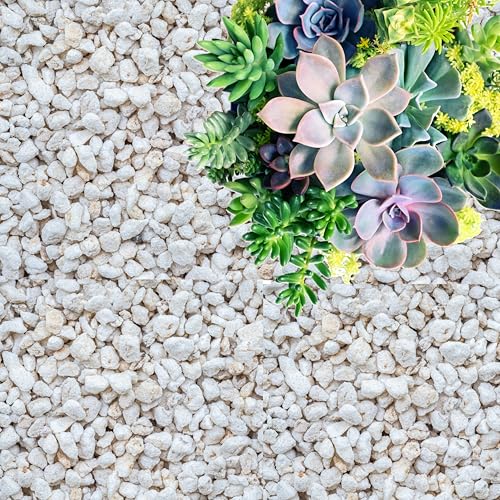
Use a dry, fast-draining blend with more perlite and only a little fine sand. Succulents and cactus want less organic matter and less fertilizer than most container crops. A mix that stays wet too long is the common failure.
Succulent mix formula
For succulents and cactus, many growers use roughly 2 parts coconut coir, 2 parts perlite, and 1 part fine sand. Leave compost out, and skip pelleted fertilizer unless the plant is in active growth and clearly needs feeding. If the finished mix feels dense in hand, add more perlite before potting.
How do I make potting mix for seed starting?
Seed starting mix should be fine, evenly moist, and low in nutrients. Use more vermiculite than you would in a cactus mix, because seedlings need water near the surface while roots are still small. Keep compost and fertilizer out so tender roots do not burn.
Seed-starting formula
A clean starting point for seed starting is around 2 parts coconut coir, 1 part vermiculite, and 1 part perlite. Hydrate the coir first, then blend until the texture feels light and even. Do not add fertilizer at the mixing stage unless the seed label or crop needs it later.
Is it cheaper to make your own potting mix?
Usually, yes, when you are filling multiple containers. Bagged mix is convenient for one or two pots, but a homemade batch spreads ingredient cost across many quarts. The savings matter most for baskets, tubs, and seasonal vegetable runs where volume adds up quickly.
Simple cost logic
Compare cost per quart, not cost per bag. A homemade batch can cost less once you already own measuring buckets and storage bins, especially if you buy coir and amendments in larger quantities. For a couple of small pots, a premade bag may still be the simpler buy.
Can I reuse homemade potting mix?
Yes, if the old mix still drains well and does not smell sour or salty. Reuse works best after removing roots, loosening compacted clumps, and refreshing the mix with a little new coir, perlite, or compost depending on the crop. Heavily diseased or salt-caked mix should be discarded.
Common mistakes
- Mixing in garden soil: it compacts and cuts air space
- Too much compost: it can hold too much water and feed too hard
- Compaction after watering: add more perlite next batch
- Salt buildup from reuse: flush the mix well or replace it
- Adding fertilizer to every batch: skip it for seedlings and any premixed blend
If that didn’t work, try this next
- Dump the old mix into a tote and break apart the root balls.
- Remove clumps that stay wet or smell off.
- Blend in fresh coir and perlite before reusing.
- Leave fertilizer out unless the new crop needs it.
Prevention: store unused mix dry in a lidded bucket or trash can, because moisture in storage invites clumping and shortens usability.
Frequently asked questions
How much potting mix do I need for a 12-inch pot?
A 12-inch hanging basket takes 6 quarts of potting mix. For a deeper 12-inch standard pot, start by filling and measuring in quarts rather than guessing from bag size. That keeps batch size tied to the actual container job.