Best Lights for Houseplants (2026): Based on Specs and Reviews
For winter houseplants, start by matching the light to the plant and the room: low-light foliage can sit farther from a bulb, tropical foliage usually needs a middle setting, and succulents, herbs, and seedlings need the strongest, closest setup. Then choose the fixture format that fits the canopy, set the timer, and adjust distance before you chase more wattage. This guide gives you a winter setup calculator for plant type, room brightness, fixture type, canopy width, mounting height, daily hours, and when to move up to a bar or panel.
Winter grow light setup calculator
| Product | Badge | Best for | Price | ||
|---|---|---|---|---|---|
 | 2 Pack LED Grow Light Bulbs,Full Spectrum Plant Light Bulbmfxmf | Our pick | 2-pack · full spectrum · 9W | $6.99 Price as of 26 Nov 2026 | View |
 | SANSI Grow Lights for Indoor PlantsSANSI | Also great | 1-pack · clip-on · 4-level dimming | $13.99 Price as of 26 Nov 2026 | View |
 | APICDOM LED Grow Light 4FT Full Spectrum Compact LinkableAPICDOM | Also great | 4ft · full spectrum · linkable strip | $21.24 Price as of 26 Nov 2026 | View |
Use the plant type first, then adjust for room brightness and canopy width. Low-light foliage in a bright room can usually stay farther from the source and run fewer hours, while succulents, herbs, and seedlings need the closest placement and the longest schedule. If the plant fills a wider area than one bulb can cover, move up to a bar or panel before you increase the day length too much.
How we chose
The best winter setup depends on the space, not just the lamp. That means canopy width, shelf depth, window light, and how much output the fixture can deliver at the plant’s actual height.
We compared three practical formats: one-bulb setups for a single plant, bar lights for rows, and panels for denser or higher-light collections. We favored fixtures that make the setup easier to control: standard sockets for quick installs, even coverage for shelves, and timers for a stable daily photoperiod.
For winter houseplants, LEDs are usually the most practical choice because they are more efficient and easier to place near the canopy than fluorescent options. Fluorescent lights can still work for smaller shelves or propagation, but they are less efficient and typically less flexible for dense or high-light collections.
Grow light setup matrix
| Plant type | Fixture type | Distance from canopy | Daily hours | Scorch or leggy risk | When not to use this setup |
|---|---|---|---|---|---|
| Pothos in a dim room | E26 grow bulb | 18 to 24 in. | 10 to 12 h | Low scorch risk; leggy if the bulb is too far or dimmed too much | Do not use for a wide shelf or more than one plant |
| Monstera near a north window | Grow light panel | 12 to 18 in. | 12 to 14 h | Medium scorch risk if placed too close; leggy if light is too weak | Do not use a single bulb if the canopy is broad |
| Rubber plant in a dark corner | E26 grow bulb | 12 to 18 in. | 12 to 14 h | Medium leggy risk if the room is very dark | Do not use if leaves are already crowded under a large canopy |
| Dracaena on a desk | E26 grow bulb | 16 to 20 in. | 10 to 12 h | Low scorch risk; leggy if the bulb is aimed off-center | Do not use for a long shelf run |
| Bird of paradise in winter | Grow light panel | 12 to 18 in. | 14 to 16 h | High leggy risk if output is too weak | Do not use a small lamp if the plant is large or tall |
| Succulent cluster | Grow light panel | 8 to 12 in. | 12 to 14 h | High scorch risk if the fixture is too close or too intense | Do not use a weak bulb across a dense tray |
| Herb tray | Grow light panel | 8 to 12 in. | 12 to 16 h | Medium scorch risk; leggy if the light is spread too thin | Do not use a single bulb unless the tray is tiny |
| Seedlings | Grow light panel | 2 to 6 in. | 14 to 16 h | High scorch risk if the light is hot or the height is wrong | Do not use on tall foliage plants |
| Hoya | E26 grow bulb | 8 to 12 in. | 12 to 14 h | Medium scorch risk if the bulb is close but strong | Do not use if the plant sits far from the socket |
| Rows of small pots | Shelf bar grow light | 8 to 14 in. | 12 to 14 h | Low scorch risk; leggy if the bar is mounted too high | Do not use for a single tall floor plant |
| Mixed shelf with cuttings and starter pots | Shelf bar grow light | 6 to 12 in. | 12 to 16 h | Low scorch risk if coverage is even | Do not use if the shelf is deeper than the light footprint |
| Low-light foliage plants in a bright room | E26 grow bulb | 18 to 24 in. | 8 to 10 h | Low scorch risk; overlighting can still bleach tender leaves | Do not use if a brighter window already meets the plant’s needs |
Think of the table as a starting point, not a fixed rule. If the room is bright, you can often use the longer distance or shorter day length; if the room is dark, move closer or choose a stronger fixture. As distance increases, the light spreads wider but drops in useful intensity, so a plant that looks fine at the edge of the beam may still be underlit in the middle.
E26 grow bulb: best for one plant
- E26 base fits standard sockets
- Full spectrum for all growth stages
- Easy to install in existing fixtures
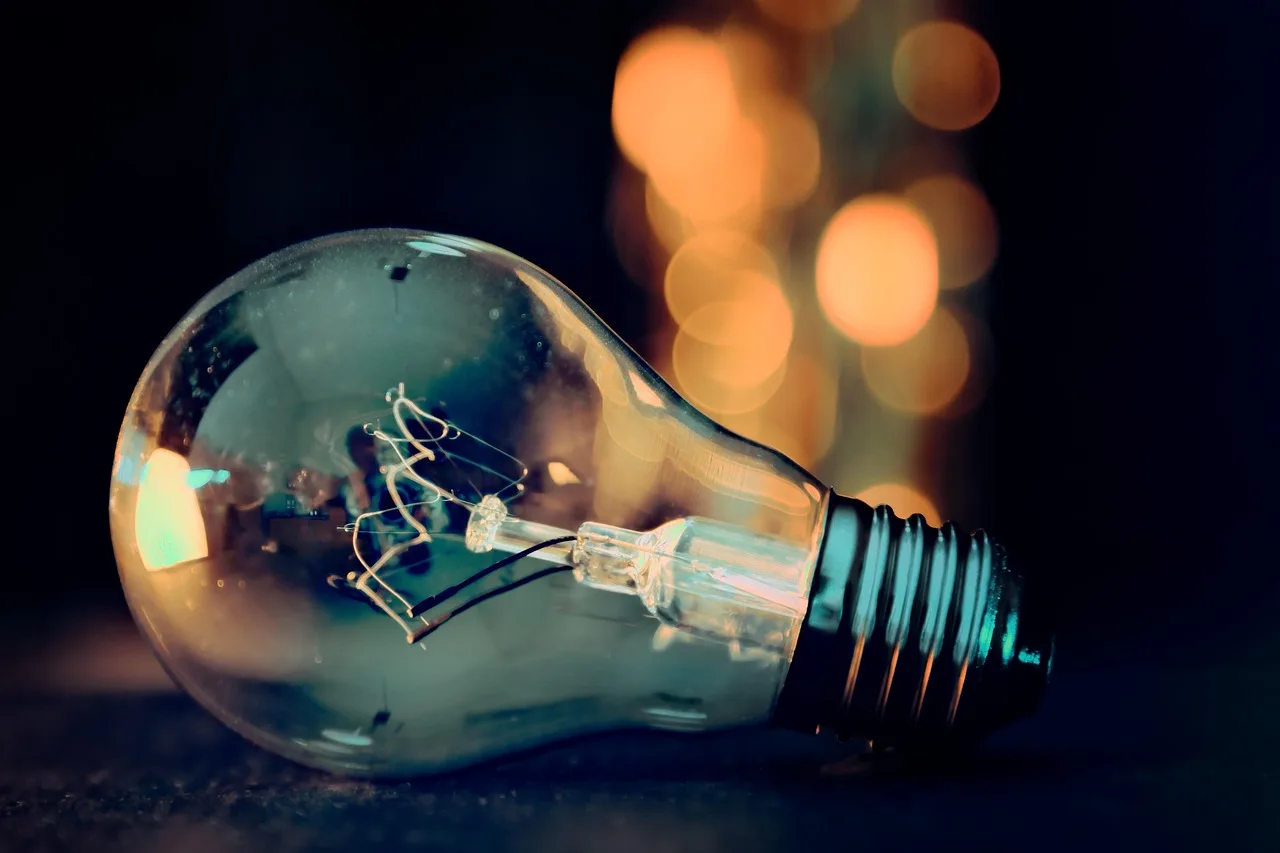
The mfxmf E26 grow bulb is the cleanest fit for one houseplant or a small corner. The standard socket means you can drop it into an existing lamp, and the full-spectrum output fits the common single-plant setup best when the canopy is compact and centered under the beam.
It works best when you need cone-shaped coverage over a single canopy, such as a pothos, rubber plant, or dracaena by a lamp. The drawback is coverage: once you try to light a shelf or a broad plant, one bulb spreads too thin unless you bring it close and keep the foliage inside the beam.
Set it close enough to matter, usually in the lower half of the 12 to 24 inch range, then use a timer. A bulb like this is strongest when the plant fits inside the light cone, not outside it.
Shelf bar grow light: best for shelves
- Slim fixture fits compact spaces
- Daisy-chain linkable up to four strips
- Installation kit included
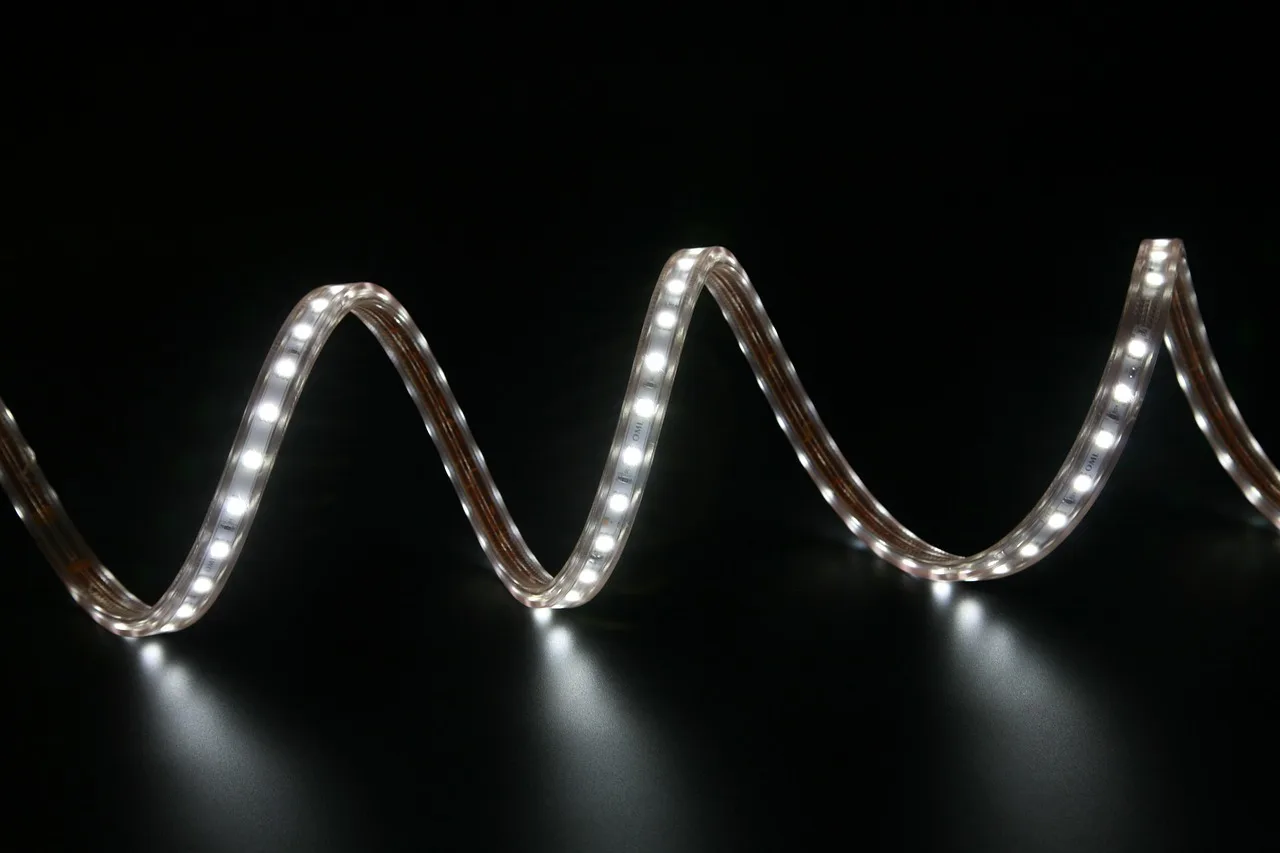
The APICDOM 4FT strip is the right format for rows of small pots, cuttings, and cabinet shelves. The Plant Manual recommends shelf bars for rows of small pots, and the slim shape helps spread light more evenly across a narrow surface.
This style is a better match than a bulb when you have multiple plants at the same height, especially propagation trays or a mixed collection on a single shelf. The drawback is obvious: it is a strip light, so it is not the best answer for a tall floor plant or a very deep shelf.
Mount it so the light covers the full shelf width, then keep the plants within the strip’s footprint. If the front plants look good but the back plants stretch, the shelf is too deep for the bar alone.
Grow light panel: best for dense canopies
- Flexible gooseneck and clamp design
- Built-in 3/6/12-hour timer
- Four dimming levels for adjustment
This SANSI clip-on panel is the strongest choice here for a denser canopy or a small high-light setup. It gives you a more controlled beam than a bare bulb, and the built-in timer and dimming help dial in a winter photoperiod without guessing.
It suits herbs, seedlings, succulents, and compact collections that need more output than a simple lamp can deliver. The tradeoff is fit: clip-on designs are great for one plant or a tight cluster, but less convenient for a wide shelf run.
Because the fixture is adjustable, it can sit close without crowding the canopy. That matters for succulents and seedlings, which usually need stronger supplemental light than most foliage plants.
Do houseplants need grow lights in winter?
Not every houseplant needs one. Many only need a brighter window, a cleaner glass pane, or a better spot away from curtains, but winter light is shorter and weaker, so a supplemental light helps when growth turns sparse, pale, or stretched.
Think of a grow light as a fix for insufficient light, not a cure for every winter problem. Cold drafts, low humidity, and overwatering can all mimic low light, so check those first if the plant looks bad in more than one way.
How far should a grow light be from houseplants?
Distance from the canopy matters as much as wattage. A common indoor range is about 8 to 18 inches, with stronger panels and succulents usually placed closer in that range, and lower-output bulbs placed farther out if the plant does not need intense light.
Too far, and usable light falls off fast. Too close, and leaves can bleach, crisp, or stress, especially if the fixture has a narrow beam or the plant has tender foliage. A closer fixture also concentrates light on a smaller area, so coverage gets tighter as intensity rises.
WIRED measured grow lights at 18 inches for standardization, which is a useful reference point if you are comparing fixtures. For practical use, start at the manufacturer’s range if one is listed, then adjust based on leaf response and stem length.
How many hours a day should houseplants be under a grow light?
Most houseplants do well with about 10 to 16 hours a day under a grow light, depending on how much light the plant naturally wants and how bright the room already is. Low-light foliage plants often need less, while succulents, herbs, and seedlings usually need more.
A timer helps maintain a consistent schedule because consistency matters. A built-in timer or an external outlet timer keeps the plant on the same day length every day and prevents a missed on/off cycle from throwing off the schedule.
Use the shorter end for plants near a bright window and the longer end for darker rooms or higher-light species. Do not run the fixture all day; a stable photoperiod is better than an endless one.
Are LED grow lights better than fluorescent bulbs for houseplants?
For most indoor winter setups, yes. LED grow lights are the best overall option because they use less energy and run cooler than older bulb types, so you can usually place them closer without as much heat stress. That said, any fixture can still be too intense if it sits too close to the canopy.
They also come in practical formats: bulbs, bars, panels, and goosenecks. That makes them easier to match to a single plant, a shelf, or a denser canopy without overbuying light you cannot use.
What color temperature is best for houseplant grow lights?
6500K daylight is a common houseplant choice. Homes & Gardens recommends LED grow lights around 6500K, and cool white light is a practical fit for vegetative growth and winter maintenance.
Color temperature is only one piece of the setup, though. A daylight bulb that sits too far away will still underperform, while a warmer bulb with enough intensity can still help, especially in a small plant corner.
Can a grow light be too close to a houseplant?
Yes. Even cooler-running LEDs can be too close if the output is high or the plant is sensitive. Leaves may bleach, curl, crisp, or show pale patches when light intensity is more than the canopy can handle.
Epic Gardening recommends grow lights about 8 to 12 inches above hoya, which shows how plant type changes the answer. Start with the higher end of the range, then move closer only if growth stays stretched and leaves stay healthy.
How do I set up a grow light for a shelf of houseplants?
Use a shelf bar grow light, not a single bulb, when you need even coverage across multiple pots. The Plant Manual recommends shelf bars for rows of small pots, and they work well under shelves or cabinets where beam spread matters more than raw wattage.
For a shelf setup, aim for a consistent height above the canopy, keep plants in a straight row, and set a timer. The light should cover the whole shelf depth; if only the front row looks good, the back row is probably too far from the source.
- Measure the shelf depth. If the shelf is narrow, a bar light usually works better than a bulb because the beam reaches more pots at the same height.
- Place the fixture low. Start around 8 to 14 inches above the tops of the plants, then adjust after a week if stems start leaning toward the light.
- Set a daily timer. Run the shelf 12 to 14 hours for most foliage plants, and longer only if the collection includes succulents, herbs, or seedlings that want stronger light.
Say your shelf holds a pothos cutting, a small hoya, and three starter pots. A bar light at about 8 to 12 inches can cover the row evenly, while one bulb above the middle pot would leave the edges weak and encourage uneven growth.
What plants need stronger grow lights in winter?
Succulents usually need stronger supplemental light in winter than most foliage houseplants. Herbs and seedlings also need more output, and plants such as monstera, pothos, rubber plant, dracaena, and bird of paradise often grow better with added light even if they can tolerate lower light.
More light does not mean all-day light. It means enough usable light at the canopy to keep growth compact instead of thin and stretched, especially when the window season is poor.
The same source says monstera gets larger, more split leaves with more light, which is a useful clue for winter planning. If you want that kind of growth, a weak bulb set too far away will not do much.
How do I know if my houseplant is getting enough light indoors?
Look for compact new growth, steady leaf size, and stems that stay upright instead of reaching. If internodes lengthen, leaves shrink, or the plant leans hard toward the window or lamp, it usually needs more usable light or a closer fixture.
Also check the opposite problem. Bleached patches, crispy edges, or washed-out leaves suggest the light is too intense or too close, not too weak. If the room already has a bright window, the issue may be watering, cold, or low humidity instead of lighting.
Suppose a pothos sits 20 inches from a bulb and starts producing long gaps between leaves. Move it closer in small steps, or switch to a setup with a wider beam if the lamp cannot cover the plant evenly.
Which one should you buy?
If you have one plant and a normal lamp, start with the mfxmf E26 grow bulb. It is the least complicated path and fits the single plant or small corner use case best.
If you have a shelf of small pots, cuttings, or starter plants, choose the APICDOM shelf bar. The even spread is more important than a high number on the box.
If your plants are dense, high-light, or grouped tightly together, the SANSI panel is the strongest fit of the three. It is also the best match when the room is dark and you need a more controlled beam.
Do not buy more light than the space can use. A small pothos in a bright room may need nothing more than a better window; a bird of paradise in a dim corner may need a stronger panel, not a bigger bill.
Frequently asked questions
What kind of grow light is best for one houseplant?
An E26 grow bulb is the simplest choice for one plant because it fits a standard socket and creates a focused cone of light. Keep it close enough to reach the canopy, and use a timer so the day length stays steady.