How to Force Amaryllis Bulbs to Bloom Indoors
Reviewed by an indoor bulb-growing editor: For amaryllis, the key differentiator is simple—forcing skips chilling. Plant a plump bulb with no soft spots in a pot that is only a little wider than the bulb, keep one-third to one-half above the mix, then give bright light and steady warmth; no chilling is needed. Skipping root space, light, or a firm bulb often means weak stems, few flowers, or bloom timing that misses the holidays. This guide covers bulb selection, potting depth, rooting, watering, and light management for reliable winter bloom.
This guide is part of our Holiday Plants Guide: Poinsettia, Christmas Cactus, Amaryllis and Paperwhites series.
Observed grower timing: larger bulbs tend to send up thicker flower stalks and reach bloom sooner than smaller bulbs, especially when they are kept in a warm room and placed in the brightest window available after sprouting. In cooler rooms or shaded windows, the same bulbs can take noticeably longer and stretch more. For a practical target, aim for about 68-75°F while rooting and active growth, then use cooler nights around 60-65°F to help blooms last longer once buds show color.
How amaryllis forcing works


Amaryllis does not require a chilling period. For indoor bloom, the bulb needs a firm start: a pot with drainage, a well-draining mix, steady moisture without sogginess, and strong light once growth begins. Bloom time after forcing begins is usually 5-10 weeks, and room temperature plus moisture can shorten or stretch that window. Extension guidance and home-gardening references commonly note that amaryllis blooms can last for several weeks and that forcing works best without a cold treatment, especially for indoor flowering bulbs grown in bright indoor conditions.
The practical difference from chilled bulbs is simple. You do not wait for cold treatment to “wake” the bulb. Instead, you pot it, water once, keep it warm, and move it into a bright window as soon as growth starts. That no-chill approach aligns with university and extension recommendations for amaryllis, which also warn that refrigerator storage with fruit can damage bloom quality because ethylene from fruit can interfere with flowers and buds.
Recommended indoor temperatures for forcing and active growth are typically in the 60s to low 70s Fahrenheit, with slightly cooler nights helping flowers last longer. For example, extension guidance commonly recommends warm, bright conditions for growth and cooler conditions for display after buds begin to open.
What you’ll need
- A plump amaryllis bulb with no soft spots
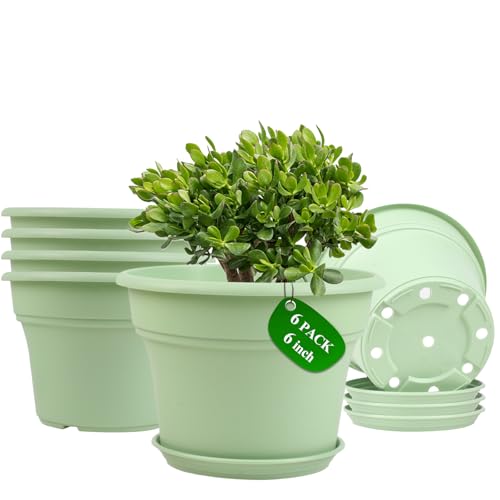
- A container or flowerpot with drainage holes
- Well-draining potting mix
- Watering can or small pitcher
- A warm indoor spot
- A warm, sunny window
- Optional: a stake for tall flower stems
How do you get amaryllis bulbs to bloom indoors?
Start with a firm bulb in a pot that drains well, keep roughly the top third to half of the bulb above the soil line, water once after potting, and move it to bright light after growth starts. That sequence gives the bulb the moisture, roots, and light it needs to flower indoors.
Brightest-light guidance matters after sprouting: place the pot in the sunniest window you have, ideally south- or west-facing if available, and rotate it every few days so stems do not lean. Once the shoot appears, the bulb should receive as much direct indoor light as possible without overheating against glass. If the stems stretch, the bulb is not getting enough light.
How to pot amaryllis bulbs
- Choose a pot that is only slightly wider than the bulb.
- Fill it with well-draining potting mix.
- Set the bulb so the top third to half stays above the mix.
- Firm the mix around the roots and lower bulb, but do not bury the neck.
- Water thoroughly until water drains from the bottom holes.
- Set the pot in a warm place while roots form.
A snug pot matters. Too much empty soil stays wet too long, and that slows rooting. If the bulb wobbles, press the mix in lightly or add a stake after planting. For more bulb-specific repotting and timing help, see amaryllis aftercare.
Do amaryllis bulbs need a chilling period?
No. Amaryllis does not require a chilling period, and it is one of the exceptions along with paperwhites. For indoor forcing, skip cold treatment and focus on potting depth, drainage, warmth, and light instead. Refrigerator chilling is often discouraged because fruit in the refrigerator may interfere with flowering.
If a bulb has already been stored cool by the grower, that is different from a do-it-yourself refrigerator step. Do not add extra cold unless the bulb’s own care instructions specifically call for it. The main takeaway is that forcing amaryllis skips chilling; the bulb wants warmth and light, not a cold dormancy reset.
What to do instead of chilling
Keep the bulb warm after potting, let the roots establish, and then place it in a bright window. Warmth is the cue that gets the bulb moving. Bright light keeps the stems compact and supports flower development.
How do you care for amaryllis while it roots?
Keep the mix barely moist, not wet, while roots form. Water deeply once after potting, then wait until the top of the mix begins to dry before watering again. As new growth appears, move the pot to stronger light and rotate it every few days so the stems grow straighter.
Overwatering is the fastest way to stall a bulb. The mix should stay slightly moist, but it should never feel soggy or sit in water. If the bulb shows soft tissue at the base or the pot smells sour, review bulb storage and rot troubleshooting before watering again.
Rooting care steps
- Check the pot daily for drying at the surface.
- Add water only when the top layer starts to dry.
- Pour enough to moisten the mix, then stop when water drains out.
- Move the pot to a warm, sunny window once the shoot appears.
- Turn the pot a quarter turn every few days.
How long does it take amaryllis to bloom after potting?
Amaryllis may take 5-10 weeks to bloom after forcing begins. A common target window is about 6 to 8 weeks, though bulb size, room temperature, light, and moisture can all change the pace. Larger bulbs often flower more reliably, while cooler rooms and low light slow the process. University extension sources commonly give a similar 5-10 week forcing range, depending on bulb size and indoor conditions.
Moisture matters in both directions. Too little water delays rooting, but too much water can rot the bulb and stop bloom altogether. A bright, warm window usually shortens the wait once the shoot is up.
What shortens bloom time
- A large, firm bulb
- Warm indoor temperatures
- Bright light after the shoot appears
- Steady moisture that never turns soggy
What slows bloom time
- A small or soft bulb
- Low indoor temperatures
- Poor light
- Overwatering before roots establish
Amaryllis timing sheet
This week-by-week sheet gives a practical indoor schedule. Use it as a guide, not a promise of an exact date. Bulbs vary, and room temperature changes the pace.
| Week | What to do | What you should see | Troubleshooting if stalled |
|---|---|---|---|
| 0 | Pot the bulb with the top third to half above the mix. Water until it drains. | No visible change yet. | If the pot has no drainage, repot now. |
| 1 | Keep it warm and lightly moist. | Roots begin forming below the mix. | If the mix stays wet, let the top dry before watering again. |
| 2-3 | Watch for the shoot and move the pot toward brighter light. | Green growth appears. | If no shoot appears, check for a bulb planted too deep or kept too cold. |
| 4-6 | Keep light strong and water when the surface starts to dry. | Leaves lengthen and a flower stalk forms. | If growth is weak, move it closer to the brightest window in the house. |
| 5-10 | Maintain steady light, warmth, and moderate watering. | Flower buds open. | If buds stall, inspect for soggy mix or low light. |
Decision table for stalled bulbs
| Situation | What to do next | Why it helps |
|---|---|---|
| The bulb is already sprouting | Pot it immediately with the sprout above the mix and place it in a warm, sunny window. | The shoot is already active and should not sit dry. |
| The bulb was planted too shallowly | Add mix around the base until the top third to half stays above the soil line. | Better support reduces wobble without burying the neck. |
| The bulb was kept too cold | Move it to a warmer room and hold the mix just barely moist. | Warmth signals the bulb to resume growth. |
Common mistakes
Planting too deeply can delay growth and increase rot risk. Keep the neck exposed. Overwatering before roots form is another common mistake; wait for the surface to start drying before adding more water. Too little light makes stems lean and bloom less reliably.
Say your bulb is in a north-facing room and the leaves stretch toward the glass. Move it to a brighter window right away. Suppose the bulb sits in soggy potting mix long after watering. Stop adding water until the upper layer dries, then recheck.
A warm room can speed bloom, but a cold room can slow it. If a bulb sits near a drafty window or an unheated porch, move it indoors to a warmer spot and watch for new growth over the next week.
Frequently asked questions
What temperature should forced amaryllis bulbs be kept at?
During active indoor forcing, keep the bulb in a warm room rather than a cold one. A practical target is about 60-75°F, with 68-75°F often used for rooting and early growth. Once buds are forming, slightly cooler nights can help flowers last longer.
How do you water amaryllis bulbs while they are rooting?
Water thoroughly after potting until water drains from the bottom holes, then wait until the top of the mix starts to dry before watering again. The mix should stay slightly moist, not wet. If the pot feels heavy for several days, hold back on water.
Can amaryllis bulbs be forced without soil?
Yes, but a soil-free setup is more finicky than a potting mix system. For reliable bloom indoors, a pot with well-draining mix gives the bulb better support, steadier moisture, and less risk of rot. If you try water-only forcing, keep the base just above the water line so the bulb does not sit directly in water, and expect more caution with stability and rot prevention than you would need in mix.
In practice, water-only forcing is best treated as a display method rather than the most reliable long-term approach. The bulb still needs warmth, bright light, and careful monitoring, and a stable setup is especially important for the tall flower stalk. For troubleshooting if the base softens or the bulb smells off, use rot troubleshooting.
How can you prolong amaryllis blooms?
To extend bloom life, keep the plant in bright light, move it out of hot drafts, and give it cooler nights after the buds begin to open. A slightly cooler display area can help the flowers hold longer, while very warm rooms shorten the show. Rotate the pot so the stalk stays upright, and remove spent flowers as they fade to keep the plant looking tidy.
After the first bloom, continue gentle aftercare so the bulb can recover. For the next steps, see amaryllis aftercare.
What light is best after amaryllis sprouts?
The brightest window in the house is best after sprouting, ideally one that gives strong direct light for several hours a day. Bright light helps the leaves stay compact and keeps the stem from leaning. If natural light is weak, move the pot as close to the glass as safely possible without exposing it to cold drafts.
Forcing amaryllis in water only
Forcing without soil can work, but it is less forgiving than potting in mix. The bulb should never sit with its base submerged; instead, set it above the water line so only the roots reach moisture. This reduces the chance of rot while still allowing root growth. Use a narrow-neck vase or a holder that keeps the bulb steady.
Water-only forcing works best with a firm, dormant bulb and close observation. Change the water regularly if it becomes cloudy, keep the bulb in a warm bright place, and watch carefully for soft spots at the base. If you want the most reliable indoor bloom, a pot with drainage and well-draining mix is still the better choice.
Because this method offers less root support, top-heavy stems may need extra stability. A stake or support ring may help once the flower stalk lengthens, especially in bright windows where the plant grows quickly.
Sources
- University of Maryland Extension, amaryllis forcing and indoor care guidance
- University of Minnesota Extension, flowering bulb and indoor growing recommendations
- Clemson Cooperative Extension, amaryllis culture and bloom timing notes
- University extension guidance on ethylene sensitivity and refrigerator storage risks for bulbs and flowers