Why Is My Christmas Cactus Dropping Buds?
If a Christmas cactus drops buds before they open, the usual cause is a recent change in light, temperature, watering, or location; the best first move is to stop moving the plant and correct one stress at a time. Left unchecked, bud drop can wipe out the season’s bloom cycle and leave healthy-looking plants flowering poorly for months. This guide maps the most likely cause from the symptom pattern and gives the safest immediate fix for each one.
Quick expert framing: holiday cactus bud drop is usually a stress signal, not a disease diagnosis. Extension and botanical guidance for Schlumbergera care consistently points to the same pressure points: stable bright indirect light, cool nights, evenly moist but never soggy soil, and minimal handling once buds form (University of Florida IFAS; Clemson Extension; Missouri Botanical Garden). When buds fall, the fastest way to save the rest is to identify which stress changed first.
Christmas cactus bud drop explained
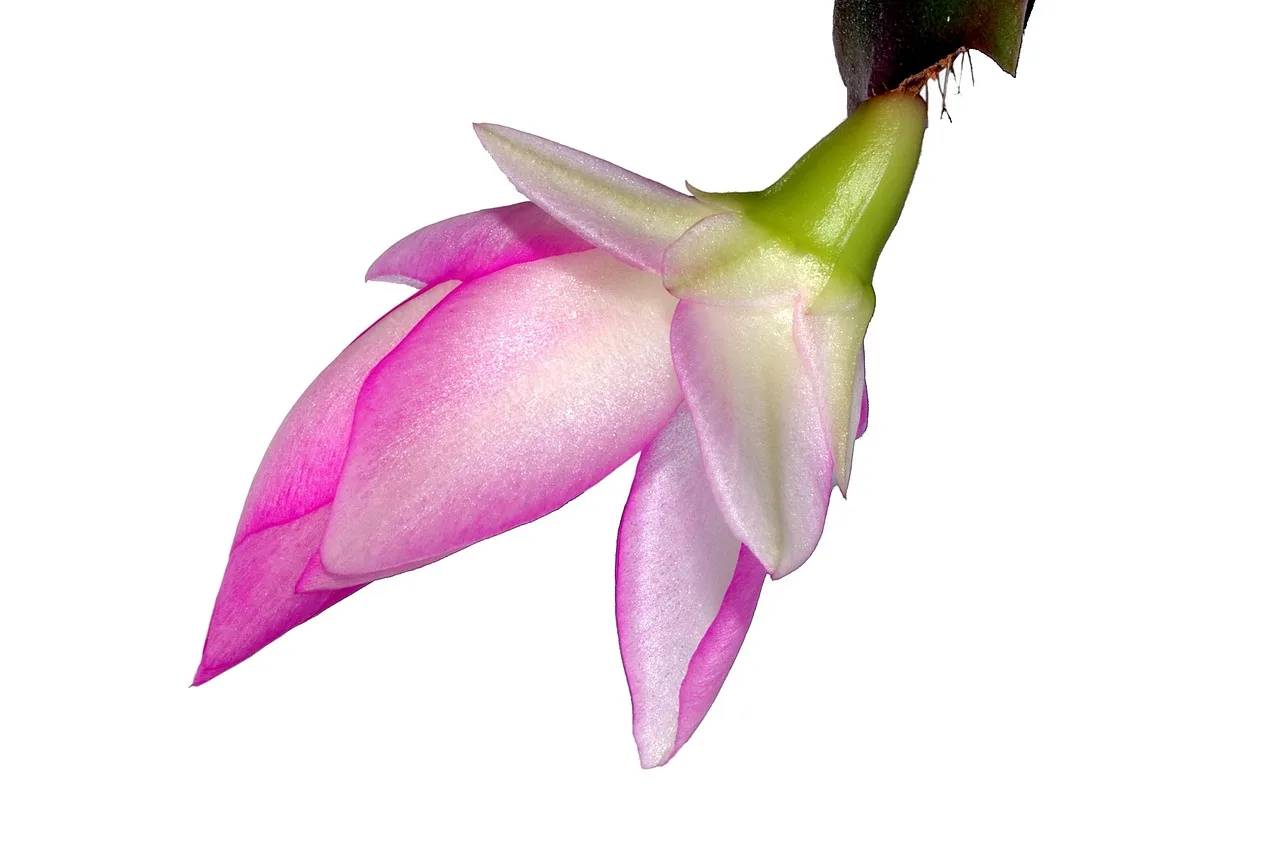



Bud drop is a stress response, not a single disease. The plant aborts buds when conditions change faster than it can support flowering. That matters because a flower that opens and then falls is a different problem from a bud that never opens at all. Botanically, Schlumbergera are forest cacti adapted to filtered light and steady moisture, so they react badly to desert-cactus treatment such as dry heat, bright midday sun, and long droughts (Missouri Botanical Garden; Royal Horticultural Society).
Bud drop vs flower drop
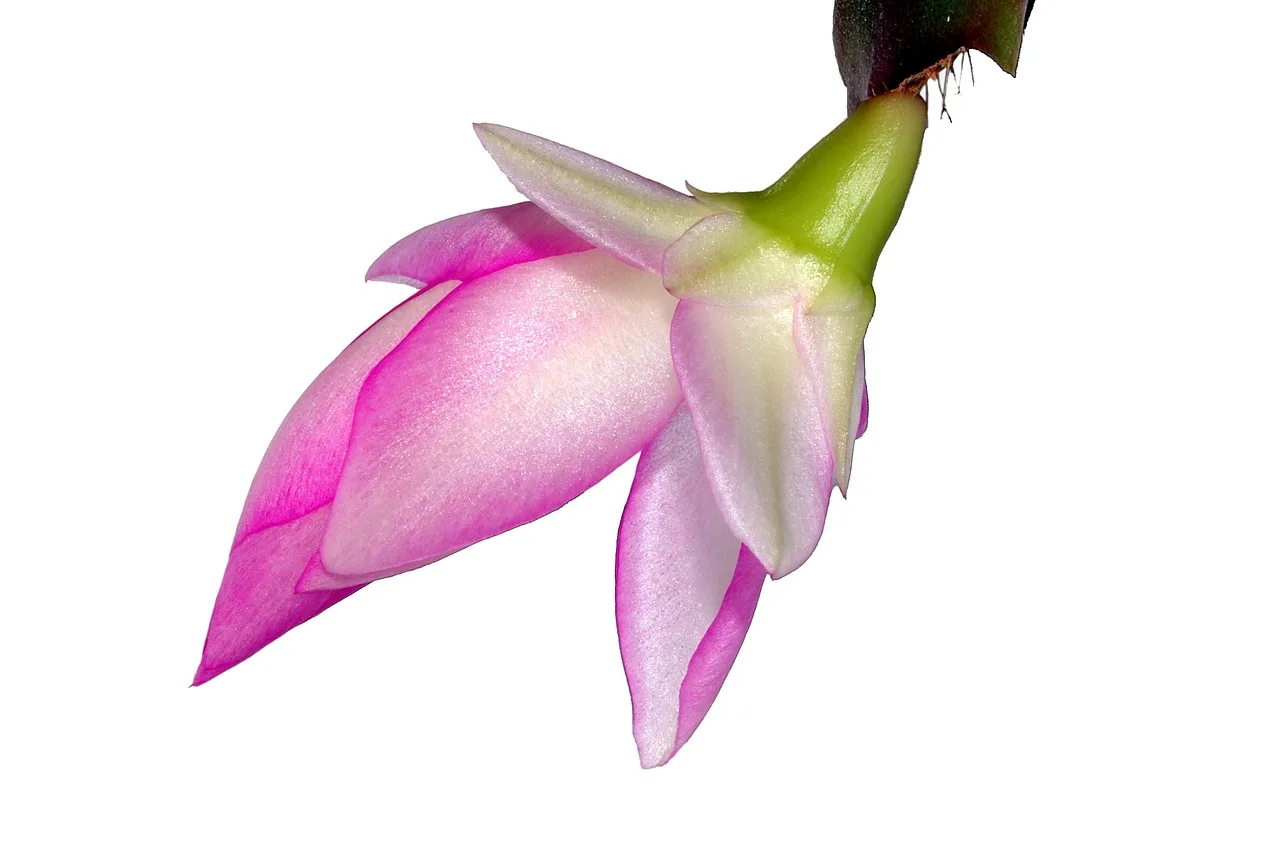
True bud drop happens before the blossom opens. If the flower opens, then withers or falls, look first at age, heat, direct sun, or a watering lapse after bloom. If buds are still tight and green when they fall, the trigger is usually stress from light, temperature, water, or movement. If open blooms collapse after a few days, that is usually normal post-bloom decline or heat stress rather than bud abortion.
Why stress shows up first in buds
Holiday cacti hold bloom energy in a narrow window. Schlumbergera species can shed buds fast when that window is disturbed. Buds are more sensitive than leaves, so the plant often drops them before it shows obvious trouble elsewhere. That is why a plant can look “fine” the day before and still lose most of its bloom display overnight.
Fast signs the plant is still salvageable
If the stems are firm, the segments stay plump, and most buds are still green, the plant usually can recover. Soft stems, yellowing, or widespread leaf shrinkage point to a deeper issue such as root trouble, chronic underwatering, or overwatering. Extension sources note that when the stems remain turgid and the root zone is not sour or mushy, correcting the environment often stops further loss (Clemson Extension; UF/IFAS).
Christmas cactus or Thanksgiving cactus?
The two holiday cacti are often mixed up, but the species matters for bloom timing. Schlumbergera x buckleyi is the true Christmas cactus, while Schlumbergera truncata is the Thanksgiving cactus. Both can drop buds from the same kinds of stress, but their flowering window differs. For a broader care comparison, see Thanksgiving vs Christmas cactus and Christmas cactus care.
How to tell the two apart
Thanksgiving cactus usually has more pointed, claw-like stem segments. Christmas cactus has more rounded, scalloped segments. Both are holiday-blooming epiphytes, not desert cacti, and both are long-lived indoor plants when kept in the right setup. The segment shape matters because many “Christmas cactus” care failures start with the wrong plant being placed in the wrong bloom schedule.
Why the difference matters for bloom timing
A plant may be healthy yet still lose buds if its rest period is not quite right. A Thanksgiving cactus that sets buds earlier in the season may react to autumn heat or artificial light sooner than a Christmas cactus still building flower buds later. That means a grower can follow “good” care and still get bud loss if the plant is being asked to bloom on the wrong timetable.
When the care advice is the same
For bud drop, the core care rules are the same: bright indirect light, steady moisture, cooler nights, and no abrupt changes. The species distinction helps with timing, but it does not change the first response to falling buds.
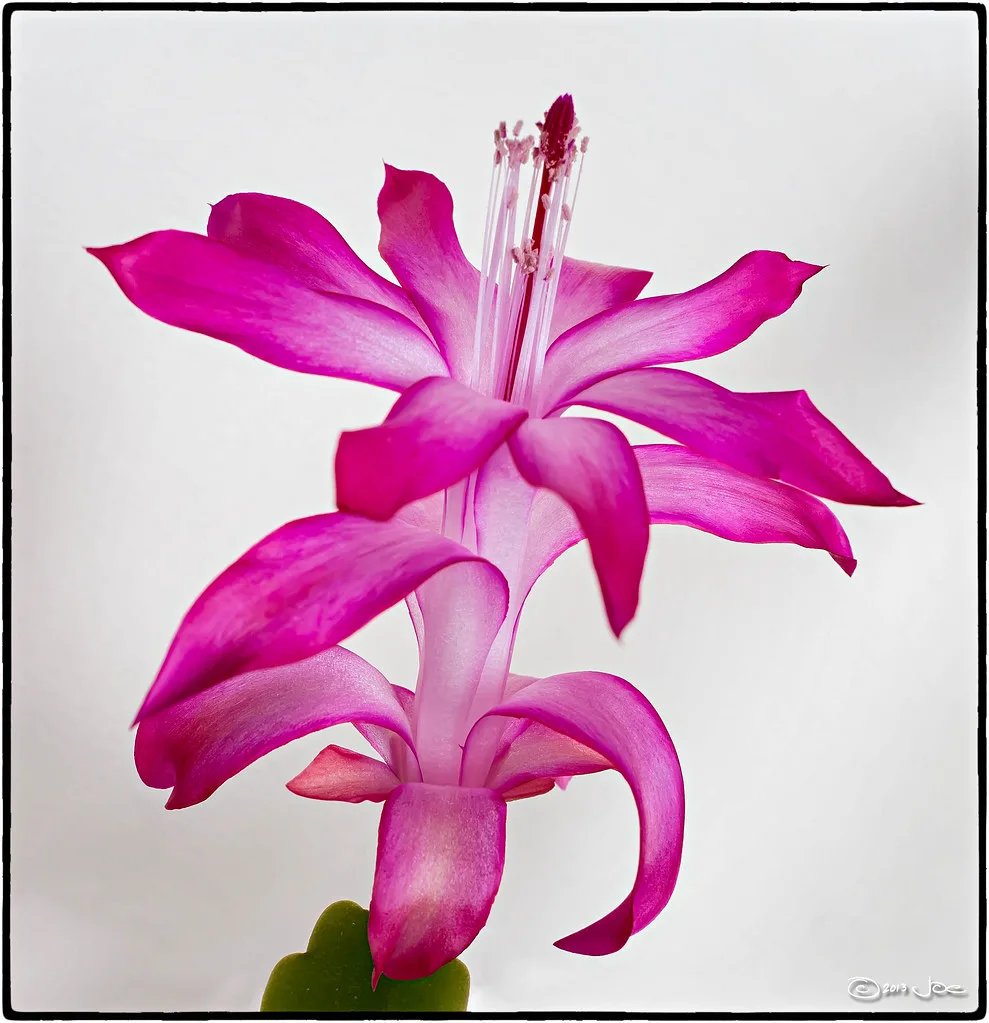
Bud-drop triage table
Use the symptom pattern to narrow the cause before you change anything else. Then make one correction, wait, and check whether new buds stay in place.
| Symptom | Likely cause | What to check first | Safest 24-hour fix |
|---|---|---|---|
| Dry buds | Underwatering or very dry air | Top inch of mix and nearby heat source | Water thoroughly, then let excess drain; move it away from heaters or vents |
| Soft buds | Overwatering, soggy mix, or root stress | Pot weight, drainage hole, and soil moisture deeper than the surface | Pause watering and let the mix dry slightly; empty any saucer |
| Sudden drop after moving | Location shock from rotation, relocation, or repotting | Whether the pot was turned, moved, or shifted near buds | Return it to the most stable spot and leave it there |
| Drop after watering | Watering too often or too much at once | Drainage, soil mix, and whether the root ball stayed wet | Stop watering until the top inch dries; keep runoff from sitting in the cachepot |
| Drop with leaf shrinkage | Severe underwatering or root failure | Segment firmness, root smell, and whether the soil is bone dry or sour | Check roots and moisture; if roots are mushy, hold water and address rot risk |
Is light the problem?
Yes, especially if the plant moved from shade to bright sun or from bright light to a dim room. Holiday cacti want bright indirect light. Too much shade can weaken bud set, but sudden exposure changes and interrupted darkness are common triggers for bud loss. The Royal Horticultural Society and university extension guidance both emphasize bright filtered light rather than strong direct sun.
Bright indirect light vs shade
Too little light can leave the plant weak and reluctant to keep buds. Harsh direct sun can stress the segments and dry buds quickly. A bright window with filtered light is safer than a dark corner or a hot, unshaded sill. If the plant is in a window that gets strong midday sun, use a sheer curtain or shift it a few feet back from the glass.
Dark-period interruptions during bud set
Bud formation may require 12 or more hours of uninterrupted darkness for at least 6 weeks. Artificial light from lamps, TVs, or nearby rooms can interrupt that cycle. University extension and greenhouse guidance commonly describe this as a short-day response: the plant needs long nights and no stray light leaks to hold flower buds (UF/IFAS; North Carolina State Extension). If the room is lit late into the evening, buds may form and then abort before opening.
What sudden window changes do
Moving a plant from one window to another can change both brightness and temperature at once. That double shift can be enough to make buds abort. Suppose a cactus is fine in a bright east window, then moved to a south window with stronger light and warmer afternoon glass. Buds can drop within days. The fix is not more watering; it is restoring a stable light pattern.
Are watering mistakes causing the drop?
Very likely, if the buds look dry and papery or soft and swollen. Holiday cacti need steady moisture without sogginess. Both underwatering and overwatering can cause bud drop, so the safest check is the top inch of mix, not a guess based on the surface alone. Clemson Extension and similar sources recommend watering when the top layer begins to dry, then letting the pot drain fully.
Underwatering clues
Dry buds, shriveled stem segments, and a pot that feels very light point to too little water. A common first-timer mistake is waiting until the whole pot is bone dry during bud set, then watering heavily after the plant has already stressed. Underwatering often shows up first as limp, narrow segments before the buds fall.
Overwatering clues
Soft buds, limp stems, and soil that stays wet for days point the other way. If the pot lacks a drainage hole or the soil stays dense, the roots can stay too wet. That raises the chance of root rot, which can show up as bud drop before the plant collapses. Root rot diagnosis is strongest when the mix smells sour, roots are brown or black and mushy, and the plant does not perk up after watering is paused (University of Minnesota Extension; RHS).
How to check the top inch of mix
A common rule of thumb is to use your finger to feel the top inch of soil, or the surface layer if the pot is shallow, before watering. If it is dry at the top but damp deeper down, wait. If it is dry all the way through and the pot is light, water until it drains freely. Do not water a pot that is already wet just because the buds are falling; that usually makes root stress worse.
Temperature and humidity checks
Cooler nights support bud formation. The optimal temperature for bud formation is around 60°F (15°C). Drafts, heaters, radiators, fireplaces, cold glass, and exterior doors can all push the plant out of that zone fast enough to trigger bud loss. University and horticultural references commonly place the bud-setting range near 50 to 65°F at night, with cooler nights and stable conditions giving the best results (UF/IFAS; Missouri Botanical Garden).
Night temperatures that support buds
Steady cool nights help the plant hold flower buds. Abrupt swings matter more than a single warm afternoon. If the cactus sits near a window that chills at night and heats during the day, the repeated change can be enough to unsettle bud set. A plant can tolerate a short cool spell, but it struggles with repeated warm-cold cycling.
Drafts, heaters, radiators, and fireplaces
Dry heat can pull moisture from buds and stems. Homes and Gardens points to the wrong growing environment as a reason for bud loss and advises keeping the plant away from central heating. The same warning applies to forced-air vents and fireplaces. Keep it out of blast zones, not just away from direct flames.
Dry air and air current stress
Low humidity raises bud loss risk, especially in heated rooms. A pebble tray or humidifier can help if the air is very dry. Air currents make the problem worse by speeding moisture loss from tender buds. For more setup ideas, see humidity for houseplants.
Say your plant has 20 buds in a living room that stays around a heat vent. If the stems are firm but the buds dry out and fall within a week, the likely issue is dry air plus heat flow, not disease. Move it away from the vent first. If the mix is also dry, water once and then leave the plant alone while conditions stabilize.
Should you move, rotate, or repot now?
Once buds are forming, it is generally advised not to move, rotate, or repot the plant. Stable placement matters because even small moves can make buds abort. If buds are already present, keep the pot where it is, avoid rotation, and hold off on repotting until flowering is finished. Repotting guidance from extension sources is consistent on this point: wait for bloom to end unless the plant is in immediate danger from rot or severe soil failure (UC Agriculture and Natural Resources; RHS).
Why stable placement matters
Moving or rotating the plant changes light direction, airflow, and sometimes root contact in the pot. A holiday cactus can react to all three at once. That is why a plant that looked fine yesterday may drop buds after being turned for a better view.
What to do if buds already formed
Pick one safe spot and leave the pot there. Check moisture, temperature, and light without shifting the container around. If the buds are still firm, the best recovery step is usually restraint. The most common failure case is overcorrecting: moving the pot, watering heavily, and changing light all in the same day.
When repotting belongs on hold
Repotting once buds form is risky because it disturbs roots at the exact time the plant needs stability. If the mix is poor or the pot has no drainage hole, wait until after bloom unless the roots are obviously rotting and the plant is declining fast. If root rot is suspected, use a new pot with drainage and a fast-draining mix, but do not repot casually just because the top of the soil looks tired.
Fertilizer, soil, and drainage
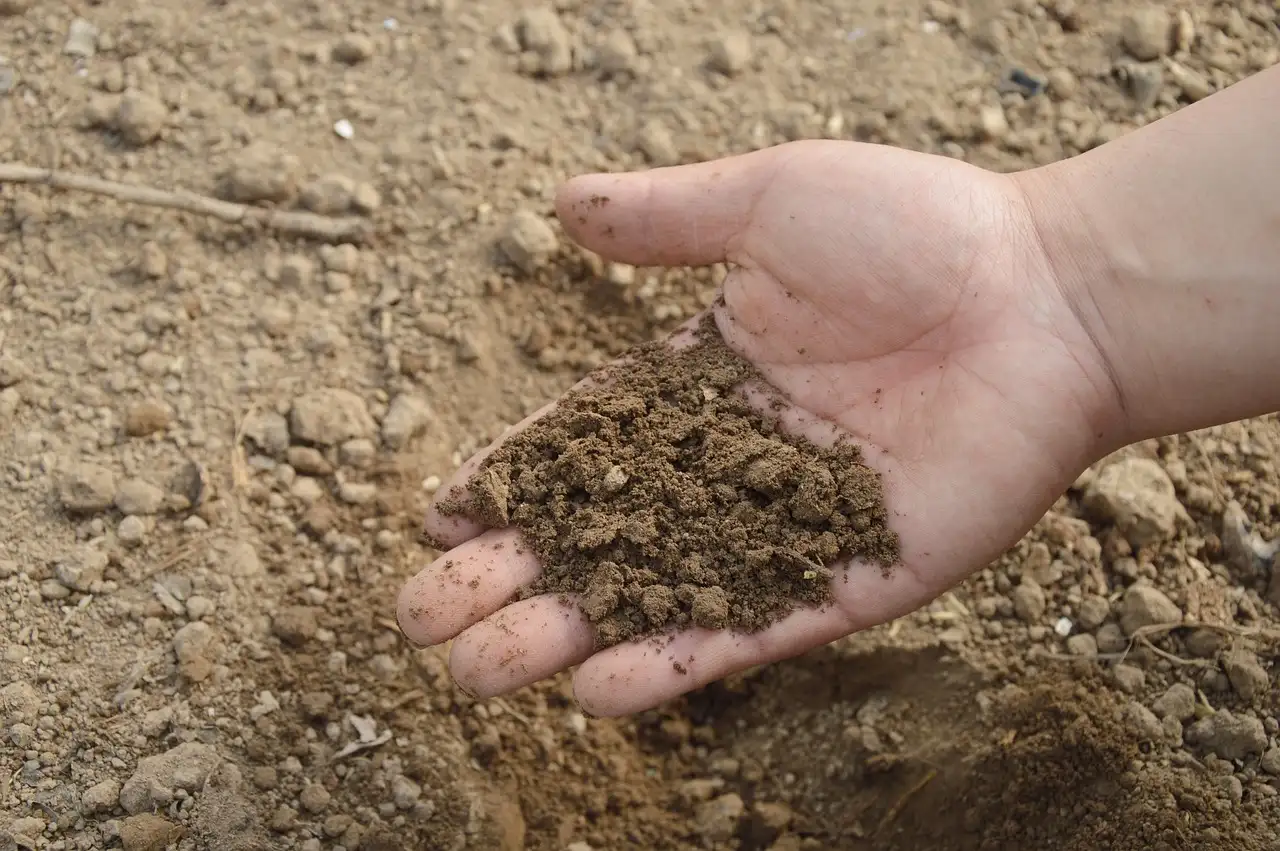
Thin, depleted, or waterlogged soil can make bud loss worse, but fertilizer mistakes are usually a secondary stress rather than the sole trigger. Holiday cacti do best in a loose, airy mix with good drainage. A potting mix that holds water like a sponge keeps roots too wet; a mix that dries to dust too fast can starve buds of the steady moisture they need. The safest setup is a light mix that drains quickly but still holds some moisture around the roots (RHS; University of Minnesota Extension).
What fertilizer to use
Use a balanced houseplant fertilizer at low strength during active growth, then reduce or pause feeding while buds are forming and blooming. Too much nitrogen can push leafy growth instead of flowering, while excess fertilizer salts can burn roots and contribute to bud loss. If the plant is already dropping buds, do not “fix” it with extra fertilizer; that often increases stress. A better scenario-based fix is to flush the pot once if salts are suspected, then resume a light feeding schedule only after bloom.
Signs the soil is part of the problem
Soil that stays wet for too long, cakes hard at the top, or smells sour points to drainage trouble. Roots in a dense mix may look tan and firm at first, then become brown, soft, or hollow as rot progresses. If the plant keeps losing buds despite stable light and temperature, check whether the potting mix is compacted or broken down. Root issues become more likely when the pot is old, the mix has never been refreshed, or water sits in the saucer after each watering.
What not to do
Do not use a heavy garden soil, do not leave the pot standing in water, and do not fertilize a stressed plant at full label strength. Do not repot into a much larger container “for safety”; oversized pots stay wet too long. Do not add rocks to the bottom of the pot to “improve drainage,” because that usually raises the perched water level instead of fixing it.
If the plant is otherwise healthy, the goal is an airy mix that drains fast enough to prevent rot but not so fast that buds dehydrate. For repotting timing and mix details, see repotting and root rot.
Pests and disease
If bud drop continues after you correct light, water, and temperature, inspect for pests and root disease. Mealybugs and spider mites are the most common indoor culprits, and both can weaken buds before the plant looks severely damaged. Check joints, undersides of segments, and the soil line closely. For pest photo cues and treatment basics, see mealybugs/spider mites.
Mealybug diagnosis cues
Mealybugs look like tiny white cottony clumps tucked in stem joints, on the undersides of segments, or at the soil line. Sticky residue, slow decline, and misshapen buds are common clues. They often hide well enough that growers notice bud drop before they notice the insect. The fix is to isolate the plant, remove visible clusters with alcohol on a swab, and repeat checks weekly until no new pests appear.
Spider mite diagnosis cues
Spider mites are harder to see, but fine stippling, dull-looking segments, and tiny webbing are common signs. They thrive in dry air, which makes winter bud set especially vulnerable. If the plant sits near a vent and buds are dropping along with dusty, speckled segments, spider mites should move high on the list. A thorough rinse and repeated control efforts are more effective than one quick treatment.
Root rot diagnosis cues
Root rot usually shows up as soft stems, a sour smell, persistent wet soil, and buds that fall even though the plant has been watered recently. The pot may feel heavy for days. When you slide the root ball out, healthy roots are light and firm, while rotten roots are dark, mushy, and may shed outer tissue. If you find that pattern, stop watering, trim rotten roots with clean tools, and repot into fresh, draining mix in a container with a drainage hole.
What not to do with pests or rot
Do not mist over a pest problem and assume humidity will solve it. Do not keep watering a rotting plant because the top layer looks dry. Do not combine a heavy fertilizer dose with pest treatment; stressed roots absorb poorly and bud loss often gets worse. If both rot and pests are present, treat the root problem first because an impaired root system cannot support flowering no matter how well the leaves are sprayed.
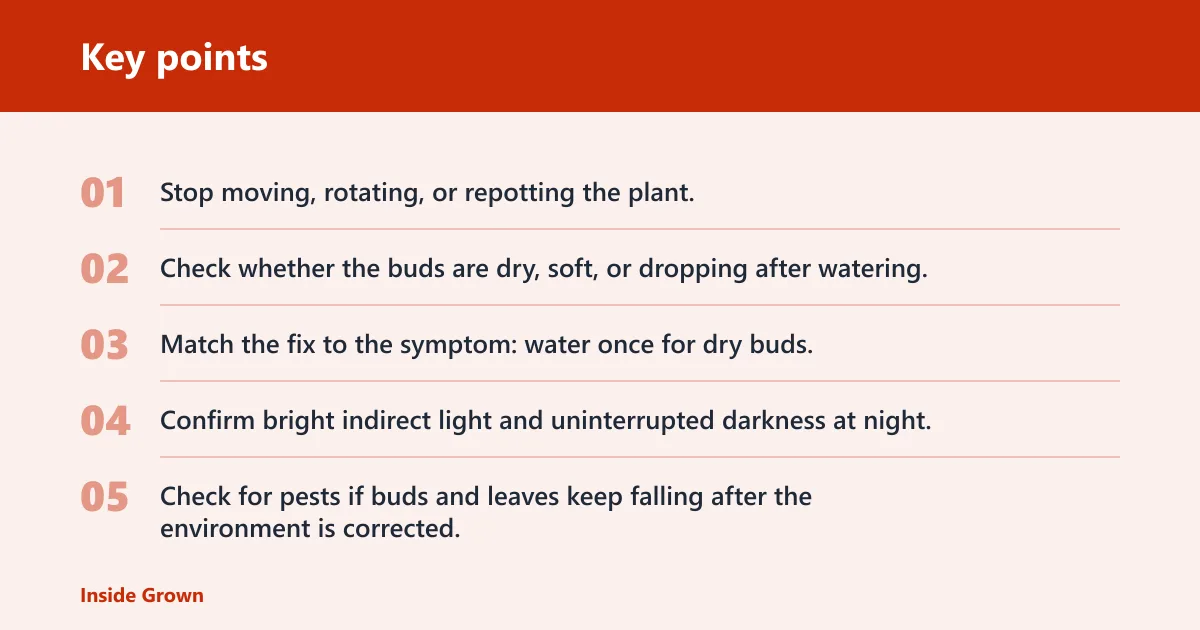
- Stop moving, rotating, or repotting the plant.
- Check whether the buds are dry, soft, or dropping after watering.
- Match the fix to the symptom: water once for dry buds, hold water for soft or soggy symptoms, or move the plant away from heat and drafts.
- Confirm bright indirect light and uninterrupted darkness at night.
- Check for pests if buds and leaves keep falling after the environment is corrected.
Frequently asked questions
Why is my christmas cactus dropping buds?
The most common cause is stress from a change in light, temperature, watering, or position. Start by checking whether the plant recently moved, dried out, or stayed too wet. If buds are still green and firm, the plant is often recoverable once the stress stops.
Why is my christmas cactus losing buds?
Loss usually tracks back to abrupt environmental change. Look first at drafts, heater blasts, cold window glass, and watering swings. If the pot was turned or shifted, that alone can trigger aborting. The safest next step is to keep conditions steady for several days.
What causes bud drop on christmas cactus
Light disruption, temperature swings, watering mistakes, low humidity, and movement are the main causes. Overfertilizing and pests can add extra stress. If the soil stays wet, root trouble becomes a stronger suspect, especially when buds are soft or stems start shrinking.
Why does my christmas cactus drop buds?
It drops buds to protect itself when conditions no longer support flowering. The plant is especially sensitive during bud set. If the drop started after a room change, new window, or heat source, that is the first clue to act on.
Why is my thanksgiving cactus dropping buds?
Schlumbergera truncata can drop buds for the same reasons as a Christmas cactus: light shifts, dry air, watering errors, or movement. Because it often blooms earlier, it may react sooner to autumn warmth or artificial light. The fix is still to stabilize conditions first.
Why is my christmas cactus dropping flowers?
If the blooms are already open and then fall, the issue is usually different from true bud drop. Heat, age, direct sun, dry air, or a watering lapse after opening are the most common causes. Check whether the plant was exposed to warm air or bright sun after the flowers opened, then keep conditions cooler and steadier.
Why is my christmas cactus dropping blooms?
Bloom drop usually means the flowers opened successfully but could not stay on the plant. That can happen from temperature stress, low humidity, or a sudden change in light after flowering began. It is less about bud formation and more about the plant being unable to hold open flowers.
Why is my christmas cactus dropping branches?
Branch or segment drop is a stronger warning sign than bud drop. Look for overwatering, root rot, physical damage at joints, or severe pest damage. If segments are soft, blackened, or detached near the base, treat it as a root or stem problem rather than a bloom problem.
Why is my christmas cactus dropping leaves?
Leaf drop points to broader stress than bud drop alone. Check for severe underwatering, overwatering, root rot, or pests such as spider mites or mealybugs. If segments are shrinking or softening, treat the roots and moisture balance as the priority.
What should I do first if buds are falling now?
Freeze the setup: no moving, no rotating, and no repotting. Then check the top inch of mix, the presence of heat or drafts, and whether the plant is getting night darkness without interruption. Once the environment is steady, the plant often stops dropping the remaining buds.
Can a Christmas cactus recover after bud drop?
Yes, if the stems are still firm and the roots are healthy. Many plants set a second, smaller bloom flush or recover for the following season once the stress source is corrected. If root rot, pests, or chronic heat stress remain, the plant may survive but keep blooming poorly until those issues are fixed.