How to Care for a Poinsettia After Christmas
Trim the plant, place it in bright indirect light, water only when the top inch of mix dries, and keep it above 60°F; if you want blooms again, start the short-day cycle in late September. Skip those steps and the bracts drop fast, stems weaken, and the plant may fail before spring. This guide gives you a winter survival plan, a separate rebloom schedule, and a simple indoor, outdoor, or discard-or-keep decision tree.
What to do first after Christmas

Start by checking whether the poinsettia is alive, only dormant, or already failing. A plant with dark green foliage, firm flexible stems, and evenly moist soil can usually be kept. Remove any foil, sleeve, or wrap that traps water, then decide whether to keep it indoors, plant it outdoors in a warm zone, or let it go.
Check the plant’s condition
Holiday bracts are not petals, and they often fade after the season. Green leaves and sturdy stems matter more than the showy color. If the plant still has some healthy foliage and the stem base is firm, it can often recover after the bracts drop.
Remove moisture traps
Take off decorative foil, plastic sleeves, and any wrap that blocks drainage. If the pot sits inside a cachepot, empty the saucer after each watering so roots never stay wet. Poinsettias decline quickly in soggy soil.
Choose the right path
If you are in USDA Zones 9-11 and the plant is healthy, it can grow outdoors as a shrub or small tree. In colder climates, bring it inside. If the stems are soft, the roots smell rotten, or most leaves have already collapsed, replacement may be the practical choice.
What you’ll need
- A pot with drainage holes
- A bright window or grow-light setup
- Watering can and saucer
- Pebble tray or humidifier
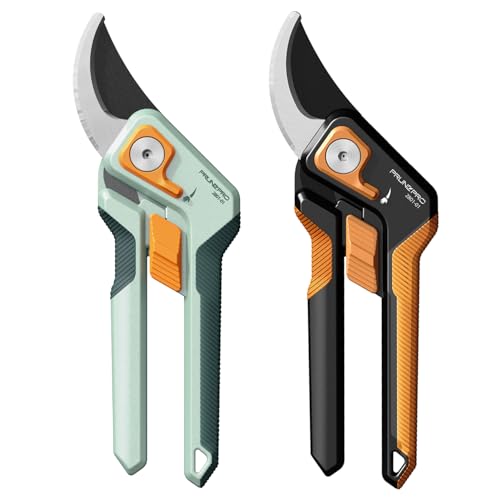
- Clean pruners
- All-purpose houseplant fertilizer for spring
How should you care for it indoors?
Give the plant bright indirect light for at least six hours a day, water when the top inch of mix starts to dry, and keep temperatures steady around 67-70°F by day and 60-62°F at night. Avoid drafts, heaters, and any temperature below 55°F. Dry indoor air is easier on poinsettias if you add a pebble tray or nearby humidifier.
Light and location
6 to 8 hours of sunshine is ideal, and others call for at least six hours of bright light daily. Either way, low light after the holidays weakens growth. A south- or east-facing window with filtered light is usually better than a dim room corner.
Watering and humidity
Check the top inch of mix with a finger. If it feels dry, water until excess runs out of the drainage holes, then empty the saucer. Suppose a plant in a warm living room dries faster than expected; add water in a measured pass, wait 5 minutes, then recheck the saucer rather than pouring again.
Temperature control
Keep the plant away from cold glass, doorways, radiators, and kitchen heat bursts. A stable range matters more than a decorative display spot. If the room regularly drops below 55°F at night, move the plant to a warmer location.
How do you tell if it needs help?
Leaf drop, yellowing, and soft stems point to different problems, so check the roots, soil, and moisture level before changing care. A poinsettia may be dormant after bracts fade, drought-stressed from underwatering, or failing from root rot. The fix depends on which signs appear first.
Dormant versus stressed versus rotting
A dormant plant usually keeps some green leaves and firm stems, even if the colored bracts are gone. Drought stress shows dry soil, drooping leaves, and a pot that feels very light. Root rot usually brings wet soil, yellowing, and stems that feel weak or mushy at the base.
What is still worth saving?
If the stem base is firm and at least some foliage remains green, the plant can often recover. If the roots are black, slimy, or foul-smelling, recovery is much less likely. A common first-timer mistake is watering again the moment leaves droop, which makes root damage worse if the soil is already wet.
If that didn’t work, try this next
- Slide the plant from the pot and inspect the root ball.
- Trim away any black, mushy roots with clean pruners.
- Repot into fresh mix only if healthy roots remain.
- Water once, then wait until the top inch dries again.
How and when should you prune it?
Prune after the bracts fade, not while the plant is still trying to hold its display. Cut the plant back to 4-6 inches, or about 4 inches above the soil line, then pinch new shoots as they grow. That timing helps the plant branch instead of stretching thin and leggy.
Make the cut
Use clean pruners and remove faded foliage first. Then shorten the stems to the recommended height. If the plant is weak, leave a little more stem rather than forcing a hard cut on damaged growth.
Pinch for shape
When new shoots reach several inches long, pinch out the tips to encourage branching. That produces a fuller plant later in the season. Remove any yellow or damaged leaves as they appear so the plant does not spend energy on failing tissue.
Poinsettia seasonal checklist
| Season | Light hours | Watering trigger | Pruning action | Fertilizing status | Start darkness treatment? |
|---|---|---|---|---|---|
| Late December-February | At least 6 hours bright indirect light | Water when the top inch feels dry | Remove faded bracts and damaged leaves | Hold fertilizer | No |
| March-May | 6 to 8 hours bright light | Water when the top soil starts to dry | Cut back to 4-6 inches; pinch new shoots | Start after new growth appears | No |
| June-August | Bright light most of the day | Water as the surface dries; never let it sit soggy | Light tip-pinching only if growth is leggy | Regular or diluted feeding after growth resumes | No |
| September-November | Bright daytime light, then complete darkness at night | Water when the top layer dries | Stop hard pruning; maintain shape only | Continue feeding until flowering prep begins | Yes, 12 to 14 hours nightly |
How do you get it to rebloom?
Begin long nights only in fall. Poinsettias need complete darkness for 12 to 14 hours each night, and some guides say the dark period should last about six weeks while others say eight to ten weeks. Any light during that window can interrupt bud set and delay color.
Set the dark period
Move the plant to a closet, box, or spare room that stays fully dark after sunset. Do not use a lamp nearby, and do not open the door during the dark window. Bright daylight returns after the night period ends.
Keep the schedule steady
Continue the cycle every day without interruption. One missed night can slow the process. Say a plant is moved to a hallway that gets a flashlight beam each evening; that stray light can spoil the short-day response, even if the rest of the care is correct.
If that didn’t work: move the plant
- Move the plant to a fully dark space at the same time each evening.
- Block door cracks and indicator lights before the dark period begins.
- Keep daytime light bright and consistent.
- Continue the cycle for the full 6 to 10 weeks depending on the guide you follow.
Can it live outdoors?
Yes, but only in warm climates. Poinsettias can grow outdoors in USDA Zones 9-11, where they may become shrubs or small trees. They are not frost tolerant, so cold-climate gardeners should keep them inside or treat them as temporary patio plants during warm weather.
Outdoor planting limits
Do not move a tender plant outside into cold nights or windy exposure. If nighttime temperatures regularly fall near the plant’s minimum safe range, keep it indoors. In marginal climates, a patio placement is safer than planting in the ground.
What to do in Australia
How to care for a poinsettia after Christmas in Australia depends on the local season, not the holiday calendar. In warm areas, the plant may stay outside in bright filtered light with protection from frost and harsh afternoon sun. In cooler regions, indoor winter care still applies.
Common mistakes
The fastest way to lose a poinsettia is to treat it like a disposable holiday decoration. Most failures come from low light, waterlogged soil, cold drafts, or starting darkness treatment too early.
- Leaving it in foil: remove the wrap so drainage works.
- Overwatering: wait for the top inch of mix to dry before watering again.
- Pruning too hard too soon: wait until bracts fade and the plant can recover.
- Fertilizing in winter: wait until spring or until new growth appears.
- Interrupting darkness: keep nights fully dark during rebloom prep.
Picture a plant in a 6-inch pot on a kitchen counter near a drafty window: the leaves yellow, the soil stays wet, and the stems soften. The fix is not more water. It is better light, warmer night temperatures, and a pot that drains freely.