Gardening Techniques for Keeping Houseplants Healthy in Winter
Keep houseplants healthy in winter by diagnosing the symptom first, then changing one variable at a time: light, water, humidity, temperature, or airflow. Miss the pattern, and you get yellow leaves, root rot, stalled growth, and pests that spread fast indoors. This guide maps common winter symptoms to the likeliest stressor and gives the smallest effective fix for each.
Winter houseplant care basics
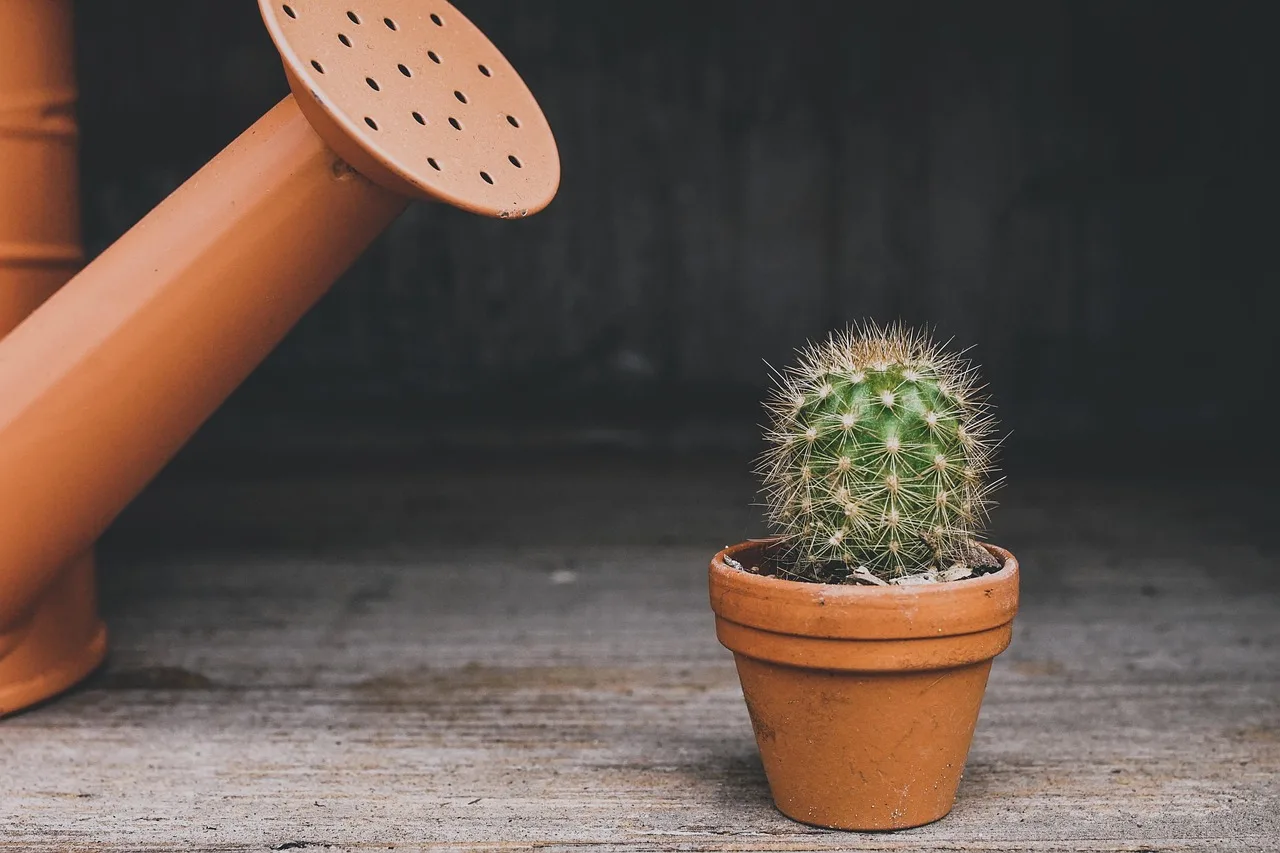


Winter changes the whole setup indoors. Many houseplants slow their growth, so they need longer gaps between waterings, less fertilizer, and a brighter position than they needed in summer. Heated rooms dry the air, while windows can create cold pockets that stress roots and leaves at the same time.
The first adjustment is usually not more water. Check soil dryness first, then light, temperature, and humidity in that order.
What you’ll need
- A watering can filled with room-temperature water
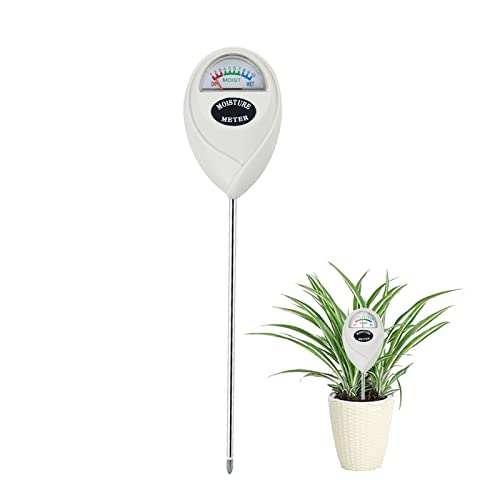
- A way to check soil dryness, such as a finger test or moisture meter
- A bright window, or a grow light if daylight is weak
- A humidifier, pebble tray, or enough space to group plants together
- A thermometer for rooms with vents, fireplaces, or drafty windows
- Fresh saucers or trays that can be emptied after watering
How often should I water houseplants in winter?
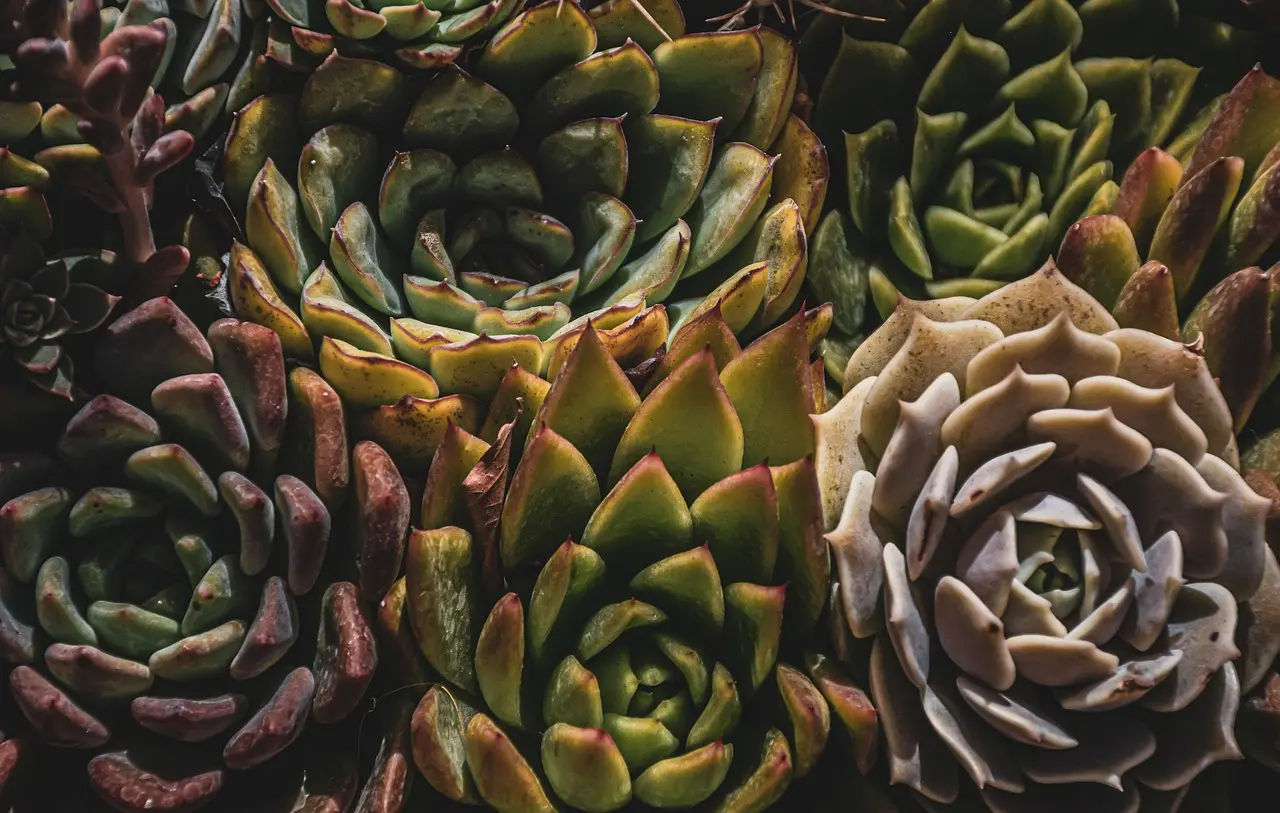
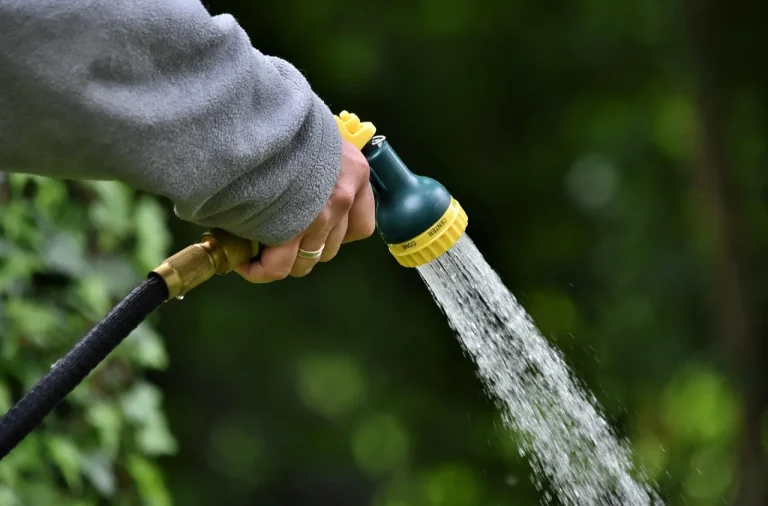
Water only after the potting mix dries to the level that plant needs, not on a fixed weekly schedule. Most houseplants need longer gaps and less water in winter because growth slows. Use room-temperature water, then empty any saucer so roots do not sit in runoff.
- Check the top layer of soil before every watering.
- Water only when the mix is dry to the level that matches the plant type.
- Use enough water to moisten the root zone, then stop when liquid begins to drain.
- Empty the saucer within 10 minutes.
- Reduce both frequency and volume compared with warmer months.
Poinsettias need careful watering, but they can tolerate drier soil than many tropical foliage plants. Cyclamen are commonly kept cool, bright, and only barely moist; avoid soggy soil.
Say your pothos sits in a 6-inch pot near a west window and the top 2 inches are dry. Water once, drain the saucer, then wait until the soil dries again instead of reaching for a calendar reminder.
How much light do houseplants need in winter?
Give each plant the brightest spot it can handle. South-facing windows are often the strongest in winter, while east- and west-facing windows are commonly considered medium-light locations. Rotate pots a quarter-turn each time you water so one side does not lean toward the glass.
- Move high-light plants to the brightest window available.
- Place medium-light plants at east or west windows.
- Keep low-light plants in bright indirect light, or use a grow light if the room stays dim.
- Rotate pots a quarter-turn every watering.
- Move a plant farther from the glass only if the window is too cold, not because winter light is “strong enough” on its own.
A grow light can help when daylight is too short, especially in rooms with north exposure or heavy shade from nearby buildings. It is a backup, not a requirement for every plant.
How do I increase humidity for houseplants in winter?
Use humidity support only where dry indoor air is actually causing stress. A humidifier is often the most effective choice for humidifying a whole room. Pebble trays help a little around one plant group, while grouping plants together slows moisture loss. Misting is unlikely to raise humidity for long.
- Run a humidifier in the driest room.
- Group moisture-loving plants together to slow drying.
- Set pots on a pebble tray with water below the pot base.
- Move humidity-hungry plants to a bathroom or kitchen if light is still adequate.
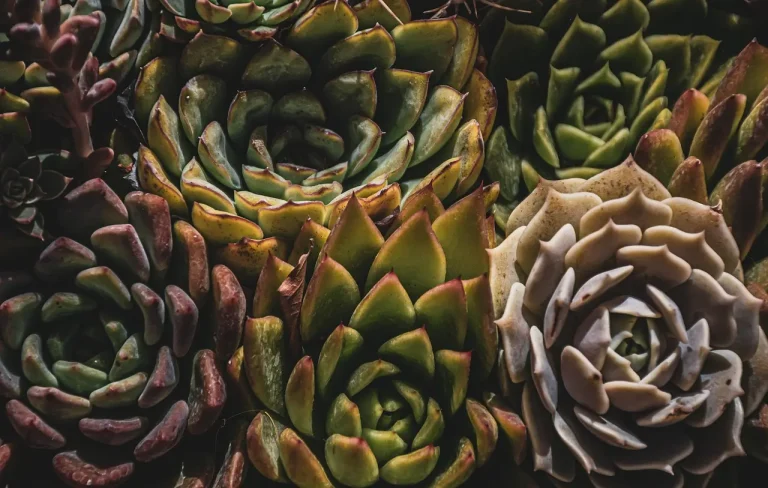
For a fern in a heated living room, a humidifier often works better than misting. For a single succulent on a shelf, humidity usually is not the problem.
How do you adjust watering in winter?
The fastest winter fix is usually less water, not more. Slow growth means roots use moisture more slowly, so overwatering becomes more likely. Check soil dryness before each watering, and use a smaller amount per session if the potting mix tends to stay damp.
- Inspect the soil before watering every plant.
- Delay watering if the top layer is still moist.
- Give the smallest amount that fully wets the root zone.
- Remove standing water from saucers after each watering.
- For cyclamen, keep the mix moist but never soggy.
Suppose a cyclamen in a cool bedroom has limp stems and the compost feels dry. Water at the rim, let the pot drain fully, and avoid soaking the crown. That is different from a tropical plant that needs a full soak followed by a long dry spell.
How do you keep plants warm without overheating them?
Keep plants away from heating vents, radiators, and fireplaces, and also away from cold drafts from windows and doors. Steady indoor temperatures beat sharp swings. Most houseplants do best around 70° to 75° F during the day and slightly cooler nights around 60° to 65° F.
- Move foliage at least out of direct vent airflow.
- Pull pots back from cold glass if leaves touch the pane.
- Keep plants off ledges that chill at night.
- Do not set plants beside fireplaces or radiators.
If a window is drafty but still the brightest spot, pull the plant back just far enough to stop direct contact with the glass. Light matters, but cold leaf surfaces can still cause damage.
Winter houseplant troubleshooting table
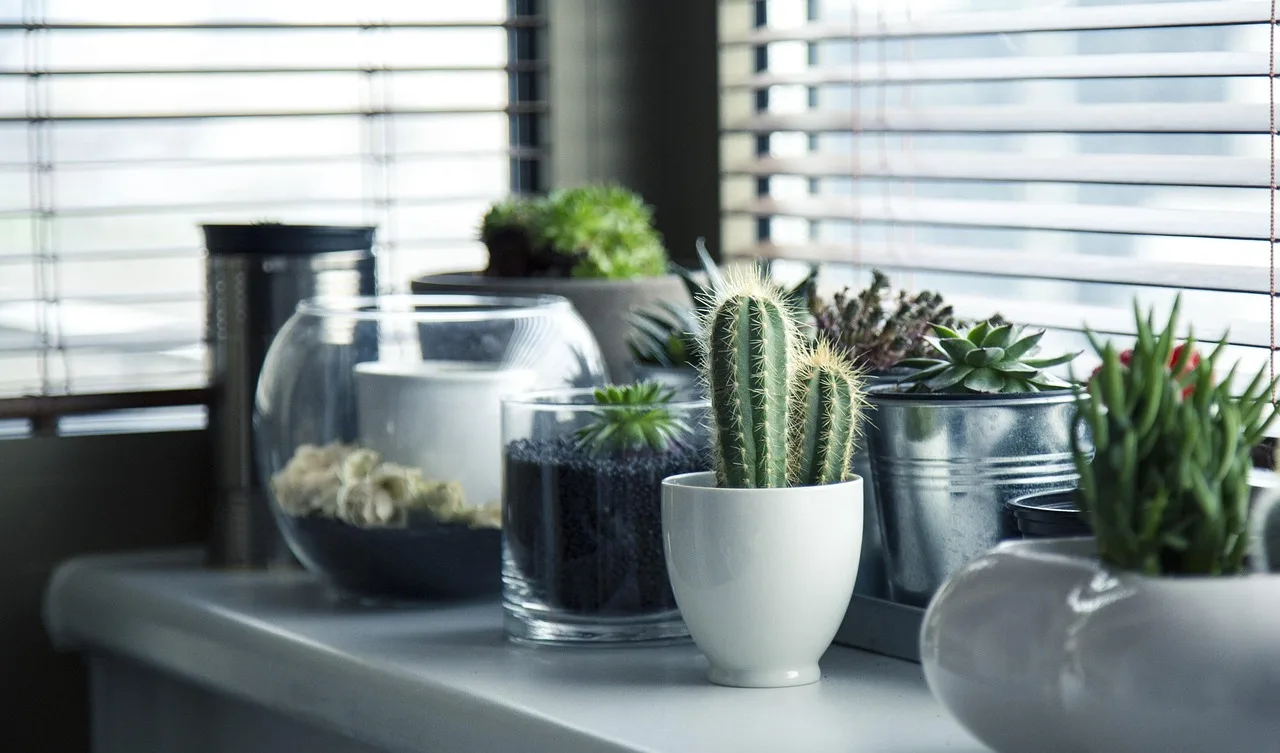
Match the symptom to the likely winter stress, then make the smallest adjustment that fits. The same yellow leaf can come from too much water, too little light, or cold exposure, so look at the whole pattern before changing care again.
| Symptom | Likely cause | Fastest fix | What to avoid |
|---|---|---|---|
| Crispy tips | Dry indoor air, hot vent airflow, or salts from fertilizer | Move the plant away from heat, add a humidifier, and flush the pot with water if fertilizer has built up | Misting as the only fix; keeping it beside a radiator |
| Yellow leaves | Too much water, low light, or cold roots near glass | Check soil dryness, move to brighter light, and keep the pot off cold windowsills | Watering again because the leaf looks dry |
| Legginess | Insufficient light | Move to a south-facing window or add a grow light, then rotate the pot | Leaving it in a dim corner |
| Soil staying wet | Low winter growth plus excess water or poor drainage | Wait longer between waterings, empty saucers, and check that the pot drains freely | Watering on a fixed schedule |
| Leaf drop | Drafts, heat stress, or sudden changes in light | Stabilize temperature and move the plant gradually to brighter light | Shifting it back and forth every few days |
| Stalled growth | Winter dormancy or short days | Hold back fertilizer, increase light, and keep care steady until spring growth begins | Pushing growth with frequent feeding |
Common mistakes
Winter problems usually come from stacking the wrong adjustments together. One extra watering, one drafty spot, or one feed too many can set a plant back for weeks.
- Watering on a fixed schedule: check soil dryness instead.
- Feeding dormant plants too often: pause or reduce fertilizer until new growth starts in spring.
- Leaving pots near vents or cold glass: move them to a steadier spot.
- Using one humidity method for every room: choose a humidifier for dry rooms and pebble trays or grouping for smaller needs.
Prevention is simple: mark the plants that slow down in winter, then check those pots before you water. That one habit catches most seasonal decline early.
Frequently asked questions
How do I keep my houseplants healthy in winter?
Start with the symptom, then change only one thing at a time. Check soil dryness before watering, move plants toward brighter windows, keep them away from vents and drafts, and pause fertilizer until new growth starts again. That sequence solves most winter decline without overcorrecting.
Should I fertilize houseplants during winter?
Usually no, or only very lightly for active growers. Low light and shorter days slow growth, so fertilizer can build up while roots are using less water. Resume regular feeding in spring when you see new leaves, fresh stems, or stronger active growth.
Should I move houseplants away from windows in winter?
Only if the glass is cold enough to chill leaves or the spot has a draft. Bright winter light still matters, so move the pot back just far enough to stop direct cold contact. A plant that likes higher light should stay near the window unless temperature becomes a problem.
How do I care for poinsettias and cyclamen in winter?
Poinsettias need careful watering and should not sit in water, but they can handle drier conditions than many tropical houseplants. Cyclamen prefer cool rooms, bright light, and soil that is dry on top before watering again. Keep cyclamen moist, not soggy, or they decline fast.
Can a grow light help houseplants in winter?
Yes, especially in rooms with weak daylight or short winter exposure. Put the light close enough for the plant type you grow, then keep the daily schedule steady instead of moving it around. Use it to fill up low light, not to replace a bright window for every plant.