Gardening techniques for planting by season: timing guide
Plant cool-season crops several weeks before your last frost, set warm-season transplants out after frost, and direct sow only when soil is warm enough for each crop. Planting too early can stall seedlings, rot seed, or shorten harvests. This guide shows what to plant by month, when to start it indoors, and when to direct sow or transplant by frost date and microclimate.
This guide is part of our Gardening techniques series.
How to time planting by season



Start with your local frost window, then use USDA zone data as a broad regional guide rather than a final planting rule. The USDA Plant Hardiness Zone Map divides the country into zones based on average annual minimum winter temperatures, with subzones that narrow the range further. That helps you judge winter survival, but first and last frost dates still control when most crops can safely go in.
Read your seed packet with your local calendar. A packet may say “direct sow after frost,” but that only works if your soil is warm enough and spring cold snaps are finished. GardeningByZone uses zip code to determine USDA zone and frost dates, and it gives three planting timing milestones: seed starting, transplanting, and direct sowing. That framework is useful because different crops need different methods, not one calendar for all beds.
Start with your first and last frost dates
Your last frost date marks the point when tender crops can usually move outside with much less risk. Your first frost date marks the point when fall harvests and late sowings need protection or a faster finish. Treat both dates as a working window, not a guarantee, because valleys, coastal yards, and city lots can run earlier or later than the nearest weather station.
Use USDA zone data as a regional anchor
USDA zone gives the winter minimum climate frame. Frost dates tell you what happens in spring and fall. That is why two gardens in the same zone can still plant on different weeks. A sheltered courtyard may warm earlier than an open field, while a low pocket of ground can frost sooner than the rest of the block.
Read your seed packet against local conditions
Use the packet for crop type, spacing, and days to harvest. Then check whether the crop is cool-season or warm-season, whether it likes direct sowing, and whether your frost window gives it enough time. A short-season lettuce can fit into an early spring slot, while a long-season pepper often needs indoor starts and a later transplant.
📊 Fresh Harvest Haven says succession planting is every 2-3 weeks. Source: Garden Planning by Season: Your Year-Round Growing Guide.
What should you plant in spring?
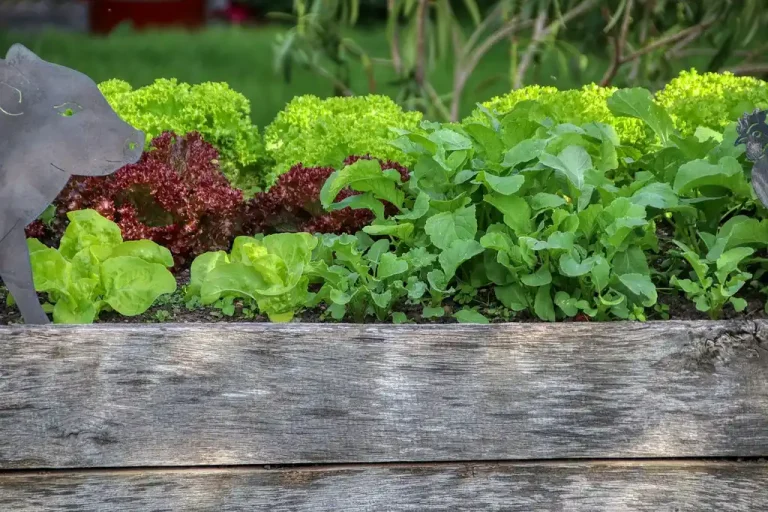
Spring starts with cool-season crops, then shifts to warm-season crops after frost danger passes. Sow peas, kale, lettuce, and broccoli as soon as the soil can be worked, because they tolerate cool nights and can handle light frost. Wait on tomatoes, basil, peppers, and cucumbers until both air and soil are warm enough for active growth.
Cool-season crops to sow early
Cool-season crops are built for early spring and often a fall round too. Peas can go in as soon as the soil is workable. Lettuce and kale can follow in batches. Broccoli is often started indoors and set out early, since it performs best before heat arrives and can bolt when spring turns fast.
When warm-season crops must wait
Warm-season crops need warmer soil and air. Tomatoes, basil, peppers, and cucumbers do poorly in cold ground and can stall if planted too early. A late frost can damage them outright. If the forecast still swings cold, hold transplants and keep hardening them off slowly rather than rushing them into stressed beds.
Spring moves for direct sowing and transplanting
Direct sowing works best for fast crops and many root crops once the soil temperature fits the crop and the frost risk has eased. Transplanting suits long-season crops that need a head start indoors. That split matters: direct sowing saves space, while transplants buy time for crops that would miss harvest if started outside from seed.
Say your spring bed is open on a windy site in USDA zone 6. Lettuce can go in early, but tomato seedlings should wait until nights stay mild and the plants are hardened off. The wind dries young plants fast, so a few extra days under cover can prevent leaf curl and stalled growth.
When should you start seeds indoors versus direct sow outdoors?
Start seeds indoors for long-season crops that need more time than your outdoor window allows, then harden off seedlings before transplanting. Direct sow short-season crops, fast growers, and many roots when soil temperature and frost risk fit the crop. The key decision is not “indoor or outdoor” in general; it is crop length, transplant tolerance, and the length of your season.
Crops that benefit from indoor starts
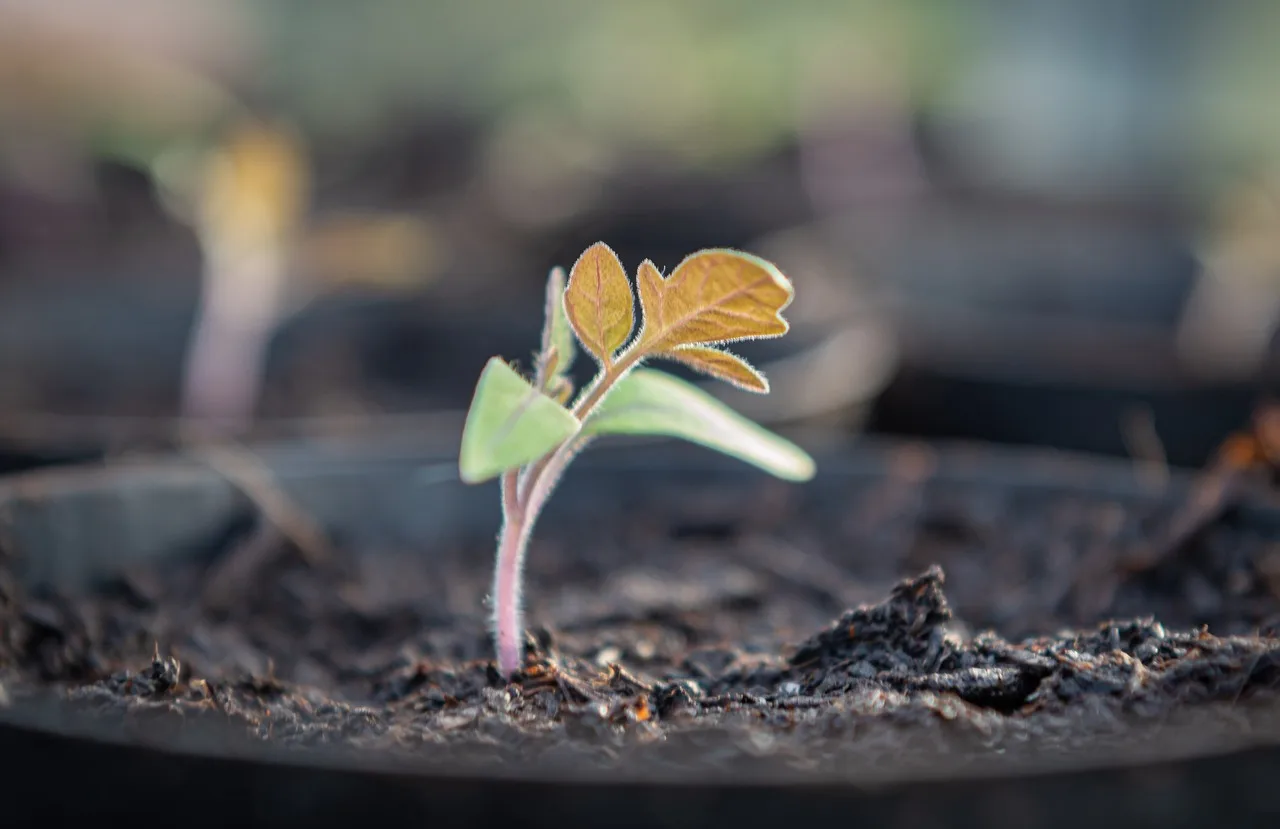
Tomatoes, peppers, and many brassicas often benefit from indoor starts because they need a head start before outdoor planting. Broccoli is a common example, especially where spring heats up quickly. Indoor starts also help when the outdoor bed is still cold, wet, or exposed to hard wind that would slow germination.
Crops that do best when direct sown
Beans, peas, carrots, radishes, beets, and many greens are often better direct sown. Their roots dislike transplant shock, and some sprout best when placed straight into the bed. Direct sowing also fits succession planting well, because you can seed small batches every 2 to 3 weeks for a longer harvest.
How to harden off seedlings before planting out
Hardening off is the shift from indoor light and steady temperatures to outdoor sun, wind, and night swings. Move seedlings outside gradually over several days, starting in shade and sheltered conditions. Do not transplant tender starts into a bright, windy bed all at once. That jump can scorch leaves and slow rooting.
How do summer planting windows change?
Summer changes the rules because heat becomes the main limit. In warm periods, focus on heat-tolerant crops, repeat sowings, and quick turnovers after spring crops finish. Keep beds covered with mulch and water on a steady schedule so seedlings do not stall. For many gardens, summer is less about one big planting day and more about short, timed batches.
Heat-tolerant crops and second sowings
Some crops handle heat better than spring greens do. Basil, cucumbers, and many beans can take off in warm soil once frost danger is gone. Shorter-cycle greens may need shade or a different bed position. In hot regions, morning sun and afternoon shade can matter as much as the date on the calendar.
Succession planting every 2 to 3 weeks
Succession planting means sowing the same crop in small batches every 2 to 3 weeks so harvests do not stop all at once. Fresh Harvest Haven uses that interval, and it works well for lettuce, radishes, beans, and many herbs. This is especially useful after the first planting finishes or bolts in rising heat.
What to do after spring crops finish
When peas or spring lettuce end, do not leave the bed idle. Clear the crop, refresh mulch, and replant with a summer crop or another quick sowing. A common first-timer mistake is waiting for the “right month” instead of swapping the bed quickly enough to catch the next window. That delay costs weeks of harvest.
What should you plant for fall and winter?
Fall is often the easiest season for cool-weather crops because soil is still warm while air temperatures ease down. Sow leafy greens, brassicas, and roots with enough time to size up before the first hard frost. Winter planting is limited in cold areas, but in mild zones it can mean protected greens, slow growth, and careful bed cover.
Fall sowing for cool-season crops
Fall planting favors lettuce, kale, broccoli, peas in some regions, and root crops that finish before deep cold. Cooler nights reduce bolting in greens, and many crops taste better after light frost. Start counting backward from your first frost date so crops have time to germinate and size up.
Using shorter days and cooler soil to your advantage
Shorter days slow bolting in leafy crops. Cooler soil can also improve texture in roots. That does not mean seed will sprout well in any cool bed, though. Direct sow only when the crop can still germinate at your soil temperature, and use row cover or a cloche if cold nights threaten tender starts.
Protecting late crops from early frost
Use row cover, cold frames, or a sheltered bed when frost arrives early. Late greens and brassicas often keep growing under light protection. If a crop is close to harvest, a simple cover can buy enough time to finish it. If it is too small to mature before hard frost, shift to cover crops or mulch instead.
How do microclimates change your planting dates?
Microclimates can shift the practical zone inside the same USDA zone. Urban heat, coastal air, valleys, wind exposure, and shelter from walls or fences all change how fast a bed warms or cools. That means two yards in the same town may need different planting weeks, even if both share the same zone number.
Hot yards, cold pockets, and wind exposure
A hot south-facing yard can dry and warm earlier, which helps warm-season crops but can stress seedlings. A low pocket can hold cold air and frost longer. Wind strips heat and moisture from new transplants, so exposed beds often need later planting or more protection than sheltered ones.
Urban, coastal, and valley effects
City lots often stay warmer at night than open suburban plots. Coastal areas can have gentler temperature swings but more wind and cooler summers. Valleys can trap cold air, which pushes frost risk later into spring and earlier into fall. Those shifts can move a crop by a week or more inside one zone.
When to shift dates inside the same USDA zone
Shift earlier only when your site is truly warmer and protected, and shift later when frost pools, wind is severe, or spring soil stays cold. If a sheltered bed is already warm and dry, direct sowing may begin sooner there than in the rest of the yard. If a corner keeps frost longer, wait.
Suppose a North Florida bed sits against a warm brick wall while the rest of the yard stays open and windy. Tomatoes may transplant earlier near the wall, but a lettuce row in the open bed may still do better a week later with shade cloth and wind protection.
How do I handle planting schedules across different USDA zones?
Use your USDA zone to estimate winter stress, then move outward to frost dates and crop type. GardeningByZone’s zone lookup and frost-date timing can help you get started, but planting still depends on local conditions and the crop itself. Zones are broad. Frost windows and microclimates are the fine filter.
North, Central, and South timing patterns
As a rule, northern areas have shorter warm seasons and need more indoor starts for long-season crops. Central areas often balance both cool-season and warm-season rounds. Southern areas may plant cool-season crops in fall, winter, and very early spring, then switch fast to heat-tolerant crops once temperatures rise.
Florida-specific regional notes
Florida has separate North, Central, and South editions of its gardening calendar, and that split matters because the state spans very different temperatures. The Florida Gardening Calendar is organized by month, which makes it easier to line up planting and cleanup tasks through the year. In South Florida, winter can often be a good planting time for cool-weather crops. (sfyl.ifas.ufl.edu)
Regional calendar use without losing the workflow
Regional calendars are useful when they name crops and months, but they work best when you translate them into a repeat process: frost date, crop group, method, then timing adjustment. That lets you swap one crop out and another in without treating each month as a separate rulebook.
Season-by-season planting decision table
Use this table as a planning tool, not a fixed schedule. Match the crop group to your frost window, then choose direct sowing, indoor starts, or transplanting based on crop behavior and local weather.
| Crop group | Start method | Frost sensitivity | Best planting window | Regional notes |
|---|---|---|---|---|
| Peas | Direct sow | Handles light frost | Early spring, late fall in mild areas | Cool soil is fine; hot weather shortens harvest |
| Lettuce | Direct sow or transplant | Cool-season tolerant | Early spring, fall | Succession sow for steady picking |
| Kale | Direct sow or transplant | Very frost tolerant | Early spring, fall, winter in mild zones | Improves after cool nights |
| Broccoli | Start indoors, then transplant | Moderate frost tolerance as young plants | Early spring or late summer for fall crops | Heat can trigger poor heads |
| Tomatoes | Start indoors, then transplant | Very frost sensitive | After last frost | Wait for warm nights and warm soil |
| Basil | Start indoors or direct sow late | Very frost sensitive | Late spring through summer | Needs warm conditions to move fast |
| Peppers | Start indoors, then transplant | Very frost sensitive | After last frost, once nights are mild | Slow in cold soil |
| Cucumbers | Direct sow or transplant young starts | Very frost sensitive | After frost danger passes | Warm soil speeds germination and growth |
| Carrots and beets | Direct sow | Moderate frost tolerance | Early spring, late summer, fall | Root shape suffers from transplanting |
| Beans | Direct sow | Very frost sensitive | After frost, through warm season | Best in warm soil |
How often should I succession plant through the season?
Succession plant every 2 to 3 weeks for crops that finish fast or lose quality in heat, like lettuce, radishes, beans, and some herbs. That interval keeps harvests rolling without crowding the bed. In long, mild seasons, shorten the gap if growth is fast; in cool weather, stretch it a little if germination slows.
- Check your first and last frost dates.
- Label beds by crop group: cool-season, warm-season, or root crop.
- Choose direct sowing, indoor starts, or transplants for each crop.
- Set a repeat sowing date every 2 to 3 weeks where harvest windows are short.
- Adjust for heat, cold pockets, wind, and shelter before planting.
- After harvest, replace finished crops quickly with the next crop group.
Checklist for hot, cold, windy, or frost-prone beds
- Hot yards: shift leafy greens to cooler spots, mulch heavily, and sow earlier in the day.
- Cold pockets: wait for soil to warm, use low covers, and delay warm-season transplants.
- Windy sites: harden off longer, stake transplants early, and avoid tiny seedlings on exposed edges.
- Frost-prone beds: keep covers ready, plant later than the main yard, and avoid tender crops near the first frost date.
What do I plant after cool-season crops finish?
After cool-season crops finish, replace them with warm-season crops if frost has passed, or with a second round of quick cool-season sowings if fall is near. The bed should never sit empty unless you are amending soil or preventing disease. Each finished crop is a chance to keep the bed productive.
A common first-timer mistake is leaving an early lettuce bed bare until midsummer. By the time the bed is ready again, the easiest window has already passed. Swap in beans, cucumbers, basil, or another crop that matches the new season and the remaining frost window.
Frequently asked questions
When should I plant each crop by season in my area?
Start with your frost dates, then sort crops by group. Cool-season crops go in early spring and again in fall. Warm-season crops wait until after frost. If your area has a long warm season, you can also add summer succession sowings. Microclimate often changes the exact week.
How do I know my last frost date before planting?
Use a local frost-date lookup tied to your zip code, then compare it with nearby gardeners’ schedules and your site’s cold spots. The date is a guide, not a promise. A sheltered yard may warm sooner, while a valley or open field can frost later than the nearest town.
What should I start indoors versus direct sow outdoors?
Start long-season, frost-sensitive crops indoors, especially tomatoes, peppers, and many brassicas. Direct sow crops that dislike root disturbance or germinate best in place, such as carrots, beets, peas, beans, and radishes. The right choice depends on crop length, soil temperature, and transplant tolerance.
Which crops should I plant in spring, summer, fall, and winter?
Spring favors peas, lettuce, kale, and early broccoli, followed by tomatoes, basil, peppers, and cucumbers after frost. Summer favors heat-tolerant crops and repeat sowings. Fall brings another round of greens, brassicas, and roots. Winter planting is mostly for mild climates and protected beds.
How do I handle planting schedules across different USDA zones?
Use the zone map for winter minimums, then shift by frost date and crop type. Northern zones need more indoor starts and shorter windows. Southern zones can plant cool-weather crops later in the year and often get a longer fall season. Local heat, wind, and shelter still change the plan.
How do I adjust planting dates for North, Central, or South Florida?
Use Florida’s separate North, Central, and South calendars as the starting point, then follow the month-by-month guide for your region. North Florida often resembles a shorter-season garden, while South Florida can plant many cool-season crops in winter. Heat, rain, and humidity can shift crop timing fast.