Gardening techniques for beginners: where to start at home
Start with a small bed or a few 5-gallon pots, test the soil once, and plant only a few easy crops such as bush beans, lettuce, and radishes. Doing more at once usually means weak plants, poor drainage, and money spent on tools you will not need. This guide lays out the first-garden order of operations, from choosing the spot and checking soil to buying the few supplies that matter.
Where do I start with gardening?


Start with one small space, one simple setup, and one short crop list. A first garden works best with clear limits, because beginners learn faster from a tiny, manageable patch than from a full-yard project that eats more time, water, and money than expected.
Pick one small goal for your first season
The easiest goal is a “minimum viable garden”: one bed, a few pots, or one small in-ground plot that can be watered and weeded without changing your whole week. BBC Gardeners’ World suggests starting a new veg patch little by little instead of all at once, and that advice matches what I have seen work.
Good first goals stay plain. Grow salad greens for a few weeks. Try one bed of beans. Learn how often the soil dries out. A first season is for learning your site, not proving you can feed the whole household.
Choose a simple first crop list
Start with forgiving crops that move quickly from planting to harvest. Easy crops for beginners include lettuce, green beans, radishes, tomatoes, zucchini, and peppers. Leafy greens and fast growers are the safest place to begin, especially when the planting date matches your local frost dates.
Set a limit for time, space, and budget
Before buying anything, decide how much time you can spend each week and how much money you want to risk on the first round. That limit keeps the project from turning into an expensive hobby before the first seed sprouts.
- Time: enough for watering, weeding, and checking plants a few times each week.
- Space: one bed, a small plot, or a few containers.
- Budget: only the tools and supplies needed for the chosen setup.
According to How to Start a Vegetable Garden (Beginner’s Guide) – The Old… — Beginner vegetable gardens should get at least 6 to 8 hours of direct sunlight daily.
How do I choose a good spot for my first garden?
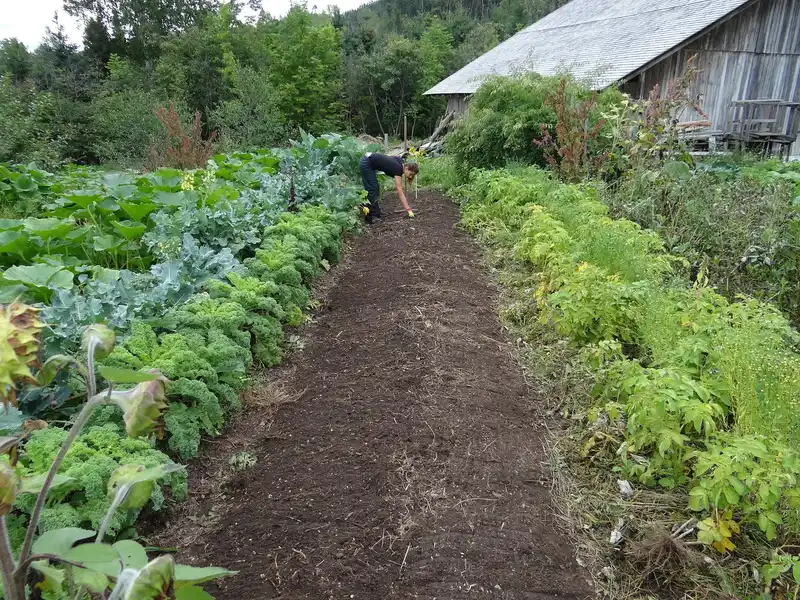
Choose a spot with strong sun, decent drainage, easy water access, and some shelter from wind. For many vegetables, 6 to 8 hours of direct sun daily is the starting point. If a site is shaded, puddles after rain, or sits far from a hose, a beginner’s first season gets harder fast.
Check sun, drainage, and wind
Sun comes first. Many vegetables need 6 to 8 hours of direct sunlight, so watch the area through the day instead of guessing. If nearby trees, fences, or buildings cast long shade, the site may not suit fruiting crops like tomatoes and peppers.
Drainage matters just as much. A beginner garden should drain well to avoid root rot. After rain, check whether water disappears or sits in puddles. The Almanac recommends choosing a spot sheltered from strong winds, since wind can dry soil, bend young plants, and make watering less effective.
Look for easy access to water and daily care
Pick a place you can reach easily with a watering can or hose. The best beginner site is the one that gets checked often. If the bed is awkward to reach, watering gets skipped, weeds get larger, and harvests are missed.
Daily access also matters for harvesting. A garden right outside a door is easier to keep on track than one at the edge of a yard.
Spot the common problems: shade, puddling, and awkward distance
The first-season failure cases are predictable. Too much shade leads to weak growth. Poor drainage leads to sick roots. A site that is far away gets ignored. If all three are present, move before planting.
| Site check | Good sign | Problem sign |
|---|---|---|
| Sun | 6 to 8 hours of direct light | Heavy shade for most of the day |
| Drainage | Soil drains after rain | Water pools or stays muddy |
| Wind | Some shelter from strong wind | Wide-open exposure |
| Access | Easy to water, weed, and harvest | Hard to reach from the house |
Should I start with raised beds, in-ground beds, or containers?
The best setup depends on budget, mobility, space, and how much soil improvement is needed. Raised beds suit beginners who want a defined space. In-ground beds can be simpler and cheaper if the soil is decent. Containers work well when space is tight or mobility is limited.
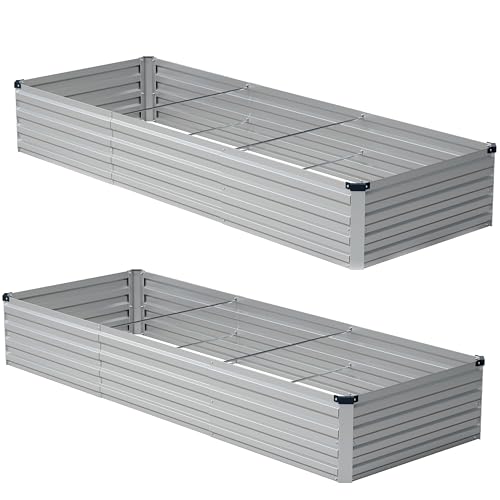
When a raised bed makes the most sense
A raised bed is beginner-friendly when the existing ground is poor, wet, compacted, or hard to dig. A 4×4 or 4×8 raised bed is a solid starting size. It limits the initial scope, helps with drainage, and makes it easier to manage a first garden without spreading into too much area.
When in-ground planting is the simpler route
An in-ground beginner plot can be about 10×10 feet. That route makes sense when the soil already drains well and the site gets good sun. It usually costs less up front, but it does require more attention to soil improvement and weed control.
When containers are the best beginner choice
Containers are the easiest way to start when the ground is unusable, the space is a patio or balcony, or the gardener wants a very small trial run. A few 5-gallon pots can teach the basics quickly. They also make watering more obvious, which helps beginners learn plant needs faster.
| Setup type | Best for | Watch for |
|---|---|---|
| Raised bed | Defined, beginner-friendly start | Need to fill and water it well |
| In-ground bed | Good soil and lower startup cost | More weeds and more digging |
| Container | Small spaces and limited mobility | Drying out faster than ground soil |
What should I do before I plant anything?
Do a soil test, mix in compost or other organic matter, and decide whether mulch belongs in the plan. Soil testing checks nutrient levels and pH before planting, which helps match crops to conditions. Compost improves soil structure and fertility, and mulch helps hold moisture and reduce weeds.
Order or do a soil test
A soil test is the first real decision tool. It tells a beginner what the soil already has, what it lacks, and whether the pH is in a workable range. That is better than guessing and adding random amendments after plants are already in the ground.
Work in compost or organic matter
Compost or other organic matter should be mixed into the soil before planting. That step improves soil structure and fertility. In a raised bed, it helps create a better start in a controlled space. In an in-ground bed, it helps loosen and feed tired soil.
Decide whether you need mulch before planting
Mulch is a simple early move if weeds or fast drying are likely. It helps retain moisture, reduces weeds, and supports beds and borders. Put it on after planting and watering, not before seeds have a chance to sprout through.
What tools do I need to begin?
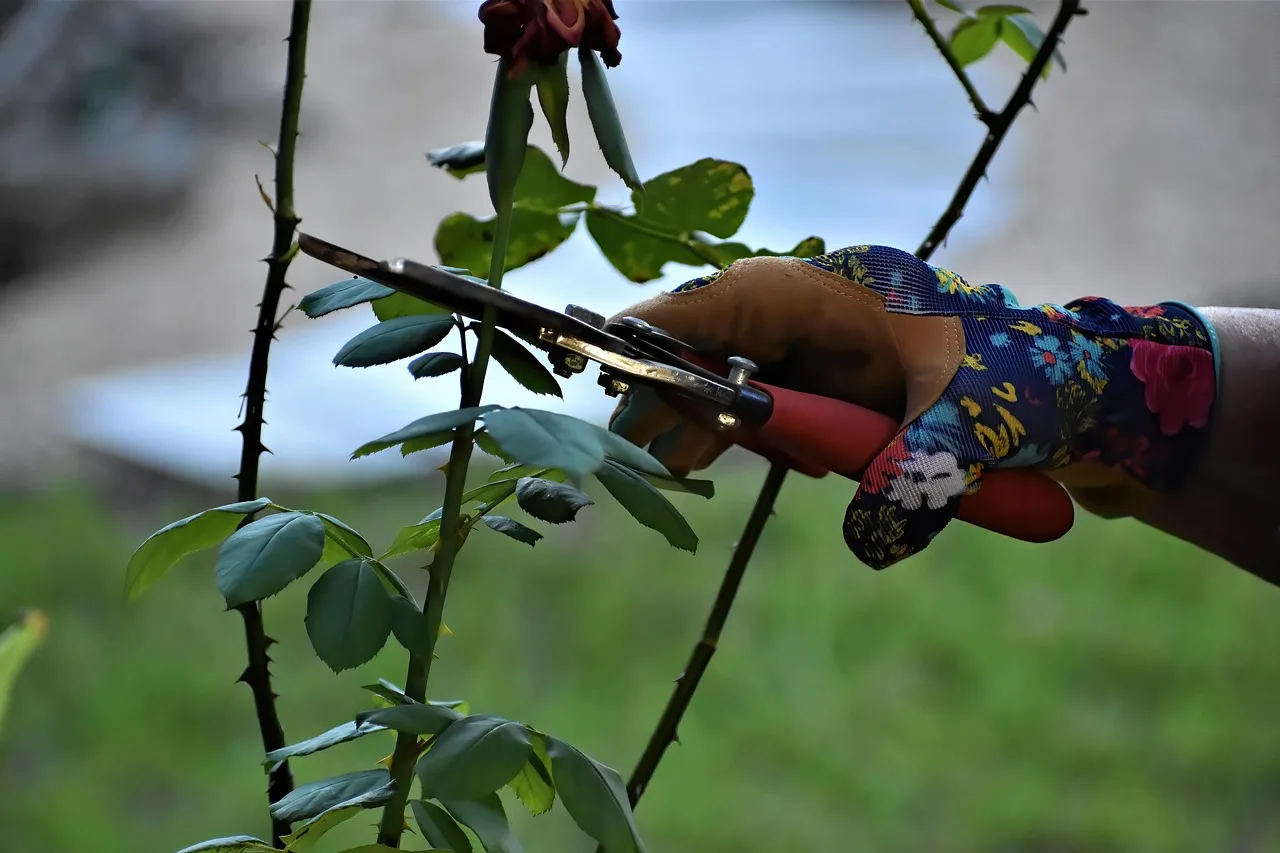
Begin with five basics and stop there until the garden proves it needs more. A beginner toolkit includes a trowel, hand pruners, a watering can or hose, garden gloves, and a garden fork or spade. That is enough to plant, water, trim, and keep the first patch under control.
The five basics every beginner can use
- Trowel for digging small holes and transplanting seedlings.
- Hand pruners for trimming spent growth and harvesting.
- Watering can or hose for regular watering.
- Garden gloves for protection and grip.
- Garden fork or spade for loosening soil and mixing in compost.
What to skip for now
Skip specialty tools until a clear need appears. A first garden does not need a long rack of gadgets, and Garden Design’s broad tool lists are more useful later, after the basic setup is working. Start with tools that solve the daily jobs only.
How to keep the first shopping list small
If an item does not help with planting, watering, weeding, or harvesting, leave it off the list. That keeps the starter budget under control and avoids buying gear that sits unused in a shed.
What are the easiest plants for beginner gardeners?
The easiest plants are forgiving crops that grow fast, show problems early, and match the season. For a first year, reliable leafy greens and quick growers are the safest choices. The best picks are the ones that fit your frost dates and your setup, not the fanciest crop on the seed rack.
Reliable leafy greens and fast growers
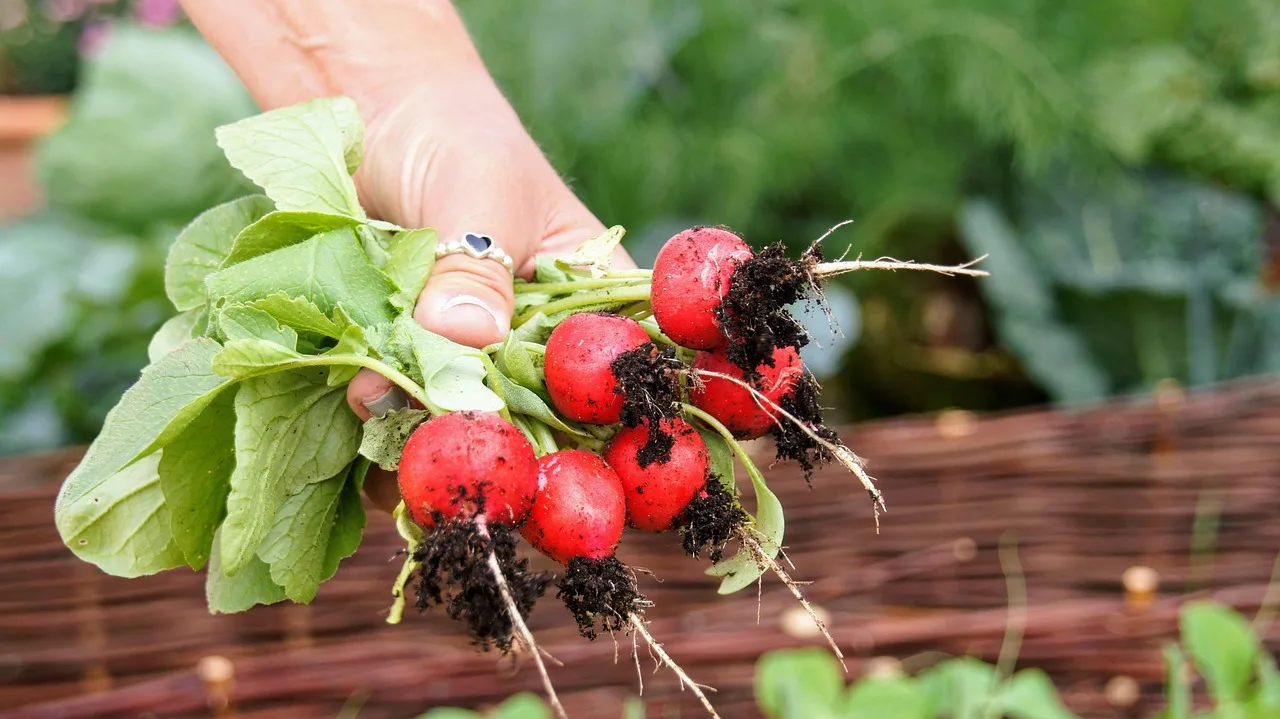
Leaf lettuce and radishes are often good first crops because they mature quickly and let you practice planting, watering, and harvesting without a long wait. Green beans are another good option. If the garden space and season allow, tomatoes, zucchini, and peppers can work, but they are less forgiving than greens.
What to avoid in year one
Avoid crops that need a long season, special support, or exact timing unless the site and climate clearly fit them. Year one is not the time for a large crop list. It is the time to learn how your garden dries, how fast weeds return, and which plants actually suit the spot.
Match crops to your frost dates
Use local frost dates before choosing warm-season crops. Cool-season greens can go in earlier, while tomatoes, peppers, beans, and zucchini need safer weather. Timing is what separates a promising seed packet from a failed planting.
How do I use frost dates to time planting?
Use your local frost dates as planning markers. The last spring frost date helps you avoid planting heat-loving crops too early. The first fall frost date tells you when the season is ending and when quick crops need to be finished or started.
Find your last spring frost date
Your last spring frost date is the point after which tender crops are safer to plant. Warm-season plants such as tomatoes and peppers should wait until that window is near or past, unless you are transplanting under protection.
Find your first fall frost date
Your first fall frost date matters for late crops and repeat sowings. Fast crops like radishes and lettuce can often fit into the time before that date, which makes them useful for beginners learning how to read a season.
Use those dates to set planting windows
Plant cool-season crops earlier and warm-season crops later. Then look at the seed packet or transplant label for the plant-specific timing. That extra step keeps the schedule grounded in real conditions instead of hopeful guesswork.
First garden setup worksheet
Use this one-page worksheet before buying supplies. It narrows the choice to one site, one setup, and one starter list. That is the simplest way to avoid overcommitting.
Site checklist
- Sun: at least 6 to 8 hours of direct light for many vegetables
- Drainage: soil does not stay soggy after rain
- Wind: some shelter from strong wind
- Access: close enough for watering, weeding, and harvesting
- Space: room for one small bed, plot, or container group
3-option setup selector
- Raised bed: choose this if you want a defined, beginner-friendly start and better drainage. A 4×4 or 4×8 bed is the best starting size.
- In-ground bed: choose this if the site already has good soil and drainage and you want lower startup cost.
- Containers: choose this if you have a patio, balcony, or limited mobility, or if you want the smallest possible first test.
10-item starter shopping list
- Garden trowel
- Hand pruners
- Watering can or hose
- Garden gloves
- Garden fork or spade
- Compost or other organic matter
- Mulch
- Soil test kit or soil test submission materials
- Seed packets or transplants for one short crop list
- Plant labels or a simple notebook for dates
First-month action plan
- Week 1: choose the site, confirm sun, and check drainage after rain.
- Week 1: order or complete the soil test.
- Week 2: decide on raised bed, in-ground, or containers.
- Week 2: mix in compost or organic matter.
- Week 3: buy only the listed tools and the chosen crops.
- Week 3: confirm last spring frost date and first fall frost date.
- Week 4: plant the first crop list and water deeply at the root ball.
- Week 4: apply mulch after planting, then check the garden on a routine.
How do I avoid common beginner gardening mistakes?
Avoid starting too large, planting in too much shade, ignoring drainage, and buying more tools than you need. The biggest beginner problem is usually overcommitment. The second is planting before checking whether the site can actually support the crop list.
Watch for the first-season failure cases
Poor drainage, deep shade, and a garden that is too far from the house are the most common setup mistakes. Another common issue is watering too lightly. BBC Gardeners’ World suggests soaking the rootball every week rather than giving frequent light watering, and BBC advice says to water the root ball rather than the leaves.
Keep care simple
Water regularly, but do not overwater. Feed plants on a simple schedule if they need it, and follow plant-specific instructions before adding anything else. Mulch helps reduce the amount of watering and weeding needed between checks.
Frequently asked questions
Where do I start with gardening as a beginner?
Start with one small space, a soil test, and a short list of easy crops. Choose a setup you can actually maintain, then stick to it for the first season. A small start teaches watering, timing, and harvest habits without turning the project into a burden.
What should I do first when starting a garden?
The first step is picking the site. Check sun, drainage, wind, and access before buying plants. Once the site makes sense, test the soil, add compost or organic matter, and choose the simplest setup that fits your space and budget.
How do I choose a good spot for my first garden?
Choose the sunniest practical place, ideally with 6 to 8 hours of direct light for many vegetables. Make sure water is easy to reach, the soil drains well, and the space is sheltered from strong wind. If the area stays shaded or wet, keep looking.
How much sun does a beginner garden need?
Beginner vegetable gardens should get at least 6 to 8 hours of direct sunlight daily. Leafy crops can tolerate a little less than fruiting crops, but a sunny site gives the easiest first season. If sun is weak, choose containers or crops that fit the light available.
Should I start with raised beds, in-ground beds, or containers?
Raised beds are often the easiest beginner choice when the ground is poor or drainage is a concern. In-ground beds are simpler if the soil is already decent. Containers are best when space is tight or mobility is a factor. Choose the setup you can water and maintain consistently.
What are the easiest plants for beginner gardeners?
Leaf lettuce, radishes, and green beans are strong first choices because they are forgiving and fast. Tomatoes, zucchini, and peppers can work too, but they need better timing and more care. Match every crop to your frost dates before planting.