Botanical Garden Plant Combinations That Look Good Together
Start with light, water, and soil needs. Then pair 1 bold form with 2 supporting forms, and stagger bloom times. Poor matches thin out unevenly, look busy, and waste space and water. This guide gives repeatable pairing rules for foliage, flower color, texture, and seasonal sequence in botanical-garden-style beds and containers.
Matching light, soil, and size for durable beds


Good garden-bed pairings start with shared light and water needs, then add contrast that reads clearly from a path. The most reliable combinations also match growth rate and mature spread, so one plant does not crowd the others in the first season.
Start with site-specific pairing
Use the same light needs in one bed. Full sun plants belong with full sun plants, partial shade with partial shade, and shade with shade. That filter prevents thin growth, scorched leaves, and uneven flowering before you choose a color palette.
Next, match soil moisture and drainage. Plants that want moist, well-draining soil should sit with others that want the same irrigation rhythm. Plants with dry-site habits, including drought-tolerant selections, need a different zone or a different bed edge.
Layer contrast after the basics
Once the site match is right, use one strong contrast at a time. Pair fine texture with a broad leaf. Combine an upright plant with a mounded one. Add a small accent flower or silver foliage to keep the grouping readable near labels and viewing edges.
Say your bed includes a roughly 4-foot-wide run beside a path. A compact upright plant at the back, a mounded middle layer, and a low edging plant at the front will read cleanly without blocking tags or forcing you to reach through dense growth.
Check mature size and growth rate
Attractive pairings fail when one partner outgrows the other. Fast growers can shade out slower ones, and aggressive spreaders can cover slower mounds. Check mature height, spread, and seasonal habit before planting, then leave enough space for the adult outline.
How do I combine plants with similar needs?
Combine plants by grouping light exposure first, then drainage and moisture level, then bloom window. A simple rule works well: if the pair would need different irrigation or different exposure later, it does not belong in the same planting block.
Full sun pairings
Full sun combinations work best where the soil drains well and the planting area gets direct light for most of the day. Roses and lavender fit that brief because both need full sun and well-draining soil. Coneflower and black-eyed Susan also fit full-sun, well-draining sites, and both bloom from summer to fall.
Partial shade pairings
Partial shade beds need plants that tolerate filtered light and steady moisture. Coral bells and hostas are a dependable match for partial shade and moist, well-draining soil. The pairing works because the leaf shapes differ enough to keep the bed active even when bloom is limited.
Shade pairings
Shade combinations should rely on foliage as much as flowers. Hellebore and ferns are commonly suited to shade with moist, well-draining soil rich in organic matter. The broad, repeating fronds of the fern offset the cleaner flower form of hellebore without creating a crowded look.
Moist soil versus well-draining soil
Moist soil does not mean soggy soil, and well-draining soil does not mean dry soil. The best pairings sit in the same middle ground, where roots can take up water without staying saturated. That matters more in containers, where drainage patterns are faster and less forgiving.
- Sort plants by light first: full sun, partial shade, or shade.
- Group plants by moisture level: moist soil, well-draining soil, or drought tolerance.
- Check mature height and spread for each plant in the pair.
- A common guideline is to choose one main contrast in color, texture, or form.
- Stagger bloom timing so the planting stays active across seasons.
- Leave room for airflow, label visibility, and access for maintenance.
Use contrast without losing cohesion
Contrast works when it supports a common palette rather than fighting it. Pick one or two repeating colors, then add a restrained accent. The same idea applies to texture and form: one bold element needs quieter partners, not more loud ones.
Color echoing and complementary colors
Color echoing means repeating a hue in more than one place so the bed feels connected. Complementary colors can work too, but use them in measured amounts. A warm flower can stand out against cool foliage, while a silver leaf can calm a bright bloom nearby.
Fine foliage against bold leaves
Fine foliage reads airy from a distance, which helps label-heavy beds stay open and easy to scan. Bold leaves create mass and anchor the composition. When you pair the two, make sure the finer plant is not hidden behind the broader one at maturity.
Upright, mounded, and trailing forms
Plant form gives the eye a route through the bed. Upright or spiky plants establish vertical structure. Mounded plants fill the center. Trailing plants soften the edge. That pattern also works in containers, where height, fill, and spill need clear roles.
Suppose a sunny border has an upright flowering plant, a rounded foliage plant, and a low trailer at the edge. The trio reads clearly from 10 feet away, but only if the tallest plant does not lean into the middle layer and blur the outline.
What are good plant combinations for shade gardens?
Shade gardens work best when foliage carries the design and flowers act as accents. Choose plants with matching moisture needs, then rely on leaf shape, leaf size, and seasonal texture changes to keep the bed active when direct bloom is limited.
Foliage-led shade pairings
Hellebore and ferns are a solid shade pairing because they share moist, well-draining soil rich in organic matter. Coral bells and hostas also work in partial shade with moist, well-draining soil. Both combinations depend on leaf contrast more than high flower count.
Flowers that carry the bed in low light
In low light, a few clear bloom moments can do a lot. Hellebore gives winter or late-winter interest in many gardens, while coral bells can add flower stems above their foliage. Keep the flower colors simple enough that the leaves still dominate the display.
What to avoid in shade
Avoid mixing shade lovers with plants that need stronger sun. Avoid combining moisture-hungry roots with dry-site plants in the same pocket. Also avoid dense, broad-leaved plants that block the lower layer completely, because shade beds already have limited light and less visual depth.
What are good plant combinations for full sun?
Full sun combinations should tolerate direct light, heat, and faster drying at the soil surface. The best ones also use bloom timing well, so the bed does not peak all at once and then go quiet. Drought tolerance helps, but only when the whole pair shares that trait.
Drought-tolerant pairings
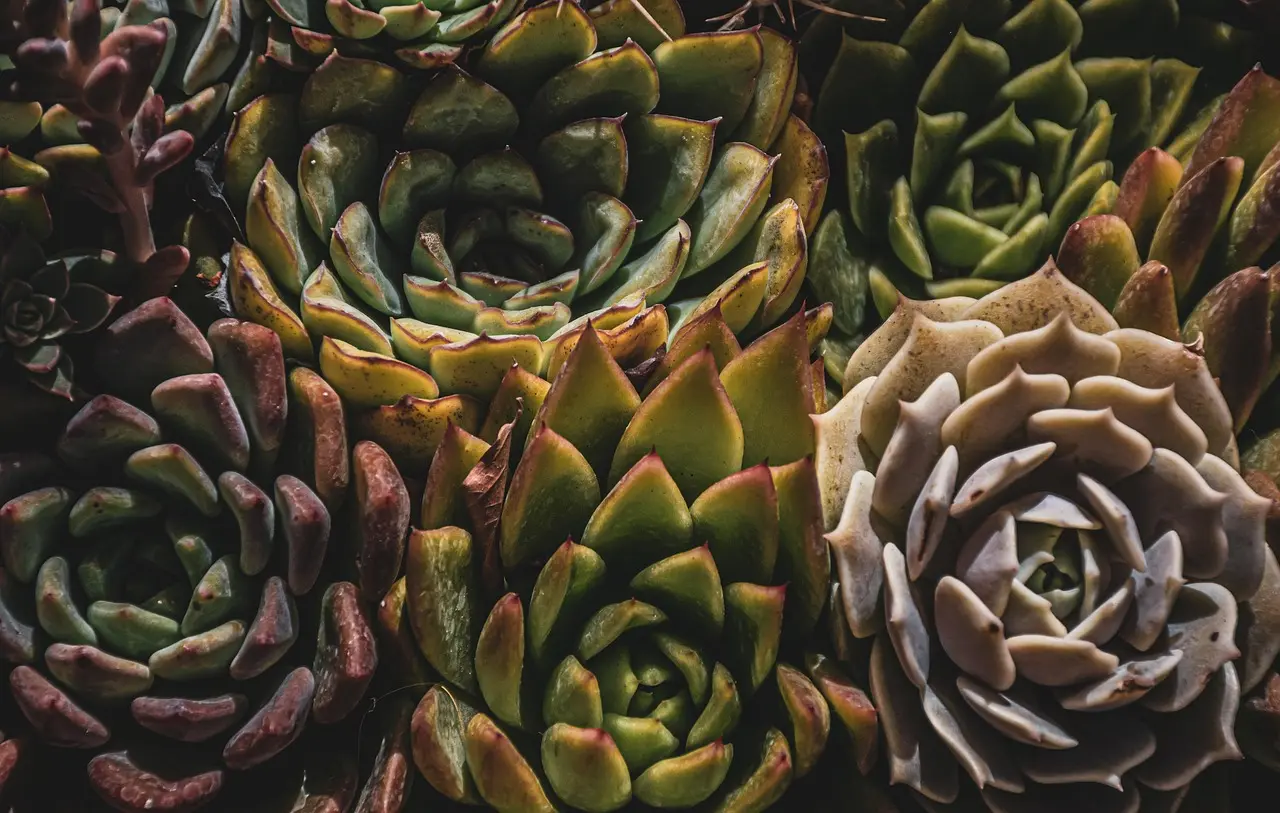
Sedum and ornamental grasses are useful full-sun choices because both handle drought well. Juniper and creeping thyme are another full-sun, well-draining-soil match. These pairings work because they share a low-water routine and keep a clear, durable outline through the season.
Warm color palettes for sunny beds
Warm palettes fit sunny sites well because they hold up visually against strong light. Coneflower and black-eyed Susan offer that effect, especially when repeated in clumps rather than scattered one by one. A small silver-foliage accent can cool the composition without breaking it apart.
Pollinator-friendly choices for open sites
Bee balm and garden phlox are often described as native perennials that attract pollinators. In open sites, nectar-rich flowers like these support bees, butterflies, and beneficial insects while still giving the bed a strong color rhythm. Put them where the blooms are easy to see and reach.
Plant pairing matrix
This table gives a repeatable way to build combinations from an existing plant palette. Read it by light and moisture first, then use the seasonal peak, visual effect, and failure mode columns before planting. Match the maintenance note to your routine.
| Pairing name | Recommended setting | Why it works | What to avoid | Maintenance note | Light | Moisture | Seasonal peak | Visual effect | Common failure mode |
|---|---|---|---|---|---|---|---|---|---|
| Roses + lavender | Sunny border with quick drainage | Shared full sun and well-draining soil keep growth even and bloom strong | Heavy clay without drainage improvement | Prune for airflow and keep watering consistent at the root zone | Full sun | Well-draining soil | Summer | Soft color echoing with spiky form contrast | Root stress from soggy soil |
| Coneflower + black-eyed Susan | Open bed with direct sun | Both are full-sun, well-draining-soil plants with summer-to-fall bloom overlap | Shaded corners and crowded spacing | Deadhead if you want a longer bloom run | Full sun | Well-draining soil | Summer to fall | Warm common palette with repeated daisy form | Stretching and fewer blooms in shade |
| Hellebore + ferns | Dry shade edge with organic matter | Both suit shade and moist, well-draining soil rich in organic matter | Hot afternoon sun | Refresh mulch and remove damaged fern fronds | Shade | Moist, well-draining soil | Winter to spring | Bold foliage against finer fronds | Leaf scorch from too much sun |
| Coral bells + hostas | Partial shade border | Both prefer partial shade and moist, well-draining soil | Dry, exposed sites | Watch for slugs and keep soil evenly moist | Partial shade | Moist, well-draining soil | Late spring to summer | Leaf size contrast with a steady foliage base | Scorched leaf edges if soil dries too fast |
| Sedum + ornamental grasses | Dry, sunny drift | Both are drought-tolerant and hold structure in full sun | Rich, water-heavy soil | Cut back grasses at the right season and avoid overwatering | Full sun | Drought tolerant | Late summer to fall | Fine grass texture beside fleshy foliage | Flopping from too much fertility |
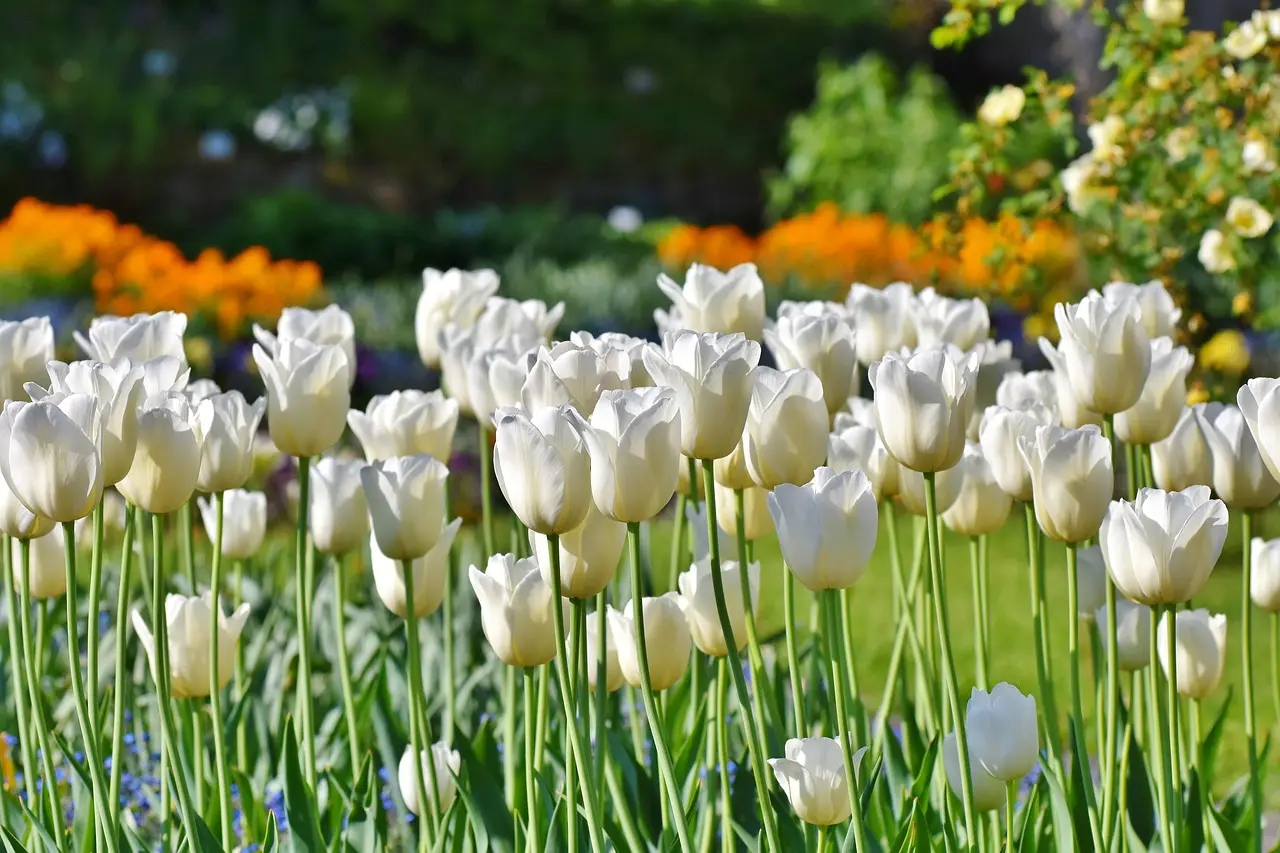
| Tulips + grape hyacinths | Spring display in sun or bright part shade | Both bloom in early to mid-spring for a short, coordinated peak | Summer-only planning | Plant bulbs in groups for stronger color blocks | Sun to part shade | Well-draining soil | Early to mid-spring | Layered spring color with similar stature | Gaps after bloom if no later plants follow |
| Bee balm + garden phlox | Pollinator bed with steady moisture | Both are native perennials that attract pollinators and extend summer color | Dry sites without irrigation | Thin crowded clumps for airflow | Sun to partial shade | Even moisture | Summer | Bright bloom sequence for bees and butterflies | Powdery mildew if airflow is poor |
| Juniper + creeping thyme | Rocky or sandy sunny edge | Both suit full sun and well-draining soil | Wet soil and deep shade | Trim thyme edges if it spreads too far | Full sun | Well-draining soil | Late spring to summer | Trailing groundcover under upright evergreen form | Root rot in poorly drained soil |
| Salvia + coreopsis | Sunny pollinator strip | Shared sun exposure and a long warm-season bloom make the bed feel active | Part shade and overwatered soil | Deadhead lightly to keep the display neat | Full sun | Well-draining soil | Summer to early fall | Spiky verticals with sunny daisy form | Leggy stems if light is too low |
| Astilbe + brunnera | Moist, bright shade | Both bring texture and flower interest where direct sun is limited | Dry soil and afternoon heat | Keep roots evenly moist during warm spells | Partial shade | Moist, well-draining soil | Late spring to early summer | Soft plume with broad leaves | Wilting if moisture drops |
| Heuchera + Japanese forest grass | Shade-to-part-shade border | Repeats foliage color while changing leaf size and movement | Harsh midday sun | Remove dead leaves and keep mulch thin near crowns | Partial shade | Moist, well-draining soil | Spring to fall foliage | Color echoing with fine texture | Fading color in too much sun |
| Allium + nepeta | Sunny front or middle bed | Vertical allium forms rise above a low, repeated flowering base | Dense shade and slow-draining soil | Shear nepeta after bloom if it gets floppy | Full sun | Well-draining soil | Late spring to early summer | Spiky structure above a mounded edge | Collapsed stems in too much shade |
Container combinations by height
Container planting follows different rules than in-ground beds. You have less root space, faster drying, and a tighter viewing distance. That means the structure has to be clear at once, with proportionate size and matching water needs from top to bottom.
Thriller-filler-spiller structure
A strong container includes three layers. The thriller gives height. The filler builds body. The spiller softens the rim. Do not mix plants with different sun needs in one container, and do not ignore water needs just because the pot looks large.
Single-specimen containers
Some containers work better with one strong plant than with a full combination. A large specimen can stand alone if the pot size matches the root mass and the form is strong enough to read from a walkway. That choice is useful where labels or a tight display crowd the rim.
How many plants to combine
The right number depends on pot diameter and final plant size, but the principle stays the same: fewer, better-matched plants beat a crowded mix. A three-part container is often enough, while smaller pots may need only one specimen and one trailing partner.
A common first-timer mistake is putting a sun-loving thriller beside shade-loving fillers in the same pot. The pot may look full for a week, then one plant weakens, the other sprints ahead, and the arrangement collapses into uneven growth.
Frequently asked questions
What plants look good together in a garden bed?
Plants look good together when they share light, water, and soil needs, then add clear contrast in form or foliage. A good bed also balances mature height and spread. That keeps the planting readable from a path and reduces the chance that one plant crowds the others.
How do I combine plants with similar sun and water needs?
Start by sorting plants into full sun, partial shade, or shade, then group by moisture level and drainage. Keep drought-tolerant plants together and moist-soil plants together. After that, choose one strong contrast in color, texture, or shape so the grouping feels deliberate.
How do I use contrast in plant pairings?
Use contrast in one category at a time. Pair fine foliage with bold leaves, upright forms with mounded plants, or silver foliage with a warmer accent color. Keep a repeated color or plant shape in the mix so the contrast feels organized instead of scattered.
How many plants should I combine in one bed or container?
In a bed, the answer is usually a small repeating group rather than many single plants spread out randomly. In containers, three layers are a common structure: thriller, filler, and spiller. The exact count depends on mature size, but proportion matters more than the number.
What plants make low-maintenance combinations?
Low-maintenance combinations usually share sun exposure, drainage, and water needs, so they do not need constant correction. Drought-tolerant pairings like sedum with ornamental grasses or juniper with creeping thyme are good examples. Matching habits makes the bed easier to water, prune, and keep in bounds.