Botanical Gardens and Plant Care for Public Displays
Botanical gardens and plant care work best on a simple rule: match each plant to its site, water to root depth, and inspect weekly, with records updated after every planting, pruning, pest treatment, or loss. I have seen what happens without that routine. Display beds slip fast, labels stop matching the plants, pests spread before anyone catches them, and replacement costs rise. I’m Daniel Hart, and in my own collection-management work I keep bed maps, label audits, and short handoff notes for every section I supervise because mixed staff-and-volunteer care only stays accurate when the records move with the plants. This guide covers care standards for public plantings, from soil prep and irrigation to deadheading, sanitation, staking, inventories, and seasonal review.
What makes botanical garden plant care different?
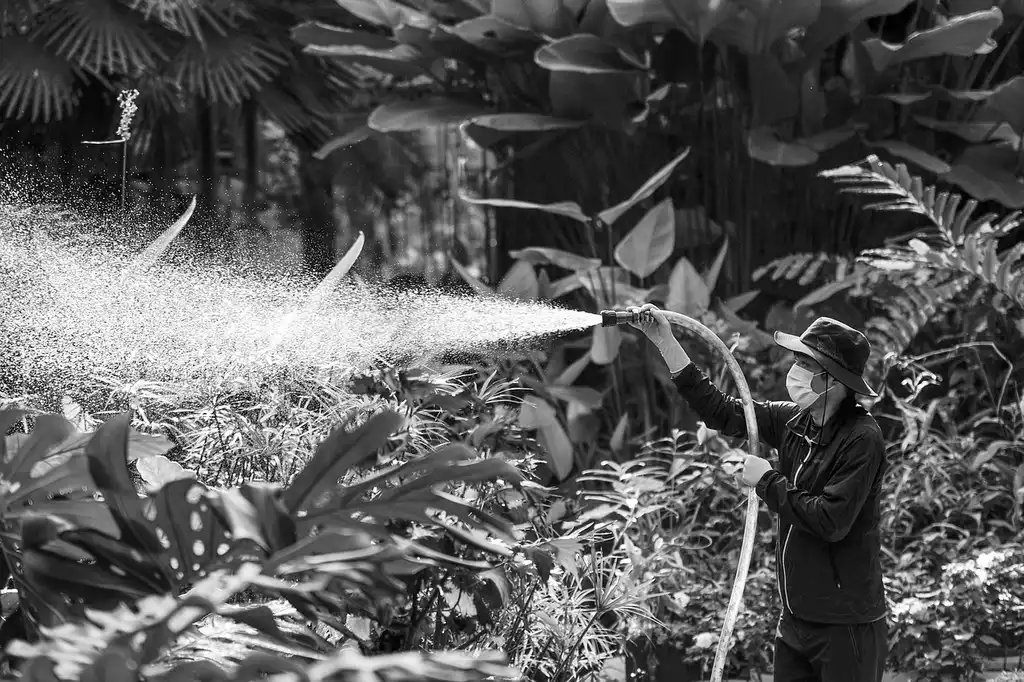


A botanical garden is a living plant collection managed for education, research, conservation, and visitor display, so care standards go beyond keeping plants alive. Staff and volunteers must protect display quality, taxonomic accuracy, public safety, and long-term health across mixed plantings that face constant viewing, weather shifts, and label scrutiny.
Living collections versus ordinary ornamental beds
An ordinary home border can tolerate a mislabeled plant, an overgrown edge, or a rough seasonal gap. A botanical garden cannot. Plants are part of a documented collection, often grouped by habitat, geography, taxonomy, or theme, and each plant has a job in the display.
That changes the daily work. I remove a faded flower spike faster if it hides a label. A staking job has to read cleanly from the path. A failing specimen may stay in place briefly for interpretation, or come out quickly if decline damages the display and risks spread.
How botany affects daily care
In practice, botany matters because public collections are organized around plant identity and relationships, not just appearance. Reputable standards from botanic gardens, arboreta, and herbarium-backed databases such as Royal Botanic Gardens, Kew’s Plants of the World Online and the Missouri Botanical Garden’s Tropicos make the point clearly: names, family placement, synonymy, and origin data are working parts of collection care, not academic extras.
That matters on the ground. Growth tells the gardener how fast a plant will outgrow a bed. Reproduction affects deadheading and self-seeding control. Taxonomy helps predict family-level problems, such as common foliar diseases or root sensitivities. Modern botanical classification changes over time as institutions incorporate phylogenetic evidence, so plant naming and family placement can shift by genus, by authority used, and by institution.
Display standards and public access
Public access can add pressure. Beds near entrances, benches, and signs need cleaner edges and faster grooming than back-of-house nursery rows. Visitor experience depends on sightlines, readable labels, safe paths, and plants that look intentional through most of the season.
Botanical gardens began as academic plant collections, and that institutional root still shapes care today: plants are grown as documented specimens, not as loose decoration. For current practice, I trust guidance from botanic gardens and university extensions far more than generic dictionary summaries because the care implications come down to living collections standards, nomenclature control, and repeatable horticultural records.
According to Botany – Wikipedia — Botanical gardens began as university-linked academic plant collections from the 1540s.
Build the collection around taxonomy, labels, and records
Use scientific names consistently
Plant taxonomy organizes a collection into known relationships. Use binomial nomenclature for every accession or planted specimen: genus and species, then family. Common names can stay on labels for visitors, but records should never rely on common names alone.
Consistency avoids expensive confusion. If one area lists Salvia guaranitica and another uses only “blue sage,” replacement orders, pest notes, and pruning timing can split into two separate records for the same plant. For institutions that manage more than one display area, I also recommend a controlled plant-name standard tied to one authority file so labels, maps, and work orders all pull from the same accepted record.
What labels should include
A public label should usually include the common name, scientific name, family, and origin or native range. A back-end record should also connect that label to an accession-style identifier, planting date, source, bed location, and any notes on habit, bloom timing, losses, and treatment history.
That record link is what keeps labels from turning into decoration. If a label goes missing after mulching, storm cleanup, or volunteer grooming, the map and accession record make relabeling possible without guessing. If you are formalizing that process, a companion workflow on plant labels and accession records for living collections helps staff keep public signage and back-end data synchronized.
How accession-style records prevent repeat failures
Accession-style records are plain discipline: what arrived, from where, when it was planted, where it sits now, and what happened to it. I rely on this more than any fancy system. If a bromeliad batch fails in one humid bed but succeeds with more air flow in a nearby display, the next planting can avoid the original mistake.
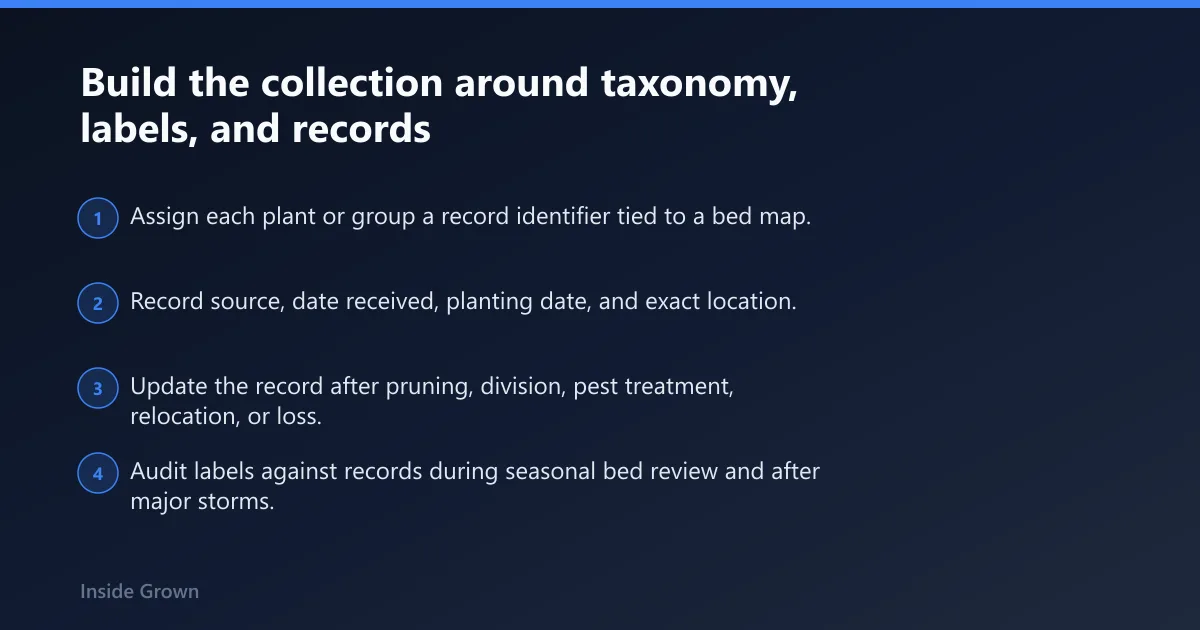
- Assign each plant or group a record identifier tied to a bed map.
- Record source, date received, planting date, and exact location.
- Update the record after pruning, division, pest treatment, relocation, or loss.
- Audit labels against records during seasonal bed review and after major storms.
In my own rounds, I also log “reason for removal” when a plant leaves a bed. That single field catches patterns quickly: chronic scorch in one west-facing border, repeated vole damage in another, or volunteer confusion around unlabeled offsets in a tropical house.
When to relabel and audit
Relabel after any bed rework, winter loss, summer storm, or plant swap from the nursery area. Audit high-traffic displays more often than remote plantings because labels shift, disappear, or get returned to the wrong plant after cleaning days.
Theme areas need extra care. A medicinal bed, palm court, shade house, or alpine trough collection only works if the naming stays exact and the story matches the plant in front of the visitor. For larger institutions, this is also where living collections management standards become practical rather than theoretical.
How do you choose plants that stay reliable in a botanical display?
Choose plants by climate fit, maintenance load, and display purpose before novelty. The most reliable botanical garden plants tolerate the site’s heat, humidity, wind, frost risk, and foot traffic while holding shape, accepting grooming, and recovering well from routine tasks such as staking, deadheading, and seasonal cutback.
Start with climate zone and stress tolerance
Plant suitability starts with USDA hardiness range, tolerance for humid air, tolerance for sustained summer heat, and the actual frost risk in that bed or garden section. A plant may survive winter but still be disappointing as a public display if summer leaf scorch damages it by midseason. Another may grow well in shade but collapse when reflected heat from paving raises afternoon stress.
In practical terms, pick for the worst routine condition, not the nicest week in spring. I do this bed by bed. Reliability comes from tolerance margins. Climate guidance also varies by genus and local conditions, so I cross-check plant choices against regional extension recommendations and trial performance rather than relying on a single hardiness number.
Match plants to theme beds and traffic
Theme-based planting areas can create care conflicts if the theme outruns the site. A dry Mediterranean bed next to an irrigation-heavy tropical border usually causes trouble unless the zones are physically separated. Plants near paths also need sturdier branching, cleaner habit, or easier recovery from brushing and accidental breakage.
Shade houses favor foliage that stays presentable under filtered light and higher humidity. Alpine beds need fast drainage, lean media, and protection from warm, wet root zones. Container collections need plants that accept tighter root space and uneven moisture. If you are designing whole sections rather than single beds, a related planning guide on garden maintenance schedules for public displays can help align labor with plant choice.
Easy-care plant groups for public displays
The easiest display plants are predictable. They hold form, signal stress early, and do not demand constant rescue. Tough salvia, daylily, cast-iron plant, dwarf boxwood where climate allows, hellebore, lomandra, sedum, hardy geranium, and many bromeliads tend to earn their space because grooming loads stay moderate.
Novelty plants often cost too many labor hours. If a rare specimen needs hand misting, repeated shade cloth changes, and emergency pest cleanup to look decent, I put it in a controlled house or a smaller specialty display, not a main bed run by rotating volunteers.
Match site conditions before you plant
Read light across the whole day
Full sun, partial shade, and shade are starting points, not enough on their own. Observe morning light, midday exposure, late reflected heat, and canopy shift through the season. A plant that “takes sun” may still fail if the hottest wall traps afternoon heat.
Microclimate matching is often what separates a stable display from a bed that gets replanted every year. Canopy edges dry out faster. Courtyards can hold heat. Water features can raise humidity nearby. South-facing stone can intensify scorch on tender foliage.
Build soil by bed purpose
Soil mix decisions should reflect texture, organic matter, pH, and drainage needs for the collection type. Tropical beds usually need more organic matter and moisture retention. Alpine displays need coarse mineral structure and fast drainage. Woodland beds need humus and steady moisture without stagnant roots.
Do not assume adjacent beds can share the same blend. The label theme may be botanical, but root conditions still decide success. Where guidance varies, I defer to local extension soil testing and to known genus preferences rather than blanket amendments across the whole site.
Containers versus in-ground beds
Container media must drain faster and re-wet evenly. In-ground soil changes more slowly and buffers moisture swings better. That means the same plant can need a different watering schedule and feeding plan in a courtyard pot than in a border a few feet away.
Container displays also show stress sooner. Root crowding, salt buildup, and missed irrigation cycles become visible fast, which is useful for monitoring but unforgiving during hot weather.
How do botanical gardens keep plants healthy year-round?
Botanical gardens keep plants healthy year-round by using scheduled inspection rounds, season-based task plans, and written handoff notes. Regular visual checks can help catch breakage and irrigation faults, more frequent inspections can help notice early stress and pest buildup, and seasonal reviews can guide pruning, feeding, relabeling, division, and replacement decisions.
Use a clear inspection cadence
Daily walk-throughs should focus on irrigation breaks, storm damage, wilt, path hazards, and obvious label loss. Weekly checks should look deeper: root-zone moisture, developing pest pressure, chlorosis, staking tension, dead flowers, and early decline patterns.
Seasonal reviews are the bigger reset. This is when beds are judged for crowding, edit needs, replacement candidates, taxonomic updates, and whether the display still matches its educational purpose. In my own workflow, spring and autumn are the two anchor audits because they catch most bed-map drift and reveal which plant groups are no longer worth their labor cost.
Set watering by plant type and root depth
A watering schedule should follow plant type, root depth, drainage, and season. Newly planted shrubs need different attention than established perennial clumps. Tropical containers may need frequent checking in hot periods, while alpine troughs often fail from excess water, not shortage.
In-ground plants often benefit from deeper, less frequent watering once established. Containers often dry faster and may need closer observation. Seasonal adjustment matters: cool-season rainfall can replace irrigation for some beds, while warm periods may force earlier morning watering to reduce stress.
Feeding, mulching, and staking without hurting display timing
Fertilizing should match the growth goal. If the display needs compact foliage and strong stems, avoid heavy feeding that pushes soft growth and invites aphids or fungal trouble. Flowering displays often need enough nutrition to support bloom, but excess nitrogen can turn them leafy and floppy.
Mulch should suppress weeds and buffer moisture without burying crowns or label stakes. Staking should happen early enough to disappear into the display, not after stems have already fallen across paths. Timing can vary sharply by genus and region, so I set windows by collection group rather than applying one calendar date to every bed.
Task handoffs for staff and volunteers
Mixed collections fail when tasks are done but not recorded. Use short handoff notes: what was watered by hand, what was cut back, which label is missing, which plant is under watch, and which section needs rechecking after weather change.
One bed can move through several hands in a week. Notes keep the collection coherent.
Pruning, grooming, and replacement planning for public displays
Prune for shape, health, and timing
Pruning in a botanical garden is about shape control, deadheading, size management, and plant health, with bloom timing and visitor view in mind. Hard pruning at an inopportune time can greatly reduce a display just before peak attendance.
Deadheading should be selective where seedheads add interest or support interpretation. In formal or high-traffic beds, spent flowers usually need quicker removal to keep the display legible and reduce disease carryover. For woody genera in particular, I follow species-level or bloom-wood guidance from extension and arboretum sources because “prune after flowering” is too broad to prevent mistakes.
Manage size before plants collide
Shrubs and large perennials should be cut or thinned before they swallow labels, crowd neighbors, or block paths. Once mixed borders interlock too tightly, airflow drops and scouting becomes harder. That is when mildew, hidden irrigation faults, and stem breakage begin to stack up.
Replace declining plants at the right point
Some plants recover well from renovation. Others spend a full season looking tired after rescue work. In a public collection, replacement is often smarter when the plant has lost shape, repeat vigor, or identity value in the bed.
Keep a short replacement list for each display zone. That prevents panic buying and keeps the collection aligned with its theme and record system.
How do you prevent pests and disease in a botanical garden?
Prevent pests and disease by scouting on a schedule, isolating incoming plants, improving sanitation, and acting at the first clear sign of spread. Botanical garden collections stay cleaner when outbreaks are recorded by bed and plant name, so the same host, season, and irrigation mistake can be flagged early next year.
Scouting routines that work
Scouting is often done during weekly rounds and after major weather shifts. Check undersides of leaves, new growth, flower buds, crowns, and the soil line. Look for chewing, stippling, honeydew, distorted growth, black spotting, stem cankers, and odd wilt that does not match dry soil.
Record the host plant by scientific name where possible. Family-level patterns matter. If one member of a group is getting hit, related plants nearby deserve attention. For recurring problems, I note threshold points such as “more than 10% of leaves marked” or “active insects on three consecutive inspections” so intervention decisions are less subjective.
Quarantine and sanitation
New plants and nursery returns should be held apart before entering display beds. That pause catches hitchhiking scale, mealybugs, spider mites, and root issues. Sanitation matters as much as quarantine: remove infected debris, clean tools after suspect cuts, and clear fallen foliage where disease pressure is building.
Low-input controls
Non-chemical controls often solve early problems in display collections. Hand removal, pruning out infested tips, washing foliage where appropriate, improving spacing, correcting irrigation timing, and reducing tender overfed growth all lower pest pressure.
Chemical treatment, when used, needs recordkeeping because repeat sprays can hide deeper cultural faults. If powdery mildew appears in the same bed every season, the answer is rarely spray alone. It is often crowding, poor air movement, or shade mismatch. Institutional rules, public exposure concerns, and local regulations also affect what is appropriate, so treatment plans should be site-specific.
Troubleshooting common collection failures
Heat stress, scorch, and drought signals
Heat stress often appears as edge scorch, faded color, stalled bloom, or afternoon collapse that does not fully recover by morning. Check whether the issue is lack of water, root restriction, reflected heat, or a light mismatch caused by canopy changes or recent pruning overhead.
Transplant shock and establishment stalls
Transplant shock shows up as wilt despite moist soil, leaf drop, slow push of new growth, or stem dieback after planting. Reduce competition around the root zone, keep moisture even, and avoid heavy feeding until growth resumes. Plants pushed with fertilizer before root recovery often decline further.
Waterlogging, compaction, and slow decline
Slow decline is common in public beds because symptoms are easy to miss day to day. Yellowing, sparse shoots, fungal gnats in containers, and weak response to feeding often point to poor drainage, compacted soil, or roots sitting too wet. Dig and inspect before treating the leaves.
Label loss, plant swaps, and record errors
Label loss can damage the collection more than a minor pest issue. Once a label is gone, volunteers may weed around the wrong plant, deadhead the wrong accession, or move divisions without a record. Map the bed, compare morphology with records, and relabel only after the identity is checked.
Gradual collection decline usually traces back to several small misses: plant mismatch, skipped edits, irrigation drift, and records that stopped being updated.
Botanical-garden plant care checklist for 12 plant types
How to use the checklist in daily rounds
Use this table during weekly inspections and seasonal planning. It is not a fixed prescription. Treat it as a decision sheet: compare the plant type, bed style, and current weather, then adjust water, grooming, and replacement timing to the site.
| Plant type | Light | Water | Soil | Pruning | Pest risk | Seasonal tasks | Common failure signs |
|---|---|---|---|---|---|---|---|
| Rose shrub | Full sun | Deep watering; reduce overhead irrigation | Fertile loam, organic matter, sharp drainage | Deadhead; remove dead wood; shape in dormant period | Aphids, black spot, cane dieback | Mulch, feed for bloom, tie canes, replace weak plants | Defoliation, blind shoots, black spotting, weak bloom |
| Daylily | Full sun to partial shade | Moderate; even moisture in bloom | Average garden soil with drainage | Remove spent scapes; divide when crowded | Rust, crown rot in wet sites | Spring cleanup, post-bloom grooming, division review | Reduced flowering, crowded clumps, yellow fans |
| Salvia border type | Full sun | Moderate; let surface dry between cycles | Lean to average soil, good drainage | Shear after flush; cut out woody failure | Aphids, mildew in crowding | Cutback after bloom, light feed only if weak | Flop, mildew, open center, short bloom run |
| Hydrangea | Morning sun, afternoon shade | Steady moisture; avoid drought swings | Moist, organic soil; drainage still needed | Prune by bloom habit; remove spent heads selectively | Leaf spot, wilt, scorch | Mulch root zone, monitor summer stress, winter assess buds | Scorched margins, flop, weak flowering, chlorosis |
| Camellia | Partial shade | Even moisture; never stagnant | Acidic, organic, well-drained soil | Light shape after bloom; remove dead interior wood | Scale, petal blight, chlorosis | Check mulch depth, protect roots from compaction | Bud drop, yellow leaves, sparse canopy |
| Fern collection type | Shade to filtered light | Consistent moisture; higher humidity helps | Humus-rich, airy, never waterlogged | Remove old fronds; tidy damaged growth | Slug damage, crown rot, scale in houses | Clean litter from crowns, divide if congested | Brown tips, collapsed crowns, thin frond set |
| Hosta | Partial shade to shade | Moderate; avoid repeated dry-down | Moist, organic soil | Remove spent scapes and damaged leaves | Slugs, foliar scorch, crown issues | Spring emergence check, divide aging clumps | Ragged leaves, faded margins, shrinking clump |
| Bromeliad | Bright shade or filtered light | Moderate; avoid stagnant centers in cool periods | Fast-draining epiphytic or coarse mix | Remove spent bloom stalks; separate offsets if needed | Scale, rot in low air movement | Refresh display pots, monitor pups, keep labels secure | Soft base, dull color, stalled offsets |
| Orchid display type | Bright filtered light | Water by medium dryness; high drainage | Chunky orchid mix with strong air space | Remove spent spikes by type; clean dead roots at repot | Mealybugs, rot, bud blast | Repot tired media, quarantine arrivals, stake spikes early | Wrinkled leaves, black roots, bud drop |
| Alpine cushion plant | Full sun with cool root run | Careful; low but regular in active growth | Gritty, lean, very fast-draining mix | Minimal; trim dead patches only | Crown rot, winter wet loss | Keep crowns clear, protect from warm wet spells | Center die-out, rot, loose growth, sudden collapse |
| Succulent container mix | Full sun to bright light | Soak then dry; lower in cool periods | Mineral-heavy, very fast-draining medium | Remove damaged pads or stems; reset stretched cuttings | Mealybugs, rot, sunburn after moves | Rotate display, refresh topdress, check root crowding | Mushiness, stretch, split tissue, scorch patches |
| Boxwood or clipped evergreen form | Full sun to partial shade | Moderate; avoid repeated saturation | Well-drained loam with organic matter | Clip for shape; thin interior for air movement | Blight risk, mite stress, bronzing | Monitor airflow, sanitize cuts, replace infected plants fast | Leaf drop, bronzing, bare interior, dieback |
To make the checklist more operational in real maintenance, I pair it with timing windows, maintenance frequency, and action thresholds. Those thresholds are not universal laws; they are practical triggers I use so a volunteer round and a curator round reach similar conclusions.
| Plant group | Peak inspection season | Maintenance frequency | Action threshold | Typical next step |
|---|---|---|---|---|
| Rose shrub | Spring through early fall | Scout 1-2 times weekly in active growth; groom weekly | More than 10% foliar spotting, active aphids on expanding buds, or canes crossing paths | Remove affected material, correct irrigation pattern, reassess airflow, and schedule targeted treatment only if spread continues |
| Daylily | Late spring through summer | Weekly in bloom; divide review every 2-4 years | Clump center thinning, bloom count noticeably reduced, or persistent wet crown conditions | Deadhead, clean foliage, mark crowded clumps for division in the proper season |
| Salvia border type | Late spring through fall | Weekly grooming during bloom flushes | Open centers, stems flopping into paths, or mildew present on more than a few stems | Shear after flush, thin surrounding growth, reduce excess feeding, and adjust spacing next edit cycle |
| Hydrangea | Late spring through summer | Check moisture 2-3 times weekly in heat; structural review seasonally | Repeated midday wilt after irrigation, scorched margins, or bloom loss inconsistent with pruning plan | Verify soil moisture, mulch, root competition, and bloom-wood timing before pruning or replacing |
| Camellia | Late winter through spring, then summer stress periods | Weekly in bloom and during heat; mulch check seasonally | Scale buildup on multiple stems, chlorosis spreading through canopy, or recurring bud drop | Improve root-zone conditions, inspect undersides of leaves, and adjust fertility and pH management if indicated |
| Fern collection type | Spring through humid summer periods | Weekly outdoors; 2 times weekly in enclosed or high-humidity houses | Crown softening, frond collapse, or slug damage affecting display readability | Clean crowns, reduce stagnant moisture, improve airflow, and isolate suspect house material |
| Hosta | Spring through midsummer | Weekly during emergence and expansion | Repeated leaf shredding, scorch beyond margins, or shrinking clump year over year | Control slug pressure, reassess moisture consistency, and flag tired clumps for division |
| Bromeliad | Warm season; year-round in houses | Weekly; 2 times weekly in cool, enclosed, or crowded displays | Soft basal tissue, standing water in cool conditions, or scale visible on multiple offsets | Increase air movement, clean affected plants, separate pups selectively, and hold problem stock out of display |
| Orchid display type | Year-round, especially after arrivals and before flowering events | Weekly minimum; more often in event displays | Media souring, root blackening, mealybugs, or bud blast on several plants | Quarantine, repot tired media, adjust watering by medium dryness, and review temperature swings |
| Alpine cushion plant | Winter wet periods and spring growth | Weekly in wet weather; lighter checks in stable dry periods | Center die-out, crown staying wet, or sudden soft collapse after warm rain spells | Clear crowns, improve drainage immediately, and reduce irrigation before attempting feeding |
| Succulent container mix | Seasonal transition periods and hot spells | Weekly; after any display move, check within 48 hours | Mushiness, stretching, or scorch after relocation to stronger light | Correct exposure gradually, reset cuttings if needed, and extend dry-down intervals in cool weather |
| Boxwood or clipped evergreen form | Spring flush and humid summer periods | Weekly in active season; structural review seasonally | Rapid bronzing, leaf drop, or dieback patches spreading through the display | Sanitize cuts, isolate suspect debris, improve airflow, and remove heavily affected plants quickly if disease is likely |
Mixed-display notes for shade houses, tropical beds, alpine beds, and containers
Shade houses need air movement, clean watering practice, and sharp label control because pots move often. Tropical beds need mulch discipline and fast response to storm damage. Alpine beds need strict drainage and restraint with irrigation. Container displays need the tightest inspection cycle because errors show quickly and publicly.
Frequently asked questions
What is the best way to care for plants in a botanical garden?
The best approach is to treat every bed as a managed collection: match each plant to light, soil, and climate; inspect on a schedule; and update records after each change. Good care includes grooming for display, checking labels, and replacing weak plants before they lower the standard of the whole area.
What soil, light, and watering conditions do botanical garden plants need?
They need conditions matched to plant type and bed purpose, not one shared formula. Full sun, partial shade, and shade must be read against local microclimate. Soil should fit drainage and pH needs. Watering should change with season, root depth, and whether plants are in containers or in-ground beds.
How do you prevent pests and disease in a botanical garden?
Use weekly scouting, clean tools, debris removal, and quarantine for incoming plants. Record each problem by plant name and bed so recurring patterns can be traced. Early pruning, spacing correction, irrigation adjustment, and hand removal often stop small outbreaks before they spread through a public display.
Which plants are easiest to maintain in a botanical garden display?
The easiest plants are reliable ones with stable shape, clear stress signals, and moderate grooming needs. Many salvias, daylilies, ferns, hostas, hardy shrubs, bromeliads, and sedums fit that role when matched to site. Predictability matters more than rarity in beds cared for by mixed staff and volunteers.
How often should botanical garden plants be pruned and fertilized?
There is no single interval. Pruning depends on bloom cycle, crowding, safety, and display timing, while fertilizing depends on growth goals and soil condition. The practical rule is to prune before shape is lost and feed only enough to support healthy growth without creating weak, pest-prone shoots.
How do botanical gardens label and organize plant collections?
They usually organize collections by taxonomy, habitat, geography, or educational theme, while keeping care-compatible plants together. Labels should include common name, scientific name, family, and origin or native range. Each label should tie back to an accession-style record so audits, relabeling, and replacements stay accurate.
Who decides when a plant should be removed from display?
Usually a curator, collections manager, or lead gardener makes that call, but the decision should be based on documented decline rather than appearance alone. I remove plants fastest when they create safety issues, no longer match the label, show likely spread of pests or disease, or consume repeated labor without meeting the display goal.
Do botanical gardens use the same care standards in every climate?
No. The core method is similar, but exact watering, pruning timing, winter protection, and even label materials vary by climate zone, genus, and institution type. A dry western garden, a humid subtropical garden, and a glasshouse collection may all follow the same records discipline while using very different horticultural schedules.
Sources
- Royal Botanic Gardens, Kew, Plants of the World Online, for accepted names, synonymy, and distribution checks used in living collections.
- Missouri Botanical Garden, Tropicos, for botanical nomenclature and taxonomic reference support.
- USDA Agricultural Research Service, GRIN Global Taxonomy, for plant nomenclature and accession-level reference alignment.
- USDA Plant Hardiness Zone Map, for winter hardiness screening during plant selection.
- University extension publications, including pruning, irrigation, soils, and integrated pest management guidance, for region-specific maintenance decisions.
- Botanic Gardens Conservation International living collections guidance, for collection documentation and institutional standards.
- American Public Gardens Association professional resources, for public-garden operations and collections practice.