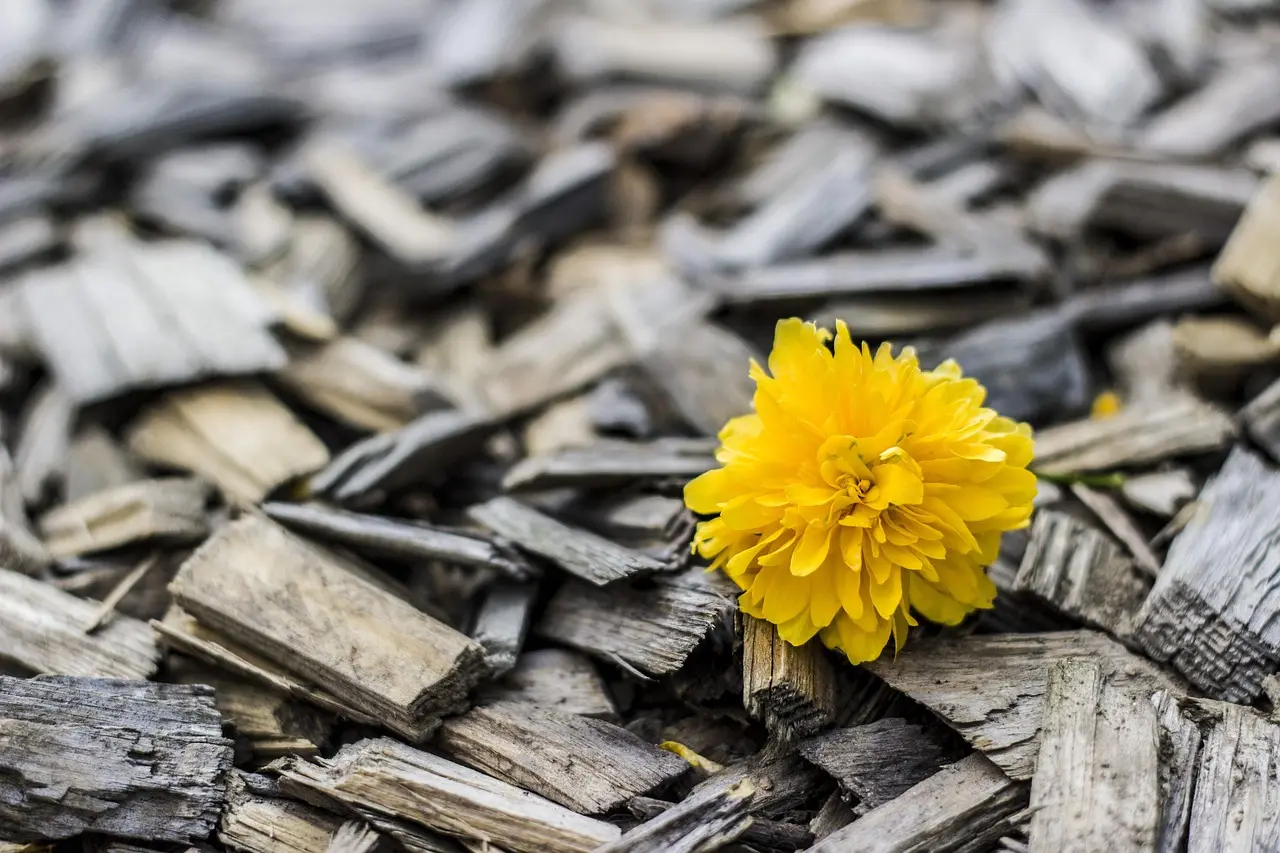
How to Use Mulch Around Botanical Garden Plants
Use a 2 to 4 inch mulch layer around botanical garden plants, keep it about 2 inches off crowns and stems, and leave labels and irrigation points clear. For trees, keep mulch about 6 inches back from trunks and never bury the root flare botanical garden bed design and maintenance. Get it wrong, and you trap moisture against stems, hide plant IDs, invite pests, and make beds look neglected.
Benefits of mulch for garden plants
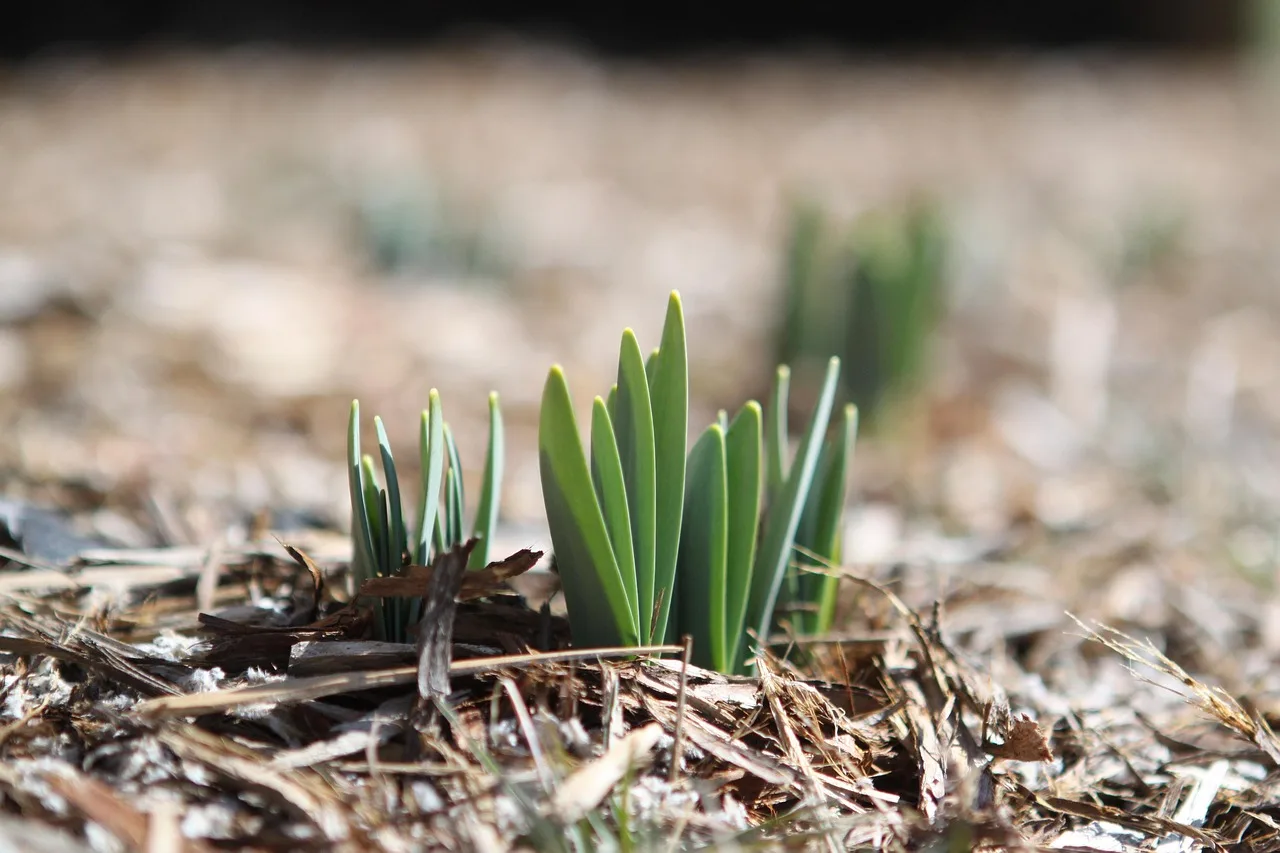


Mulch helps a botanical garden bed hold moisture longer, slow weed growth, and cut soil splash onto foliage. Organic mulch also breaks down over time and adds nutrients to soil, which suits most planted beds. On slopes, it helps hold soil in place, and during dry spells it can keep a bed usable.
How does mulch suppress weeds and retain moisture?
A continuous mulch layer blocks light from weed seed, so fewer weeds germinate. It also slows evaporation from the soil surface, which matters in display beds that dry fast under sun, wind, or overhead irrigation. Keep the layer even, because thin spots let weeds through and thick clumps can seal the surface.
How does mulch protect soil temperature and surface structure?
Mulch moderates soil temperature and shields the surface from crusting and splash. In botanical collections, that means less stress on shallow roots and cleaner foliage after rain or irrigation. It is a soil cover, not a buried blanket, so the layer should sit on top of the soil and stay loose enough for air and water to move through.
Why does organic mulch break down over time?
Wood chips, leaves, straw, and bark all decompose at different speeds. That matters because the material slowly feeds the soil, but it also means the layer thins and needs topping up. Organic mulch fits most planted beds, yet it should stay off crowns and trunks so the breakdown does not begin at the plant base.
Which mulch fits each plant type?
Plant type should drive the mulch choice. Perennials, shrubs, young transplants, specimen plants, low evergreens, and trees do not all want the same depth, the same texture, or the same edge treatment. In a botanical garden, the display goal matters too, because visible labels, walkability, and a clean bed edge can matter as much as weed control.
What mulch works best for perennials and young transplants?
Use a lighter, finer mulch for new plantings and small crowns. Chopped leaves at about 3 inches or wood chips at 2 to 4 inches are common choices, but pull the material back from the crown so the base can dry. Young transplants need close attention because their stems sit low and rot starts fast in wet, packed mulch.
What mulch works best for shrubs, specimen plants, and trees?
Shrubs and established specimen plants can take a steadier mulch ring, as long as the crown stays open. For trees, the ring should stay several inches off the trunk, and BBG advises about 6 inches away from tree trunks and never covering the root flare. That keeps mulch from becoming a moisture trap at the base.
Say your bed has three shrub labels on the front edge and a small specimen maple in the center. A bark layer that stops short of the trunk and stays low around the labels will look cleaner and still protect the soil. A tall mound around the trunk would hide the flare and raise rot risk.
When do low evergreens and display beds need special treatment?
Low evergreens often need a material that stays put and does not mat into the foliage. Stone or gravel mulch can work in some low evergreen or rodent-prone beds, but it can hold heat and is not a fit for every planting. In high-visibility beds, use it only when the plant palette and site conditions justify the tradeoff.
How deep should mulch be?
For most botanical garden beds, a 2 to 4 inch layer is the practical range. In sunny areas, a 4 to 6 inch depth is often used, while shaded beds usually need 2 to 3 inches. Depth should match the plant, the climate, and the job the bed needs the mulch to do.
What are the general mulch depth targets for most beds?
Wood chips are commonly used at 2 to 4 inches, mixed bark at 2 to 3 inches, and leaves at 3 inches. Grass clippings should stay at 1 inch maximum, because a thicker layer mats down fast and limits air movement. Even at the right depth, mulch should remain loose, not packed flat.
How do shady beds differ from sunny beds?
Shaded beds hold moisture longer, so they usually need less mulch. Fine Gardening suggests 2 to 3 inches in shade. Sunny beds lose water faster, so 4 to 6 inches can make sense where heat and wind dry the soil quickly. That extra depth should still stop short of crowns, stems, and trunks.
How should grass clippings and chopped leaves be handled?
Chopped leaves work well where permeability matters, because whole leaves can mat and shed water. BBG says leaves should be applied at 3 inches. Straw is often used chopped and in a thin layer, about 1 to 2 inches, in beds where that approach fits the planting needs.
Why should mulch stay away from stems and crowns?
Mulch should never sit against stems, crowns, or trunk flare. That contact can hold water where tissue needs to dry, which leads to rot and pest problems. In public beds, a crisp mulch edge also looks better and keeps the plant base visible for staff, labels, and inspection.
Why do mulch volcanoes cause problems?
A mulch volcano creates a wet, air-poor pocket around the base of a plant. The mound can hide pests, invite rodents, and push moisture into bark or crown tissue. It also shifts as it settles, which leaves a dense collar at the plant base while the outer edge thins out.
How much clearance should shrubs, perennials, and trees have?
Keep mulch about 2 inches away from root crowns and stems. Around trees, BBG advises keeping mulch about 6 inches away from trunks and never covering the root flare. That open ring lets the base dry after rain or irrigation and makes it easier to check for damage or girdling roots.
What is the best way to shape a clean mulch ring?
- Clear weeds, old matted mulch, and debris from the bed surface.
- Spread mulch in a flat, even layer to the target depth.
- Pull the material back from stems, crowns, and trunk flare.
- Keep labels, irrigation heads, and inspection points visible.
- Check for settling after watering, rain, or wind.
A common first-timer mistake is spreading mulch right up to a plant tag. The bed may look tidy for a day, then the tag disappears under the next top-up and the plant becomes harder to maintain. Leave the tag readable from the path side, then build the mulch behind it.
What should a botanical garden mulch table include?
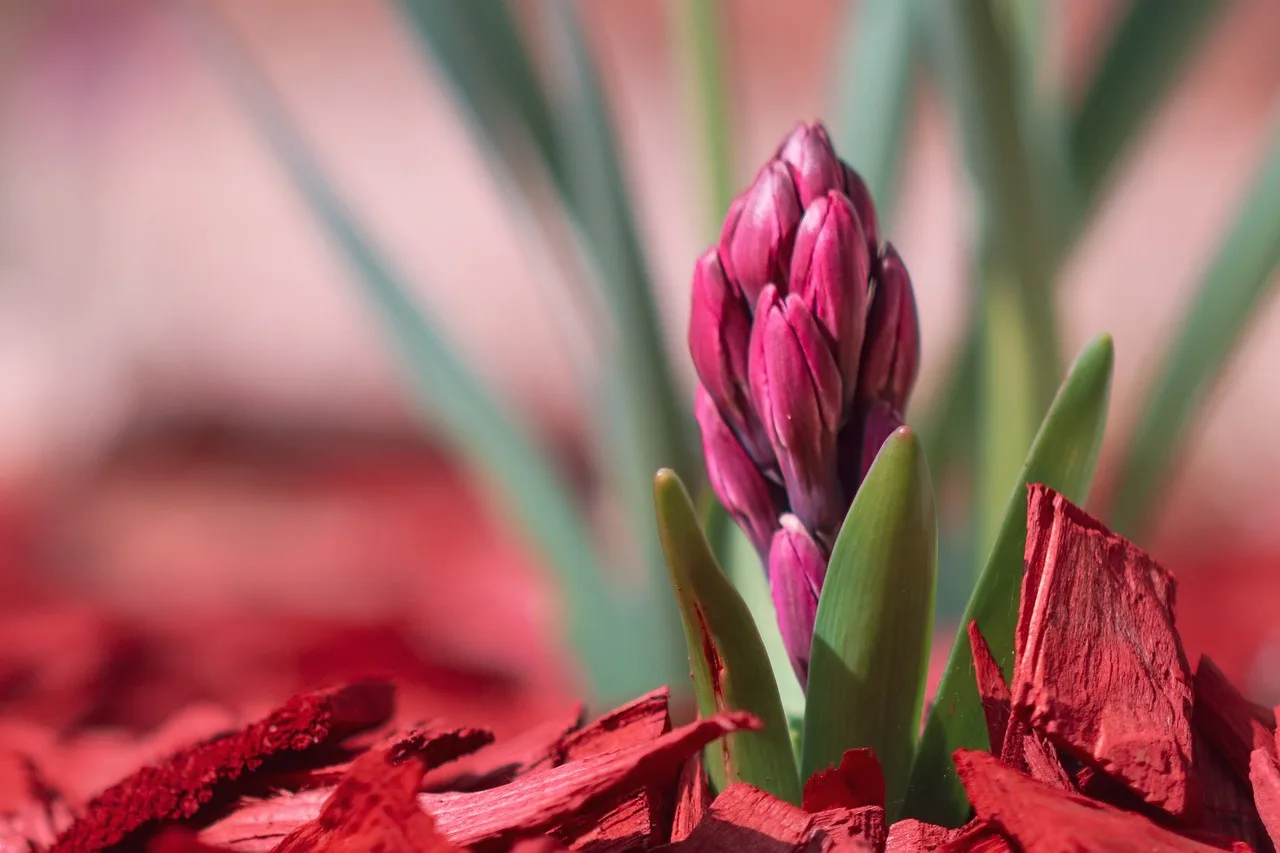
This table gives a quick field guide for mixed ornamental beds. Use it as a planning tool, then adjust for drainage, sun exposure, plant age, and how much of the bed visitors can see. In a public garden, the right choice is the one that protects plants without burying labels or creating a maintenance problem.
| plant type | best mulch | target depth | clearance from crown/trunk | when to avoid | maintenance interval |
|---|---|---|---|---|---|
| Perennials | Wood chips or chopped leaves | 2 to 3 inches | 2 inches from crowns and stems | When soil stays wet or crowns sit low | Check every 6 to 8 weeks; top up as it thins |
| Young transplants | Fine bark or chopped leaves | 2 inches | 2 inches from stems | Right after planting if soil is already cool and wet | Check after rain and after the first month |
| Shrubs | Wood chips or mixed bark | 2 to 4 inches | 2 inches from stems | Where rodents tunnel or mulch gets piled high | Inspect monthly during the growing season |
| Specimen trees | Wood chips or leaves | 2 to 4 inches | 6 inches from trunks; keep root flare open | Never over the flare or against bark | Check after storms and seasonal top-ups |
| Low evergreens | Stone or gravel, or low organic mulch | 2 to 4 inches | 2 inches from stems | In hot beds that already overheat | Check for heat buildup and weed breakthrough |
| Formal display beds | Wood chips, bark, or gravel by theme | 2 to 3 inches in shade; 4 to 6 inches in sun | 2 inches from crowns; labels clear | When mulch would hide plant IDs or block access | Light rake-up and edge repair every few weeks |
| Stone or gravel mulch beds | Stone, pea gravel, or crushed gravel | 2 to 3 inches | Keep off crowns and keep labels visible | In hot, sunny beds; around seedlings; where drainage is poor | Inspect for heat stress, weeds, and compaction |
| Landscape fabric under mulch | Fabric plus organic mulch only where justified | Top-dress at 2 to 4 inches above fabric | Cut away from stems and trunk flare | In display beds, around self-seeders, or where top-dressing is frequent | Check edges, tears, and soil buildup each season |
| Seedlings and very young plants | Fine bark, chopped leaves, or no mulch at first | 1 to 2 inches | At least 2 inches from tiny stems | When stems are weak or soil stays wet | Recheck after establishment and after heavy rain |
| Sunny beds | Organic mulch that resists drying | 4 to 6 inches if the site dries quickly | 2 inches from crowns and stems | When thick mulch would bury low foliage | Inspect for shrinkage and weed breakthrough |
| Shady beds | Organic mulch in lighter depth | 2 to 3 inches | 2 inches from crowns and stems | Where the soil already stays damp | Check for moss, matting, and excess moisture |
| Wet soil areas | Coarser organic mulch or no mulch until drainage improves | Thin layer only, if any | Keep the base fully open | After rain, in low spots, or over poorly drained soil | Reassess after drainage or irrigation changes |
| Display-label visibility risk areas | Low-profile mulch, or mulch with intentional label gaps | 2 inches near the front edge | Keep tags and signage clear from the path side | Whenever the mulch could hide plant IDs or maintenance markers | Reopen labels during every top-up |
When should you mulch beds?
Mulch after planting, during establishment, and again when the bed thins. Winter mulch is different: it goes on only after plants are dormant and temperatures drop below freezing. That timing protects roots without holding the crown warm when the plant should be resting.
When should mulch be added after planting and during establishment?
Freshly planted beds need a clean, even layer soon after watering, but not so much that stems are buried. The goal is to slow drying while the roots settle. For annual displays and transplants, a thinner mulch is often enough, since too much material can make the bed too cool and too wet.
When should seasonal top-ups be done?
Mulch settles, moves, and breaks down. Top up when the layer falls below target depth, but first pull it back from crowns and stems so the bed does not slowly turn into a mound. In public gardens, this is also the right time to reopen labels, straighten edges, and remove compacted patches.
When should winter mulch go on and come off?
BBG advises waiting until temperatures drop below freezing before winter mulch. The point is insulation, not warmth. Put it on dormant perennials and remove or pull it back in spring when the bed wakes up. If winter mulch goes on too early, it can keep plants too warm and delay dormancy.
How much mulch do you need?
Estimate mulch by bed area and depth, then buy by volume. The common formula is square feet times depth in inches divided by 324, which gives cubic yards. That is why mulch is sold by the cubic yard: it matches bulk delivery and lets staff order enough for a bed without guessing.
How do you estimate mulch volume from bed area and depth?
Measure the bed in square feet, decide on a depth in inches, and divide the result by 324. For example, a 300-square-foot bed at 3 inches needs about 2.78 cubic yards. Round up a little for uneven edges, settling, and a final top-up after the first watering.
How do you convert bed size into cubic yards?
One cubic yard covers different areas at different depths, so depth matters more than bag count. A deeper application covers fewer square feet. If you are switching between sunny and shady sections in one display, calculate each section separately and then add the totals together.
How do you buy mulch for mixed beds without overordering?
Mixed beds rarely need one uniform depth. A sunny strip may need 4 inches, while a shaded fern block needs 2 to 3 inches. Order for the deepest section, then reserve the extra material for touch-ups along paths, specimen rings, or spots where irrigation and foot traffic thin the mulch first.
What should you know about rocks, gravel, and landscape fabric?
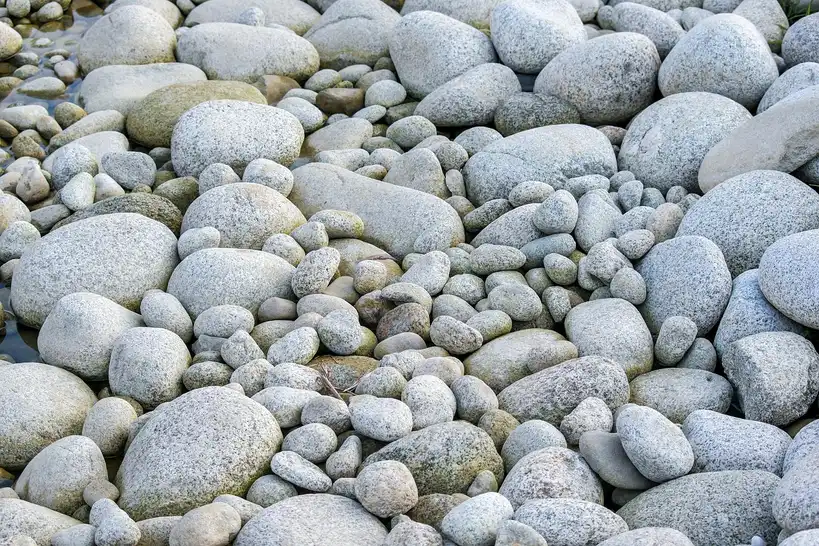
Stone, gravel, and fabric can solve specific maintenance problems, but they are not the default answer for every display bed. They work best where drainage is good, weed pressure is manageable, and the planting scheme can tolerate heat and a more permanent surface. In botanical displays, they can also make labels harder to reposition.
When should you use rocks or gravel mulch?
Use rocks or gravel where you need a long-lasting, low-mess surface, such as some low evergreen beds or rodent-prone sites. They can stay put and resist wind better than organic mulch. They are less useful in beds that need frequent replanting, because moving them is slower and heavier.
When should you avoid rocks or gravel mulch?
Avoid stone mulch in hot, sunny beds, around seedlings, and in plantings that need cool root zones. Gravel can hold and radiate heat, making already warm areas even harsher. It is also a poor fit where the display changes often, because cleaning, lifting, and resetting the bed takes more labor.
What are the heat and drainage drawbacks of stone mulch?
Stone and gravel can raise surface temperatures and stay hot well into the day, especially in full sun. They also do not improve soil in the way organic mulch does. In poorly drained spots, rock mulch does not fix wet soil and can make the bed feel harder to monitor because water problems are less visible at the surface.
What weeds or maintenance issues come with landscape fabric?
Landscape fabric can reduce some weed pressure at first, but weeds often colonize the mulch on top or root into debris that settles above the fabric. It can also complicate maintenance by making it harder to add compost, adjust planting holes, or top-dress cleanly. If the bed is a display bed, those long-term access issues matter.
Is landscape fabric compatible with botanical display beds?
Only sometimes. It can work in limited, low-change areas, but it is usually a poor match for botanical display beds that depend on quick edits, seasonal replanting, and clean label access. If you use it, leave openings neat, keep stems and trunks clear, and make sure the fabric does not interfere with future maintenance.
Frequently asked questions
How to mulch around plants without causing rot
Keep mulch off crowns, stems, and trunk flare. Spread it in an even layer, then pull it back about 2 inches from root crowns and stems, and about 6 inches from tree trunks. Rot starts when mulch stays wet against tissue, so the base must remain open to air.
How to put mulch around plants in a botanical garden bed
Clear weeds, old mulch, and debris first. Then spread the chosen material to the target depth, keeping labels, irrigation points, and plant tags visible. Finish by shaping a flat ring or bed edge, not a mound, so the display looks clean and the plant base stays exposed.
What type of mulch is best for flower garden plants?
For most flower beds, organic mulch is the safest default because it eventually breaks down and adds nutrients to soil. Wood chips, leaves, and mixed bark are common choices. Use a material that fits the plant height, the look of the bed, and the amount of water the site holds.
How deep should mulch be around perennials and shrubs?
For most perennials and shrubs, 2 to 4 inches is the usual range. Shady beds often sit at 2 to 3 inches, while sunnier beds may need 4 to 6 inches. Keep the mulch off the crown or stem so the depth does not become a wet collar.
Should mulch touch plant stems or tree trunks?
No. Keep mulch away from stems and trunks, and do not form mulch volcanoes. Around trees, leave about 6 inches from the trunk and never cover the root flare. Around smaller plants, leave about 2 inches so the base can dry and stay visible for care.
How much mulch do I need for a garden bed?
Use square feet times depth in inches divided by 324 to estimate cubic yards. That gives a realistic order size for bulk mulch. Add a little extra for settling and edge work, especially in beds with curves, slopes, or areas that dry out faster than the rest.