How to Prune Botanical Garden Plants Without Harming Blooms
Prune by identifying whether a plant blooms on old wood, new wood, or both, then make the smallest cut that removes spent stems and keeps current buds and next season’s flowering wood intact. Cut in the wrong place and you can remove this year’s flowers, thin next spring’s bloom, or force regrowth that spends the plant’s energy on leaves instead of blooms. The sections below show how to read flower-bud position, choose the right pruning window, and cut common display shrubs and perennials without losing flowers.
What you’ll need
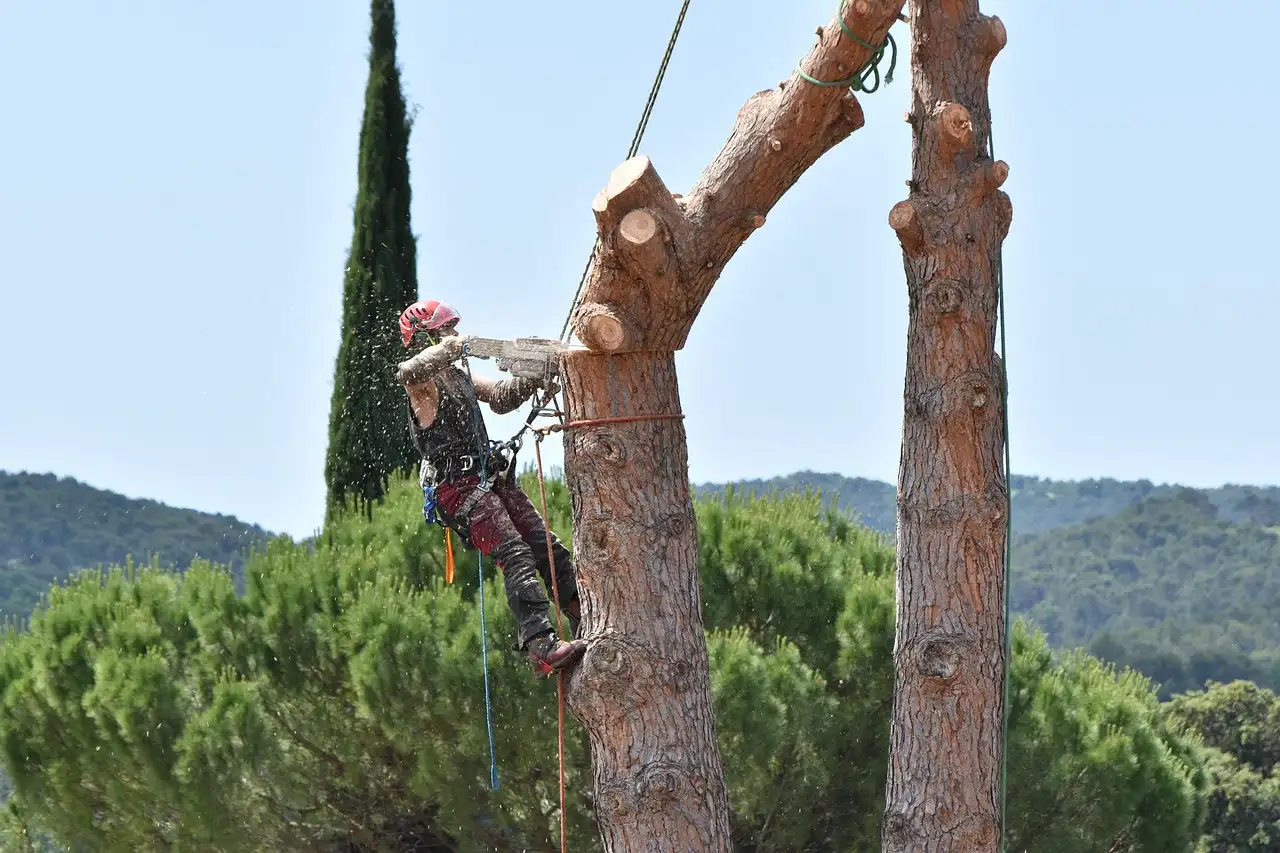


- Bypass pruners for stems up to about 1/2 inch thick
- Loppers for thicker stems that hand pruners crush
- Pruning saw for woody branches too large for loppers
- Disinfectant for blades, plus a clean cloth to wipe sap
- Gloves and eye protection for thorny or brittle growth
- Bucket or tarp for cuttings, especially in display beds
- Plant labels or notes to mark bloom wood and timing
How do you prune plants without cutting off next season’s flowers?
Start by finding the stem that carries the buds, then remove only dead, damaged, diseased, crossing, rubbing, or clearly spent growth. If flowers form on old wood, leave last season’s flowering stems alone in dormancy. If flowers form on new wood, prune before strong spring growth so the plant can replace the wood that will bloom.
Read the flowering wood first
Old-wood bloomers set buds on last year’s stems. New-wood bloomers form buds on current-season growth. Mixed bloomers may flower on both, so keep healthy stems with visible buds unless you are removing a weak, crowded, or broken branch.
Choose the least invasive cut
Use a thinning cut to remove a whole stem at its origin. Use a reduction cut to shorten a stem back to a side branch. Use a light heading cut only when you need to shorten a shoot and can leave an outward-facing bud.
What should you remove first when pruning flowering plants?
Take out dead, damaged, diseased, crossing, and rubbing stems before any shaping work. That order protects healthy buds and opens the plant without stripping bloom-bearing wood. In crowded botanical beds, thinning the canopy often works better than shortening every stem.
Take the obvious losses first
Dead wood can be brown, brittle, or hollow. Diseased tissue may show discoloration or cankers. Crossing stems rub each other and can create wounds that invite more dieback. Keep healthy stems with visible flower buds intact whenever possible.
Use thinning cuts for crowded canopies
Thinning cuts open the plant without creating a hedge-like shell of cut ends. That matters on flowering shrubs because shearing removes outer buds and leaves a dense surface that blooms poorly inside.
How do you know if a plant blooms on old wood or new wood?

Check where the flower buds form and when the plant blooms. Spring-flowering shrubs often bloom on old wood, so they set buds the previous season. Summer-flowering shrubs and many repeat bloomers often bloom on new wood, which means late winter or early spring pruning is usually safer for flower production.
Use bloom timing as a clue
Spring bloom often means the buds were already on the plant through winter. Summer bloom often means the buds formed on current-year growth. Mixed types need extra caution because a hard cut can remove both old and new bloom sites.
| Plant | Bloom wood type | Best pruning window | What to remove | What not to cut | Bloom-risk level |
|---|---|---|---|---|---|
| Rose | Varies by type | Late winter to early spring for many shrub and hybrid tea roses; after bloom for climbers that flower on old canes | Dead canes, weak inward growth, spent blooms | Healthy canes loaded with visible buds | Medium |
| Hydrangea macrophylla | Mostly old wood | Right after flowering | Dead wood, one or two oldest stems, spent flower heads if no buds are below | Current-season budwood | High |
| Hydrangea paniculata | New wood | Late winter or early spring | Weak stems, crossed stems, a portion of oldest canes | Strong framework needed for blooms | Low |
| Forsythia | Old wood | Right after flowering | One-third of oldest stems at the base | Young flowering shoots for next spring | High |
| Azalea | Old wood | Right after flowering | Spent trusses, dead or crossing stems | Summer bud set | High |
| Lilac | Old wood | Right after flowering | Oldest canes, suckers, weak shoots | Developing flower buds for next year | High |
| Spirea (spring-flowering) | Old wood | Right after flowering | Spent flowered shoots, oldest canes | New basal shoots that will bloom later | High |
| Spirea (summer-flowering) | New wood | Late winter or early spring | About one-third of stems | Hard cuts into the crown unless renewal is intended | Low |
| Crape myrtle | New wood | Late winter or early spring | Dead wood, crossing stems, weak shoots | Top cuts that leave stubs | Medium |
| Potentilla | New wood | Late winter or early spring | Weak, crowded, or aged stems | All low buds on healthy canes | Low |
When is the best time to prune flowering shrubs and perennials?
Prune spring-flowering shrubs after bloom if they flower on old wood. Prune summer-flowering shrubs in late winter or early spring if they flower on new wood. For perennials, deadhead spent flowers during the season when you want longer bloom, but avoid a full cutback on plants that need seedheads or crown protection.
Time pruning to the bloom cycle
Frost risk matters because fresh cuts can dry out or split in cold snaps. Heat stress matters because exposed stems can scorch after hard pruning. Visible flower buds mean the plant is already committed to the current bloom cycle, so keep cuts light unless you are removing damage or disease.
Use the dormancy window carefully
Late winter works for many new-wood bloomers because the plant is still dormant and can push fresh growth after pruning. That window is poor for old-wood bloomers, because their buds are often already set on the tips and upper nodes.
Can you deadhead instead of pruning to keep flowers coming?
Yes, on repeat-bloom perennials and some shrubs, deadheading removes spent blooms without a full structural cut. That can extend flowering, prevent seedhead formation, and direct energy into more buds. It is not the same as pruning for shape or renewal, and it should not replace needed structural cuts on woody plants.
Use deadheading for rebloom, not reshaping
Snip spent bloom stalks back to the next strong leaf, bud, or side shoot. That keeps the plant tidy and can trigger additional flowers. On display beds, deadheading also improves appearance right after the show fades.
Know when deadheading is enough
If the plant’s framework is healthy and the goal is only to keep flowers coming, deadheading is often the least disruptive choice. If canes are old, crowded, or damaged, combine deadheading with selective thinning later in the season.
How much can you prune without shocking the plant?
A common rule of thumb is the one-third rule: remove no more than one-third of the plant at a time unless the species tolerates harder renewal pruning. Light pruning keeps more buds and usually causes less regrowth stress. Hard pruning can be useful on some shrubs, but it can also leave the plant overexposed and slow to flower.
Match intensity to the species
Light pruning trims only the problem stems. Moderate pruning thins the canopy and shortens a few shoots. Hard pruning cuts back a large share of the top growth and should be reserved for species that rebound well, or for renovation done in stages.
Top up gradually if the plant is overgrown
If a shrub needs renewal but you are unsure how it will respond, remove one-third of the oldest stems now, then recheck in the next dormant season before taking more. That staged approach lowers shock and keeps some flowering wood in place.
How do you prune roses, hydrangeas, and other bloom-sensitive plants?
Roses, hydrangeas, forsythia, azalea, and lilac each need a different cut because their flower buds do not sit in the same place. The safest approach is to match the cut to the stem age that carries buds, then remove only what is weak, dead, or clearly spent.
Use plant-specific caution
For roses, remove dead canes and weak inward shoots, then shorten healthy stems with a cut just above an outward-facing bud. For hydrangeas on old wood, avoid hard spring pruning. For forsythia, azalea, and lilac, prune right after flowering so next year’s buds stay on the plant.
Keep display beds clean without stripping bloom wood
In botanical-garden beds, a plant can look untidy after selective pruning. Resist the urge to shear it into a shape. Thin the plant from inside the canopy instead. The bed stays orderly, and the flower-bearing shoots remain intact.
What mistakes cause plants to lose buds after pruning?
Shearing, flush cuts, stubs, and cutting the wrong season’s growth are the most common ways to lose buds. Hard pruning can also trigger vigorous regrowth that is leafy but flower-poor. When large branches are exposed all at once, sunburn risk rises on bark and stems that were shaded before.
Common mistakes to avoid
- Shearing a flowering shrub instead of thinning it
- Making flush cuts that damage the branch collar
- Leaving stubs that die back and invite disease
- Cutting first-year growth on old-wood bloomers
- Pruning during frost or heat when recovery is weaker
Say your lilac is 8 feet tall and crowded at the center. Do not shear the top into a flat hedge. Remove one or two of the oldest canes at the base, then thin crossing stems. That keeps the shrub open without stripping the flower buds that formed on last year’s wood.
Suppose a hydrangea has pale, exposed stems after a hard cut. Back off from more pruning. Water deeply, mulch the root zone, and let the plant recover instead of taking additional stems. More cuts would increase stress and can leave the newly exposed wood more vulnerable to sunburn.
Frequently asked questions
Which branches should I remove first when pruning flowering plants?
Start with dead, damaged, diseased, crossing, and rubbing stems. After that, open crowded areas with thinning cuts. Keep strong stems with visible flower buds unless the stem is weak or badly placed.
What tools should I use to avoid damaging blooms?
Use bypass pruners for small stems, loppers for medium stems, and a pruning saw for larger wood. Keep blades sharp and disinfected so cuts heal cleanly and do not crush tissue. Dull tools tear bark and can leave the plant slower to recover.