Are Synthetic Fertilizers Safe for Vegetable Gardens?
Yes, synthetic fertilizers are safe for vegetable gardens when you choose a product labeled for edible crops and apply the exact rate. The main risks come from overapplication, placement on wet foliage, and runoff. Misuse can burn plants, waste fertilizer, and send nutrients into waterways. This guide explains when synthetic fertilizer is safe, when it isn’t, and how to avoid common mistakes.
How synthetic nutrients affect vegetables, soil, and runoff
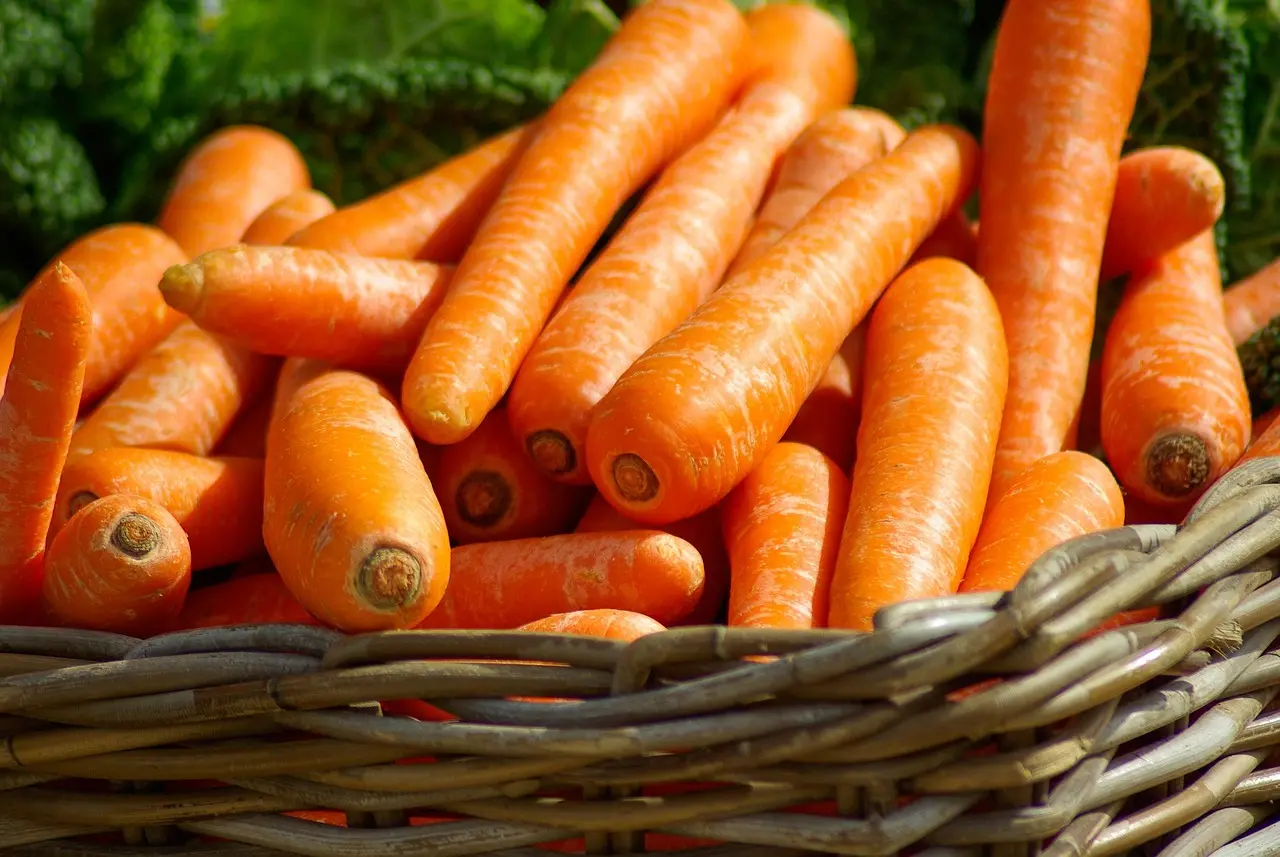


Synthetic fertilizers are safe when the product matches the crop and the application rate matches the bed size. The safety question breaks into three parts: whether the fertilizer can injure plants, whether misuse can affect edible tissue, and whether excess nutrients can move off-site in runoff.
Manufactured nutrient salts release nutrients fast. That helps when a crop needs a quick correction, but it also raises the cost of guessing. The same product can work in one bed and cause trouble in another if the soil is already fertile, the soil is sandy, or the dose is too high.
What makes synthetic fertilizer different?
Synthetic fertilizer is generally made from manufactured nutrient salts rather than compost or manure. It usually releases nutrients faster than organic fertilizer, so plants can respond quickly, but root burn and salt buildup are more likely if you exceed the label rate or place granules too close to stems.
For vegetables, the N-P-K ratio matters. Nitrogen supports leafy growth, phosphorus supports roots and flowering, and potassium supports general plant function. Leafy greens usually need a different balance than fruiting crops such as tomatoes or peppers, so the same bag is not a fit for every bed.
Label direction matters more than brand claims. A bag may sound ideal for vegetables, but the actual N-P-K ratio, application method, and timing determine whether it fits the crop. The label is the safety guide, not the marketing panel.
Fertilizer safety decision table
| Decision point | Risk level | Safe rate mindset | Red-flag mistakes |
|---|---|---|---|
| Soil test result | Low if you test first; higher if you guess | Use the test to avoid feeding what is already sufficient | Applying a full dose before checking nutrients or pH |
| Crop type | Low when the N-P-K ratio matches the crop | Choose a ratio for leafy greens or for fruiting crops, not both by default | Using the same fertilizer on every vegetable |
| Soil texture | Higher in sandy soil; moderate in loam; watch containers closely | Use smaller, more careful applications where nutrients move fast | Heavy doses in sandy beds or potting mix |
| Garden format | Raised beds and containers need closer control than in-ground beds | Measure by bed area and water management, not by guesswork | Throwing on a lawn-style dose without converting the area |
| Application method | Lower when you place product correctly and water it in | Keep granules off leaves and stems; side-dress heavy feeders away from the base | Broadcasting onto wet foliage or piling fertilizer against stems |
Do you need a soil test before fertilizing?
A soil test should come before product choice whenever possible. It shows existing nutrient levels and pH, which helps prevent overfertilization and points you toward the right product and rate. Without that information, gardeners often add nutrients the soil does not need.
That matters because overapplication can lead to nutrient runoff and soil degradation. It can also push the soil toward the wrong chemistry for the crop. A test is not only about saving fertilizer. It is about avoiding a mismatch that keeps plants from using what you spread.
What changes after a soil test?
pH readings tell you whether the soil is likely to hold nutrients well or lose them. Nutrient readings show whether nitrogen, phosphorus, potassium, or other elements are already available. If the test shows sufficient phosphorus, for example, a high-phosphorus starter product is a poor fit.
Some gardens can wait a short time for testing, especially if the plants are established and not showing obvious deficiency. But if you are starting a new bed, feeding a container system, or deciding between products, the test should come first.
How much synthetic fertilizer should I use in a vegetable garden?
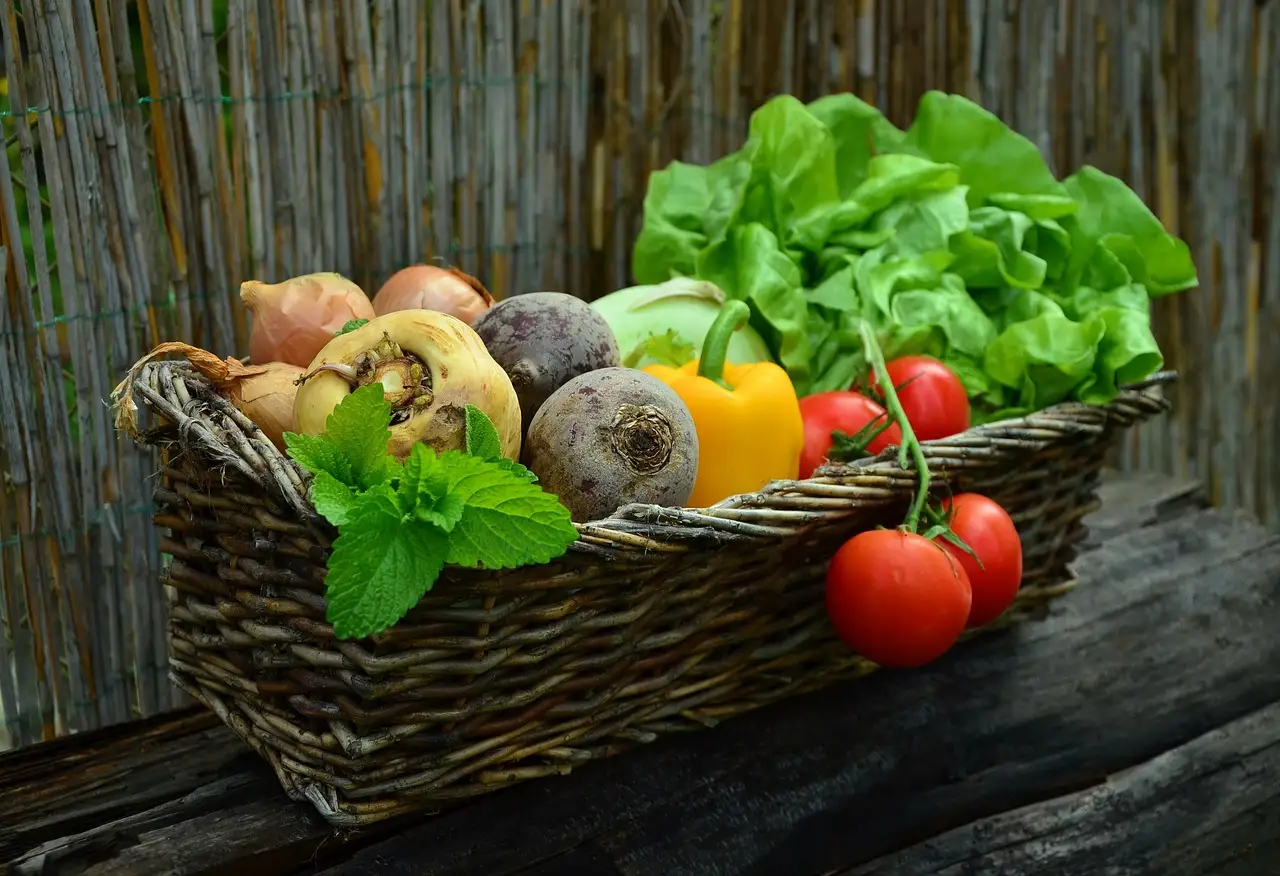
Use the label rate and calculate it by bed area, not by guess. Extension rates are commonly given per 100 square feet or per 1,000 square feet. If you do not have a test yet, Texas A&M recommends 2 to 3 pounds of balanced fertilizer per 100 square feet without a soil test.
That is a fallback, not a default strategy for every bed. The safer approach is to match the fertilizer grade to the crop and then measure the application carefully. A too-strong dose can injure roots, stress seedlings, and waste money in runoff.
How to read the rate correctly
Suppose a label says 1 pound per 100 square feet and your bed is 50 square feet. You would use half a pound. If the label gives a rate per 1,000 square feet, convert the bed size before you spread anything. That simple math prevents many overapplications.
Leafy greens often need more nitrogen than fruiting crops. Fruiting crops usually need a more balanced approach, especially once they start setting fruit. In sandy soil, nutrients move more quickly, so smaller doses matter more. Container gardens need even tighter control because the root zone is small.
A common first-timer mistake is treating a 4-by-8-foot bed like lawn turf. The bed is only 32 square feet, so a turf-style spread can be far too much. That is how a reasonable fertilizer bag turns into burned edges, weak roots, and a runoff problem.
How do you apply it without burning plants?
Apply fertilizer away from stems and leaves, then water it in after application. Side-dressing is the mid-season method often used for heavy feeders such as tomatoes, peppers, squash, and corn. It keeps fertilizer away from plant bases, which lowers the chance of plant burn.
Plant burn happens when concentrated fertilizer contacts foliage or roots directly, or when the rate is simply too high. Synthetic granules can be especially harsh because they release nutrients quickly. Watering in helps move nutrients into the root zone and off the leaf surface.
Safe handling steps
- Wear gloves when handling powders or granules.
- Keep bags closed until you are ready to measure.
- Use a dust mask or respirator if the label calls for it, or if dust is getting into your breathing zone.
- Measure the dose for the exact bed area.
- Spread fertilizer on dry soil, not wet foliage.
- Keep granules a few inches from stems when side-dressing.
- Water the area after application unless the label says otherwise.
Synthetic powders and granules can irritate during handling. That is a gardener safety issue, not just a plant issue. Dust control matters when you pour, spread, or refill a spreader, especially in still air or confined spaces.
Can synthetic fertilizer contaminate vegetables?
Synthetic fertilizer does not usually contaminate vegetables in the sense of making them unsafe to eat when it is used correctly. The real concerns are residue from direct contact, plant stress from overapplication, and nutrient movement into soil and water. The edible crop risk rises when fertilizer is misapplied onto foliage or harvestable tissue.
The bigger public-safety issue is runoff. Over-application can move nutrients into nearby water bodies, and chemical fertilizers can contaminate nearby water bodies through runoff. Excess nitrogen and phosphorus are linked to algal blooms, which is why garden scale and timing matter beyond the bed itself. (EPA)
Runoff risk in common garden setups
Raised beds can overflow faster if they are overwatered after a heavy feeding. Containers can leach nutrients out the drainage holes, especially in warm weather and porous mixes. Sandy ground can move fertilizer below the root zone before plants take it up.
For that reason, a product that looks safe on paper can still be the wrong choice in a loose, fast-draining bed. The product may be fine. The rate and timing may not be.
When is organic fertilizer safer?
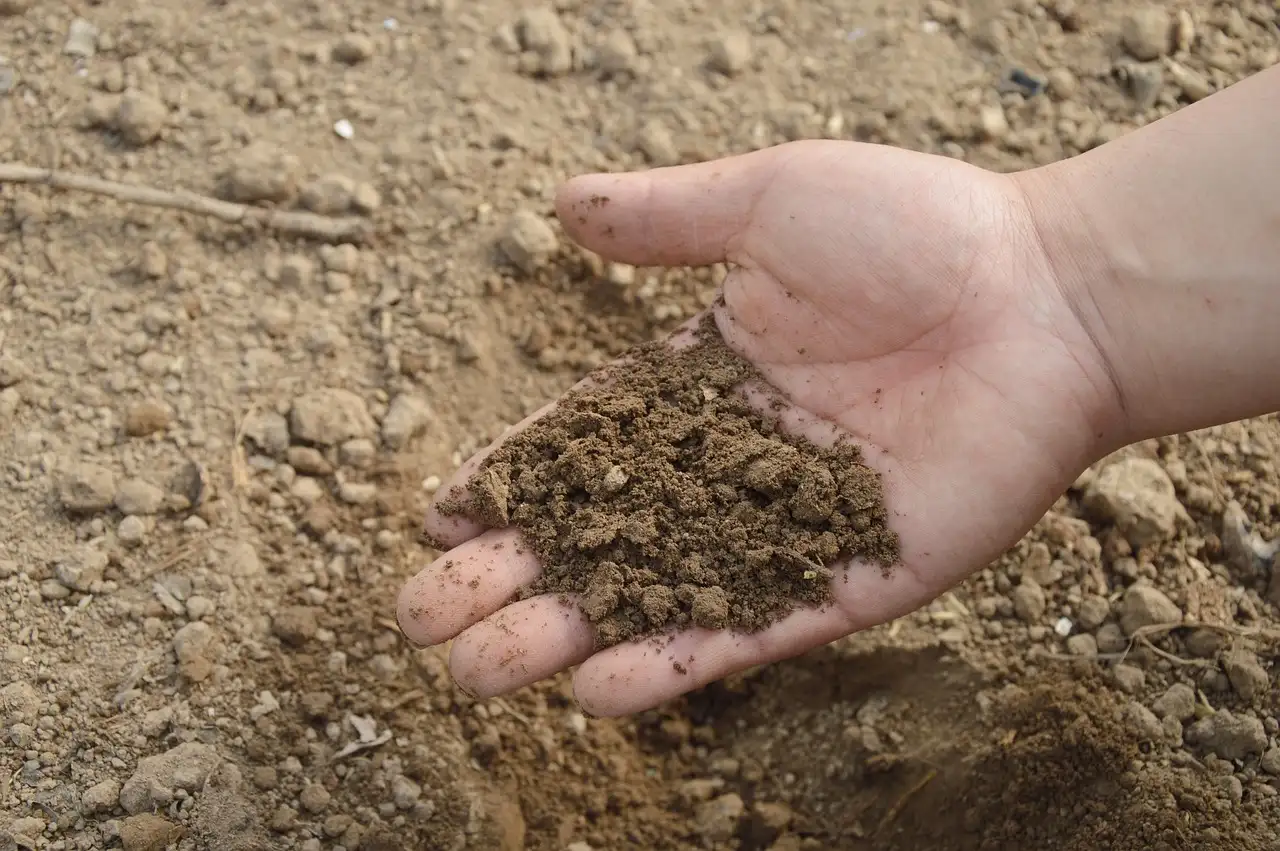
Organic fertilizer can be safer when the main concern is burn risk, because organic fertilizers release nutrients more slowly. Compost-based products and well-aged manure tend to be gentler on roots than concentrated synthetic granules. That does not make them automatically safe, though.
Fresh manure should not be used. Uncomposted manure can carry pathogens, so it is a food-safety problem as well as a nutrient source. Organic products can also be poorly matched to crop needs if they are applied without a soil test.
Choosing between organic and synthetic
Choose synthetic fertilizer when you need a known nutrient ratio, a fast correction, or a precise application in a small area. Choose organic fertilizer when you want slower release and are working with a system that benefits from added organic matter and soil biology support.
For edible gardens, the safest choice is not always one category. It is the product that matches the test, the crop, and the bed. If you need a quick nitrogen boost for a heavy feeder, a measured synthetic side-dress may be safer than an untested organic mix that can vary in nutrient content.
Picture a 4-by-10-foot raised bed with lettuce on one end and tomatoes on the other. A single all-purpose dose across the whole bed can overfeed one crop and underfeed the other. Split the bed by crop, read the label rate per area, and keep the product off the stems.
Frequently asked questions
Are synthetic fertilizers safe for vegetable gardens?
Yes, when the product is labeled for edible crops and you apply the exact rate for the garden size. The risks come from overapplication, poor placement, and the wrong product for the crop. Used correctly, synthetic fertilizer can be a practical tool rather than a hazard.
What is the safest fertilizer for a vegetable garden?
The safest fertilizer is the one matched to your soil test, crop type, and garden format. In many gardens, that means a low-risk, measured product rather than the gentlest-sounding one. Organic fertilizer can lower burn risk, but fresh manure is not safe, and synthetic products can be safe when used correctly.
Should I use organic or synthetic fertilizer for vegetables?
Use either one only after checking what the soil needs. Organic fertilizer releases nutrients more slowly and may support soil biology, while synthetic fertilizer gives faster, more precise nutrition. If you need a rapid correction and a clear rate, synthetic may fit better. If you need slower feeding, organic may fit better.
How do I apply fertilizer without burning vegetable plants?
Keep fertilizer off stems and leaves, side-dress heavy feeders away from the plant base, and water in after spreading. Measure the dose for the bed area, not by eye. Wear gloves, manage dust, and follow the label if it calls for breathing protection or other handling steps.
Do I need a soil test before fertilizing my vegetable garden?
Yes, whenever possible. A soil test shows nutrient levels and pH, which helps prevent overfertilization and guides product choice. If you are feeding a new bed, a container system, or a crop with a specific need, testing first gives you a better rate and a safer starting point.
Can I use lawn fertilizer in a vegetable garden?
Usually no, unless the label explicitly allows edible crops and the nutrient ratio fits the vegetable you are growing. Lawn fertilizer may contain herbicides or weed preventers that are not safe for food crops. Even when the numbers look close, the extra ingredients can make it the wrong product.