What Plants Are Usually in a Botanical Garden?
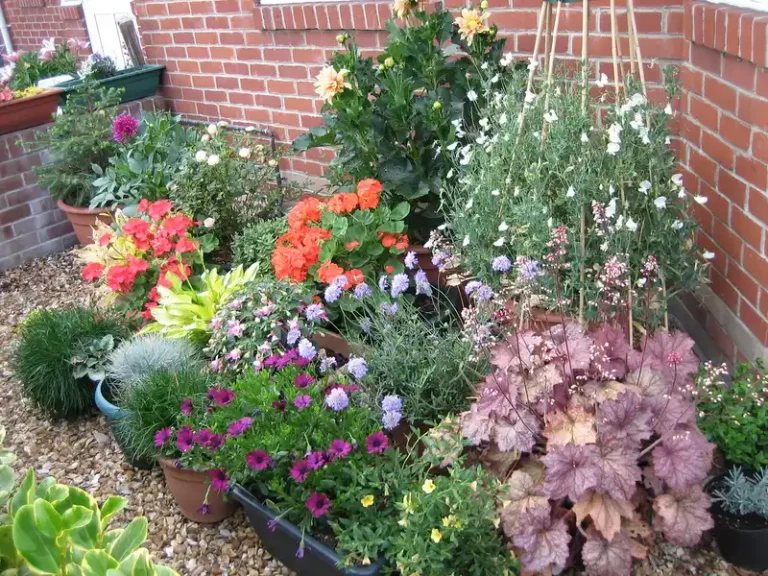
Botanical gardens often feature several main plant groups, including trees, shrubs, perennials, annuals, bulbs, and aquatic or tropical species, arranged by habitat or family. If labels are weak or the layout feels random, visitors lose the thread and the garden is harder to read. This guide maps the common plants you’ll see, where they usually appear, and why each group belongs there.
What is a botanical garden?

A botanical garden is often described as a public plant collection used for science, study, conservation, education, and display. It is not only a place for attractive beds. The plants are living records, documented and arranged so staff and visitors can compare families, habitats, and origins.
Living collections, not just display beds
Botanical gardens are living plant collections built to show how plants are related and how they differ. Many also include libraries, herbaria, museums, and research facilities, so the plants sit inside a scientific setting rather than an ornamental park layout.
That matters because the garden’s job reaches beyond decoration. Some plants are there for teaching. Some are there for conservation. Others are there so scientific staff can monitor them, name them, and compare them with related plants in the collection.
Why public access and scientific staff matter
Public access turns a research collection into a learning site. Scientific staff can document plants, update labels, maintain records, and support identifications. Many botanical gardens are run by universities or research groups, which is why the signage often looks more specific than in a neighborhood park.
A regular ornamental garden may aim for color and shape alone. A botanical garden still values display, but it also uses the planting to show how plants are grouped, where they come from, and how they are related.
How plants are grouped in a botanical garden
Plants are often grouped by taxonomy, origin, habitat, or use. That means you may see family plots, native sections, dryland beds, rainforest houses, or collections arranged by geological features. The layout is meant to make identification and comparison easier.
Taxonomy and plant families
Taxonomy is the scientific system used to name and group plants. In a botanical garden, that often shows up as plant family beds or neighboring specimens with shared traits. When similar plants sit together, visitors can compare leaf shape, flower structure, and growth habit faster.
Botanical names appear on labels because common names can vary by region and language. A label usually gives the scientific name, often the family, and sometimes origin information. That gives the visitor a fixed reference point, not a local nickname that changes from place to place.
Family plots, habitat groups, and origin labels
Some gardens arrange plants by plant families. Others group them by habitat, such as woodland, desert, wetland, or alpine. Many do both. Origin labels are useful too, because a plant from Madagascar or a coastal plain may need a very different setting from one collected in a dry inland region.
Say your first stop is a garden map with a rainforest house, a desert house, and a native section. You can read the layout quickly because each zone matches a growing need, not just a visual theme. That is how the garden is organized for study.
Common plants by zone
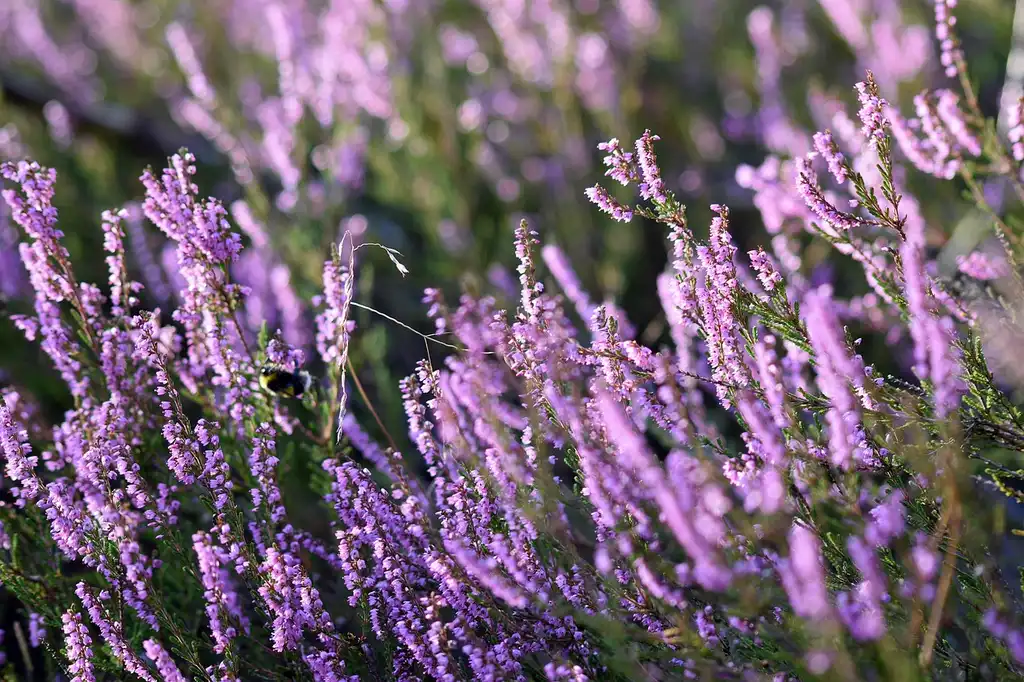
On a first visit, the easiest collections to spot are usually the specialty zones: greenhouse houses, succulent displays, herb beds, native plant sections, and arboretums. Indoor-only and climate-controlled collections often hold the most delicate plants. Outdoor beds usually hold the most seasonal variety.
Greenhouses, glasshouses, and shadehouses
Glasshouses and shadehouses are common structures in botanical gardens. A glasshouse or greenhouse gives controlled conditions for warm, damp tropical plants and other delicate species. A shadehouse filters light and suits plants that need protection from direct sun.
That is why tropical collections are often indoors, while shade-loving plants may sit under slatted roofs or mesh. Alpine plants can also appear in cool indoor displays, where temperature and moisture can be controlled more closely than in open ground.
Outdoor beds, ponds, and arboretums
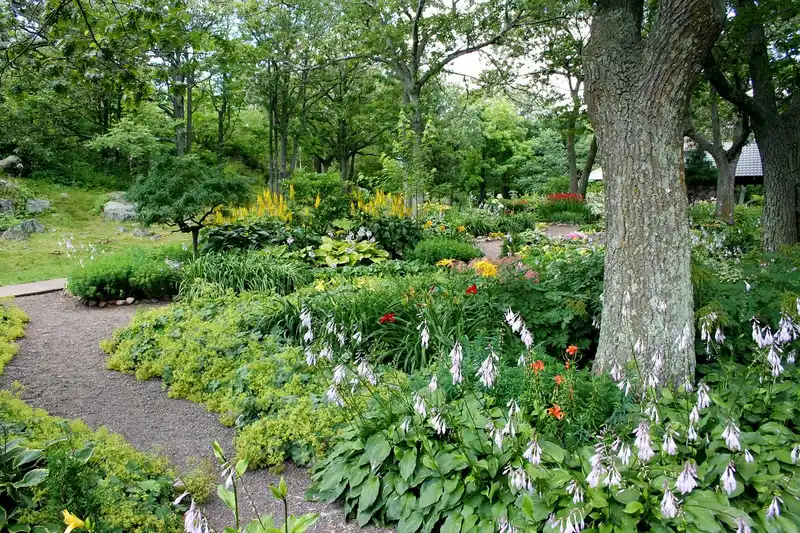
Outdoor beds usually hold plants that can match local weather, including perennials, annuals, bulbs, herbs, and native species. Pond margins and wetland areas support aquatic plants. An arboretum is a tree-focused collection, often part of a larger botanical institution, and it can hold both native and introduced trees.
A botanical garden may also use geological or habitat zones. Rock gardens often hold alpine plants. Dry beds often hold cacti and succulents. Native sections often show local species in combinations that resemble their natural communities.
What you usually see where
| Plant group | Typical garden zone | Why it’s included | One example |
|---|---|---|---|
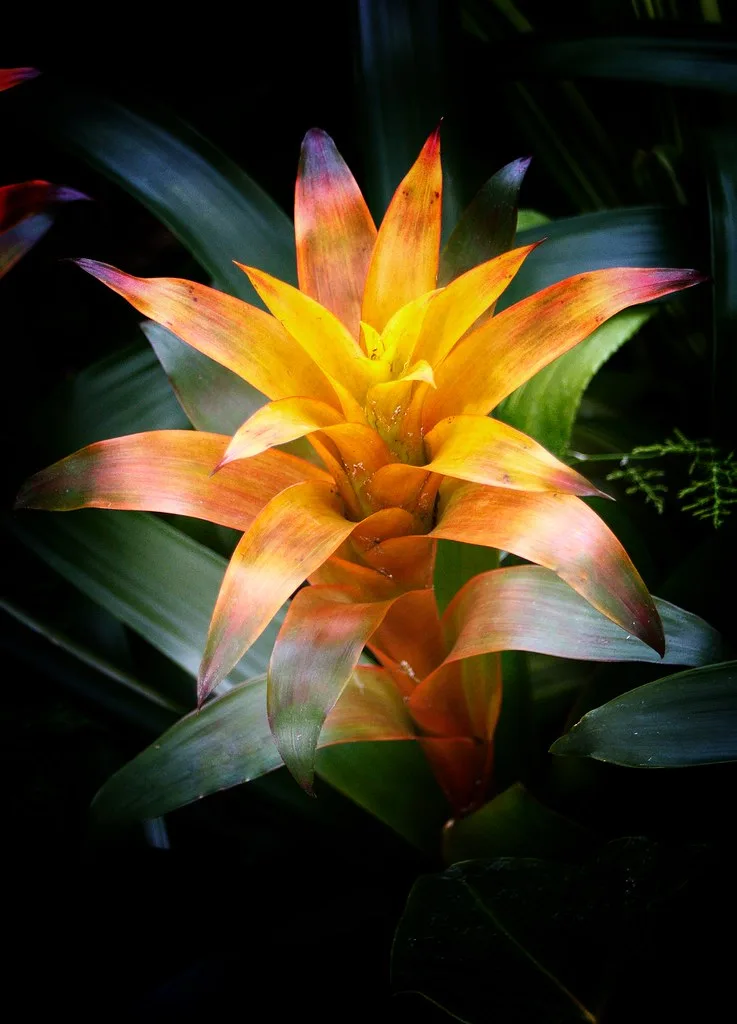
| Tropicals | Glasshouse or greenhouse | Need warm, humid conditions that protect them from cold | Bird of paradise |
| Succulents | Dryland bed or desert house | Show water-storing forms and drought adaptation | Aloe |
| Cacti | Desert house | Specialty collection for spiny, drought-adapted species | Prickly pear |
| Herbs | Herb bed | Teach edible, fragrant, and medicinal uses | Basil |
| Native plants | Native section | Show local flora and support regional ecology | Milkweed |
| Trees and arboretum specimens | Arboretum | Document tree diversity and long-lived woody plants | Ginkgo |
| Flowering perennials | Border bed | Offer repeat seasonal bloom and easy comparison | Echinacea |
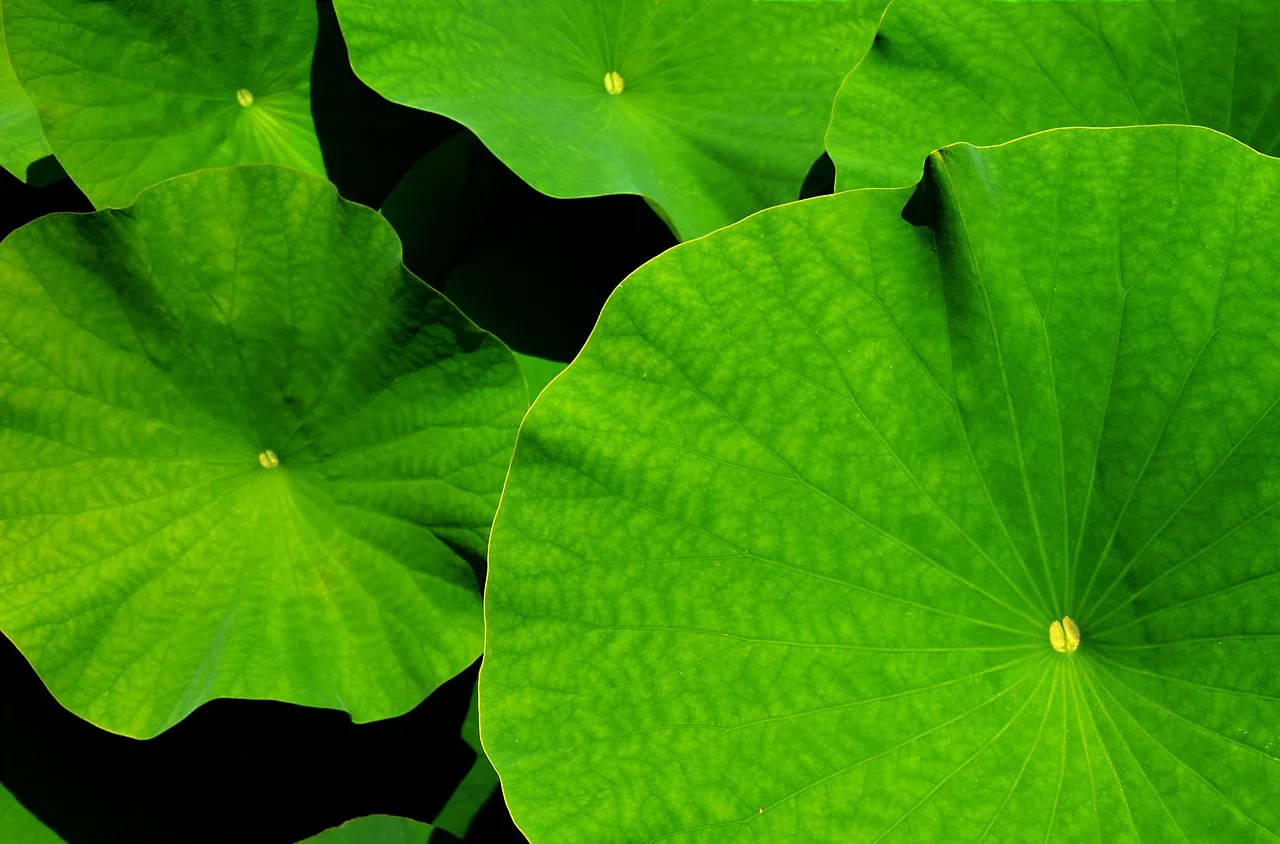
| Aquatic plants | Pond area or wetland bed | Show plants adapted to standing water or muddy edges | Water lily |
| Alpine plants | Alpine house or rock garden | Need cool, well-drained conditions and protection from heat | Gentian |
| Rare conservation plants | Special collection bed or secure greenhouse | Protect endangered species and maintain documented stock | Franklin tree |
What plants are in a botanical garden?
You usually see a mix of show plants and study plants: trees, shrubs, perennials, annuals, bulbs, herbs, aquatic plants, succulents, cacti, native species, and rare plants. Some gardens also grow crops, ferns, orchids, and houseplants. The exact mix depends on climate, space, and mission.
Common groups visitors notice first
Flowering perennials and annuals are often the easiest to spot because they change through the season. Herbs are easy too, especially in themed beds with labels for scent, cooking, or medicinal use. Trees and shrubs form the backbone of many outdoor collections.
Specialty groups are common but may take more searching. Cacti and succulents often stay in one clearly marked area. Tropical plants are often inside. Alpine plants may be tucked into cool or rocky displays. Rare conservation plants may be visible but set apart from the main walkways.
Why some plants are kept indoors
Plants are kept indoors when the local climate would damage them or when staff need tighter control over light, heat, or humidity. Tropical plants, many alpine plants, and delicate species are often grown in greenhouses or glasshouses because the outdoor climate is too harsh or too unstable.
Tropicals in controlled climates
Do botanical gardens have tropical plants? Yes. Many do, and the most common setting is a greenhouse or glasshouse. These structures let staff create warm, damp conditions for plants that would not survive cold winters outdoors. Some gardens can close during winter in colder climates.
A common first-timer mistake is to expect the tropical house to look like the outdoor beds. It usually does not. The soil, humidity, and air movement are controlled, so the collection can include delicate foliage, orchids, and other plants that would fail in open air.
Alpine plants in cool displays
Do botanical gardens have alpine plants? Yes, and they are often kept in cool displays, rock gardens, or specialized houses. These plants need cool conditions and excellent drainage, so a warm outdoor border usually is not suitable. The display helps visitors see plants from high elevations in one place.
That controlled setup is practical for visitors too. You can compare alpine forms without hiking to a mountain habitat, and staff can protect species that are sensitive to heat or summer rain.
Delicate species and seasonal rotation
Some plants are indoors only for part of the year. Others rotate between display and propagation areas. That is one reason botanical gardens can feel seasonal: the public areas change, but the documented collection remains under care behind the scenes.
Why labels matter
Botanical garden plants are carefully labeled with their botanical names because the labels let you identify the plant precisely. Botanical garden labels often include the botanical name, family, and origin. That helps visitors compare plants, and it helps staff keep records tied to the living collection.
Botanical names and origin information
Botanical names reduce confusion when one common name covers several species. A label may also note where a plant comes from, such as a region, country, or habitat. That matters when the collection is grouped by origin or when the same genus contains plants from very different places.
For visitors, labels turn a walk into a usable lesson. You can link the plant in front of you to a family, a region, or a habitat, instead of treating it as an unnamed specimen.
How labels help visitors learn
Labels also make guided tours and self-guided visits easier. If you already know the family name, you can notice repeating traits across the collection. If you are learning from scratch, the label gives you a reliable starting point for future comparisons.
- Start with the zone name on the map.
- Read the plant label for the botanical name.
- Check the family and origin information.
- Compare nearby plants with the same traits.
- Note whether the plant is in a greenhouse, shadehouse, or open bed.
How botanical gardens help conserve rare plants
Botanical gardens can grow living collections, display diversity, and support conservation. Rare and endangered species may be kept in documented plantings, protected houses, or seed collections. Some gardens also store pressed specimens in herbaria for identification and research.
Rare and endangered species collections
How do botanical gardens help conserve rare plants? They can hold backup living plants, manage seed harvests, and keep records that track origin and identity. That makes the collection more useful than a display bed alone, because each plant can be tied to research and recovery work.
Rare plants are often separated from high-traffic areas. Some are grown behind the scenes, while others appear in small, carefully signed displays. The goal is protection as much as public viewing.
Herbaria, pressed specimens, and research use
A herbarium is a collection of pressed dried plant specimens used for identification and research. It is not the same as the living garden, but it supports it. Staff can compare a living plant with a preserved specimen, which helps confirm names and record changes over time.
Herbaria matter when a plant is hard to identify from a brief flowering window or when a collection contains look-alike species. The living plant shows form and habit. The preserved specimen records the diagnostic details.
Frequently asked questions
What makes a botanical garden different from a regular garden?
A botanical garden is built for education, science, conservation, and display, not only for appearance. Plants are documented, labeled, and grouped to show relationships, origin, or habitat. Many gardens also include research facilities, herbaria, and public learning spaces that a regular garden usually does not have.
How are plants grouped in a botanical garden?
Plants are often grouped by taxonomy, plant family, habitat, geographic origin, or use. You may see family plots, native sections, desert houses, rainforest houses, alpine displays, or arboretums. This organization helps visitors compare similar plants and helps staff manage the collection accurately.
Why are botanical garden plants labeled?
Labels identify the botanical name, and often the family and origin, so the plant can be studied and compared consistently. Common names can vary, but scientific names stay fixed within taxonomy. Labels also help visitors connect each plant to its habitat, use, and related species.
Do botanical gardens have herbs and crop plants?
Yes. Many botanical gardens have herb beds with cooking plants, and some include crop plants or themed edible collections. These beds help visitors learn about fragrance, flavor, and plant use. They also show how useful plants fit into the wider collection, not just into kitchen gardening.
What plants do botanical gardens keep in greenhouses?
Greenhouses usually hold tropical plants, delicate species, and sometimes alpine plants that need controlled conditions. They may also hold seasonal collections or plants that cannot survive local weather. Glasshouses and shadehouses let staff adjust heat, humidity, and light in ways that outdoor beds cannot.