What Makes Botanical Gardens Such A Popular Tourist Attraction?
Botanical gardens are popular tourist attractions because they offer a unique blend of natural beauty, educational opportunities, and recreational experiences. They appeal to a wide audience by providing serene environments, diverse plant collections, and engaging activities, making them cherished destinations for both locals and travelers seeking connection with nature and knowledge.

As an Amazon Associate I earn from qualifying purchases.
For a related plant-care question, What Is The Proposed Sequence In Plant Evolution? Explained gives readers a more focused follow-up.

The Allure of the Green Oasis
Botanical gardens are more than just pretty places. They are carefully planned spaces. These spaces showcase the incredible world of plants.
Think about stepping into a different climate. You might see plants from the desert or a tropical rainforest. It is all right there.
This variety is a huge draw. People love seeing things they cannot see in their own backyard.
The sheer diversity of plant life is stunning. You can find flowers in every color imaginable. There are trees that are ancient.
There are plants with strange shapes. Some plants even have odd smells. This sensory feast is very engaging.
It makes the visit memorable. It’s a chance to learn without feeling like you are in school.
The atmosphere plays a big role too. Gardens are often very quiet. The sounds of the city fade away.
You hear birds chirping. You might hear a gentle fountain. The air can feel fresher.
This peacefulness is a big reason people visit. They want to relax and unwind. It’s a break from busy, stressful lives.
It’s a way to reconnect with nature.
These gardens are like living museums. They hold vast collections of plants. Some are rare.
Some are endangered. Scientists and plant lovers work hard to preserve them. Visitors get to see these unique species up close.
This helps people appreciate nature more. It shows the importance of conservation efforts.
The way these gardens are designed is also key. They are not just random patches of green. Paths wind through the grounds.
There are benches to sit and rest. There are often themed areas. You might find a rose garden.
Or a Japanese garden. Each area has its own feel. This thoughtful design makes exploring fun.
It guides you through the experience.
Many gardens offer special events. Think about summer concerts. Or art exhibits among the flowers.
These add another layer of appeal. They give people more reasons to visit. They make the garden a vibrant community hub.
It’s not just about looking at plants.
My First “Wow” Garden Moment
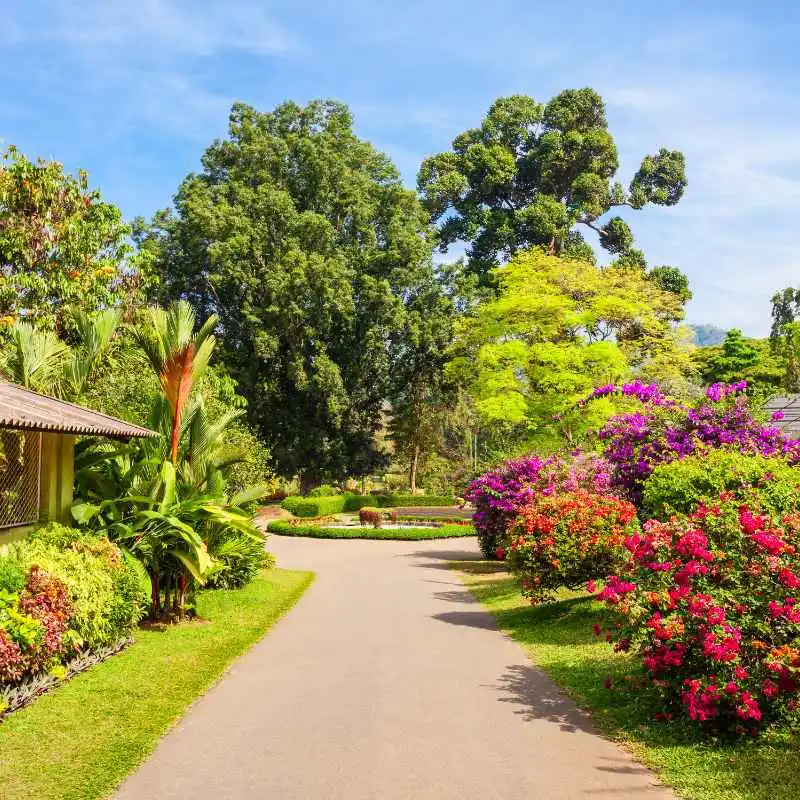
I remember visiting a large botanical garden for the first time. It was a bright, sunny Saturday. I had heard it was nice, but I wasn’t prepared for what I saw.
I walked through the main gates and it was like stepping into another world. The city noise just vanished. In its place was a gentle hum of insects and distant bird calls.
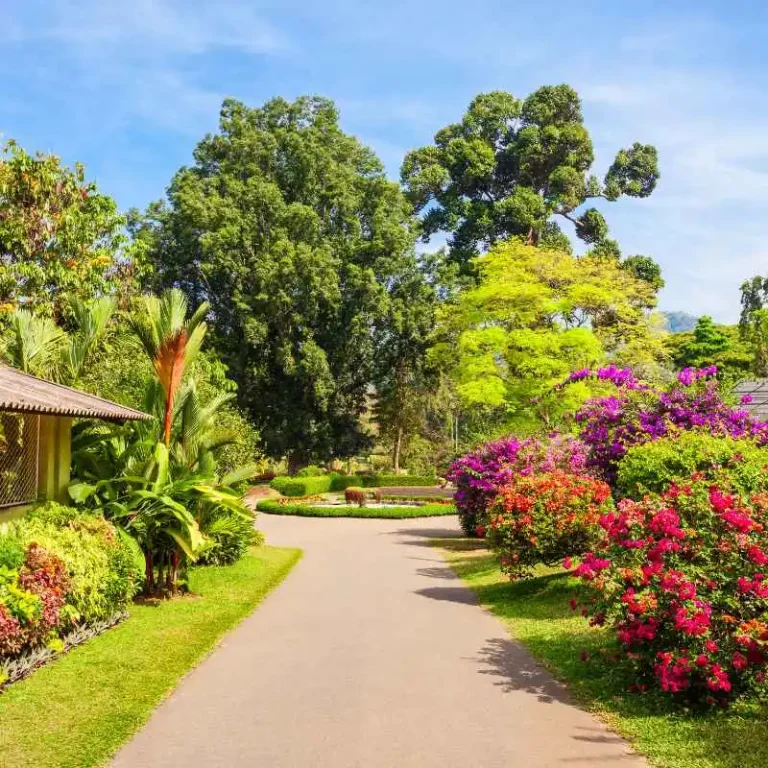
My eyes didn’t know where to focus first. There were towering trees with huge leaves. Brightly colored flowers spilled from beds.
A winding path led me deeper in. I felt a sense of wonder. I felt small but in a good way.
I saw families laughing. I saw couples holding hands. I saw people quietly sketching plants.
I spent hours there. I got lost on purpose. I found a hidden pond with lilies.
I sat on a bench and just breathed it all in. It felt incredibly refreshing. It was a pure escape.
That day, I truly understood why people seek out these green spaces. They feed the soul.
Top Reasons Visitors Flock to Botanical Gardens
Nature’s Beauty: Simply stunning displays of flowers, trees, and landscapes.
Peace and Quiet: A serene escape from urban hustle and bustle.
Learning About Plants: Discovering new species and plant science.
Outdoor Activity: Gentle walking and exploring in a pleasant environment.
Photography: Ideal spots for beautiful nature shots and artistic photos.
Family Fun: Engaging for all ages, often with play areas or educational programs.
The Educational Power of Plants
Botanical gardens are fantastic learning centers. They teach visitors about the plant kingdom. This happens in a very engaging way.
Many gardens have signs. These signs tell you the plant’s name. They tell you where it comes from.
They might share a cool fact about it.
This information is presented simply. It’s not like a dry textbook. You are standing right next to the plant.
You can see it. You can smell it. This makes the learning stick.
Kids especially benefit from this. They can see a Venus flytrap and be amazed. They learn about its trapping mechanism.
There are often special exhibits. These exhibits focus on a certain type of plant. Or they might focus on a specific region.
You could learn about medicinal plants. Or plants used in cooking. This deepens understanding.
It shows how plants impact our lives every day.
Many gardens offer guided tours. A knowledgeable guide can point out interesting details. They can answer questions.
This expert guidance is valuable. It unlocks deeper appreciation for what you are seeing. They share stories about the plants.
Workshops and classes are common. You can learn about gardening. You can learn about plant propagation.
Or even flower arranging. These hands-on activities are very popular. They give visitors a skill.
They make the garden experience more active.
The scientific role of botanical gardens is crucial. They are centers for research. They help identify and classify plants.
They work on plant conservation. Sharing this work with the public is important. It raises awareness.
It shows the practical value of botany.
Even without formal programs, gardens teach. Just by walking through, you learn. You start to notice differences.
You see how plants adapt to different conditions. You might see plants growing on rocks. Or plants that thrive in shade.
It’s informal education at its finest.
A Different Kind of Outdoor Adventure
Visiting a botanical garden is an adventure. It’s not like hiking a rough trail. It’s a softer kind of exploration.
The paths are usually well-maintained. They are easy to walk on. This makes it accessible for many people.
Older adults can enjoy it. Families with young children can visit easily.
The scale of many gardens is impressive. They can be quite large. Exploring them takes time.
This encourages slow movement. It promotes mindfulness. You are encouraged to linger.
To observe. To simply be present.
There’s a sense of discovery. You never know what you might find around the next bend. A hidden sculpture.
A peaceful water feature. A unique plant specimen. This element of surprise keeps things exciting.
It makes each visit feel fresh.
Photography is a big draw for many. The vibrant colors and textures are a dream for photographers. People love capturing the beauty.
They share these photos online. This helps spread the word about the gardens.
Planning Your Garden Visit: Quick Tips
- Check Hours: Gardens have specific opening and closing times.
- Wear Comfy Shoes: You’ll be doing a lot of walking.
- Bring Water: Stay hydrated, especially on warm days.
- Pack Snacks: Some gardens allow them, check rules.
- Camera Ready: Capture the stunning sights.
- Check for Events: See if any special activities are happening.
- Know the Rules: Avoid picking flowers or straying off paths.
Creating Calm in Busy Lives
In today’s fast-paced world, stress is common. People are always looking for ways to de-stress. Botanical gardens offer a perfect solution.
They are designed to be calming spaces. The gentle sounds and sights help quiet the mind.
The presence of nature is scientifically proven to reduce stress. Looking at greenery can lower blood pressure. It can improve mood.
Spending time in a garden is good for mental health. It’s like a natural therapy session.
The structured beauty of a garden is also reassuring. Things are organized. There is order.
This can be very comforting. It contrasts with the chaos sometimes felt in daily life. The symmetry of flower beds or the straight lines of pathways bring a sense of calm.
Many gardens have quiet zones. These are perfect for meditation or just sitting peacefully. You can escape the noise.
You can find a secluded spot. It’s a chance for introspection. For reflection.
The act of walking itself is therapeutic. Gentle exercise releases endorphins. These are mood-boosting chemicals.
Walking through beautiful surroundings makes this exercise even more enjoyable. It doesn’t feel like a chore.
For some, gardens are a spiritual place. They feel a connection to something larger. They find peace in the natural world.
It’s a place to feel grounded. To feel connected to the earth.
Even a short visit can be beneficial. Many people pop into a garden during their lunch break. Or on their way home.
A few minutes surrounded by nature can make a big difference. It’s an accessible way to improve well-being.
Community and Social Connection
Botanical gardens are more than just individual experiences. They are places where people connect. They bring communities together.
They serve as gathering spots.
Families often visit gardens. It’s a safe and engaging place for children. They can run around.
They can explore. Parents can relax knowing their kids are in a pleasant environment. It’s a great alternative to screen time.
Friends meet at gardens. They might have a picnic. They might just stroll and chat.
The relaxed setting makes conversation flow easily. It’s a pleasant place to socialize.
Gardens often host events. These can be for the public. They might be member-only events.
This fosters a sense of belonging. People feel part of a shared interest group.
Volunteer opportunities are common. People can help with gardening. They can help with visitor services.
This builds strong community ties. It gives people a stake in the garden.
The diversity of visitors is also interesting. You see people from all walks of life. Different ages, different backgrounds.
Everyone comes together for the love of plants and beauty. This shared appreciation can be a unifying force.
Some gardens have cafes or gift shops. These become social hubs. People meet there before or after their visit.
It adds to the overall experience.
Garden Environments: What You Might Find
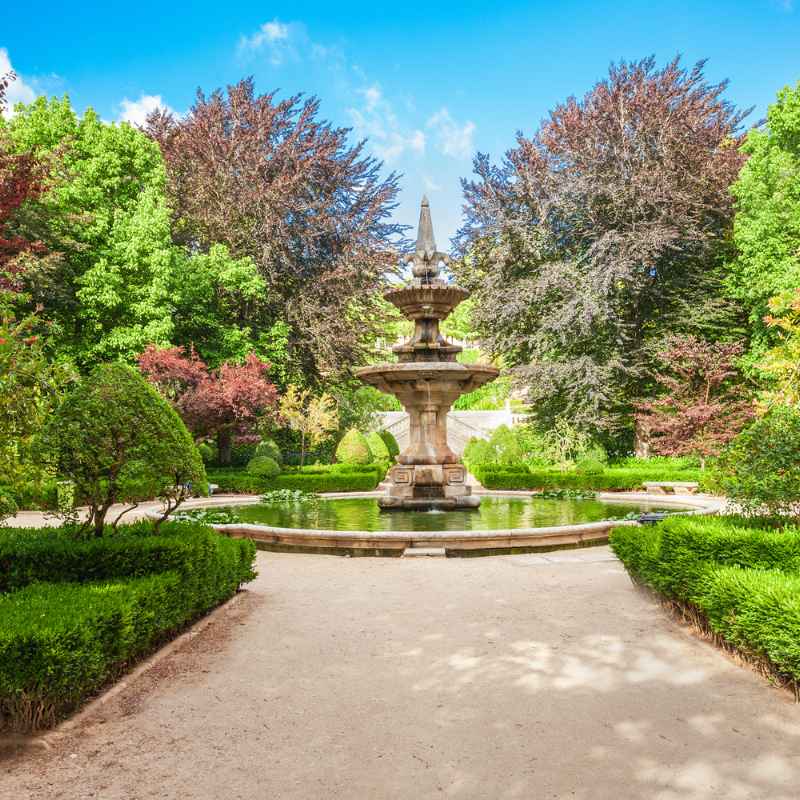
Formal Gardens: Perfectly manicured beds, geometric patterns, classical sculptures.
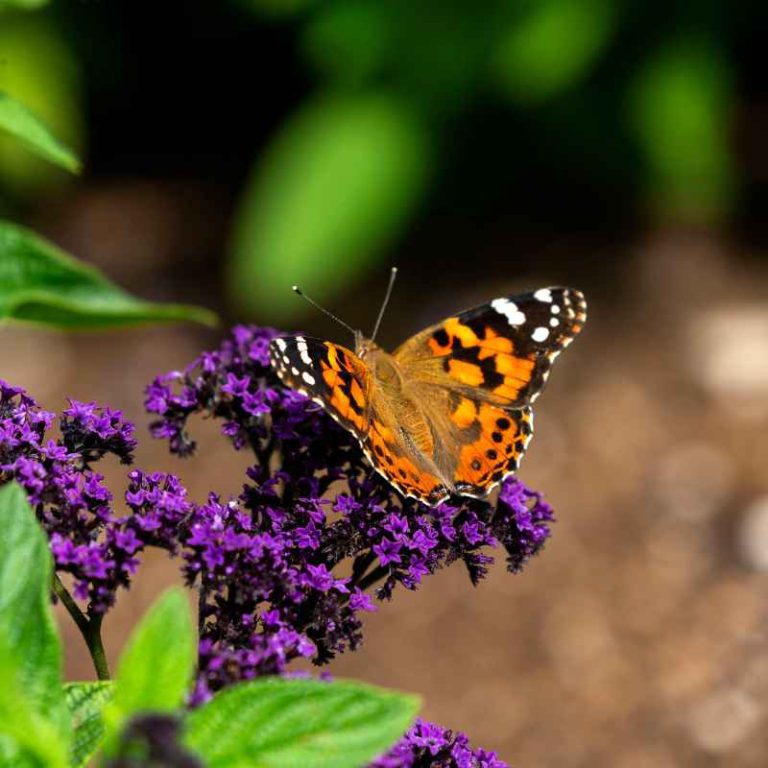
Wildflower Meadows: Naturalistic planting, attracting bees and butterflies.
Woodlands: Shaded paths, diverse trees, ferns, and shade-loving plants.
Water Gardens: Ponds, streams, aquatic plants, and relaxing water features.
Themed Gardens: Herb gardens, rose gardens, children’s gardens, sensory gardens.
Conservatories: Indoor glasshouses housing tropical or desert plants.
Special Collections and Unique Attractions
What really sets many botanical gardens apart are their special collections. These are not just random plants. They are carefully curated.
They often focus on specific plant families or types.
Think about a rose garden. Thousands of roses bloom there. Each with a different scent and color.
Or a cactus and succulent collection. These can be incredibly diverse. They show amazing adaptations to dry climates.
Some gardens have national collections. These are the best places in the country to see a particular plant group. Like orchids.
Or native wildflowers. This makes them destinations for enthusiasts.
Thematic design also plays a role. You might find a Japanese garden. It features specific plants, rocks, and water.
It’s designed for peace and reflection. Or a Mediterranean garden. It uses plants that thrive in that climate.
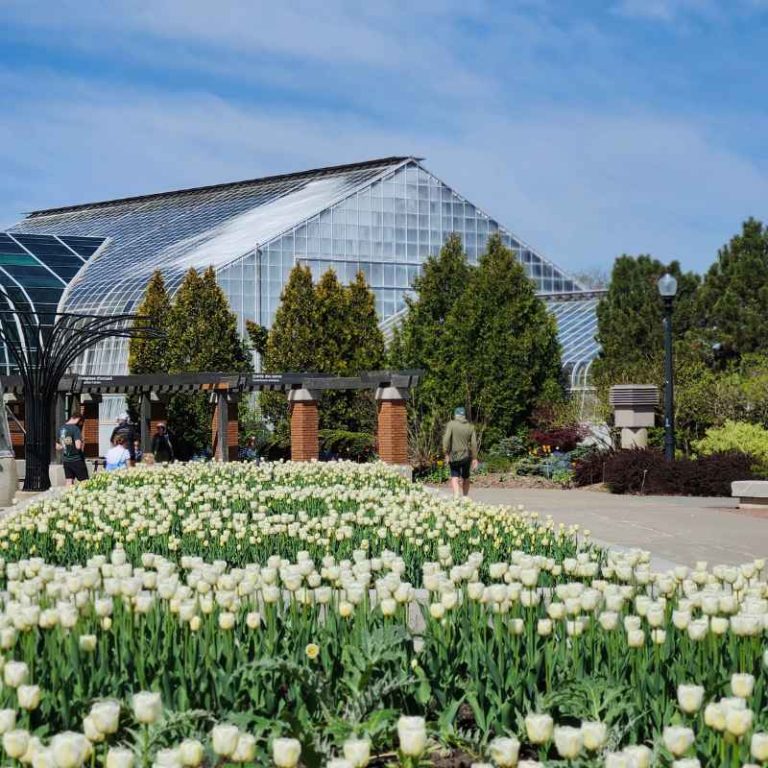
Conservatories are often a highlight. These large glass buildings house plants that need specific temperatures and humidity. You can walk through a steamy tropical forest.
Or a dry desert landscape. All under one roof. They are fascinating to explore.
Living collections are dynamic. Plants grow. They change with the seasons.
This means a garden is never the same. You can visit multiple times a year. And see something new each time.
This encourages repeat visits.
Horticultural displays are also key. These are artistic arrangements of plants. They change seasonally.
They can be very elaborate. They showcase the skill of the gardeners.
When is it Just a Park?
It’s a good question: what makes a botanical garden different from a regular park? While both offer green space, botanical gardens have a distinct purpose.
Parks are primarily for recreation. They might have playgrounds. Sports fields.
Open lawns for picnics. They are functional spaces for public use.
Botanical gardens, on the other hand, have a strong educational and scientific mission. They focus on collecting, cultivating, and displaying a wide range of plants.
Key Differences:
- Collection Focus: Botanical gardens have organized collections of labeled plants. Parks usually have decorative planting.
- Scientific Purpose: Gardens often conduct research and conservation. Parks are mainly for leisure.
- Educational Content: Gardens provide extensive information about plants. Parks may have interpretive signs, but less plant-specific detail.
- Curated Design: Gardens are meticulously designed to showcase plant diversity. Parks are often more open and freeform.
So, while a park might have beautiful trees, a botanical garden will have trees from different continents, labeled clearly, perhaps with information on their conservation status. It’s the depth of plant knowledge and presentation that defines a botanical garden.
Making the Most of Your Visit
To truly enjoy a botanical garden, a little preparation helps. Think about what you want to get from your visit.
For Relaxation: Look for gardens with quiet areas or water features. Bring a book or just find a bench.
For Learning: Check the garden’s website for guided tours or special exhibits. Plan to spend time reading the plant labels.
For Families: Many gardens have children’s sections or discovery programs. Look for these in advance.
For Photographers: Visit during the golden hours – early morning or late afternoon. The light is softer then.
Consider the Season: Gardens change dramatically. Spring brings blooms. Summer is lush.
Autumn offers colorful foliage. Winter can reveal interesting plant structures and offer peaceful walks.
Don’t try to see everything in one go. Pick a section that interests you most. Enjoy it fully.
You can always come back for more.
When to Seek Professional Advice
Pest Infestations: If you see widespread damage to plants that you can’t identify or control.
Unusual Plant Health Issues: Plants showing signs of disease that doesn’t improve with basic care.
Rare Plant Identification: If you find a plant you suspect is rare or endangered.
Large-Scale Garden Design: For complex landscaping projects beyond simple planting.
Horticultural Consulting: For specific advice on growing challenging plants or improving garden conditions.
What This Means for You
Understanding why botanical gardens are popular helps you appreciate them more. They offer a rich experience. They are places of beauty.
They are places of learning. They are places of peace.
When you visit, remember you are stepping into a living collection. It’s a place dedicated to the wonder of plants. Whether you are a seasoned gardener or just looking for a nice day out, there is something for everyone.
It’s an accessible form of nature connection. You don’t need special gear. You just need a bit of curiosity.
And a willingness to explore.
Common Questions About Botanical Gardens
Are botanical gardens expensive to visit?
Many botanical gardens have an admission fee. However, some offer free entry on certain days or times. Membership can also be a cost-effective option if you plan to visit often.
Check the garden’s website for current pricing and any discounts.
Can I bring my pet to a botanical garden?
Generally, pets are not allowed in botanical gardens. This is to protect the delicate plant collections from damage and to ensure the safety and comfort of all visitors. Service animals are usually permitted, but it’s best to check the garden’s specific policy beforehand.
What’s the difference between a botanical garden and an arboretum?
An arboretum is a specialized garden that focuses on trees. It collects and displays a wide variety of tree species. A botanical garden is broader and includes many types of plants, such as flowers, shrubs, and aquatic plants, in addition to trees.
Are botanical gardens good for mental health?
Yes, absolutely. Studies show that spending time in nature, like in a botanical garden, can reduce stress, improve mood, and boost overall well-being. The peaceful environment and natural beauty are very therapeutic.
What should I wear to a botanical garden?
Comfortable clothing and walking shoes are recommended. Depending on the weather, you might need sun protection like a hat and sunscreen, or a light jacket for cooler days. Layers are always a good idea as you might move between different microclimates within the garden.
Do botanical gardens only have flowers?
No, botanical gardens have a vast array of plants. This includes trees, shrubs, grasses, ferns, succulents, cacti, and aquatic plants, in addition to flowers. They aim to showcase the diversity of the plant kingdom.
Are botanical gardens important for conservation?
Yes, they play a vital role in plant conservation. Many botanical gardens maintain living collections of rare and endangered species, contribute to seed banks, and participate in reintroduction programs to help protect plant biodiversity.
The Lasting Appeal of Green Spaces
Botanical gardens hold a special place in our hearts. They are vibrant, living spaces. They offer beauty, knowledge, and peace.
Their popularity is well-earned. They connect us to the natural world. And to each other.
They will continue to be cherished destinations for years to come.
Related pick: Check today's price on Amazon