How Botanical Gardens Support Pollinators and Biodiversity
Botanical gardens can support bees, butterflies, beetles, and other wildlife when they include native host plants, staggered bloom, water, nesting sites, reduced pesticides, and active habitat management; on a visit, look for about three or more of those signs. Without those practices, a garden can look varied while feeding few insects and supporting little wildlife. This guide shows what to look for, what evidence matters, and how to tell habitat from decoration.
What botanical gardens do for wildlife
Botanical gardens are living plant collections first, but the better ones also work as managed conservation habitat. That means they can hold research plots, native habitat patches, and plant-pollinator interaction networks alongside display beds. The difference matters: a garden full of ornamentals may be attractive, yet still offer little nectar, pollen, shelter, or movement paths for insects.
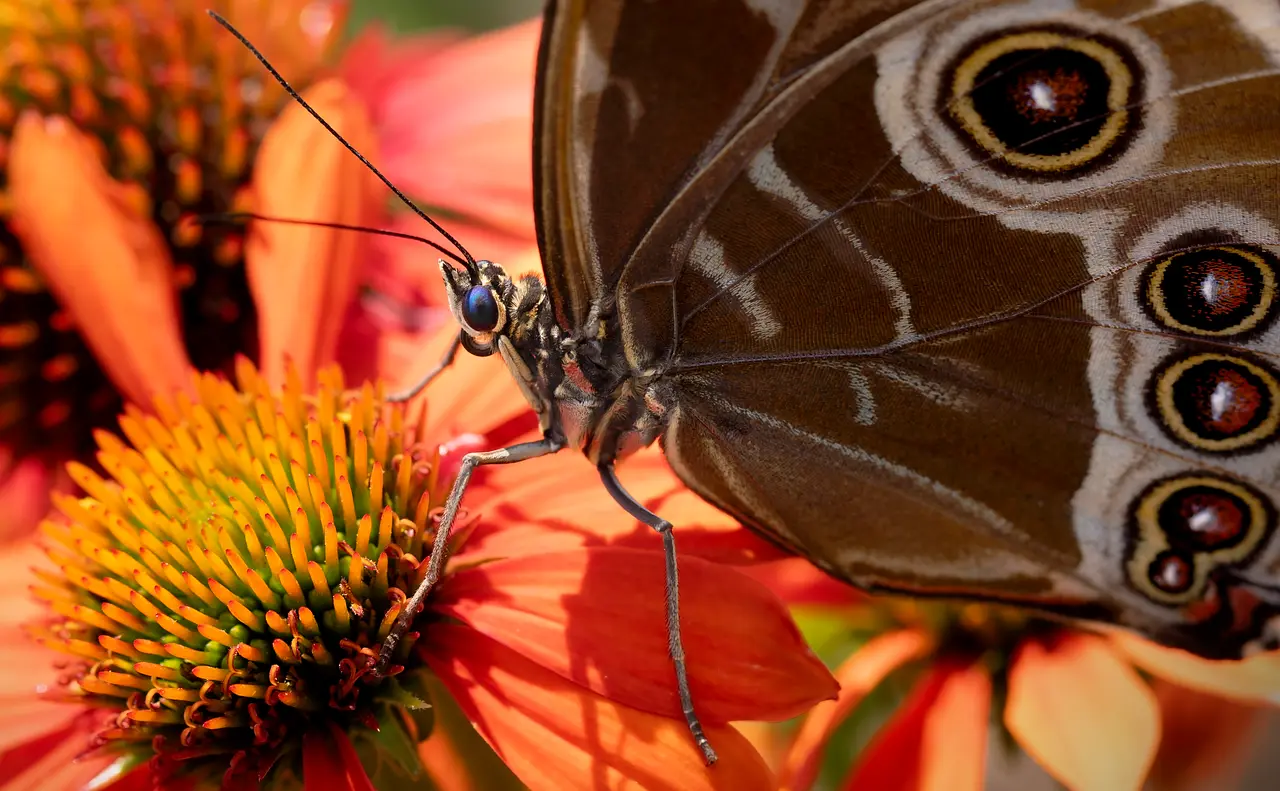
Pollinators include bees, butterflies, and beetles. They help many plants produce seeds, nuts, and fruits, and they need nectar, pollen, water, and shelter to persist. The page says pollinator numbers are in decline, so the question on-site is not “Does this garden have flowers?” but “Does it provide the full set of resources insects use?”
Living collections versus habitat
A display bed can be carefully labeled and still be poor habitat. Dense mulch, frequent irrigation, clipped edges, and pesticide use all reduce nesting and feeding value. By contrast, a native grassland patch, an unmown margin, or a planted strip of local wildflowers can support pollinator activity even inside a highly managed garden.
Suppose a 2-meter-wide bed is packed with tropical ornamentals, then edged with fresh bark mulch and sprayed for weeds. It may look tidy, but it offers little shelter at ground level and few host plants for local insects. Change only one variable: swap in a mixed native border with an open soil edge, and the same space can start to support feeding and resting.
How do botanical gardens support pollinators?
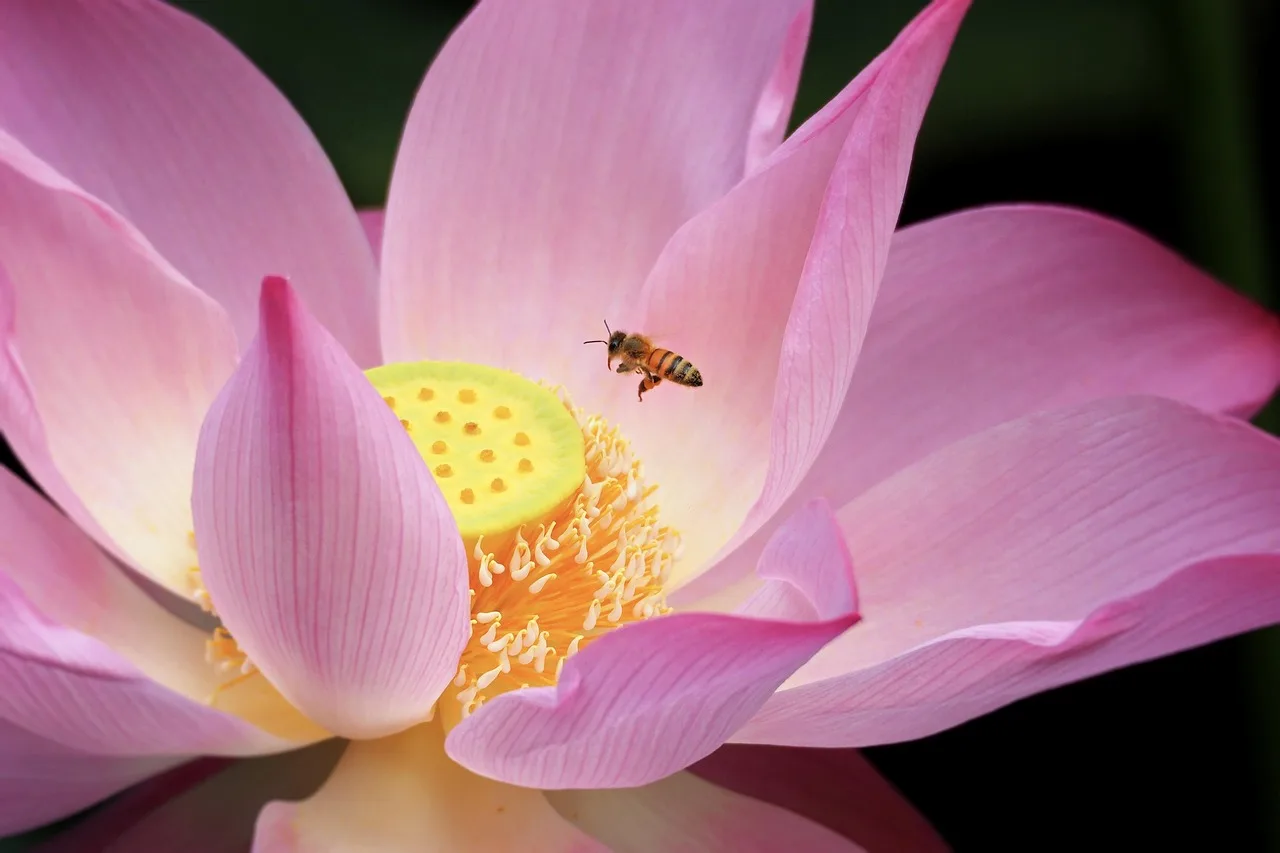
Botanical gardens support pollinators when they offer pollen-rich flowers across the season, native host plants, water, and places to rest or nest. The most useful gardens do more than bloom in spring. They keep flowers coming in waves, maintain low-disturbance edges, and leave enough structure for insects to move between feeding sites and cover.
Pollen-rich flowers and bloom continuity
Wildflower plantings matter because they provide food and resting spots for insects. The best versions use native species where possible and avoid gaps that leave pollinators without forage. Bloom continuity is the key sign to look for: one spring flush helps, but a sequence of flowers from early to late season does more for bees, butterflies, and beetles.
Look for visible overlap between species. If one bed finishes flowering while another starts, the garden is managing for continuous food. If the whole site peaks at once and then goes quiet, pollinators may get a short feast followed by a long shortage.
Native plants and host species
Native plants are not a decorative bonus. They often support local pollinator communities better than showy exotics because local insects recognize them as food plants, host plants, or both. Labeled host plants are especially useful proof, because they signal that the garden is thinking about insect life cycles rather than appearance alone.
Can botanical gardens help biodiversity? Yes, especially when they protect native species and native plant communities inside the grounds. The strongest evidence is not a label that says “pollinator friendly,” but a planting palette that includes local host plants, flowering herbs, grasses, and shrubs tied to regional insects.
Food, resting spots, and nesting edges
Pollinators need more than flowers. They need sheltered edges, bare or lightly covered soil for some nesting species, and small breaks from wind and heat. Even a small wild patch can matter for bees, especially when it sits near flowering plants and water sources. Joined-up habitats with flowers and water sources help creatures survive and reproduce.
Can botanical gardens help biodiversity?
Yes, but the strongest gains usually come from restored native habitat inside the garden, not from decorative planting alone. Native grassland patches inside gardens can support local pollinator communities and, in some cases, show similar plant diversity and network metrics to remnant habitat. That does not mean every patch performs equally well.
Native grassland patches inside gardens
A botanical garden study found restored native grassland patches supported high pollinator diversity. That study compared one botanical garden patch with fifteen native remnant grassland sites. The authors found similar plant diversity and network metrics between the garden patch and native sites, while also reporting that remnant grasslands had more links with pollinators than the garden patch.
That pattern is useful for visitors. A restored patch can be strong habitat even when it is smaller or younger than nearby remnant grassland. But the comparison also sets a limit: a botanical garden patch may approach natural-site structure without fully matching it in connectivity or interaction density.
Habitats for insects, birds, and soil life
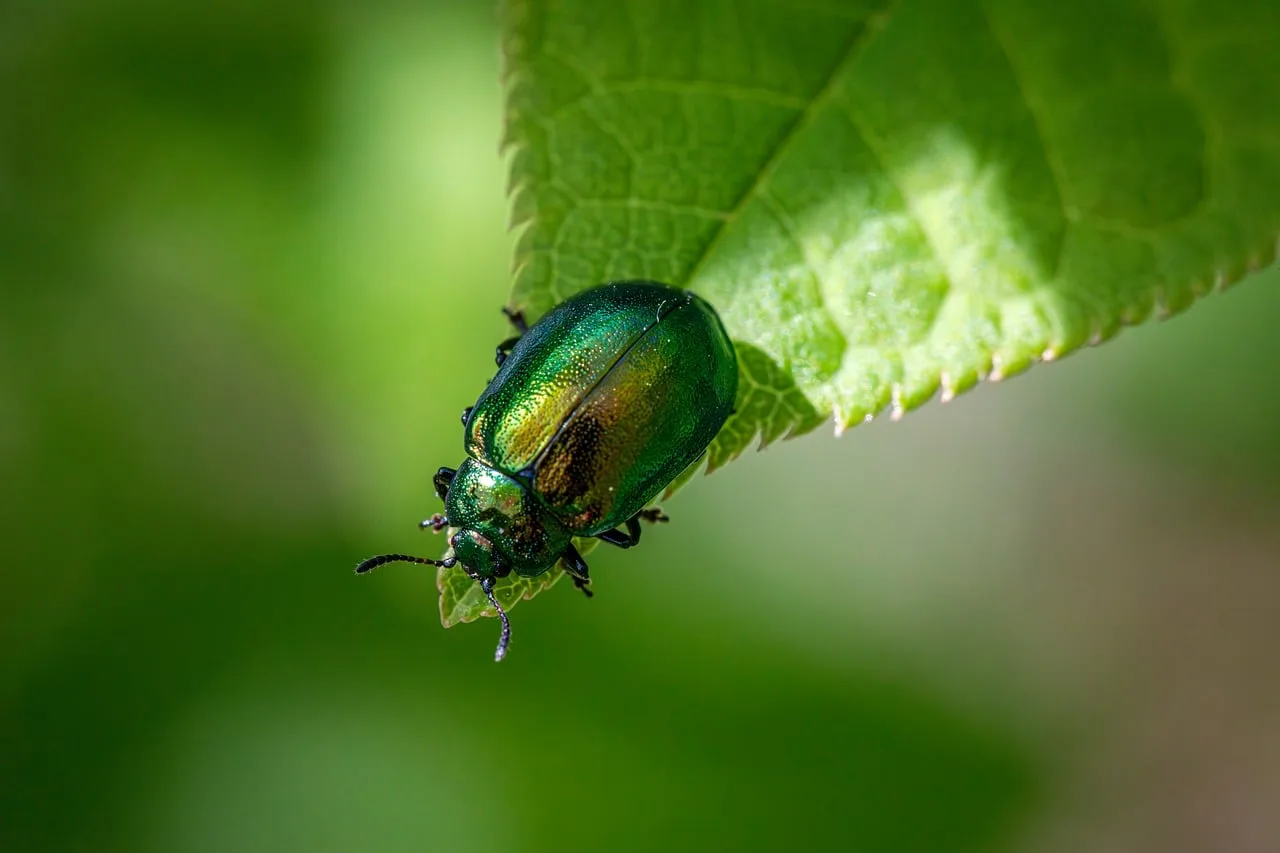
Good biodiversity support is broader than butterflies. Leaf litter left in place can support soil life and overwintering insects. Unmown margins can serve as cover and movement corridors. Native grassland patches can add seed heads, host roots, and open structure that are hard to get from clipped lawns or dense mulch beds.
A common first-timer mistake is assuming that more planting means more habitat. In practice, a bed packed with exotic ornamentals, high irrigation, and a clean mulched surface may look varied while still lacking the dead stems, seed heads, and ground cover many insects use.
When restored areas matter most
Restored areas matter most when they sit beside other usable habitat and when management stays light enough for insects to use the site. Botanical gardens can act as reservoirs for local pollinator communities, but that role depends on what is planted, how it is maintained, and whether nearby spaces let wildlife move in and out.
What visible signs show real habitat value?
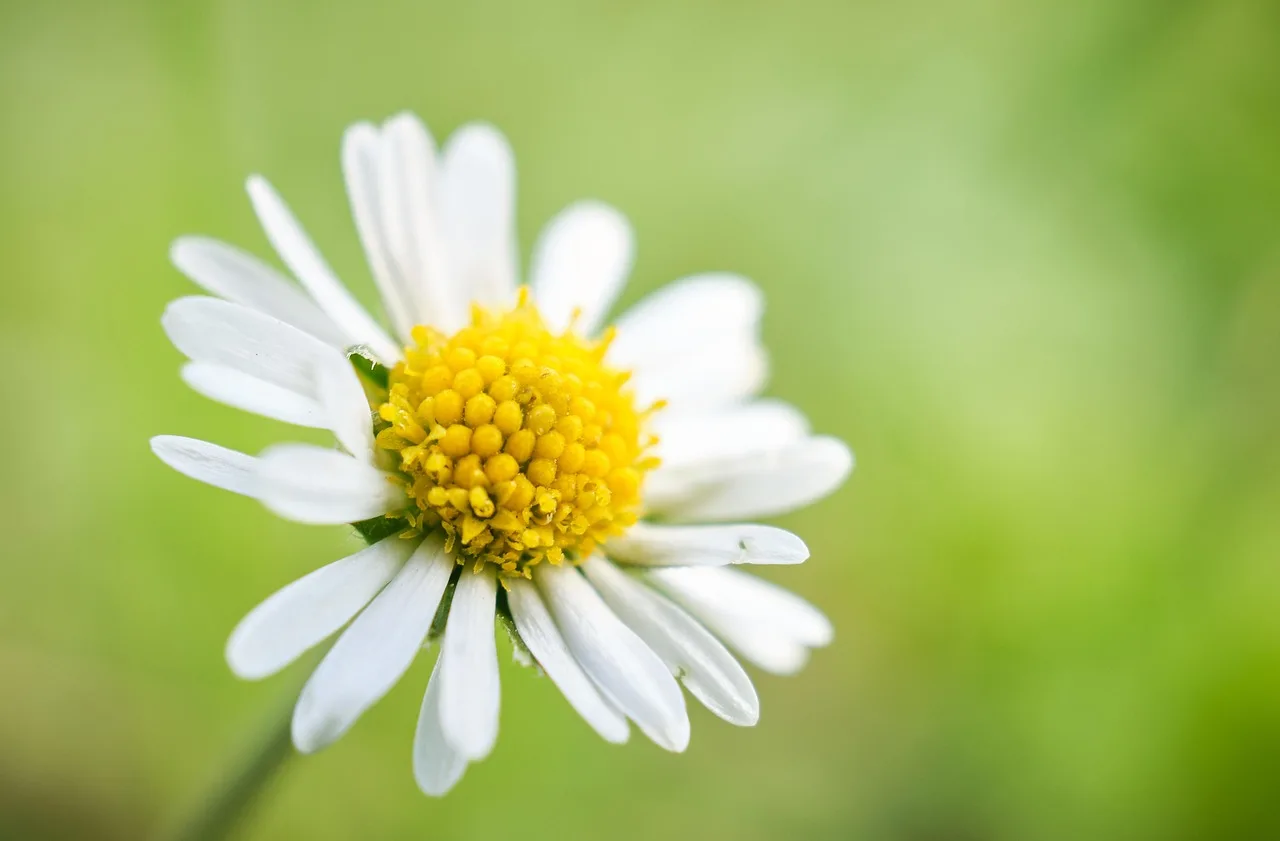
Visible signs matter because visitors cannot inspect soil chemistry or insect counts on the spot. You can still judge a lot from structure, maintenance, and plant choice. The best cues are native plant proportion, bloom continuity, connected habitat patches, reduced chemical use, and edges that are not trimmed to the ground.
Unmown margins and leaf litter left in place
Unmown margins are a strong sign that a garden is tolerating some wild structure. They give insects shelter, allow flowering volunteers to persist, and create small transitions between formal beds and wilder habitat. Leaf litter left in place can do similar work by protecting soil and overwintering stages.
Heavy over-mulching works against this. Thick mulch can seal off nesting spots, dry out the soil surface differently from surrounding habitat, and remove the open patches some ground-nesting insects use. Tidy does not mean ecologically useful.
Pesticide-free signs and reduced chemical use
Pesticide-free management avoids chemical pesticides and weed killers, which helps protect pollinators and soil health. It may rely on hand removal, spot treatment with organic methods, and acceptance of a little leaf damage. No garden can be judged pesticide-free from one sign alone, but posted policy and visible restraint are useful clues.
If spraying is frequent, the garden is not a good bet for bees. That is true even when flowers are abundant. A bed can feed pollinators on paper and still harm them if the management regime cuts through the same habitat the insects are using.
Labeled host plants and connected habitat patches
Labeled host plants tell you the garden is thinking about life cycles, not only floral display. Habitat connectivity matters too: joined-up green spaces let insects move, feed, and survive across larger areas. A patch that links to a hedge, meadow strip, riparian edge, or adjacent park has more value than an isolated island of flowers.
Say your local botanical garden has a native prairie strip along one border, a small wet swale, and a path edge planted with milkweed and asters. Those pieces are not identical, but together they create movement routes, food, and shelter. A single ornamental bed without those links is much less useful.
Pollinator scorecard
Use this scorecard on-site, using its 10 features and 20-point total as a practical guide. Score each feature 0, 1, or 2, then total the points out of 20. A high score does not prove perfect habitat, but it does show visible support for pollinators and biodiversity. A low score usually means the garden is functioning mainly as display space.
| Feature | 0 points | 1 point | 2 points |
|---|---|---|---|
| Native plant proportion | Mostly ornamental exotics | Mixed planting, some natives | Native plants are common and visible |
| Bloom continuity | Short bloom window | Some seasonal overlap | Flowers available across much of the season |
| Water availability | No water for insects | Water present, poorly set up | Shallow dishes or bee cups near flowers |
| Nesting habitat | Hardscape or sealed beds only | Some shelter or edges | Ground cover, bare patches, stems, or habitat features |
| Pesticide-free signs | No sign of reduced chemical use | Limited or unclear policy | Clear pesticide-free or low-chemical management |
| Leaf litter left in place | Fully cleared away | Present in a few areas | Kept in several habitat zones |
| Unmown margins | Edges are clipped tight | Small uncropped sections | Noticeable unmown strips or meadow edges |
| Labeled host plants | None visible | Few labels or vague labels | Several host plants named clearly |
| Habitat connectivity | Isolated beds only | Some links to other green space | Joined-up habitat patches visible |
| Citizen-science activity | No signs of monitoring | Occasional count or note board | Active wildlife counts or public observation program |
Total out of 20: 0-6 means mostly ornamental with little visible habitat value; 7-13 means mixed value with some useful features; 14-20 means the garden is likely acting as managed habitat, not just display space.
- Walk one loop and score only what you can see.
- Count native plants, not just flower color.
- Check whether flowers are available in more than one season.
- Look for water dishes, shelter, and unmown edges.
- Notice signs of chemical restraint, not just plant labels.
- Give extra weight to connected habitat patches and native restoration areas.
What should you look for in water and nesting sites?
Look for shallow dishes of water placed near blossoming flowers, with pebbles or twigs for landing. Those details matter because insects need access they can use safely. Insect hotels can help solitary bees, but only when they sit inside broader habitat, not as a stand-alone feature in a sea of clipped beds.
Shallow water dishes and bee cups
Water sources for insects should be shallow, clean, and close to forage. Pebbles or twigs help insects land in the dish without slipping. Stagnant, deep, or dirty water does little good. The best version is simple: a small bee cup or dish, fresh water, and a safe landing surface.
Check whether the water is refreshed. If it is green, full of debris, or placed far from flowers, it is not doing much for pollinators. Water needs to stay usable, not symbolic.
Insect hotels for solitary bees
Bee hotels provide refuge for solitary bees and can offer nesting sites, but they work best as part of broader habitat. Simple materials are enough. What matters is the surrounding food supply, low chemical pressure, and nearby shelter. A hotel beside sterile paving is far less useful than one placed next to native flowers and open ground.
Do not overrate the structure itself. An insect hotel without bloom continuity, water, or connected habitat is a small fixture, not a conservation plan.
What are the weak spots in many gardens?
Three common weak spots tell you a garden is leaning decorative rather than ecological: ornamental-heavy beds, heavy irrigation, and pesticide use. These choices do not make a garden useless, but they often reduce habitat quality enough that visible flowers outnumber real wildlife resources.
Ornamental-heavy planting beds
Ornamental-heavy beds may provide color, but many offer little to local pollinators if the flowers are bred for form rather than nectar or pollen. Some exotics can still feed insects, but you should not assume that a large plant collection equals good insect habitat. The question is whether local pollinators can actually use it.
Heavy irrigation and over-mulching
Heavy irrigation can wash away the dry structure many ground-nesting insects need, while over-mulching can smother access to soil and reduce open habitat. Gardens sometimes use both to keep beds looking immaculate. That creates a neat surface and a weaker pollinator site.
Pesticides that reduce insect use
Do botanical gardens use pesticides that harm bees? Some do, and that is why you need evidence rather than assumption. Chemical pesticides and weed killers should be avoided. If a garden uses them, the conservation value drops, especially where bees, butterflies, and beetles are supposed to forage.
Frequently asked questions
Do botanical gardens help biodiversity?
Yes, especially when they include native habitat patches, restored grassland, leaf litter, and connected green space. A botanical garden can hold plant-pollinator networks, soil life, and other wildlife if management allows it. Decorative beds alone do less than restored areas with low chemical pressure and structural variety.
What plants do botanical gardens use for pollinators?
Pollinator-focused gardens often use native wildflowers, host plants, flowering shrubs, and grasses that provide pollen and nectar across the season. The best choice is usually local species that support local insects. Labeled host plants are a good sign that the garden is thinking beyond color and toward life cycles.
Can botanical gardens protect native species?
Yes, they can protect native species by maintaining native plant patches, limiting chemical use, and connecting those patches to surrounding habitat. Restored native grassland areas inside a garden can support local pollinator communities and may approach the diversity of remnant habitat, though they may still have fewer pollinator links.
Why are botanical gardens important for conservation?
They matter because they can act as managed conservation sites, not only display spaces. Botanical gardens can keep collections of native plants, support research, and preserve habitat patches that function as reservoirs for local pollinator communities. Their conservation value rises when visitors can see evidence of that work on-site.
Can I see native pollinators in a botanical garden?
Yes, if the garden has native flowers, water, shelter, and low-chemical management. Look near wildflower plantings, native grassland patches, shallow water dishes, and unmown edges. If the site is mostly clipped, heavily mulched, or dominated by ornamental exotics, native pollinators are less likely to be active there.