When to Plant Bulbs in a Botanical Garden Display
Plant spring-blooming bulbs in autumn, about 6–10 weeks before the ground freezes, and consider splitting the planting into early, mid, and late bloomers so the display can carry across several weeks. Miss that window, and you get gaps, crowding, and a short burst instead of a layered show. This guide gives a planting calendar, bed-by-bed display planning tips, and bloom-wave choices for botanical garden beds and smaller spaces.
Botanical garden bulb timing guide
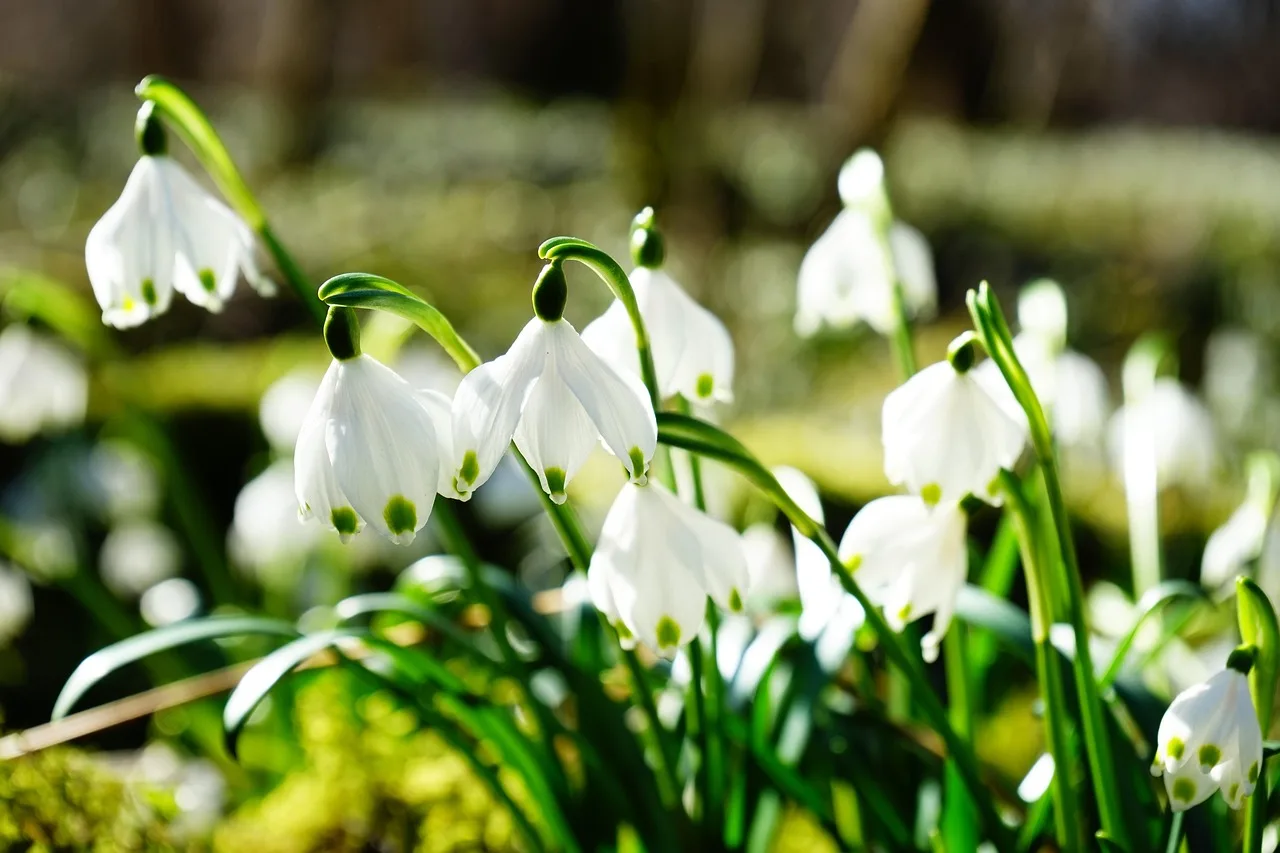


For a botanical garden display, bulb timing is a design choice, not a single date. Plan beds so color appears in waves from late winter into early summer, with early bulbs near entrances and paths, mid-season bulbs in main sightlines, and late bulbs at focal points that keep the bed active after the first flush fades.
Start by giving each bed a job. Edge plantings need low, early flowers that read quickly from a path. Massed plantings should carry the middle of the season. Focal beds can hold taller or later flowers, while containers can fill gaps near doors, seating areas, and temporary displays.
Successional planning matters more than packing in every bulb at once. Snowdrops, crocuses, and some daffodils bring early spring colour; tulips and alliums carry the display into late spring and early summer. That sequence keeps visitors moving through the garden with something active in view at each stop.
Bloom windows by season
Spring-flowering bulbs are generally planted in autumn because they need a cold period over winter before they flower well. Summer-flowering bulbs are usually planted in spring, once the soil has warmed and the risk of frost has passed. Keep those schedules separate in the nursery or staging area so the wrong stock does not miss its window.
For mixed public displays, think in blocks rather than one big planting day. Early bulbs anchor the start of the season, mid-season bulbs carry the main show, and late bulbs finish the run. That gives you a clear replant schedule and avoids bare patches after one group finishes.
Bed role and visitor flow
Place the earliest flowers where visitors first arrive or pause. Use low drifts of snowdrops or crocuses at path edges, then move to larger masses of daffodils and tulips in wider beds. Save taller, later bulbs for beds that read from a distance, since height and bloom timing both matter for visibility.
Say your entrance bed gets morning shade and heavy foot traffic. Put early, low bulbs at the front edge and reserve a sunnier back strip for tulips and alliums, so the first view is tidy and the bed still carries color after the earlier flowers fade.
When should you plant bulbs for spring displays?
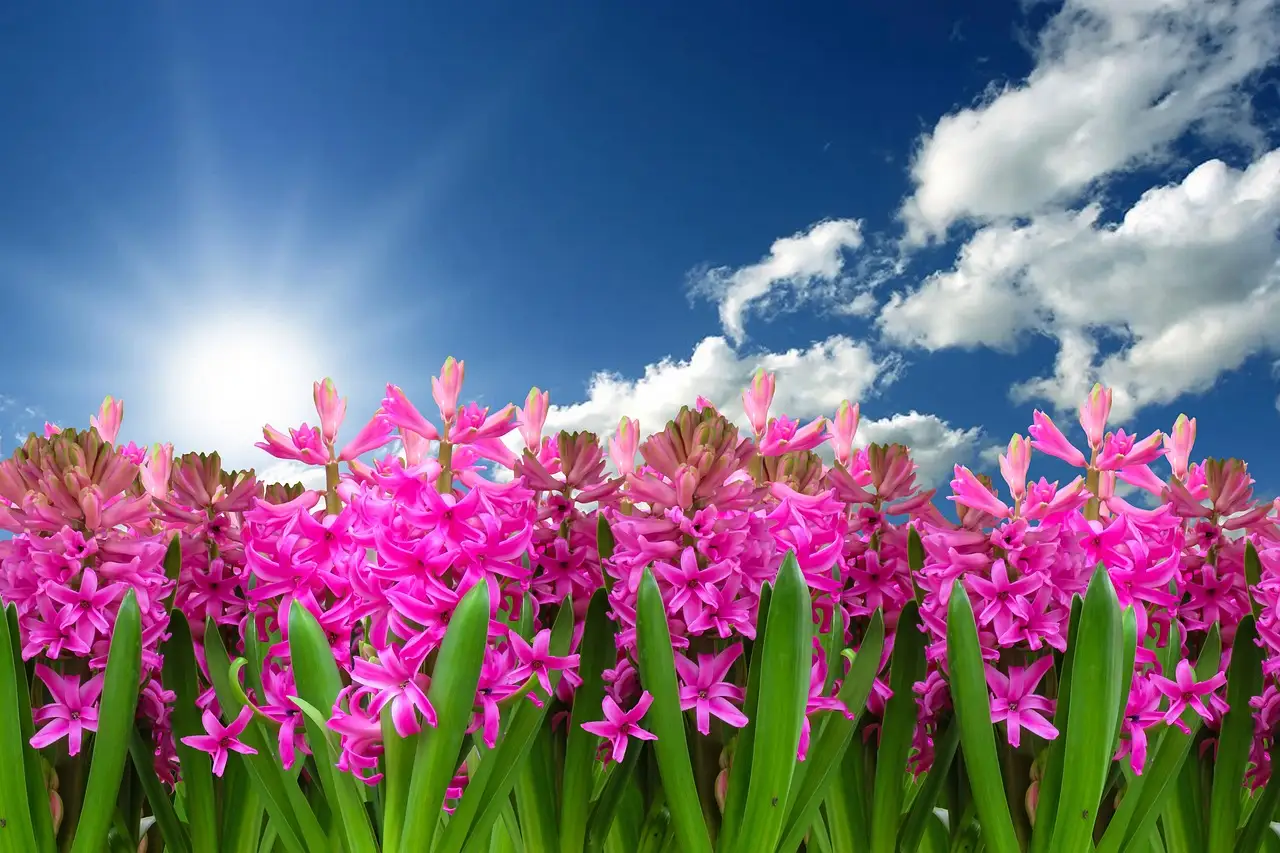
Plant spring bulbs in autumn, before the ground freezes and while the soil is still workable. In many regions, October is a good planting month. The goal is to set bulbs early enough for root growth, but late enough that they do not break dormancy before winter.
Spring bulbs need that cold period over winter to flower well, so pushing them into warm spring soil usually means weak growth or no bloom. If you are planning beds for a public garden, count backward from bloom target, not forward from purchase date, and match the planting date to the local freeze pattern.
Cold period needs for spring bulbs
Tulips, daffodils, crocuses, hyacinths, snowdrops, and alliums all belong in the autumn planting schedule. They are part of the same display system even though their bloom windows differ. Use that difference to stage the beds so one group hands off to the next.
A common first-timer mistake is planting every spring bulb on the same day in the same bed. That gives a short burst, then a flat bed. Mixing early and late bloomers spreads the color across several weeks and makes the display feel deliberate instead of crowded.
Regional timing and frozen-ground limits
Do not plant into frozen ground. If the soil is unworkable, wait. A bed that cannot be dug cleanly will not give bulbs good contact with soil, and the planting holes may collapse around them. In colder areas, the safe window arrives earlier for some sites and later for others, so check the bed itself rather than relying on the calendar alone.
When should you plant summer bulbs?
Plant summer-flowering bulbs in spring, after the risk of hard frost has passed and the soil is no longer cold and wet. Tender bulbs outdoors can go in from mid-April in many areas, but colder regions should wait until May. If the ground is frozen or saturated, hold the stock until conditions improve.
Summer bulbs are widely available as loose or pre-packed stock in garden centres, or online. That makes them useful for filling display gaps after spring bulbs finish, or for building a separate summer sequence in warm beds, containers, and entrance plantings.
Timing for gladioli, dahlias, lilies, and eucomis
Gladioli, begonias, dahlias, lilies, and eucomis are useful summer bulbs for a public display plan. Gladiolus bulbs should be planted around 10cm deep. Begonia tubers should sit 1-2cm below the soil surface. Lily bulbs should be planted 10-15cm deep. Dahlia tubers can be started in pots under cover before planting out after frost risk passes, and dahlia crowns should be planted around 6-8cm deep.
Tall growers need a support plan from the start. Put stakes or other supports in place before planting dahlias and gladioli, because adding them later can damage roots and crowns. That also helps volunteers and staff keep the bed orderly once growth starts.
Spring timing in colder regions
Mid-April works for many areas, but colder regions should wait until May for tender bulbs outdoors. The practical test is simple: if the soil is still cold enough to slow growth, or the ground is not fully thawed, delay planting. Better late than lost to rot.
Bulb timing matrix
This matrix turns planting timing into a display tool. Use it to match bulb choice with bed role, soil conditions, and the kind of visitor view you want to create. The fallback column is there for delayed shipments, cold soil, or a weather shift that pushes planting later than planned.
| Bulb type | Planting window | Depth | Spacing | Light | Drainage | Bloom window | Display role | Late-planting fallback |
|---|---|---|---|---|---|---|---|---|
| Snowdrops | Autumn | About 3 times bulb height | 5-8cm apart | Full sun to partial shade | Well-draining soil | Late winter to early spring | Edge | Plant as soon as soil is workable; choose a cooler, well-drained spot |
| Crocuses | Autumn | 1-2 inches | 5-8cm apart | Full sun to partial shade | Well-draining soil | Late winter to early spring | Edge, massing | Set them shallower in a raised bed rather than forcing into wet ground |
| Daffodils | Autumn | 6-8 inches | 10-15cm apart | Full sun | Well-draining soil | Early to mid-spring | Massing, focal point | Plant immediately in a raised, free-draining bed if the main bed is too wet |
| Tulips | Autumn | 6-8 inches | 10-15cm apart | Full sun | Well-draining soil | Mid- to late spring | Massing, focal point | Hold cool and dark, then plant when soil is workable |
| Alliums | Autumn | About 3 times bulb height | 15-20cm apart | Full sun | Well-draining soil | Late spring to early summer | Focal point | Use a raised strip or large container if the bed stays cold |
| Gladioli | Spring | 10cm | 10-15cm apart | Full sun | Well-draining soil | Summer | Massing, focal point | Delay planting until the soil warms; stake first if the bed is exposed |
| Begonias | Spring | 1-2cm below surface | 15-20cm apart | Partial shade to bright shade | Excellent drainage | Summer | Container, edge | Start in trays or pots under cover while the outdoor bed warms |
| Dahlias | Spring | 6-8cm | 30-60cm apart | Full sun | Well-draining soil | Summer to frost | Focal point | Start in pots under cover, then move out after frost risk passes |
| Lilies | Spring | 10-15cm | 15-20cm apart | Full sun to partial shade | Well-draining soil | Summer | Massing, focal point | Plant in containers if the garden bed is still too wet or cold |
| Eucomis | Spring | About 3 times bulb height | 20-30cm apart | Full sun | Well-draining soil | Summer | Focal point, container | Hold in pots until soil warmth and drainage improve |
How deep and how far apart should bulbs go?
A common rule of thumb is to plant bulbs about three times as deep as the bulb is tall. Larger bulbs often need 6-8 inches of depth, while small bulbs can be planted 1-2 inches deep. Spacing should match the display role, tighter for massing, wider for stronger individual forms.
Depth matters for more than anchoring. Shallow planting can leave bulbs exposed to temperature swings and disturbance, while overly deep planting can delay emergence. For a public garden, keep the depth consistent within each block so shoots rise together and the bed reads as one unit.
Spacing for massing versus edge planting
For edge planting, use tighter spacing so small flowers read from a path. For massing, group bulbs closely enough to create a clear block of color, but not so tightly that you crowd out airflow or create competition for moisture. Use the label to track each drift so replanting stays consistent year to year.
Suppose you are planting a 2 metre border for a spring show. Put crocuses at the front edge in a tighter grid, then daffodils and tulips behind them in larger groups, so the bed has layers of height and bloom timing without looking packed.
Different depths for layered pots
Container or lasagne planting works well for pots and small displays. Put the largest or latest bulbs deepest, then add smaller or earlier bulbs above them at different depths. That gives successive bloom from one container instead of one short show.
Where should bulbs be planted for the best display?
Most bulbs want full sun. Some tolerate partial shade, but strong light usually means better flowering, firmer stems, and longer bloom. Drainage matters just as much. Bulbs rot in standing water, so wet hollows, compacted soil, and blocked container drainage holes are poor choices.
For display planning, match the site to the bulb and the visitor view. Sunny beds suit most spring and summer bulbs. Partial shade can work for some early bulbs and for begonias or lilies, but expect lighter flowering if the site is too dark.
Sun versus partial shade
Use full sun for the strongest display where possible. Partial shade is acceptable for some bulbs, but the display will usually be thinner or shorter there. In a botanical garden, that can still be useful near woodland edges, under high open canopies, or beside buildings that shade only part of the day.
Drainage and wet-soil limits
Use well-draining soil to prevent rot. If water sits after rain, shift the planting to a raised bed, a better-drained border, or a container with clear drainage holes. Bulbs left in standing water are at risk of rot, especially during cool spells when soil dries slowly.
How do you plant bulbs in pots or layered containers?
Layered container planting is one of the best ways to stretch bloom time in small spaces. Choose varieties with different depths and different bloom windows, then plant them in layers so one flower group follows another. This is especially useful near entrances, patios, and temporary exhibit spaces.
- Choose a pot with drainage holes.
- Add free-draining compost or potting mix.
- Set any tall supports in place before filling the pot further.
- Plant the deepest bulbs first, following their depth requirements.
- Cover them, then add a shallower layer of smaller or earlier bulbs.
- Label the pot so staff know what is under the surface.
- Water once, then check moisture regularly without leaving the pot soggy.
For a layered pot, think in bloom waves, not just colours. Put late bloomers low, mid-season bulbs in the middle, and early bulbs near the top if their depth allows it. That way the pot does not peak all at once.
How to plant bulbs in the garden and in pots follows the same basic logic: set them at the right depth, give them drainage, and orient them correctly. Pointy end up, roots down for standard bulbs. Tubers and crowns may need a specific crown or concave-side orientation, so check the bulb form before covering it.
Frequently asked questions
When should I plant bulbs for a spring botanical garden display?
Plant spring bulbs in autumn, and in many regions October is a good target if the soil is still workable. The bed should be set early enough for root growth, but not so early that warm weather pushes premature top growth. Avoid frozen ground.
How late can I plant bulbs before they fail to bloom?
Late planting raises the risk of weak rooting and poor flowering, especially for spring bulbs that need winter chill. If the soil is still workable, plant as soon as possible. If the bed is frozen or waterlogged, wait or move the bulbs to a container or raised bed.
What bulbs should I use for a continuous display from late winter to early summer?
Use snowdrops and crocuses for the earliest wave, add daffodils for early to mid-spring, then tulips and alliums to carry the display into late spring and early summer. That mix gives you a clear sequence instead of one short flush in a single bed.
How deep should different bulbs be planted?
Use the three-times-height rule as your baseline. Large bulbs like daffodils and tulips generally need 6-8 inches of depth, while small bulbs like crocuses can be planted 1-2 inches deep. Follow the bulb’s shape too, since some tubers and crowns need specific orientation.
Should bulbs be planted in sun or shade for the best display?
Most bulbs perform best in full sun, though some tolerate partial shade. For a display bed, sunlight usually improves bloom count and stem strength. In deeper shade, expect fewer flowers and shorter performance, so save those sites for bulbs that cope better with lower light.
What are the most common bulb planting mistakes?
The biggest mistakes are poor drainage, planting into frozen or waterlogged soil, setting bulbs too shallow, overcrowding, and forgetting supports for tall growers. Wrong orientation also matters. Labeling and replant timing help prevent mix-ups when you are handling several bulb types at once.