Best fern species for botanical garden shade beds
For botanical garden shade beds, choose 5–7 species that cover a groundcover, midlayer, and vertical accent, led by Dryopteris erythrosora, Matteuccia struthiopteris, Polystichum polyblepharum, Athyrium niponicum, and Osmunda cinnamomea, matched to your USDA zone and soil moisture. Bad fern choices leave beds thin, crowded, or brown after one hot spell, and the display reads as a maintenance gap instead of design. This guide sorts species by height, color, texture, and care load so you can build shaded beds that stay clean and intentional.
This guide is part of our Botanical gardens and plant care series.
How to choose ferns for shade beds
![Greenwood Nursery: Live Perennial Plants - Japanese Painted Fern + Athyrium Niponicum - [Qty: 2X Pint Pots] - (Click for](https://m.media-amazon.com/images/I/51P48XMpCsL._SL500_.jpg)

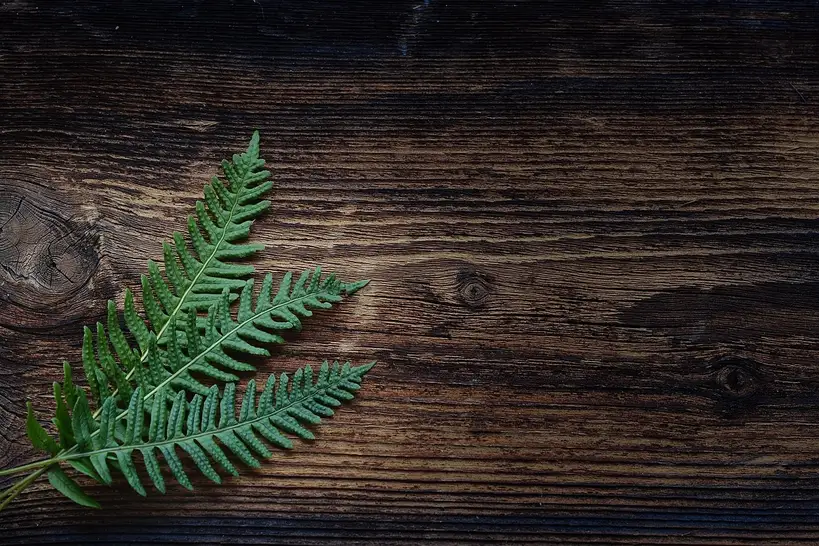
Start with light, moisture, and the plant’s job in the bed. Most ferns want cool soil, steady moisture, and shade that is deeper than dappled tree cover, but the right mix changes with deep shade, filtered light, or a brighter woodland edge.
In practice, I plan for three roles at once. Use a tall accent for path-end views, a medium fern for mass and rhythm, and a lower or finer-textured plant for the front edge. That keeps the bed legible from a distance and detailed up close.
Match deep shade, filtered light, and moist woodland edges
Deep shade favors ferns that keep their shape without direct sun. Filtered light lets many species show better frond detail and stronger color, especially under open-canopy trees or along the north side of structures.
Fern shade gardens can work in spaces under trees and between structures, but those places are not equal. Under tree roots, soil dries fast. Between buildings, reflected heat can shorten the clean season unless irrigation is steady.
Sort by height, texture, color, and seasonal presence
Start with height, then texture, then color. Ostrich fern gives tall statement fronds. Lady fern and Japanese holly fern work as midlayer structure. Japanese painted fern and autumn fern add color variation. Christmas fern keeps the bed present through winter.
Seasonal presence matters as much as spring flush. A bed made only of summer-green deciduous species can look empty in shoulder seasons. Evergreens and semi-evergreens keep the design from dropping flat when visitor traffic is still high.
Account for irrigation, labor, and containment before planting
Some ferns are easy to maintain. Others spread, self-sow, or need more water than staff can give them in August. Build around the maintenance budget, not around wishful planting lists.
Before purchase, ask three questions: Will this fern stay where it is planted? Will it need hand watering during dry spells? Will cleanup be simple enough for the crew to keep up with? If the answer is no, reduce the planting area or choose a sturdier species.
Best fern species for botanical garden shade beds
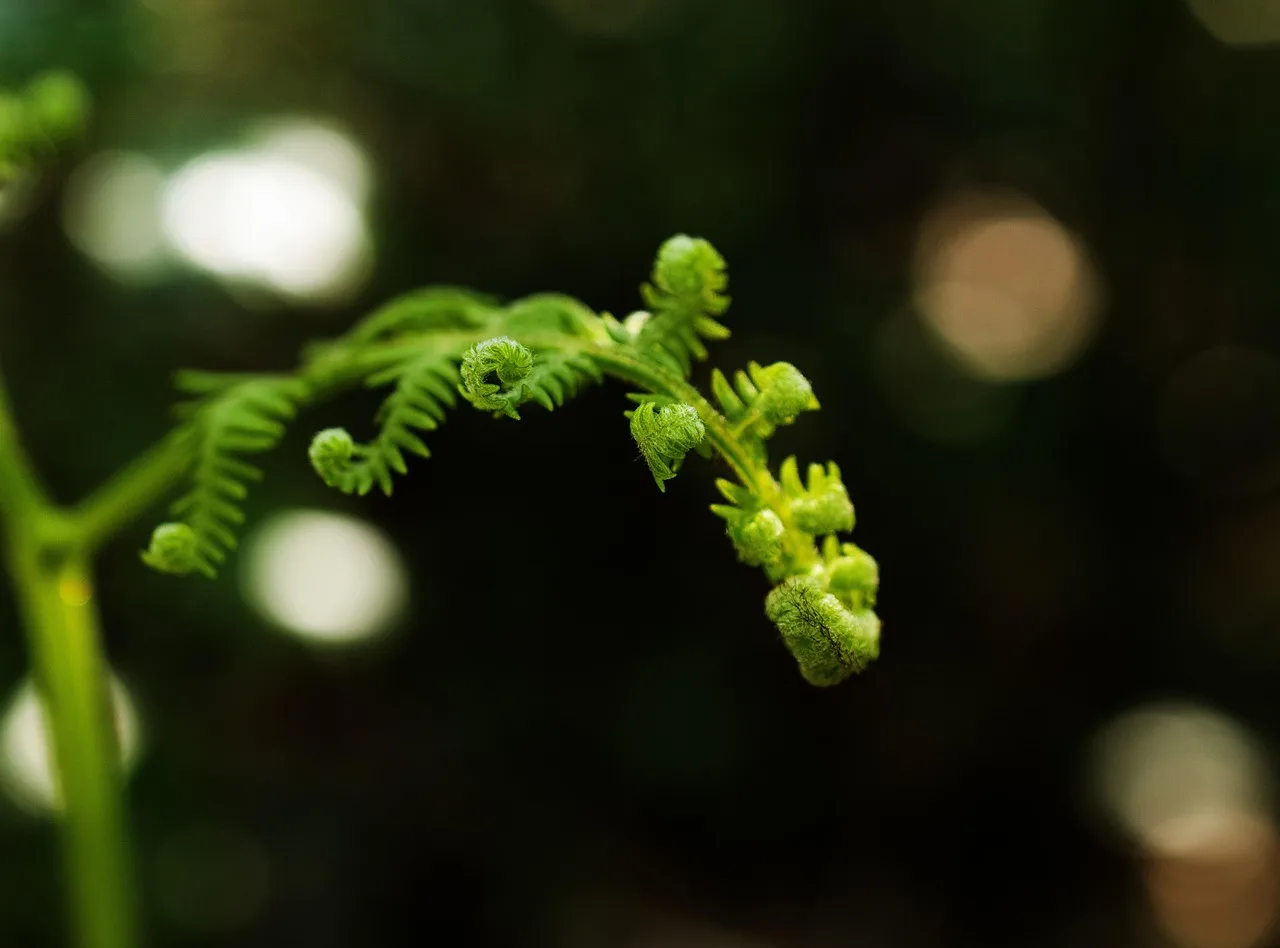
The strongest shade-bed palette combines tall structure, textured midlayers, and one or two color ferns. For many botanical garden displays, a useful core group is ostrich fern, lady fern, Christmas fern, Japanese holly fern, Japanese painted fern, and autumn fern, with sensitive fern or Hart’s tongue fern added to sharpen the composition.
That mix covers summer fullness, winter interest, and a range of frond looks. It also gives staff a way to tune the bed for moisture level and visitor sightlines instead of planting one fern everywhere.
| Species | Height class | Texture | Color effect | Moisture needs | Hardiness notes | Maintenance risk |
|---|---|---|---|---|---|---|
| Ostrich fern | Tall | Classic fern texture | Clear green, strong vertical presence | Moist, rich soil | Best in cool to cold woodland zones | Moderate; can spread in good soil |
| Lady fern | Medium | Classic, airy | Fresh green, light layering effect | Even moisture | Broadly adaptable in shade | Low to moderate |
| Christmas fern | Low to medium | Coarser, evergreen form | Deep green, winter interest | Moist but not soggy | Reliable evergreen or semi-evergreen in many zones | Low |
| Sensitive fern | Medium to tall | More solid frond look | Mass effect, bold green block | High moisture | Best where soil stays damp | Moderate; can spread by spores and colonies |
| Japanese holly fern | Medium | Leathery texture | Dark green, strong contrast | Moist, well-drained shade | Good in sheltered woodland beds | Low to moderate |
| Hart’s tongue fern | Low to medium | Nearly solid fronds | Clean, architectural green | Consistent moisture | Best in stable shade with winter protection in cold sites | Low |
| Japanese painted fern | Low to medium | Fine, luminous | Green and silver variegation with purple midribs | Moist, cool soil | Strong in filtered light, not hot exposure | Moderate; color can fade in stress |
| Autumn fern | Medium | Broad, tidy fronds | Coppery red new growth shifting to green | Moist, drained soil | Good where spring color matters | Low to moderate |
Ostrich fern, lady fern, and Christmas fern
Ostrich fern gives the bed its vertical punctuation. It has classic fern texture and tall statement fronds, so it reads well from paths and open sightlines. Use it where soil stays moist and where spreading can be monitored.
Lady fern is a dependable layering companion. It brings classic fern texture without overpowering nearby plants, which makes it useful between taller clumps and the front edge. Christmas fern adds evergreen or semi-evergreen display value and winter interest, especially in beds that need structure after frost.
Sensitive fern, Japanese holly fern, and Hart’s tongue fern
Sensitive fern works best where the soil remains damp through summer. Its more solid frond texture creates a bold mass planting effect, but it can look coarse if the bed is too dry or too exposed. Japanese holly fern has leathery texture and dark green color, which gives strong contrast against finer species.
Hart’s tongue fern brings nearly solid fronds and a very different silhouette from the usual lacy woodland look. It is useful where staff want one section of the bed to read as quieter, cleaner, and more architectural.
Japanese painted fern and autumn fern
Japanese painted fern is the color plant in this group. The green and silver variegation with purple midribs creates low-light shimmer, but only when the plant is protected from heat and excess sun. Autumn fern contributes coppery red new growth that shifts to green, so it carries the bed through spring with real movement.
Those two species are best when they are given front-row visibility. Near a path, their color reads at visitor height. Buried behind taller fronds, they lose much of their value.
Which ferns work best in deep shade versus filtered shade?
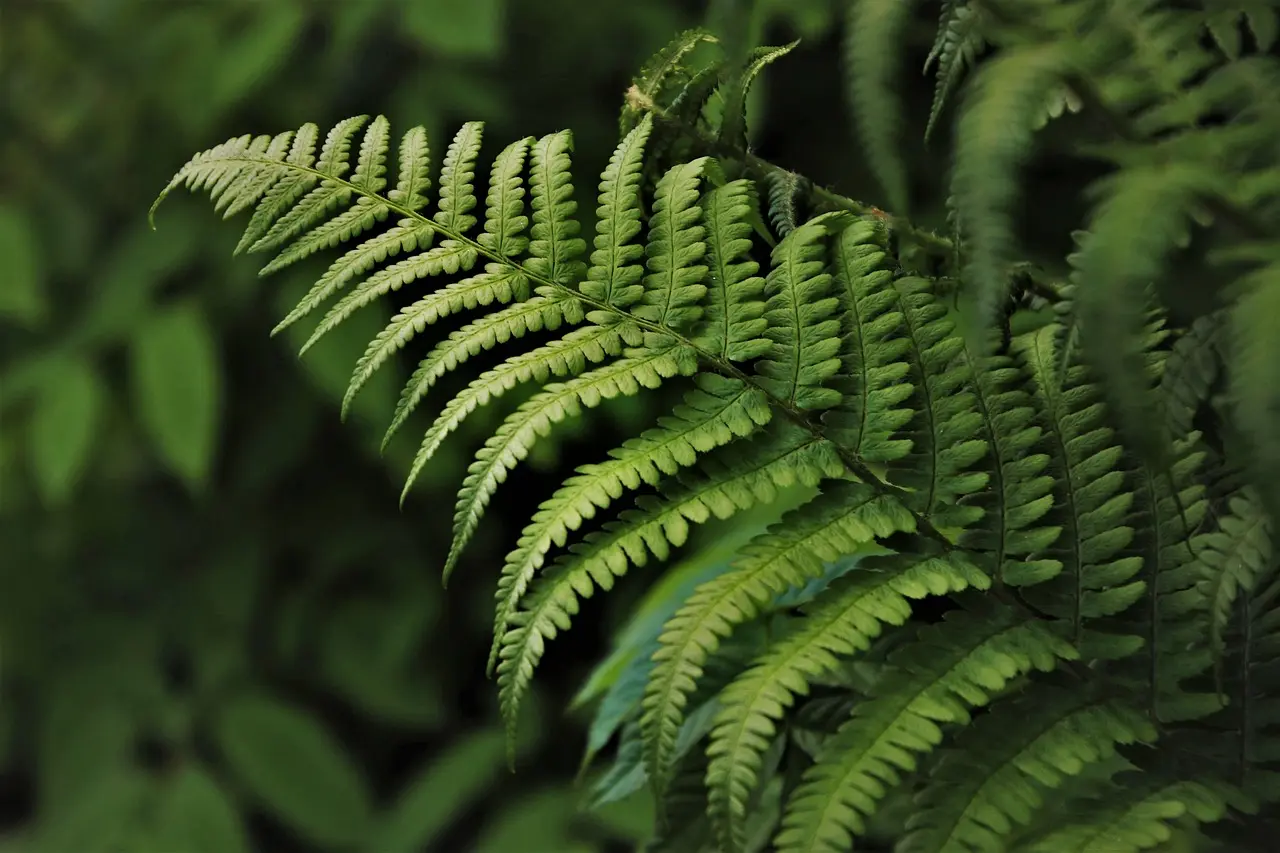
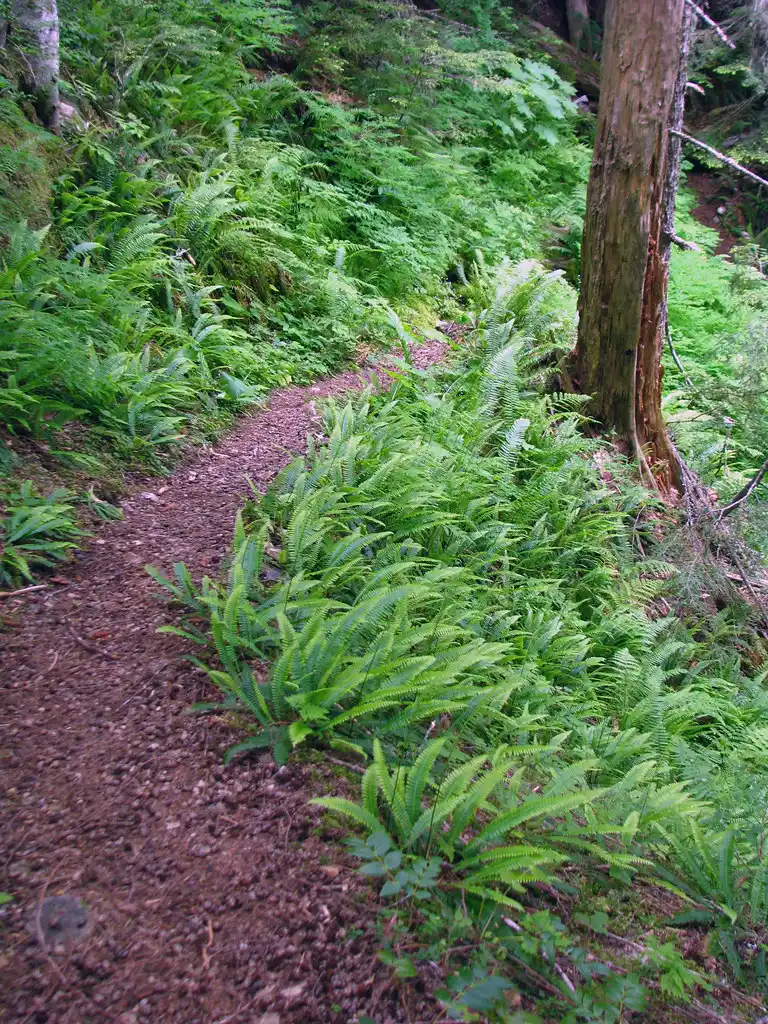
Deep shade favors steady green structure. Filtered shade gives more room for color, finer detail, and sharper frond contrast. The key is to match the species to the available light instead of assuming one fern list works everywhere under trees and between structures.
Species that hold form in deeper shade
Christmas fern, Hart’s tongue fern, and Japanese holly fern are steady choices for deeper shade. They hold shape without asking for bright light, and they keep a bed looking deliberate when surrounding canopy blocks most direct sun.
Lady fern also remains useful in deeper shade, though it will usually look airier in richer light. For the darkest spots, avoid relying on color-driven species as the main display; they often flatten out when light drops too low.
Species that color up best in filtered light
Japanese painted fern and autumn fern are much better in filtered light than in heavy shade. The painted fern needs enough light for silver to read. Autumn fern needs a little more light to bring out copper tones in new growth.
Filtered light is also a good setting for ostrich fern because the tall fronds are easier to read from a distance. Under-tree conditions can work, as long as competition for moisture is kept in check.
Where under-tree conditions help or hurt
Under trees, shade is easy to get, but root pressure is real. The best fern beds there are built with organic matter, extra water access, and enough surface mulch to keep the soil from baking. Dry roots are the usual reason a shade bed fails.
Tree shade helps most when the canopy filters light instead of blocking it completely. Dense evergreen cover can be too dark for painted or autumn fern, while open deciduous shade often suits the full range of display species.
How do you build a moist woodland bed for ferns?
A good fern bed starts with cool, rich soil and drainage balance. Ferns want organic matter, but they do not want stagnant water. The best woodland beds feel cool and crumbly, with leaf litter on top and steady moisture below.
Moist, rich soil and drainage balance
Work compost or leaf mold into the planting area, then make sure excess water can move away. Heavy clay without structure stays wet too long. Sand without organic matter drains too fast. Ferns do best in the middle.
For botanical garden use, soil preparation should be deeper than a quick topdress. The root zone needs to support repeated seasonal growth and survive dry weather, not just survive planting day.
Mulch, leaf litter, and organic matter
Mulch cuts irrigation demand and gives the bed a woodland finish. Leaf litter is useful where staff want a more natural floor plane, especially around native species. Keep material loose enough for air movement and cleanup.
Organic matter also helps visitors read the bed as intentional. A fern collection in bare soil looks like a holding area. The same plants in a textured floor layer look curated.
Spacing for airflow and easier upkeep
Do not crowd every plant to fill a bed in year one. Small gaps help airflow, can reduce disease pressure, and make hand watering easier. They also leave room for growth, which matters with species such as ostrich fern and sensitive fern.
Use wider spacing near paths so fronds do not spill into visitor traffic. Narrower interior spacing is fine where a bed is viewed from one side and maintenance access is planned.
How should ferns be grouped for display?
Group ferns by height, texture, and viewing distance. A good botanical garden bed needs clear foreground, middle, and back layers, plus at least one plant that catches the eye from the path. Tall, medium, and low forms should each have a visible job.
Layering tall, medium, and low forms
Place ostrich fern or sensitive fern at the back, lady fern and Japanese holly fern in the middle, and Hart’s tongue fern or Japanese painted fern toward the front. That creates a stepped composition that reads cleanly from the walkway.
Layering heights works best when the sizes are contrasted, not repeated. A row of identical clumps looks flat. A planned slope of forms looks curated.
Using contrast for path-side visibility
Path-side plantings benefit from one strong texture change every few feet. Pair the nearly solid fronds of Hart’s tongue fern with the finer fronds of lady fern. Set the dark shine of Japanese holly fern beside the silver tones of Japanese painted fern.
That contrast helps visitors read the collection quickly. It also keeps the bed visible in low light, when leaf shapes can blur together.
Placing ferns around rocks, trellises, arches, and water
Rocks work best with smaller, more controlled species such as Christmas fern, Hart’s tongue fern, and Japanese painted fern. They soften hard edges without hiding the stone. Trellises and arches suit taller, more arching species such as ostrich fern where the back of the bed can support height.
Water features call for moisture-tolerant ferns, especially sensitive fern, ostrich fern, and lady fern. Keep them close enough to reflect the site, but not so close that constant splash creates mud or root problems.
What about native woodland ferns versus showier imports?
Native woodland ferns are usually the safest base layer for botanical garden shade beds. Showier imports add color, texture, or form that attracts visitors, but they often need tighter moisture control. The best beds use both, with each species assigned a clear role.
Where native species fit best
Lady fern, ostrich fern, and Christmas fern fit naturally in woodland-style beds and tolerate a broad range of display conditions. They are useful when the goal is a durable planting that still reads as a botanical collection rather than a seasonal color bed.
Native species also simplify upkeep in larger grounds. They usually integrate better with leaf litter, uneven shade, and the slower rhythm of institutional maintenance schedules.
Where ornamental imports pull visitor attention
Japanese painted fern, Japanese holly fern, and autumn fern draw the eye faster than plain green selections. They are best near path edges, entries, and educational labels, where visitors pause long enough to notice the detail.
These are accent plants, and they should be used that way.
Balancing durability with display impact
A bed built only on hardy natives may be durable but visually flat. A bed built only on ornamental imports may look strong in spring and thin out under stress. The right mix gives resilience and visitor appeal at the same time.
For many gardens, the simplest formula is one tall green fern, two midlayer greens, one evergreen, and one color fern. That ratio gives structure without turning the bed into a collector’s jumble.
What are the best fern species for botanical garden shade beds?
The best choices are species that fit the site and carry a clear display role. Ostrich fern, lady fern, Christmas fern, Japanese holly fern, Japanese painted fern, and autumn fern form a strong core for most shaded beds, with sensitive fern and Hart’s tongue fern used for special texture or moisture conditions.
Frequently asked questions
Which ferns work best in deep shade versus filtered shade?
Deep shade suits Christmas fern, Hart’s tongue fern, and Japanese holly fern because they hold form without strong light. Filtered shade is better for Japanese painted fern and autumn fern, which need a little brightness to keep silver, copper, and purple details visible.
How do I choose ferns for moist woodland beds?
Choose species by how long the soil stays evenly moist. Ostrich fern and sensitive fern are strong options in wetter woodland ground, while lady fern and Christmas fern handle moist but better-drained spots. Build the bed with organic matter, then mulch to steady moisture.
Which fern species give the most texture and contrast in a shade border?
For texture contrast, pair the classic fronds of lady fern with the nearly solid fronds of Hart’s tongue fern. Add Japanese holly fern for leathery darkness and Japanese painted fern for fine silver patterning. That combination gives visitors several readable surfaces in one bed.
What ferns stay attractive across a botanical garden growing season?
Christmas fern stays present longest because it is evergreen or semi-evergreen. Lady fern and ostrich fern bring dependable summer structure, while autumn fern adds spring color and Japanese painted fern supplies bright foliage in filtered light. Mixing those types keeps the bed from looking empty between peaks.
Which fern species are best for cold-climate botanical gardens?
Cold-climate gardens usually do best with ostrich fern, lady fern, and Christmas fern because they are well suited to regional winter survival when matched to the right USDA hardiness zone. In colder areas, use more ornamental imports only where soil, snow cover, and shelter are reliable.
Can tropical ferns be used in shade beds as annuals?
Yes, tropical ferns can be used as annuals in cooler climates if the display budget allows replacement each year. Treat them as temporary accents, not permanent structure. They work best in containers or front-row beds where their short season and higher maintenance are easy to manage.