What Is Taxonomy in the Plant World?
Plant taxonomy is a system botanists use to sort plants into ranked groups, often described from kingdom to species, so an unknown plant can be identified by narrowing one step at a time. Without it, plant names blur together, lookalike species get mixed up, and the wrong care, label, or purchase can follow. This guide explains the main ranks, how scientific names work, and how to use them to identify a plant accurately.
What is plant taxonomy?
Plant taxonomy is the science of finding, identifying, describing, classifying, and naming plants. It gives you a structured way to place plants into nested ranks, so a broad group can narrow to a single species. That structure turns an unknown specimen into something you can place in a field guide, database, or nursery label. (Wikipedia)
Taxonomy, classification, and naming
Taxonomy is the full system. Classification is the act of placing a plant into a rank, and nomenclature is the naming part. Those pieces work together, but they do different jobs. If a plant moves to a new genus after study, its classification may change, and its scientific name may change with it.
For beginners, the value is practical. A label that says Salvia nemorosa tells you more than “purple sage,” because it places the plant in a known group with known traits. That makes it easier to compare similar plants and avoid mixing up unrelated species that share a common name.
What are the main ranks in plant taxonomy?
The main ranks typically move from broad to specific: class, order, family, genus, species. Plant taxonomy also uses larger and smaller ranks, but these five do most of the work in everyday identification. As you move down the list, each group contains fewer plants and gives you a more exact match.
How the rank order helps
Broad ranks help you sort the plant first. Specific ranks help you name it accurately. A field guide may start with family because that is often enough to separate major groups, then move to genus and species when the plant’s flower, leaf, or fruit matches a narrower set of traits.
| Rank | What it groups | Why it helps |
|---|---|---|
| Class | Very large sets of related plants | Useful for broad sorting before finer ID |
| Order | Several related families | Shows a wider relationship pattern |
| Family | Related genera | Often the fastest way to narrow a plant in guides |
| Genus | Closely related species | First word in a scientific name |
| Species | One specific kind of plant | Second word in a scientific name and the most precise common rank |
Suppose a guide says a plant is in the mint family. That already tells you to expect square stems, opposite leaves, and often aromatic foliage, even before you know the genus. A family label can save time when several plants look similar at a glance.
Why scientific names matter
Scientific names matter because they give one standardized label to one plant species, no matter what language you use. A scientific name usually has two parts: the genus and the species. That binomial system reduces confusion when one common name refers to several different plants, or when one plant has several common names.
Genus and species in practice
The genus is the first word and groups closely related species. The species is the second word and points to the most specific common taxonomic rank. Rosa rugosa, for example, is not just any rose; it is a particular species within the rose genus. The same format works across plant groups, which is why labels, herbarium sheets, and databases rely on it.
Why botanists use botanical Latin
Botanical Latin is the naming framework for plants. It standardizes spelling, formatting, and name structure across countries and languages, so a name means the same thing in different places. The words are not random Latin phrases. They follow naming rules, and those rules help keep plant names stable and searchable.
Read the genus first. Start with the first word of the scientific name. It tells you the plant’s close relatives and often points you toward the right family or field guide section.
Read the species second. The second word narrows the plant to one species within that genus. That is the part that separates, for example, one type of oak, rose, or maple from another.
Check the family name. Family labels are common in field guides and plant tags. They help you compare plants with similar flowers, leaves, or growth habits before you get lost in small details.
A common first-timer mistake is trusting only the common name. A “bluebell” can mean different plants in different regions, while a scientific name points to one exact species. If the goal is a correct ID, the binomial name is the safer starting point.
What is plant taxonomy and systematics?
Plant taxonomy and systematics are closely related, but they are not the same thing. Taxonomy focuses on finding, describing, classifying, and naming plants. Systematics adds the question of relationships and evolutionary history, which helps explain why two plants belong together or why older groupings needed revision.
How modern evidence changes names
DNA evidence has changed some plant groupings because it can reveal relationships that are not obvious from appearance alone. A plant may look similar to another species, yet belong in a different genus once genetic data are compared. When that happens, names may shift so the classification better matches evolution.
This is why older books can disagree with current labels. A plant may not have changed in the garden bed, but its placement in the classification tree can change when botanists find better evidence. The goal is not to make names harder. It is to make them reflect relationships more accurately.
Reading a plant name
Reading a plant name is a practical way to move from a broad guess to a precise identification. A label gives you clues about family, genus, and species, and each clue cuts away a larger set of possibilities. The more you can match the name to visible traits, the more confident the identification becomes.
| Common plant | Genus | Species | Family | What each part tells you |
|---|---|---|---|---|
| Tomato | Solanum | lycopersicum | Solanaceae | Placed with nightshade relatives; species separates tomato from other Solanum plants |
| Potato | Solanum | tuberosum | Solanaceae | Same genus as tomato, different species, same family traits |
| Rose | Rosa | rugosa | Rosaceae | Genus shows rose relatives; species points to a specific rose type |
| Apple | Malus | domestica | Rosaceae | Family groups it with rose relatives, though the fruit looks different |
| Pea | Pisum | sativum | Fabaceae | Family suggests pod-bearing legumes; species identifies the garden pea |
| Sunflower | Helianthus | annuus | Asteraceae | Family points to daisy-like flower heads; genus narrows the sunflower group |
| Mint | Mentha | spicata | Lamiaceae | Family suggests aromatic, square-stemmed herbs; species identifies spearmint |
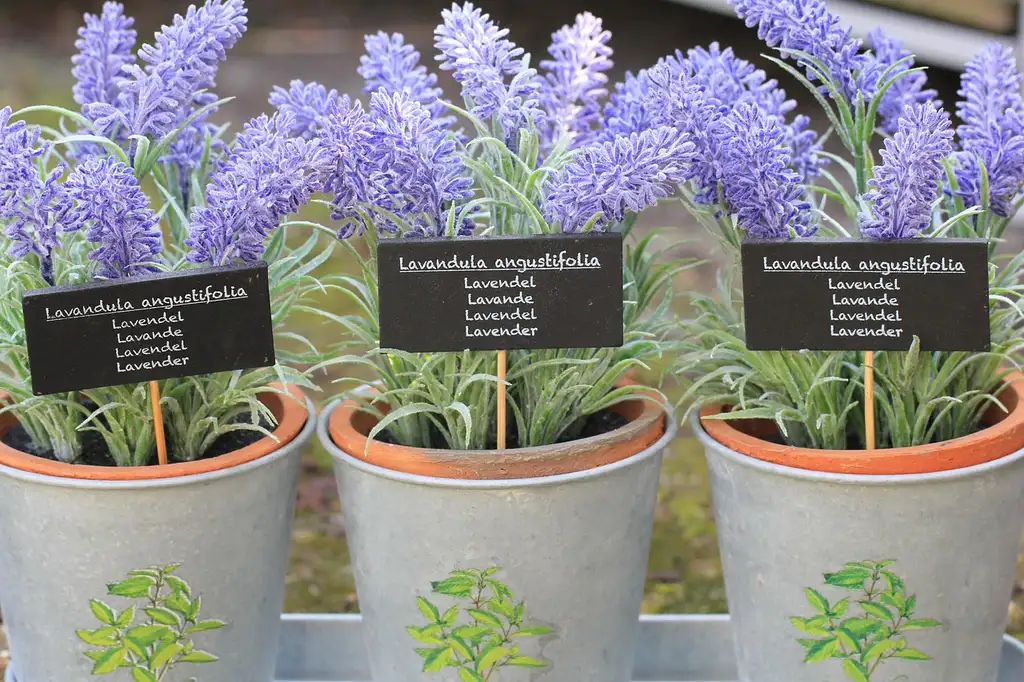
| Lavender | Lavandula | angustifolia | Lamiaceae | Same family as mint, but a different genus with its own flower and leaf pattern |
| Wheat | Triticum | aestivum | Poaceae | Family places it in grasses; species identifies common bread wheat |
| Oak | Quercus | robur | Fagaceae | Genus groups the oaks; species names one specific oak form |
Think of the scientific name as a coordinate system. The family gets you into the right neighborhood, the genus gets you onto the right street, and the species gets you to the right house. That is why taxonomy is useful in real plant identification, not only in textbooks.
How to spot reclassified plants

Plants are sometimes reclassified when new evidence shows that older groupings were incomplete. DNA data, flower structure, or other traits can move a species to a different genus or split one broad group into several smaller ones. When that happens, older names may still appear in books, nursery tags, or older field guides.
Look for synonym names. If a label lists more than one scientific name, one may be the older name and one the current accepted name. That often signals a reclassification rather than a new plant.
Check the genus shift. If the first word changes between sources, the plant may have moved to a different genus. That usually means botanists found stronger evidence about its relationships.
Compare recent sources. Use newer field guides, herbaria, or botanical databases when possible. Updated references are more likely to reflect current systematics and accepted names.
Watch for former family placement. A plant may still be listed under an older family in older material. If the flower, leaf, or DNA evidence no longer fits, the newer family placement is the one to trust.
Picture a plant tag that still uses an older name from a 20-year-old guide. The bloom may look familiar, but the genus on a newer database is different. In that case, the plant has not become a different specimen. The label has been updated to match current classification.
Frequently asked questions
What is taxonomy in science?
Taxonomy in science is the method of organizing living things into groups based on shared traits and accepted names. In plants, it gives structure to identification and communication. It is the reason a scientist, gardener, and nursery can all point to the same plant using the same name.
What is the broadest level of taxonomy?
The broadest commonly used rank in plant taxonomy is generally kingdom, although a rank list may start at class and move down to species. Broad ranks group many plants together, while lower ranks narrow the match. The farther down you go, the more exact the identification becomes.
How are plants classified?
Plants are classified by placing them into ranks such as class, order, family, genus, and species based on shared traits and evolutionary relationships. Visible features still matter, but modern classification also uses DNA evidence. That combination helps botanists place a plant where it fits best.
What is the difference between taxonomy and nomenclature?
Taxonomy is the full system of finding, describing, classifying, and naming plants. Nomenclature is only the naming part. If taxonomy decides where a plant belongs, nomenclature decides what it is called. The two are linked, but they are not the same job.
Why do botanists use scientific names for plants?
Botanists use scientific names because they are standardized and reduce ambiguity. A common name can refer to several different plants, while a binomial name points to one genus and one species. That makes plant labels, field guides, and research records more precise and easier to compare.