Plant Classification Basics for Home Gardeners
Plant classification basics for home gardeners start with four labels in order: family, genus, species, and cultivar; the best buying rule is to match the genus and the plant’s zone and light needs before anything else. Ignore those labels, and you can end up with plants that outgrow the space, fail in your climate, or need care you never planned for. This guide explains how names, tags, and basic groups help you choose plants and read labels with confidence.
What plant classification means
Plant classification sorts plants by shared traits so you can predict size, bloom time, hardiness, and care needs before you buy. Taxonomy places those groups in a hierarchy from broad to narrow, which helps you sort out similar plants and avoid confusion from common names.
Why gardeners use classification at all
For gardeners, classification is a decision tool. A plant’s family can hint at flower form, leaf arrangement, pest pressure, and growth habit. Its genus and species can narrow the plant’s likely needs far more than a store tag that says only “red salvia” or “bluebell.”
Where taxonomy fits in the bigger picture
Taxonomy is the system that organizes plants from kingdom down to species and below. The standard hierarchy is kingdom, division or phylum, class, order, family, genus, and species. Cultivar usually comes after species when a named garden selection needs its own label.
Think of it as a filing system. The higher the rank, the broader the group; the lower the rank, the more specific the plant identity. That structure matters because two plants can share a common name and still belong to different genera, families, or even different growth patterns.
Why plant families matter
Plant families matter because they often point to shared flower structure, leaf traits, and growth habits. For home gardeners, family is one of the fastest ways to predict which plants behave alike, especially when you are comparing vegetables, herbs, and ornamentals from different nurseries.
Family traits you can spot
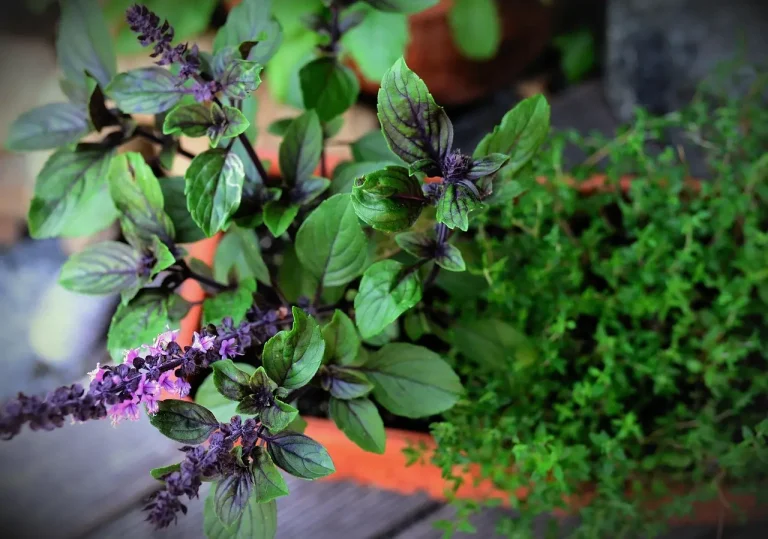
Families often cluster around visible traits. Members of the mint family usually have square stems and opposite leaves. Parsley family plants often carry flat-topped flower clusters. Brassica family vegetables tend to have four-petaled flowers and a familiar cabbage-like scent when cut or crushed.
What family can predict about care
Family can hint at spacing, watering rhythm, and pest patterns. Many tomatoes, peppers, and eggplants are in the nightshade family, which often means similar warmth needs and similar insect and disease concerns. That does not make every member identical, but it gives you a reliable starting point.
Where family helps most in a home garden
Family is most useful when you are planning bed rotations, choosing companion plants, or checking whether a tag makes sense. If a plant family is known for shallow roots, long taproots, or strong spreaders, that information changes spacing and soil prep before planting day.
How to read plant labels
Read the whole tag, not just the picture. The common name tells you what the store calls it; the scientific name tells you which plant it really is; the family and life cycle clues help you judge care, timing, and whether the plant fits your site.
Common name on the tag
Common names are useful for shopping because they are familiar, but they are not precise. “Coneflower” may mean several Echinacea species, while “bluebell” can refer to very different plants depending on region. Use the common name as a starting point, not the final ID.
Scientific name on the tag
Scientific names use two words: genus plus species. They are standardized for global use, so *Solanum lycopersicum* points to tomato in a way “tomato” never can. If a tag adds a cultivar name, that tells you which selected form you are buying.
Family and life cycle clues
Family can help you predict traits that the common name hides. Life cycle tells you how long the plant stays in the garden. Annuals typically finish in one season, biennials usually take two growing seasons, and perennials often return for multiple years.
- Check the scientific name first. Look for a genus and species together, usually in italics on printed labels. If the tag gives only a common name, use the nursery’s full label or a trusted plant database before you buy.
- Match the genus to your space. Compare mature height, spread, sun exposure, and hardiness zone for that genus and species. Two plants with similar common names can differ enough to fail in the same bed.
- Read the life-cycle note. Confirm whether the plant is annual, biennial, or perennial so you can plan sowing, pruning, overwintering, and replacement. That step prevents surprises with plants that die after flowering or need a cold period before blooming.
Say your label says “salvia” and nothing else. A bedding salvia usually acts like an annual in cool climates, while perennial salvias can survive for years in the right zone. The family and species line on the tag tells you which kind you are actually buying.
Taxonomy from kingdom to species
Taxonomy organizes plants in nested levels that move from broad to specific. For gardeners, the practical value sits mostly at family, genus, and species, because those ranks say the most about how a plant may grow, bloom, and handle weather.
The main hierarchy levels
The full plant hierarchy runs from kingdom to species. Kingdom groups all plants together at the broadest level, then division or phylum, class, order, family, genus, and species narrow the match. Cultivar is added afterward for named garden selections.
What genus and species mean
Genus groups closely related species, and it is the first word in a scientific name. Species is the basic unit within that group, and it often marks a plant that can share key traits with its close relatives. That is why tomatoes, potatoes, and eggplants all sit in Solanum.
How observable traits fit classification keys
Classification keys use visible traits such as leaf shape, flower parts, stem form, and fruit type to sort plants. A flat flower cluster, opposite leaves, or a square stem may point you toward a family; then finer traits narrow the plant to genus and species.
Suppose you find a volunteer plant with compound leaves, purple flowers, and a berry-like fruit. Those traits push you toward the nightshade family, not the bean family, even before you know the exact species. That is classification doing practical work.
Scientific names and common names
Scientific names are more precise than common names because they point to one accepted plant identity. Common names can be useful in a store or a seed catalog, but they often vary by region, language, and local habit, which makes them unreliable for exact identification.
Why binomial names are more precise
A binomial name gives genus plus species, so each part narrows the plant. *Rosa rugosa* is not the same as *Rosa canina*, even though both are roses. That precision matters when you need disease resistance, winter survival, or a certain mature size.
How one common name can point to several plants
One common name can hide several different plants. “Marigold” may mean *Tagetes* in most garden centers, but it can also be used for *Calendula* in some catalogs. “Cedar” can refer to true cedars or to unrelated trees that only share the common label.
When common names still help
Common names still help at the buying stage because they match what shoppers remember. Use them to start a search, then confirm the scientific name on the tag, packet, or nursery record. That extra check reduces mix-ups when you reorder seeds or compare varieties.
Annuals, biennials, and perennials
Life cycle classification tells you how long a plant normally takes to complete growth and reproduction. Annuals finish in one season, biennials in two, and perennials return for several years. That difference changes planting time, harvest timing, and winter care.
How to tell the three life cycles apart
Annuals germinate, flower, set seed, and die in a single growing season. Biennials usually grow leaves the first year, then flower the second year after a cold period. Perennials may die back above ground and regrow from roots, crowns, or bulbs for multiple seasons.
Why life cycle changes planting and harvest timing
Carrots and parsley are biennial or biennial-like in flower timing, so the edible root or leaf crop often comes before bloom. Tomatoes are annuals in most gardens, so the harvest window is tied to one warm season. Peonies are perennials, so their care focuses on long-term placement.
How overwintering affects perennial care
Perennials need the right winter conditions to return well. Some need cold to reset flowering; others need protection from wet soil or freeze-thaw swings. If a label says perennial, it still may need mulch, drainage, or cutting back at the right time.
Monocots and dicots explained
Monocots and dicots are basic plant groupings that help with quick identification. Monocots usually have one seed leaf, parallel leaf veins, and fibrous roots. Dicots usually have two seed leaves, net-like veins, and a taproot or a main root system.
Seed leaves, leaf veins, and roots
Look at the plant’s earliest traits and its mature foliage. Grasses, lilies, onions, and many bulbs are monocots. Beans, sunflowers, tomatoes, and roses are dicots in the older classification system, with broader leaves and more branching vein patterns.
Flower, stem, and growth clues
Flower parts often come in multiples of three in monocots and in fours or fives in many dicots. Stems in monocots often lack secondary woody thickening, while many dicots develop wood more readily. Those clues help, but they are not perfect for every plant.
Why the old dicot label needs a careful note
Modern botany often uses clade-based groupings instead of treating “dicot” as a single natural class. For gardeners, the old label still helps with quick recognition, but it should be treated as a practical shortcut rather than the final scientific word.
Plant classification cheat sheet
This table maps common garden plants to the labels that matter most at the nursery bench. Use it to check life cycle, family, and a likely care clue before you buy, divide, or sow.
| Common name | Scientific name | Family | Life cycle | Monocot or dicot | Care implication |
|---|---|---|---|---|---|
| Tomato | Solanum lycopersicum | Solanaceae | Annual | Dicot | Needs warm weather and strong support for upright growth. |
| Pepper | Capsicum annuum | Solanaceae | Annual | Dicot | Plant after frost risk passes; cold soil slows growth. |
| Eggplant | Solanum melongena | Solanaceae | Annual | Dicot | Prefers heat and steady moisture; handles cool nights poorly. |
| Bean | Phaseolus vulgaris | Fabaceae | Annual | Dicot | Can fix nitrogen with root bacteria, so heavy nitrogen feeding is usually unnecessary. |
| Pea | Pisum sativum | Fabaceae | Annual | Dicot | Best in cool weather; flowers and pods often decline in heat. |
| Carrot | Daucus carota | Apiaceae | Biennial | Dicot | Harvest roots before flowering the second year for best texture. |
| Parsley | Petroselinum crispum | Apiaceae | Biennial | Dicot | Leaves are best in year one; flowering can reduce leaf quality. |
| Caraway | Carum carvi | Apiaceae | Biennial | Dicot | Needs time to mature before seed harvest. |
| Onion | Allium cepa | Amaryllidaceae | Biennial | Monocot | Bulb size depends on day length and timing. |
| Garlic | Allium sativum | Amaryllidaceae | Perennial, grown as annual crop | Monocot | Needs fall planting in many climates for strong bulb formation. |
| Tulip | Tulipa spp. | Liliaceae | Perennial | Monocot | Bulbs need a cold period to bloom well. |
| Daffodil | Narcissus spp. | Amaryllidaceae | Perennial | Monocot | Naturalizes over time and usually resists deer. |
| Hosta | Hosta spp. | Asparagaceae | Perennial | Monocot | Best in shade or part shade with even moisture. |
| Rose | Rosa spp. | Rosaceae | Perennial | Dicot | Needs airflow and pruning to reduce disease pressure. |
| Sunflower | Helianthus annuus | Asteraceae | Annual | Dicot | Usually needs full sun and room for a strong stem. |
| Zinnia | Zinnia elegans | Asteraceae | Annual | Dicot | Thrives in warmth and may sulk in cool, wet soil. |
| Hosta | Hosta spp. | Asparagaceae | Perennial | Monocot | Can be divided as clumps grow larger. |
| Lavender | Lavandula angustifolia | Lamiaceae | Perennial | Dicot | Needs sharp drainage; soggy soil often causes decline. |
| Basil | Ocimum basilicum | Lamiaceae | Annual | Dicot | Pinching stems encourages leaf production and delays flowering. |
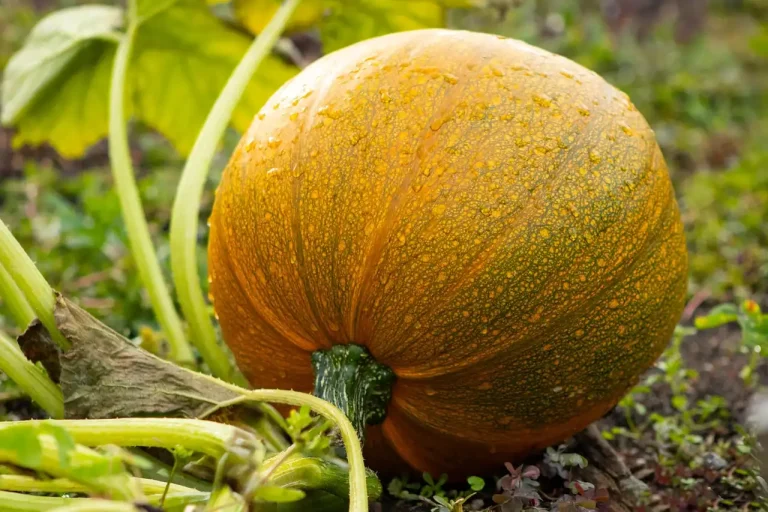
| Squash | Cucurbita pepo | Cucurbitaceae | Annual | Dicot | Needs space because vines can spread quickly across a bed. |
The table also shows where labels can mislead you. “Garlic” is often sold as an annual crop, but the plant itself is a perennial species grown for one bulb harvest. A nursery may sell “hosta” by genus only, which is useful, but cultivar details still matter for leaf color and size.
When the label misleads you
- One common name, many plants. “Bluebell,” “cedar,” and “marigold” can point to different species depending on region and seller.
- Genus only on the tag. A label that says only “salvia” or “hosta” leaves out the species, so hardiness and mature size stay fuzzy.
- Annual crop, perennial species. Garlic and some vegetables are grown as annual crops even though the species can persist longer.
- Old family names linger. Some labels use older botanical names, which can confuse shoppers comparing seed packets and reference books.
- Common name hides the group. “Aster” may be a trade name for several daisy-family plants, not one single plant type.
Frequently asked questions
What are the main ways to classify plants?
The main ways are taxonomy, life cycle, and observable traits. Taxonomy sorts plants from kingdom to species; life cycle separates annuals, biennials, and perennials; and traits such as flower shape, leaf pattern, and stem form help with field identification and label reading.
How do I tell if a plant is annual, biennial, or perennial?
Check the label first, then match it to the plant’s behavior. Annuals finish a full life cycle in one season, biennials usually bloom in year two, and perennials return for several years. If the tag is unclear, look up the exact scientific name rather than relying on the common name.
What is the difference between a monocot and a dicot?
Monocots usually have one seed leaf, parallel veins, and fibrous roots; dicots usually have two seed leaves, net-like veins, and a taproot or branching main root. That old split is still handy for gardeners, but modern botany often uses newer groupings for stricter accuracy.
How are plants classified by flower, leaf, or stem features?
Classification keys use visible details such as petal number, leaf arrangement, vein pattern, stem shape, and fruit type. Those clues help narrow a plant to a family or genus. In the garden, that means you can often guess care needs before you know the full species name.
What does plant family mean for home gardeners?
A plant family links species that often share growth habits, flower structure, and some care needs. For gardeners, that helps with spacing, pest expectations, and crop rotation. If you know a plant’s family, you can make better guesses about sun, drainage, and common disease risks.
How do I identify a plant when I only know its common name?
Use the common name to start, then search for the scientific name used by your nursery, seed company, or local extension service. Common names vary by region, so the same word can describe several unrelated plants. The genus and species line is the safer place to confirm identity.