Can You Sketch or Paint in a Botanical Garden?
Yes, usually, if you stay on public paths, keep your gear small, and follow the garden’s photo or commercial-use rules. If you ignore access rules or block walkways, staff can ask you to stop, charge a fee, or make you leave. This guide explains what is usually allowed, when a permit is common, and how to sketch or paint without disturbing plants or other visitors.
Most botanical gardens allow casual sketching in some form, but the official policy comes first. A pencil and sketchbook often fit ordinary visitor use. Larger setups, wet media, classes, paid instruction, and tripod-like gear are the points that usually change the answer.
Garden rules for artists and sketching
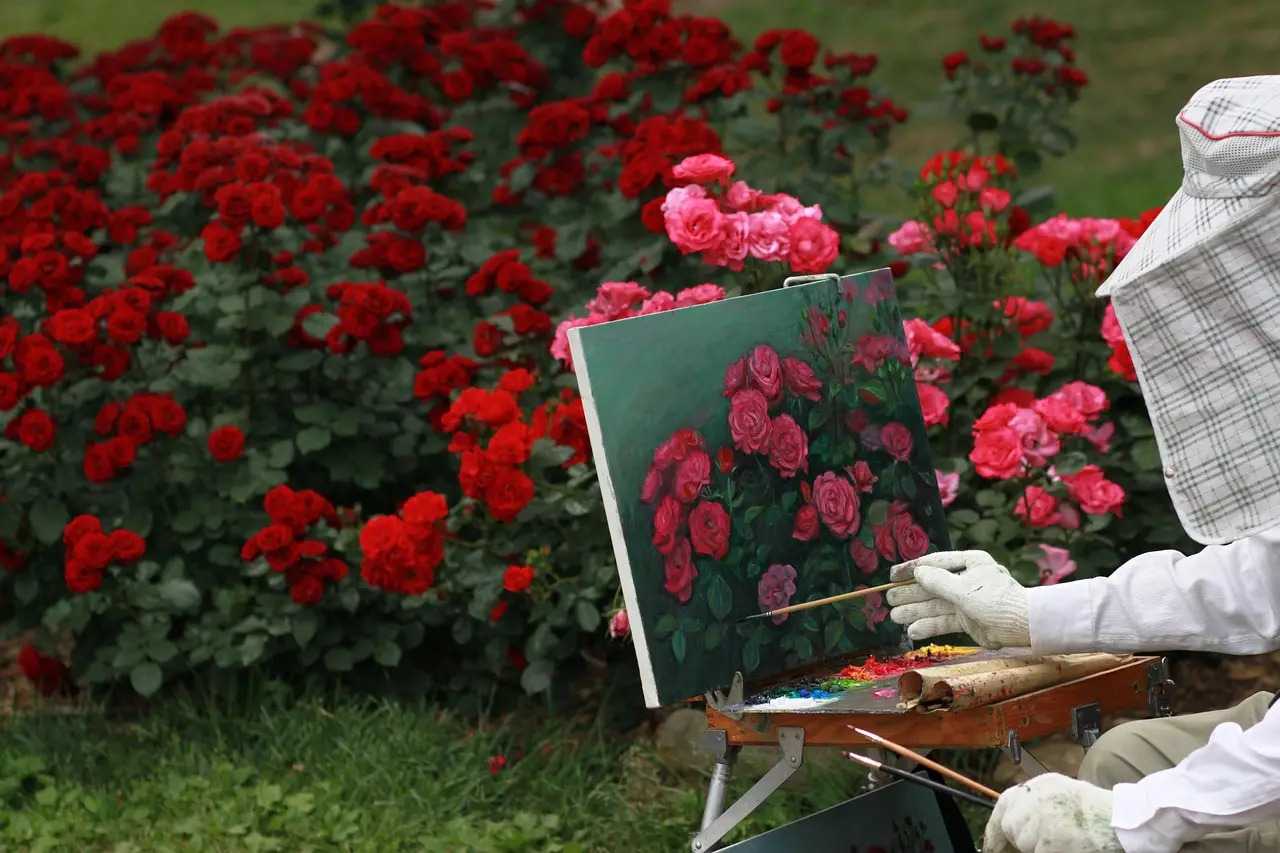


The short answer for casual visitors
A small, handheld sketchbook is often the easiest option. If you are seated, keep your feet, bag, and elbows inside your own space, and avoid any spot that narrows a path or hides a plant label. The same basic rule applies to simple ink drawing and light watercolor use when the garden allows it.
Painting is also possible in many gardens, but it is more likely to raise questions because it brings water, drying time, and a wider footprint. That matters more in narrow collections, crowded displays, and areas with fragile plantings.
When the answer changes by garden
Two gardens can have very different rules for the same setup. One may allow pencil sketching anywhere on public paths, while another may require advance approval for easels, classes, or any wet media. Some gardens treat plein air work like photography or special events when the setup becomes larger or more public-facing.
Check the garden’s visitor rules before you arrive. Look for language about art, drawing, photography, tripods, commercial use, group visits, reserved spaces, and special events.
What garden rules usually decide permission?
Permission usually turns on three things: whether the work is personal or commercial, how much space your setup takes, and whether you are affecting visitor flow. A small sketchbook is often treated as ordinary visitation. A class with several easels or a paid session often is not.
Personal use vs commercial use
Personal sketching for private enjoyment is commonly the least restricted. Once the activity supports a sale, a paid lesson, content production, advertising, or another business purpose, many gardens move it into permit territory. Some also require permission for any commercial filming or photography-style work, even if the artist is alone.
That line matters because the same watercolor kit can be casual in one context and commercial in another. The policy often depends less on the medium than on intent and scale.
Group classes, workshops, and paid sessions
Group art activity is a frequent trigger for staff approval. A group of about eight people with stools, easels, and bags can obstruct paths and increase wear on a small area, even if each person is quiet. Paid instruction can also bring liability, scheduling, and reservation issues.
If you are leading a workshop, expect the garden to ask about group size, start time, exact location, and whether the activity is open to the public or ticketed.
Why some gardens treat art like filming or events
Gardens often use the same access logic for art, photography, and filming: if the setup changes how the space is used, staff may need to review it. A tripod, light stand, large easel, or multi-person setup can block views, compress a walkway, or interfere with other visitors.
| Setup feature | Likely garden response | Why it matters |
|---|---|---|
| Pencil sketchbook on a path edge | Usually allowed | Low space use and fast to move |
| Portable easel for one person | Often allowed with limits | Can become a trip hazard or block views |
| Water cup and watercolor palette | Usually allowed only if contained | Spills, stains, and cleanup issues |
| Tripod-like gear | May need approval | Often handled like photo equipment |
| Class of several people | Often needs a permit or reservation | Group size affects access and flow |
| Paid portrait or content session | Commonly permit-required | Commercial use changes the policy |
Sketching in a botanical garden checklist
Use this as a quick screen before you arrive. If several answers point toward “ask” or “permit,” contact the garden’s office before setting up.
-
Check personal use.
Are you sketching only for yourself and not for a paid class, sale, promotion, or client work? If yes, you are more likely to fit ordinary visitor rules. If no, move toward permission or a permit.
Next step: ask the garden whether your use is treated as commercial.
-
Count people.
Are you alone or in a very small group? Once the setup becomes a class, workshop, tour, or paid session, many gardens require advance approval.
Next step: contact the reservation or visitor office if more than one household or a paid instructor is involved.
-
Measure the footprint.
Will your setup stay compact, with no spread across the path? A folding easel, stool, and open bag can take more room than a sketchbook alone.
Next step: choose the smallest setup that stays inside your own standing or seated area.
-
Check wet media.
Will you use watercolors, gouache, ink wash, or anything that needs a water cup? Wet materials create spill and drying concerns that dry media does not.
Next step: ask whether wet media is allowed where you plan to sit.
-
Review gear height.
Does your setup include an easel, tripod-like stand, light stand, or anything that rises into the sightline? Taller gear is more likely to be treated as a managed setup.
Next step: check whether the garden limits tripod-style equipment or requires a permit.
-
Look for path blockage.
Will your chair, legs, bag, or easel leave enough room for others to pass? Narrow paths, stroller traffic, and wheelchair routes leave little margin.
Next step: move to a wider area or ask staff where setup is acceptable.
-
Check for benches.
Are you planning to use a bench as your workspace, or to park gear on it? That is often not allowed unless staff says the bench may be used that way.
Next step: treat benches as seating only unless the garden gives permission.
-
Check for lawns.
Will you sit on turf, set gear on grass, or work off-path without clear permission? Lawn use can be restricted to protect plants, irrigation, and foot traffic.
Next step: stay on designated public areas unless the garden says lawns are open for that purpose.
-
Check for railings.
Are you planning to rest a board or cup on a railing, fence, or display edge? That can damage surfaces, fall, or distract from the collection.
Next step: use a portable support instead of garden fixtures.
-
Check cleanup needs.
Will your materials leave crumbs, spills, tape, paper scraps, or used towels? Cleanup expectations are often stricter for paint than for pencil drawing.
Next step: pack a sealable trash bag and a way to carry wet items out.
-
Check weather exposure.
Will wind, rain, heat, or humidity affect your setup? Wind can lift paper and tip easels; humidity slows drying; rain and mud make both paths and supplies harder to manage.
Next step: bring clips, a cover, and a backup plan for changing conditions.
-
Check advance approval.
Does the garden ask visitors to call, email, or reserve before any special setup? If yes, you need that answer before arrival, not at the gate.
Next step: contact the office early and ask about fees, time limits, and restricted areas.
What setup is least disruptive?
The least disruptive setup is small, stable, and easy to move. A handheld sketchbook, a few pencils or pens, and a compact board usually fit visitor rules better than a larger easel arrangement. The more your setup behaves like equipment rather than a notebook, the more likely staff will want a closer look.
Sketchbooks and drawing boards
A sketchbook held in your hands is often the lowest-impact choice. A lap board or small drawing board can work too, but it should stay compact and should not rest on railings or garden fixtures. Seated use is often easier to manage than standing use because it reduces spread and movement.
A common first-timer mistake is opening a wide board across part of a narrow path because “there is room right now.” That space can disappear fast when another visitor, stroller, or wheelchair approaches.
Easels, stools, and wind stability
Portable easels are often acceptable only if they stay stable and do not create a trip hazard. Light aluminum frames can move in wind, and wide feet can intrude into passing space. If the garden allows an easel, keep it small, weighted if needed, and positioned well away from traffic.
Stools and folding chairs are better than spreading gear on the ground, but they still need room. If the setup changes the walkway width or blocks a turn, move it.
Watercolor, ink, gouache, and other media
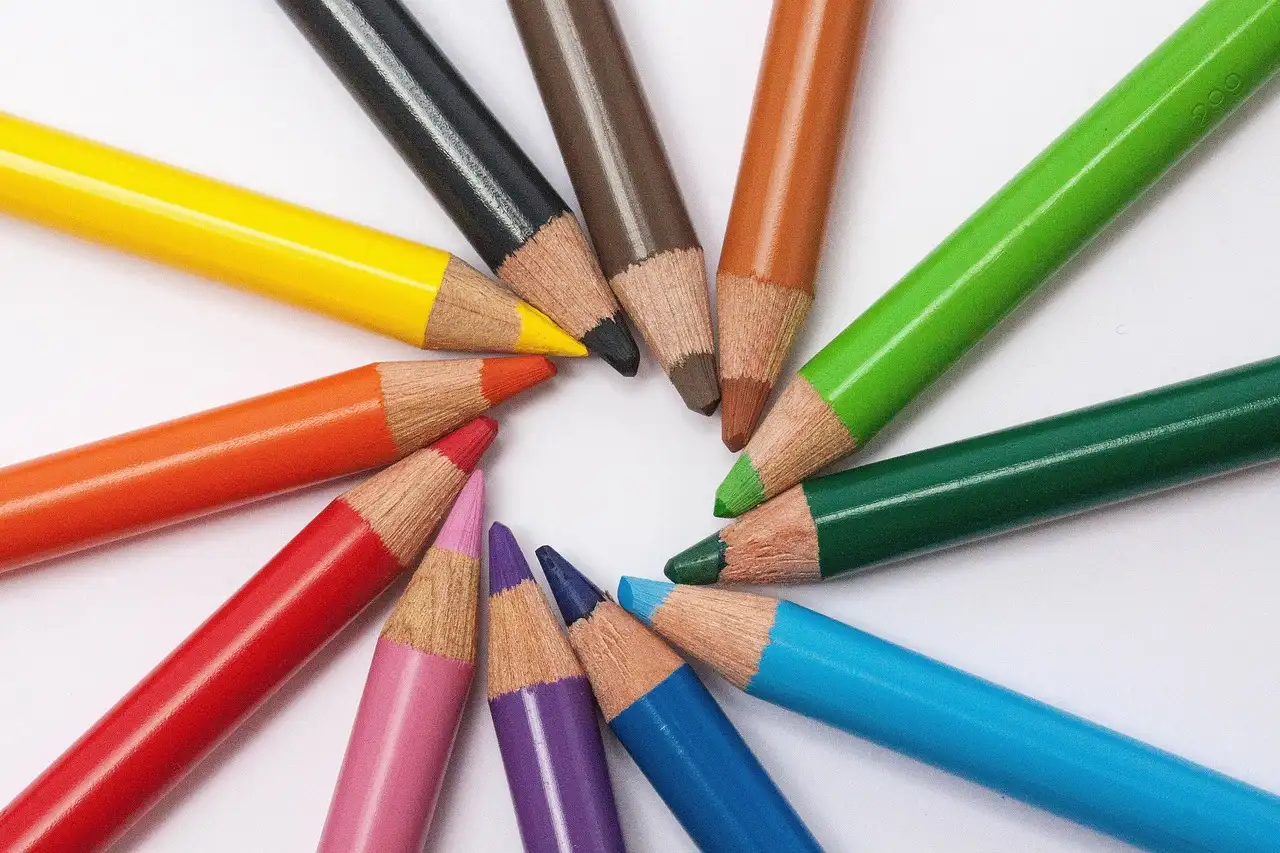
Pencils and pens are often the safest materials because they dry quickly and leave little mess. Watercolor and gouache add water management, cleanup, and drying time. Ink pens can be fine if they do not require a bottle, but fountain pens, wash brushes, or bottled ink increase spill risk.
Pastels and charcoal can shed dust, so keep them controlled and avoid brushing debris into beds or paths. Oil paint is the least visitor-friendly of the common plein air materials because of odor, cleanup, and long drying time; many gardens restrict it or require more oversight.
When do you need a permit or approval?
You usually need a permit or staff approval when your setup stops looking like a casual visit and starts affecting space, safety, or commercial use. That includes group activity, paid instruction, larger equipment, and any plan that needs a reserved location. Some gardens may require advance notice for tripod-like gear or commercial photography-style work.
Large setups and tripod-like gear
Large easels, multiple stools, umbrellas, lights, camera stands, and similar gear can trigger the same rules as photo setups. They take room, change traffic flow, and can create stability issues in wind. If your kit would be awkward to carry through a gate or narrow path, ask first.
Reservations, fees, and advance contact
Some gardens ask for an email, phone call, or online reservation before they approve a workshop or commercial session. Fees may apply, especially for timed use, reserved space, or outside instruction. Ask about time windows, location limits, payment, and whether the permit covers both setup and cleanup time.
Special events and restricted areas
Special exhibits, wedding spaces, seasonal displays, and research or restoration zones often have tighter rules than general visitor areas. Even a small sketching setup may be limited if the area is crowded or sensitive. If the map or staff marks a place as restricted, treat that as a hard stop.
Picture a two-person watercolor session on a narrow path near a popular display. Even with quiet behavior, the easels, water cups, and chair legs can cut the usable walkway in half. In that case, staff may redirect the group or ask for a reservation before any setup begins.
How do you avoid disrupting plants and visitors?
Stay on paths where required, keep your setup compact, and leave room for others to pass. Most problems come from placement, not from the act of drawing itself. The best way to avoid conflict is to make your setup easy to move and easy to understand at a glance.
Paths, benches, lawns, and railings
Use paths only where they are meant for visitors, and do not step into planted beds unless staff has opened that area for access. Do not pick, cut, or move plants. Do not set gear on benches, lawns, or railings unless the garden explicitly allows it, because those spots are often protected or needed by other visitors.
Do not block signs, labels, gates, or narrow turns. Those details matter in botanical gardens because labels are part of the collection and some visitors rely on them for access and navigation.
Accessibility and visitor flow
Wheelchair clearance, stroller space, and sightlines should guide where you sit. If a setup forces people to squeeze, turn back, or go into the planting area, it is too large for that spot. Busy entrances, popular specimens, and tight collection paths are the least forgiving places for art setups.
Weather, cleanup, and packing out trash
Wind can lift pages, tip easels, and scatter pastel dust. Rain can soak paper, make paths slippery, and turn a small spill into a larger cleanup. Sun can dry watercolor too fast, while humidity slows drying and increases the chance of smudging.
Bring a clip for paper, a way to cover wet work, and a sealable bag for used towels, tape, or scraps. Pack out everything you brought in. Leave the area exactly as you found it.
Suppose you plan to paint with watercolor at a bench near a main path. If the bench is already used for resting and the path is narrow, the better choice is to move to a wider, allowed spot rather than spread out there. That avoids blocking traffic and keeps water cups away from other visitors.
Frequently asked questions
Can you sketch in a botanical garden?
Usually, yes. Small personal sketching is commonly allowed when you stay on public paths and keep gear compact. The main limits are the garden’s own rules, especially around restricted areas, group use, and anything that blocks visitor flow or plant labels.
Can you paint in a botanical garden?
Often yes, but painting is more likely than pencil sketching to draw attention because it involves water, drying time, and a wider setup. Many gardens allow it only if the materials stay contained and the setup does not interfere with paths, plants, or other visitors.
Do botanical gardens allow easels and drawing boards?
Some do, some do not. A small portable easel or board may be allowed for personal use, but larger stands, unstable legs, and anything that narrows a walkway can be restricted. If the equipment resembles photo gear or needs a reserved spot, ask first.
Are watercolors or ink pens allowed in botanical gardens?
Often, yes, if the garden permits low-impact art materials. Pens are usually simpler because they dry instantly. Watercolors are more likely to raise questions because of water cups, spills, and cleanup, so check whether wet media is allowed before you pack it.
Do I need a permit to paint in a botanical garden?
Maybe. A permit is more common for classes, workshops, paid sessions, group visits, commercial work, or larger equipment. If you are alone with a compact sketching kit, you may not need one, but the garden’s office should confirm that before you arrive.
What etiquette should artists follow in a botanical garden?
Stay on paths where required, do not pick or move plants, and do not block signs, labels, benches, or walkways. Keep your voice low, keep your setup compact, and pack out all trash. If staff asks you to move, move promptly and without debate.