Gardening Techniques for Shaping Bonsai for Beginners
For beginners, shape bonsai in this order: confirm the tree is healthy, repot only if needed, remove dead or weak growth, make one structural cut, then wire lightly; stop after one major change. Bad timing can stall recovery, weaken roots, or kill fine branches. This guide covers a safe first shaping sequence, what to cut first, and when to wait.
Bonsai shaping basics
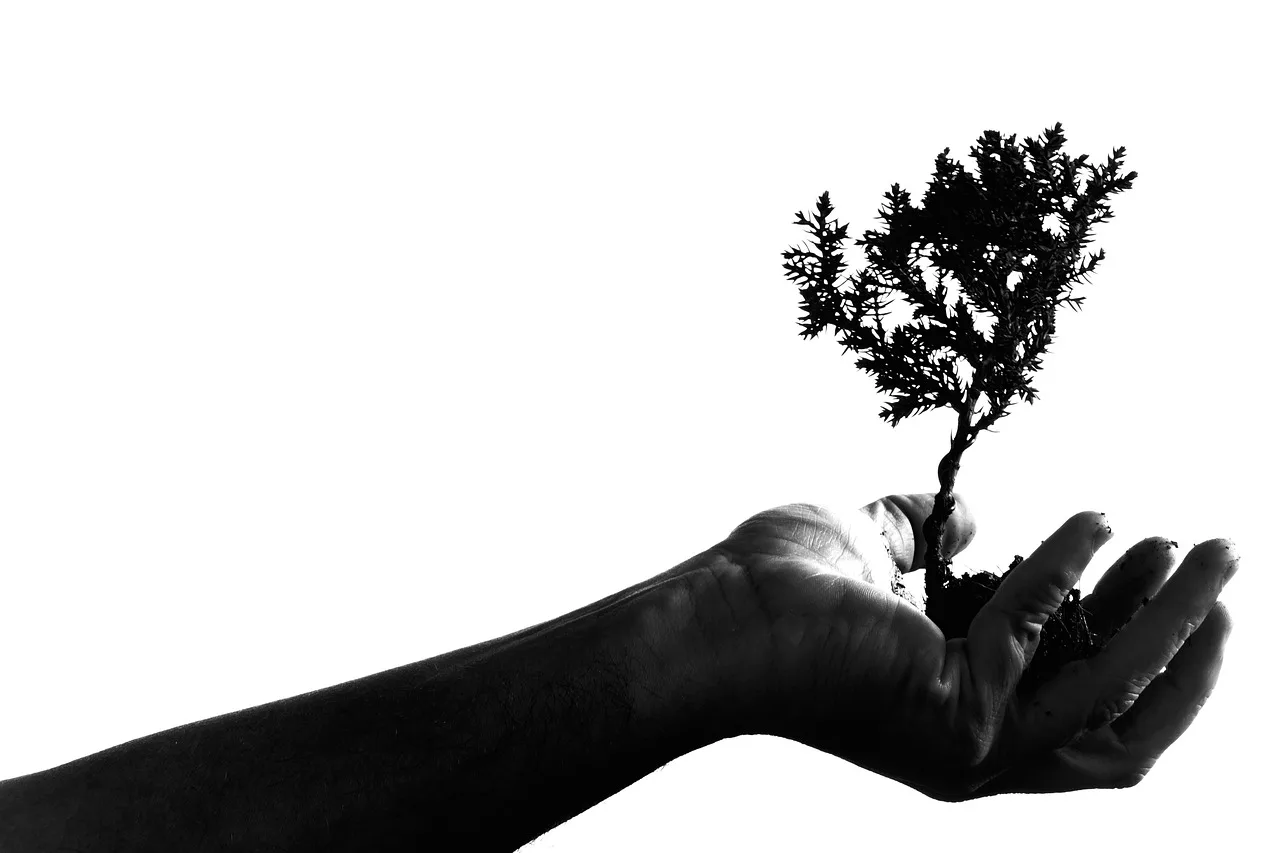


Bonsai training is different from routine maintenance pruning. Maintenance trimming keeps the tree tidy. Training changes the framework by choosing a leader, setting structural branches, and building an apex and branch pads over time. Recovery comes first, and after major work you should give the tree time to push new growth before you change more.
Start with a healthy tree in fast-draining bonsai soil or a well-aerated repotting mix. Roots need oxygen as much as water. A mix with particle size that leaves air spaces between grains drains faster and helps prevent waterlogged roots.
Basic garden skills still matter here. Treat bonsai as plant care plus design: pruning, watering, drainage, and patience all work together. Basic garden skills such as pruning, container planting, seed starting, and watering in warm weather all translate, but bonsai asks for finer decisions.
What you’ll need
- Bonsai pruning scissors for fine-tip cuts on small shoots and leaves.
- Concave cutter for thicker branches and flatter pruning scars.
- Bonsai wire in aluminum or copper, matched to branch thickness.
- Wire cutters for clean removal without tearing bark.
- Guy wire or clip-and-grow supplies if wiring feels risky.
- Disinfectant or alcohol to sanitize tools before use.
- Watering can with a fine rose for even aftercare.
- Repotting mix with fast drainage and suitable particle size.
Should I prune or wire bonsai first?
Prune first when the branch layout is crowded, crossing, or too dense to see the structure. Wire first only when the branch already has the right length and thickness and only needs repositioning. If a branch is brittle, stiff, or thin enough to snap, choose guy wire or clip-and-grow instead of forcing a bend.
- Inspect the structure. Look for the trunk line, the future apex, and the main branches that will become pads. Remove only what blocks that plan.
- Set pruning priorities. Cut dead tips, inward growth, and obvious crossing shoots before any styling wire goes on. That keeps you from wiring branches you may remove anyway.
- Choose the gentlest method. Use wire for flexible branches, guy wire for thicker or risky bends, and clip-and-grow when a branch should thicken before it moves.
Say your tree has a pencil-thick branch on the outside of the curve and several thin shoots near the apex. Remove the thin shoots first, then decide whether the pencil-thick branch can bend with aluminum wire or needs a guy wire. That sequence protects the branch you are likely to keep.
How do you shape a bonsai for beginners?
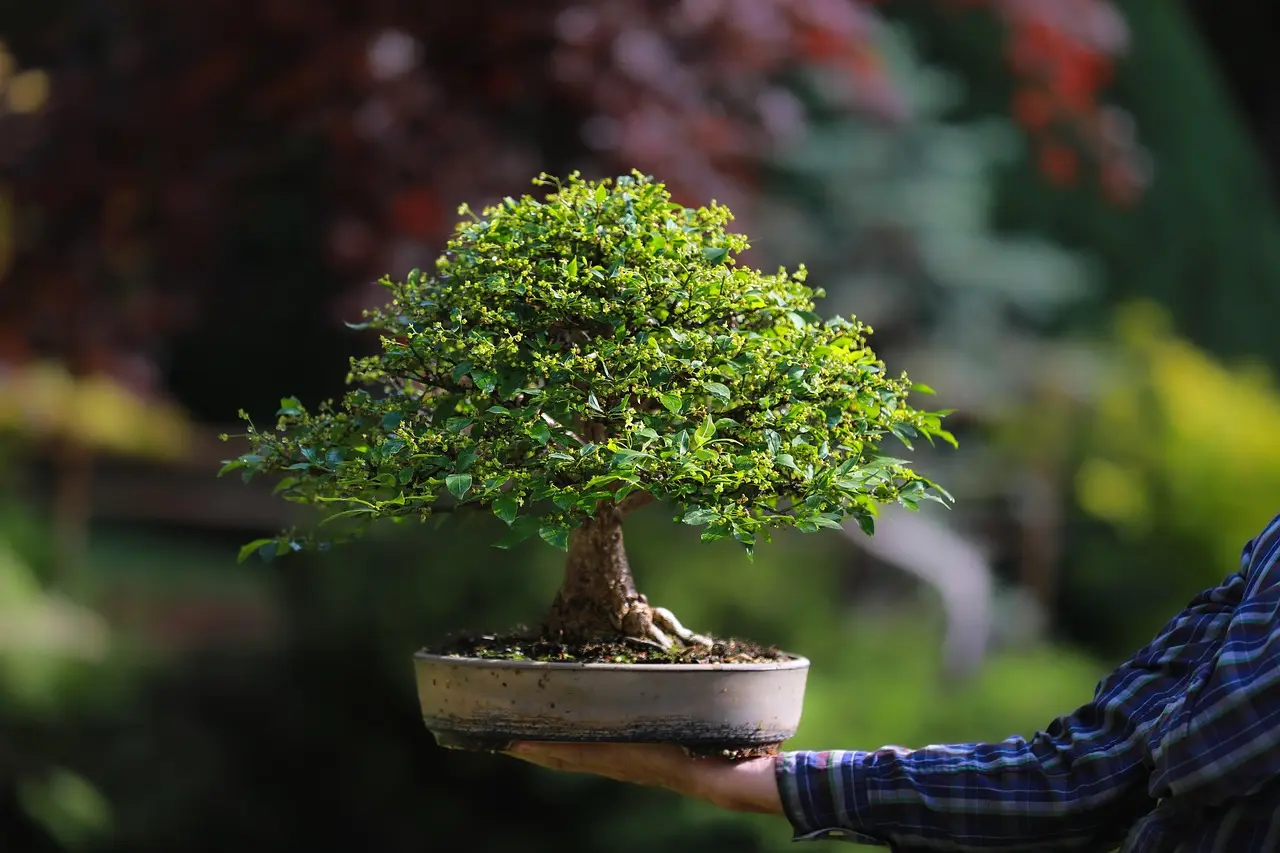
Shape a beginner bonsai by making one clear decision at a time: clean the tree, choose the front, keep the trunk line readable, and build toward a simple branch structure. Start with maintenance pruning, then make one structural cut, then wire only the branches that now have room to move. Leave the rest alone.
- Sanitize and clean up. Wipe pruning scissors, concave cutter, and wire cutters before use. Remove dead twigs, damaged leaves, and weak shoots that will not help the design.
- Choose the front. Turn the tree until the trunk line, root flare, and best branch placement read clearly. You are deciding what to keep visible, not making every change at once.
- Make one structural cut. Use a concave cutter on a thicker branch that blocks the design, or pruning scissors on thin shoots. Aim for one major change per session.
- Wire only selected branches. Use aluminum wire for most beginner work because it is generally easier to shape and remove. Wrap at about a 45-degree angle so the wire holds without cutting in right away.
- Leave some growth. Keep enough foliage for energy and recovery. Do not remove more than about one-third of the foliage in one session.
Suppose a nursery juniper has a strong trunk but a crowded top. A safe first session might remove one crossing shoot, wire one side branch, and leave the rest alone. The goal is a better structure, not a finished tree.
When should I prune or wire a bonsai tree?
Prune or wire when the tree is actively growing, vigorous, and dry soil is not part of the problem. Delay major work on a thirsty tree, a weak tree, or one that was recently repotted. After large cuts or heavy bending, give the tree a recovery window before changing more.
Active growth and rest
New growth is the safest time for light shaping because branches bend more easily and the tree replaces tissue faster. During seasonal rest, keep work lighter and focus on maintenance pruning or inspection. That is especially true for species that back-bud slowly or dislike repeated hard cuts.
Recovery after work
After a major prune or bend, check for fresh growth, firm leaves, and stable soil moisture before the next round of shaping. If the tree is slow to rebound, wait. Recovery time varies by species, pot size, light, and root health.
Bonsai shaping checklist
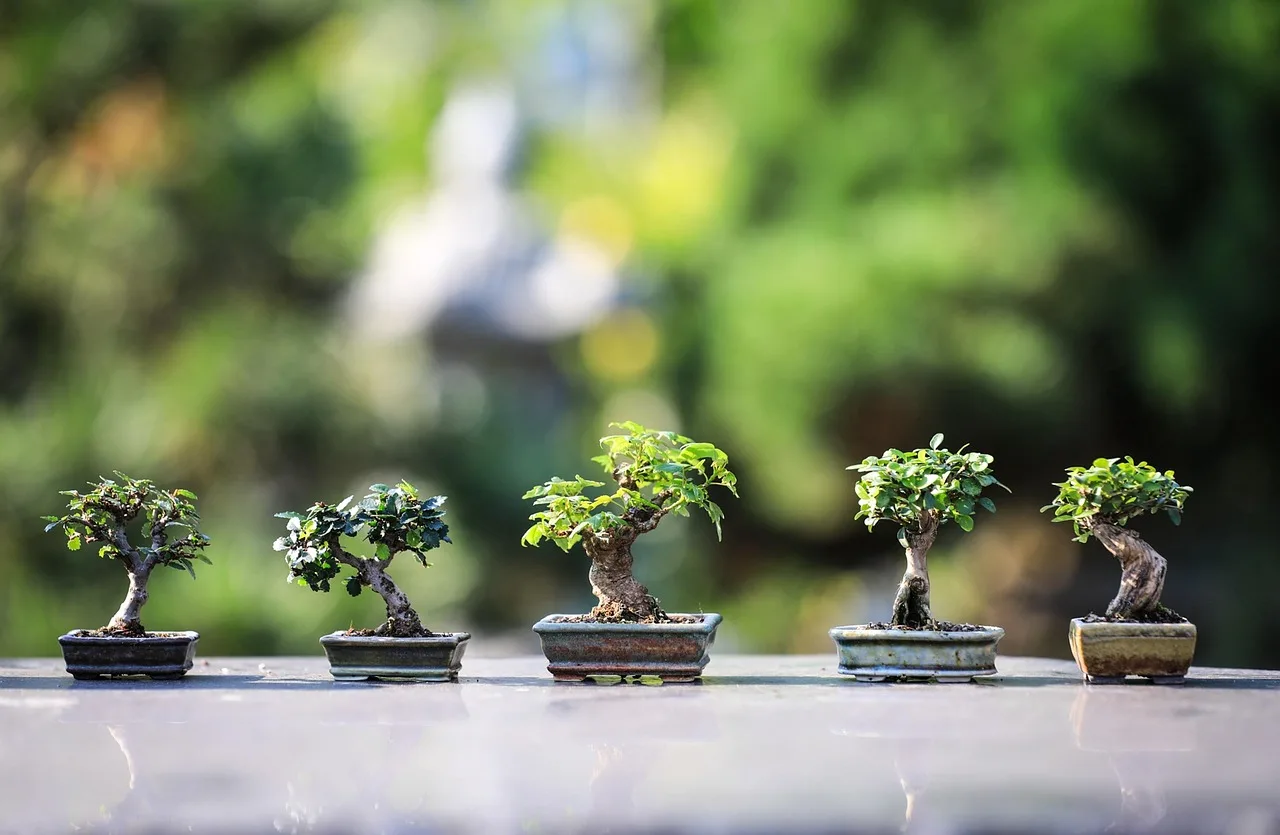
| branch thickness | action | tool needed | recovery warning |
|---|---|---|---|
| thin shoots | prune | bonsai pruning scissors | Keep cuts light; do not strip the apex. |
| pencil-thick branches | wire or guy wire | aluminum wire, wire cutters, or guy wire kit | Check often for bite-in; bend gradually. |
| larger branches | prune | concave cutter | Use only if the branch is clearly in the wrong place. |
| dense canopy with weak interior light | leave or thin lightly | pruning scissors | Do not remove more than one-third of foliage in one session. |
| branch already at the right length | wire | wire matched to thickness | Remove wire before it bites into bark. |
Tool choice and wire rules
Aluminum wire is the beginner-friendly choice because it bends more easily and is easier to adjust. Copper wire holds stiffer bends better, but it is less forgiving and easier to overwork. Match gauge to branch thickness so the branch holds its shape without needing extra wraps.
Apply wire at a steady diagonal, not straight around the branch. A close but not tight wrap spreads pressure and helps the branch hold position. Check the wire regularly and remove it before it scars the bark or cuts in as the branch thickens.
Use a concave cutter on thicker branches because it leaves a shallow hollow that closes more neatly than a flat stub. On tiny shoots, fine-tip pruning scissors make cleaner cuts and reduce tearing. Sanitize both before use so you do not move disease or damage fresh tissue.
How much can I cut off a bonsai at once?
Cut less than you think. For a first shaping session, do not remove more than about one-third of the foliage in one session, and take even less if the tree is weak, recently repotted, or slow to recover. Structural pruning should be selective, not a full haircut.
- Count the foliage first. Identify the branches that must stay to keep the tree alive and balanced.
- Remove only the worst growth. Take dead, crossing, and inward-growing shoots before anything stylistic.
- Stop at the limit. If you are near one-third removal, stop and let the tree recover.
Common first-timer mistake: removing a full top because it looks untidy. That can leave the tree with too little energy to rebuild branch pads and a healthy apex. If the tree still looks too full after pruning, wait for the next growth cycle rather than forcing a second pass.
Common mistakes
- Mixing routine trimming with structural pruning. Maintenance cuts keep shape tidy; training cuts change the tree’s framework.
- Using wire too early on weak branches. If the branch is brittle, clip-and-grow or guy wire is safer.
- Picking the wrong species for the space. Outdoor species need outdoor conditions; indoor bonsai must tolerate indoor light and humidity.
- Ignoring internode length. Long internodes make compact branch pads harder to build, while shorter internodes give finer control.
- Repotting, pruning, and wiring all at once. Spread major work out unless the tree is exceptionally strong.
- Overwatering after shaping. Water by soil moisture, not by calendar.
Some beginner-friendly species are better for shaping because they grow readily, back-bud well, and tolerate pruning. A forgiving outdoor starter often has flexible growth and short internodes. Indoor choices should also match available light; a tree that needs full outdoor sun will not stay healthy on a dim windowsill.
Frequently asked questions
What tools do I need to shape a bonsai?
You need bonsai pruning scissors for thin shoots, a concave cutter for larger cuts, wire cutters, and aluminum wire sized to the branch. A disinfectant wipe or alcohol is useful before cutting. If a bend looks risky, add guy wire or use clip-and-grow instead of forcing it.
How long should bonsai wire stay on?
Leave wire on only until the branch holds its new position, then remove it before it bites in. Check it often, especially during active growth. Faster-growing trees can mark quickly, so routine inspection matters more than a fixed calendar date.
What bonsai tree is easiest for beginners to shape?
Look for a species that suits your growing space, tolerates pruning, and has workable internode length. Outdoor beginners usually have more forgiving options than indoor setups, because light is easier to supply outside. A healthy, vigorous nursery tree is often easier to shape than a weak specimen.
Water after shaping only when the soil begins to dry at the top, and adjust by season. Summer usually means more frequent checks; cool weather usually means slower drying. Fast drainage matters because roots need oxygen, and overwatering can slow recovery after pruning or wiring.