Gardening Techniques for Bonsai Watering and Feeding
A common rule of thumb is to water bonsai when the top 1–2 cm of soil is dry, then soak until water drains from the bottom, and feed only during active growth at the label rate or a weaker mix. Miss the timing and you can rot roots, starve growth, or scorch foliage. This guide gives a species-and-season system for bonsai watering and feeding, with simple checks for soil, light, pot size, and climate.
Bonsai watering and feeding basics



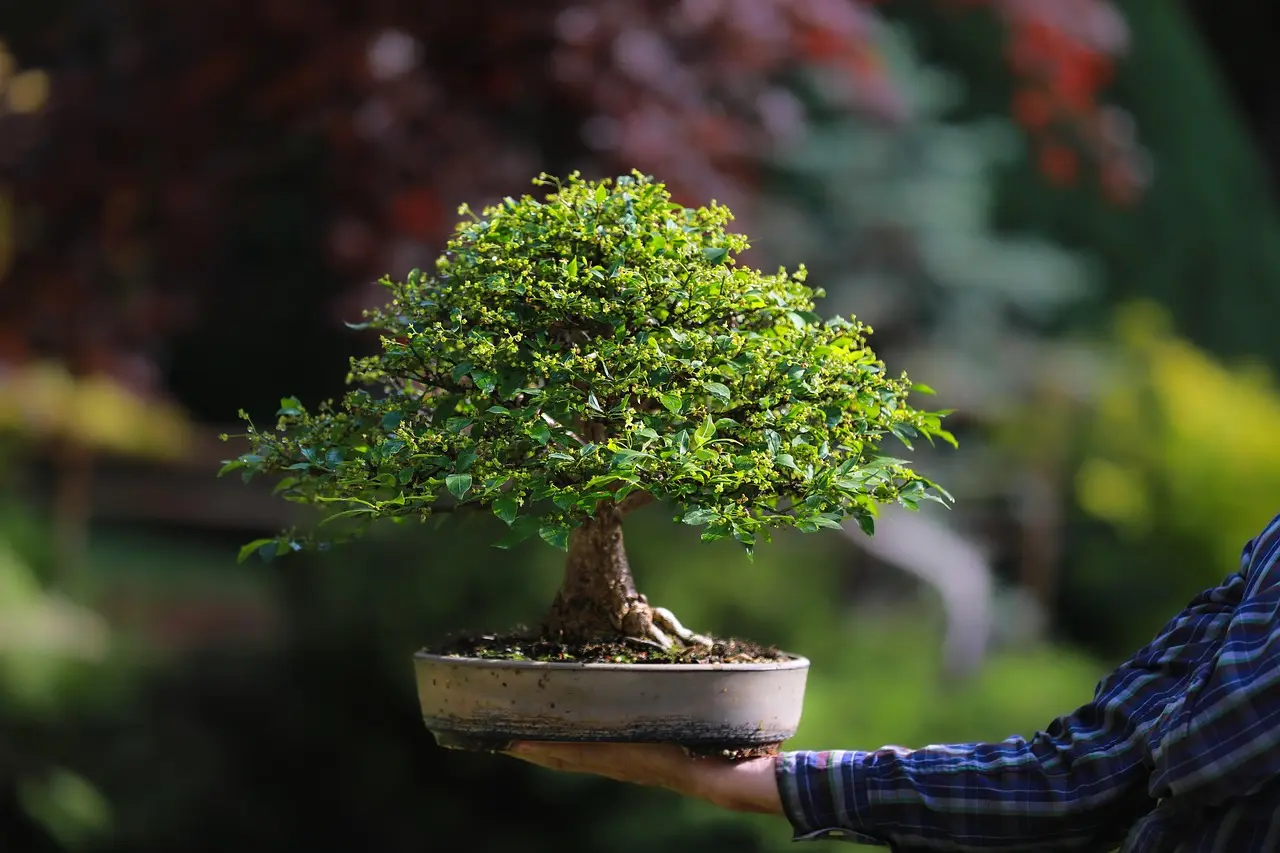
Bonsai are living trees in shallow containers, so their water and nutrient needs shift faster than ground-planted trees. No fixed schedule fits every tree, because species, pot size, soil mix, climate, and season all change how quickly the root ball dries and how fast the tree can use fertilizer.
Start with checks, then act. Look at the top layer, feel the soil a little deeper, lift the pot to judge weight, and watch for drainage from the holes. Then water or feed based on what the tree and soil actually need, not on the calendar alone.
Why shallow containers change care
A shallow pot holds less water and fewer nutrients than a garden bed. That means the root zone can swing from too wet to too dry in a short time, especially in sun, wind, or warm indoor air. Good bonsai soil must drain well, yet still hold enough moisture between waterings.
Drainage holes matter here. They let you see when the mix is fully saturated, and they stop the pot from sitting in standing water, which cuts oxygen to the roots and raises rot risk.
How species and season change demand
Different species use water at different speeds. Junipers and pines usually dry more slowly than maples in active leaf growth, while ficus can keep growing indoors if light and warmth are steady. Seasonal growth period matters too: from spring to autumn, many trees need more water and feeding; winter demand drops for many species.
RHS guidance places watering and feeding mainly from spring to autumn. For many bonsai, winter is a pause or a much lighter period, especially if growth slows hard.
How do you tell when a bonsai needs water?
Check the surface, then check below it. When the top 1–2 cm of soil feels dry and the pot feels lighter than usual, the tree may need water. A moisture meter can help confirm the reading, but it should support observation rather than replace it.
What dry soil feels like
Dry bonsai soil often looks lighter in color and feels crumbly at the surface. Push a finger or a thin wooden stick just into the top layer, not only the top crust. If the top is dry but the mix below still feels cool and slightly damp, wait and check again later.
A common first-timer mistake is relying on a dry-looking surface alone. Some mixes crust over on top while the lower root zone still holds enough water to wait.
When a moisture meter helps
A moisture meter can be useful in dense indoor areas, mixed collections, or when a tree dries unevenly. It is most helpful as a second opinion after you check soil feel and pot weight. If the meter says “wet” but the pot feels very light and the drainage holes are clear, the mix may be uneven or water-repellent and needs closer inspection.
Use it as support, not as the only signal. Soil structure, root density, and climate still decide the final call.
How should you water a bonsai?
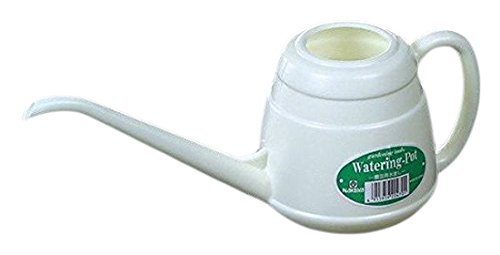
Use a watering can with a fine rose so the water lands like a gentle shower and spreads evenly across the soil surface. Water from the top until the whole root ball is saturated and water runs freely from the drainage holes. That is the stop signal. Do not leave the pot standing in runoff.
Position the tree securely. Set the pot where water can drain fully, with no saucer holding runoff underneath. This keeps the root zone oxygenated and lets you see when saturation is complete.
Water the entire surface. Move the fine rose in slow passes so the whole soil surface gets wet. This prevents channels from forming and keeps the mix from eroding in one spot.
Continue until runoff appears. Keep watering until water comes out of the drainage holes in a steady flow. The goal is to saturate the root ball completely, not just dampen the top layer.
Stop at free drainage. Once clear runoff appears, stop watering and let the excess leave the pot. Do not leave the container sitting in a tray of standing water, which can suffocate roots.
Soaking and bottom watering are limited tools. They can help re-wet a severely dry, water-repellent mix, but they should not replace normal top watering. If the soil has become water-repellent, water may bead and run down the sides; a slow top soak with the fine rose usually gives better coverage.
Suppose a 6-inch juniper in coarse mix is outdoors on a windy day. The surface looks pale by afternoon, and the pot feels light. A top watering with a fine rose until runoff is better than a misting pass, because the roots need full saturation, not damp leaves.
Gardening techniques decision table
| Species type | Season | Soil mix | Pot size | Climate | Water trigger | Fertilizer type | Do not feed if | One-line action |
|---|---|---|---|---|---|---|---|---|
| Juniper | Spring to autumn | Fast-draining mix with coarse particles | Small shallow pot | Warm, breezy outdoor site | Top 1–2 cm dry; pot feels light | Balanced liquid feed, weak dose | Soil is still wet or tree was just repotted | Water fully, then feed lightly during active growth. |
| Pine | Spring to early autumn | Open mix with strong drainage | Shallow training pot | Outdoor sun and wind | Needles stay firm but mix dries between waterings | Organic cakes or mild liquid feed | Tree is dormant, stressed, or roots were pruned recently | Let the mix dry slightly between thorough waterings, then feed modestly. |
| Maple | Spring through summer | Balanced mix with good aeration | Medium shallow pot | Outdoor, higher transpiration | Surface dries faster in heat | Liquid fertilizer, weaker and more frequent | Leaves are scorched or soil is waterlogged | Check daily in warm weather and feed only while growth is active. |
| Ficus | Warm months or steady indoor growth | Fast-draining but moisture-holding mix | Small to medium pot | Indoor, lower light | Top layer dries more slowly indoors | Liquid fertilizer during active growth | Light is low, temperatures drop, or growth slows hard | Water when the top layer dries, and feed only while it is actively growing. |
| After repotting | Spring after root work | Fresh, airy mix | Any size | Protected from heat and wind | Keep evenly moist, never soggy | Delay fertilizer, then resume gently | Roots were pruned within the last few weeks | Water carefully and pause feeding until new roots are settling. |
| Heatwave | Summer spike | Very open mix | Small shallow pot | Hot, dry, or windy conditions | May need water more than once a day | Light liquid feed only if the tree is vigorous | Tree is wilted, freshly repotted, or soil is still dry after watering | Check morning and late day, and water thoroughly whenever the mix dries. |
When should you feed a bonsai tree?
Feed most bonsai during active growth, usually from spring to autumn, then pause or reduce feeding in winter for many trees. Root pruning and repotting change the timing because disturbed roots need time before they can take up fertilizer well. Feeding a stressed tree can do more harm than good.
Eastern Leaf recommends bonsai fertilizer every month except winter months. That monthly rhythm works as a broad starting point, but species, growth rate, and pot conditions still decide how strong and how often you feed.
Spring to autumn feeding window
As growth resumes in spring, roots and foliage can use added nutrients. Through summer, many bonsai keep pulling resources quickly, especially in sun and heat. From late autumn into winter, demand drops for many species, so feeding often stops or becomes much lighter.
RHS places watering and feeding mainly in spring to autumn. That lines up with the period when new growth can actually use the nutrients you apply.
After repotting or root pruning
RHS recommends root pruning and repotting in spring, or autumn in mild areas. After that work, pause feeding until the tree has settled and new roots are active again. Fresh fertilizer on a disturbed root system can stress the tree instead of helping it.
For slow-growing pines, root pruning may only be needed every three-to-five years, so feeding should follow the tree’s pace, not a fixed calendar alone.
What fertilizer works best for bonsai?
The best fertilizer is the one that matches the tree’s growth stage and your watering habits. Liquid fertilizer gives quick control and works well for beginners because you can dilute it and apply it at regular intervals. Organic cakes release nutrients more slowly and are often used by intermediate to advanced bonsai hobbyists.
Liquid fertilizer vs organic cakes
Liquid feed is simple to dose after watering. It is useful when you need a weak, steady supply during active growth. Organic cakes sit on the soil and release nutrients more gradually, which can suit stronger outdoor trees that are already growing well.
Both can work. What changes is cadence. A weak liquid feed may be used more often in the growth season, while cakes usually stay in place longer and are refreshed by the user as they break down.
Choosing strength and cadence
Use the label rate or weaker, especially for small pots and refined trees. Bonsai roots sit close to the fertilizer source, so strong doses can scorch foliage or stress roots. Fertilize only when the soil is already moist enough to move nutrients through the root zone safely.
The same source says young bonsai usually need pruning about once a year, and established bonsai may need trimming several times a year. That active growth pattern is a good reminder that feeding should track vigor, not habit.
Rainwater and salt buildup
Rainwater can be used occasionally to reduce salt buildup, especially if tap water is hard or heavily treated. Mineral salts can collect in a small pot more quickly than in garden soil. If white crust forms on the surface or around the rim, periodic rainwater use can help flush the mix.
The bonsai.ovh guide also recommends rain water occasionally to reduce salt buildup. That matters even more when fertilizer is used regularly and the tree sits in a fast-draining mix.
How does bonsai soil affect watering and feeding?
Bonsai soil is not ordinary potting soil. It needs fast drainage, enough aeration for roots, and enough water retention to keep the tree from drying out between checks. If the mix is too dense, water lingers and roots lose oxygen. If it is too coarse, the tree may dry too fast and fertilizer may wash through quickly.
Drainage and aeration balance
A good mix lets water move through while still holding moisture on particle surfaces. That balance matters because water should pass through the root ball, not sit in it. Drainage holes are part of the system, not an afterthought.
If the soil surface stays wet for a long time after watering, the mix may be too fine or compacted. If water runs straight through and the tree dries very fast, the mix may be too open for the pot size and climate.
When to repot or replace mix
Over time, even a good mix breaks down and holds less air. That is when repotting or soil replacement becomes part of watering and feeding care, because old mix changes both drainage and nutrient behavior. The same source recommends spring for repotting in most areas, or autumn in mild areas.
When roots begin circling the pot or the mix stays wet longer than it used to, it is time to reassess. Soil condition can change the whole watering routine.
Do indoor bonsai need different watering and feeding than outdoor bonsai?
Yes. Indoor bonsai usually dry more slowly because light, air movement, and evaporation are lower, but they may still be stressed by low humidity and weak light. Outdoor bonsai face stronger weather swings, faster drying, and larger day-to-day changes in water demand.
Indoor drying slows differently
Indoor trees often need less frequent watering than outdoor trees, but they still need thorough watering when the mix reaches the dry trigger. A ficus by a bright window may keep growing, while a tree in low light may slow down and need less fertilizer. Indoor and outdoor care should never be treated as identical.
Outdoor weather swings and heat waves
Outdoor trees can dry far faster in wind, sun, and heat. The bonsai.ovh guide notes that summer months may require two waterings daily. That is not a fixed rule for every tree, but it shows how sharply demand can rise in hot weather.
Suppose a maple on a bench dries by late morning during a heatwave. The right response is not extra fertilizer. It is a second water check and a thorough soak if the top layer and pot weight both say the tree needs it.
Common bonsai watering and feeding mistakes
The fastest beginner mistakes are overwatering, using soil that does not drain, feeding at the wrong time, and misting instead of real watering. The bonsai.ovh guide warns that overwatering can kill a bonsai tree. The fix is usually simple, but it depends on reading the tree and the mix, not following a fixed calendar.
- Overwatering daily. Water only when the top layer dries and the pot feels lighter, then stop at drainage from the holes.
- Ignoring soil structure. Dense or compacted soil changes everything, because roots need air as much as water.
- Feeding a weak tree. Pause fertilizer after repotting, root pruning, or any period of clear stress.
- Using misting as watering. Misting leaves does not saturate the root ball and does not replace proper watering.
- Leaving runoff in trays. Standing water keeps the root zone wet too long and can lead to rot.
A bonsai that turns yellow from wet roots and a bonsai that curls from dryness can both fail quickly. The difference is usually visible in the soil, the pot weight, and the drainage holes.
Frequently asked questions
How often should I water a bonsai tree?
No single schedule fits every bonsai. Water when the top 1–2 cm of soil is dry, the pot feels lighter, and the mix below the surface is no longer cool and damp. In summer, some trees may need water more than once a day, while indoor trees may go longer between checks.
What is the best way to water a bonsai without overwatering it?
Use a watering can with a fine rose and water from the top until runoff appears from the drainage holes. Stop at that point and never leave the pot in standing water. This gives full root-ball saturation without flooding the container.
When should I fertilize a bonsai tree?
Feed during active growth, usually from spring to autumn, and pause for many trees in winter. After repotting or root pruning, wait until the tree has re-established before feeding again. A monthly cadence is a common starting point, but strength should stay weak unless the tree is very vigorous.
What type of fertilizer is best for bonsai?
Liquid fertilizer works well for controlled, weak feeding, while organic cakes suit hobbyists who want a slower release. Bonsai fertilizer can help roots and foliage grow healthier, but the best choice depends on species, season, and how quickly the tree is growing. Use weaker doses than a full garden feed.
Should I water my bonsai from the top or soak it in water?
Top watering is the standard method because it wets the whole surface evenly and lets you stop when runoff appears. Soaking can help if the mix has become water-repellent, but it should be a backup, not the main routine. The goal is complete saturation of the root ball.